Fire Safety
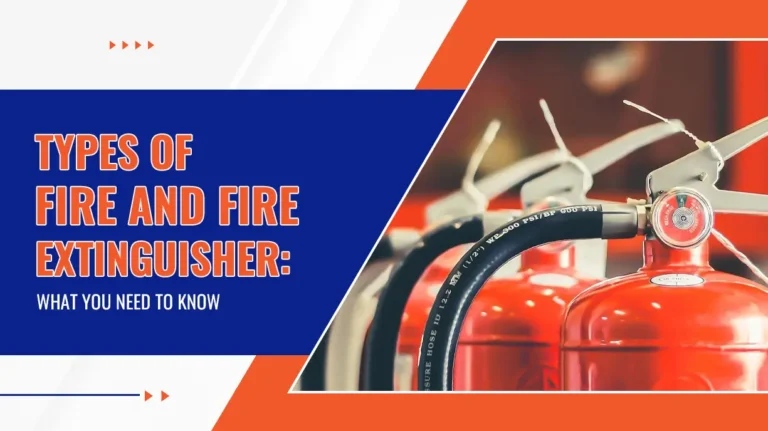
There are five main fire classes: A (ordinary combustibles), B (flammable liquids/gases), C (energised electrical), D (metals) and K/F (cooking oils). Matching them with the

There are five main fire classes: A (ordinary combustibles), B (flammable liquids/gases), C (energised electrical), D (metals) and K/F (cooking oils). Matching them with the

Testing a home fire alarm starts with pressing the test button monthly to confirm a loud, clear sound. The homeowner should check that every alarm
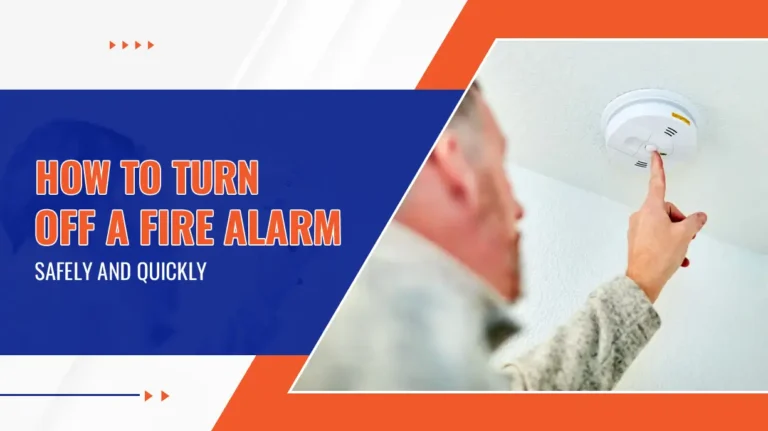
First, the person should check for real danger: look for smoke, flames, or burning smells and evacuate if unsure. If it’s a false alarm, they
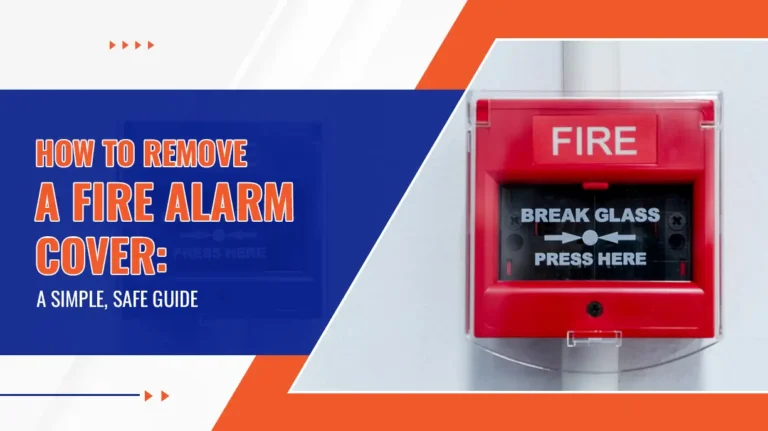
How to Remove a Fire Alarm. First, identify whether the alarm is battery-only or hardwired by looking for a battery drawer, “AC/120V” labelling, or a
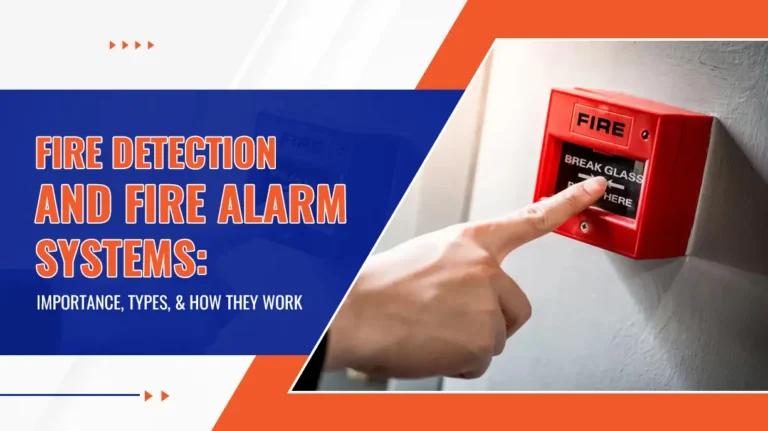
Fire detection and fire alarm systems provide early warning that protects lives, limits property damage, and supports code and insurance compliance. Initiating devices, such as
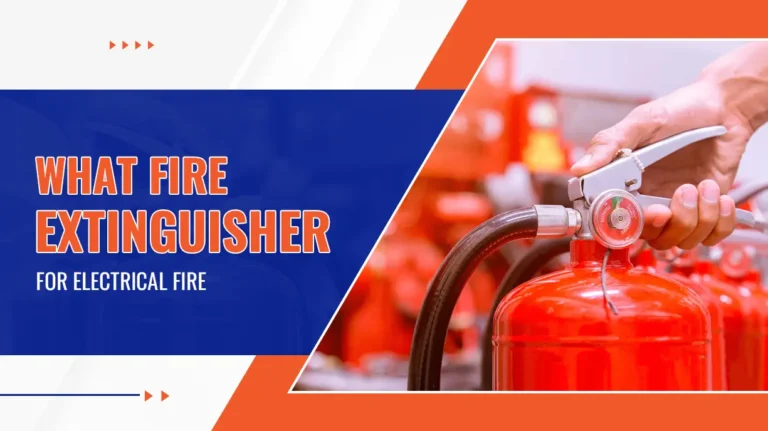
For an electrical fire, a What fire extinguisher for electrical fire is recommended: an ABC dry chemical unit or a CO₂ extinguisher. These use non‑conductive
Fire safety regulations serve as a critical framework for understanding Fire Safety Regulations and Fire Risk Assessment. They outline essential guidelines that organisations must follow
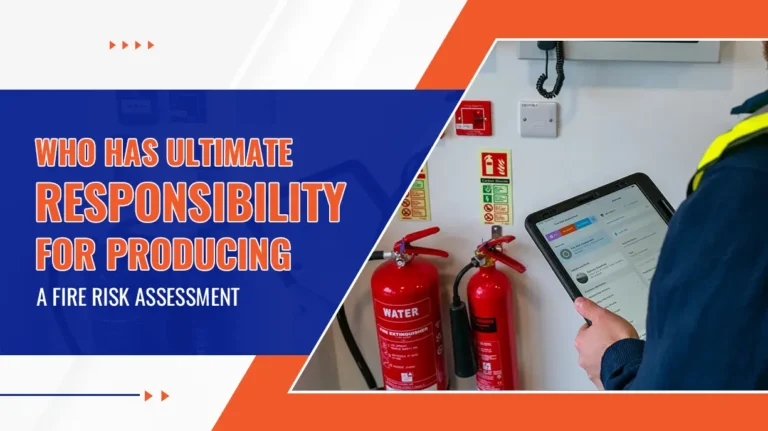
Understanding who is ultimately responsible for producing a fire risk assessment is essential to maintaining safety in any premises. The ‘Responsible Person’ plays a pivotal
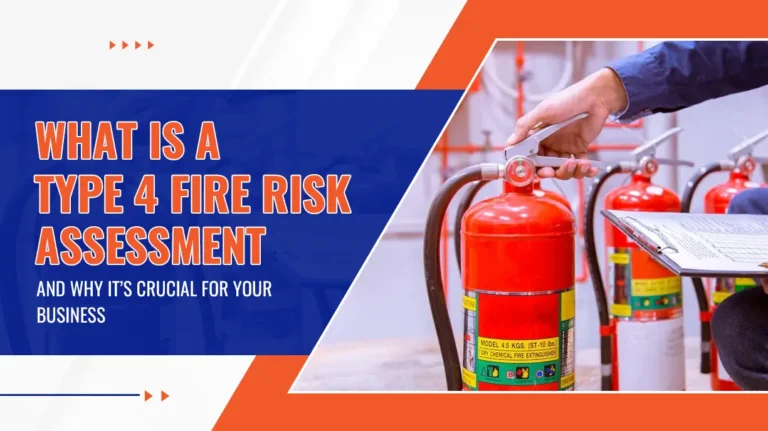
A Type 4 Fire Risk Assessment is a key evaluation designed for businesses operating in high-risk environments. It focuses on identifying possible fire danger linked
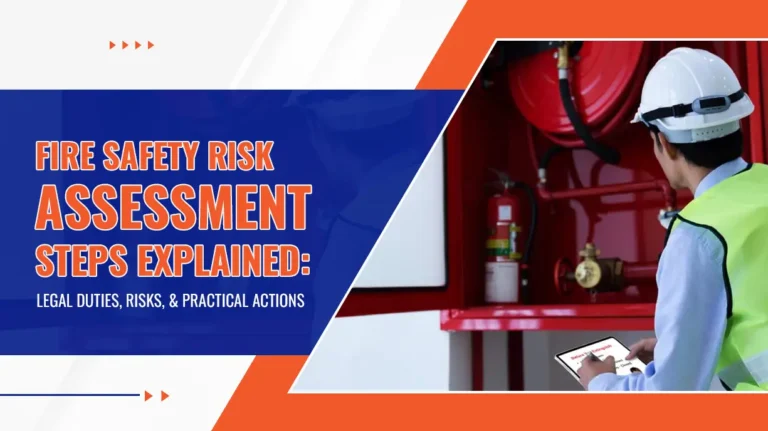
Fire safety risk assessment steps are essential for ensuring safety in various environments. They involve a series of structured steps that organizations must follow to