Every property in the UK requires a smoke alarm and a carbon monoxide detector as a safety measure and a legal requirement. Smoke alarms provide early warning of fire, allowing occupants time to evacuate, while carbon monoxide detectors alert to the presence of this lethal, odourless gas, preventing potential fatalities. Under UK regulations, these devices must be installed in domestic and certain commercial properties to safeguard against fire hazards and carbon monoxide poisoning. Additionally, proper maintenance and adherence to installation guidelines are essential for their effective function. Understanding these devices better can further enhance safety in any living or working environment.
Key Takeaways
- Smoke alarms provide critical escape time during fires by detecting smoke early.
- Carbon monoxide detectors prevent fatalities by alerting to odourless, colourless CO gas.
- UK regulations mandate the installation of these devices in homes to enhance fire and gas safety.
- Proper installation and maintenance of these devices ensure safe, effective operation.
- Regular testing and compliance with safety standards reduce risks of fire and CO poisoning.
Table of Contents
What Is a Smoke Alarm and Carbon Monoxide Detector, and Why Are They Essential?
A smoke alarm is a device designed to detect and alert occupants to the presence of smoke, a common indicator of fire, while a carbon monoxide detector senses and warns of carbon monoxide accumulation. These safety devices are essential in residential and commercial properties for providing timely warnings and preventing fatalities and injuries.
Smoke alarms detect environmental changes caused by combustion, often well before flames become visible or spread widely. By emitting a loud, piercing sound, they give individuals critical escape time in the early stages of a fire. On the other hand, carbon monoxide detectors are equally important, as carbon monoxide poisoning can occur without any visible signs, leaving individuals unaware until it’s potentially too late.
The integration of both devices in properties not only enhances safety but also reinforces a proactive approach to risk management. Ensuring that these devices are present, regularly tested, and properly maintained is essential to safeguarding occupants’ lives against invisible, often unpredictable threats. Their use is a fundamental aspect of responsible property management and personal safety practices.
Smoke Alarm and Carbon Monoxide Detector Regulations
Understanding the regulations governing smoke alarms and carbon monoxide detectors in the UK is essential for property owners and managers. As of October 2022, updated regulations require all domestic properties in England to have smoke alarms installed on every floor of the home where any room is used wholly or partly as living accommodation. This includes bathrooms and lavatories. Additionally, carbon monoxide alarms are mandatory in any room with a solid-fuel-burning appliance, such as a wood stove or coal fire.
In Scotland, the requirements are even more stringent. By February 2022, Scottish homes must have interconnected smoke alarms in the living room, hallways, and landings, and a heat alarm in the kitchen. Carbon monoxide detectors are required wherever there is a carbon-fueled appliance or flue.
For landlords, non-compliance with these regulations can result in considerable penalties. Local housing authorities have the power to issue fines up to £5,000 if the required alarms are not installed.
These regulations guarantee that both property owners and tenants have essential protections against the dangers of fire and carbon monoxide, greatly enhancing safety within residential properties across the UK.
The Difference Between Smoke Alarms and Carbon Monoxide Detectors
Many people might not realise that smoke alarms and carbon monoxide detectors serve distinct and essential safety functions within residential and commercial properties. While both devices are important for safety and are often mentioned together, they are designed to detect different hazards.
Key differences include:
- Detection method: Smoke alarms detect smoke particles, whereas carbon monoxide detectors measure CO levels.
- Sensing technology: Smoke alarms use photoelectric or ionisation sensors; carbon monoxide detectors use electrochemical or metal oxide sensors.
- Installation area: Smoke alarms are installed on ceilings; carbon monoxide detectors can be placed at any height.
- Maintenance needs: Different testing and maintenance protocols.
- Response type: Immediate loud alarm for smoke; varying alarm behaviours for CO based on gas concentration levels.
How Often Should You Test Your Smoke Alarm and Carbon Monoxide Detector?
Safety experts and fire services recommend testing these devices at least once a month. This can be done by pressing the unit’s test button, which should trigger a loud alert tone. If the sound is weak or non-existent, it’s imperative to replace the batteries immediately or consider getting the unit serviced or replaced.
In addition to monthly testing, replace the batteries at least once a year, even if they still seem to be functioning. This proactive approach minimises the risk of devices failing due to battery depletion. Moreover, the entire unit should typically be replaced every ten years or according to the manufacturer’s instructions, as components can degrade over time, affecting the detector’s sensitivity and reliability.
For households with interconnected smoke alarms, testing one should trigger all connected alarms, verifying that the entire system is working correctly. Keeping a schedule or setting reminders can help you avoid forgetting these important safety checks, thereby maintaining continuous protection for your home and family.
How to Choose the Right Smoke Alarm and Carbon Monoxide Detector for Your Home
Selecting the appropriate smoke alarm and carbon monoxide detector for your home involves considering several critical factors. The different types of alarms and their suitability based on your living space and lifestyle.
When choosing these critical safety devices, consider the following:
- Type of Sensor: Opt for smoke alarms with photoelectric sensors for smouldering fires and ionisation sensors for flaming fires. Dual-sensor alarms that combine both are generally best.
- Power Source: Choose between battery-operated models for easy installation or hard-wired models with battery backup for enhanced reliability.
- Interconnectivity: For larger homes, interconnected smoke alarms and carbon monoxide detectors enhance safety by triggering all alarms if one detects a hazard.
- Lifespan and Warranty: Check the detector’s lifespan and the manufacturer’s warranty. Typically, these devices need to be replaced every 7-10 years.
- Additional Features: Look for voice alerts, digital displays, and smart technology compatibility for added convenience and faster response times.
Selecting the right option will contribute to your home’s safety infrastructure and peace of mind.
Where to Install in Homes and Commercial Buildings
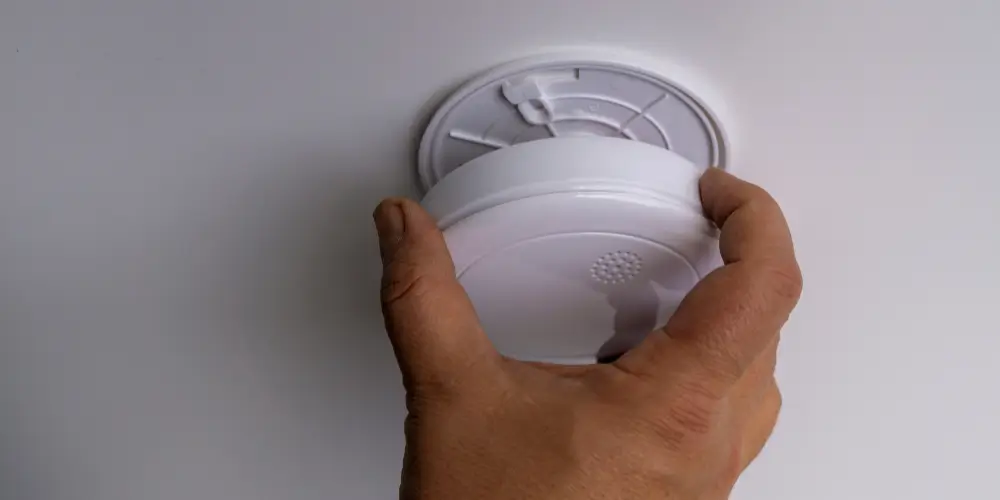
Smoke alarms should be installed on every level of the building, including the basement and near sleeping areas. It is advisable to place them on the ceiling or high on walls, as smoke rises. However, they should be at least 10 centimetres away from the corners where walls and ceilings meet to avoid dead air spaces.
For carbon monoxide detectors, positioning is also significant. These should be installed near all sleeping areas and in accordance with the manufacturer’s instructions. In homes, installing a detector on each floor guarantees thorough coverage. It is important to avoid placing carbon monoxide detectors directly next to fuel-burning appliances, as this can cause false alarms; instead, they should be at least 1.5 meters away from such sources. In commercial buildings, additional detectors may be necessary in areas like boiler rooms or where the risk of carbon monoxide exposure is higher.
Proper installation not only guarantees timely alerts in case of an emergency but also helps in the efficient functioning of these life-saving devices.
Common Causes of Carbon Monoxide Leaks in Residential and Commercial Buildings
Carbon monoxide (CO) is a colourless gas that can lead to serious health risks, including death, if not detected early. The incomplete combustion of various fuels, including gas, oil, wood, and coal, produces it. Identifying and mitigating CO sources can greatly reduce the risk of carbon monoxide poisoning.
Here are key sources of carbon monoxide in buildings:
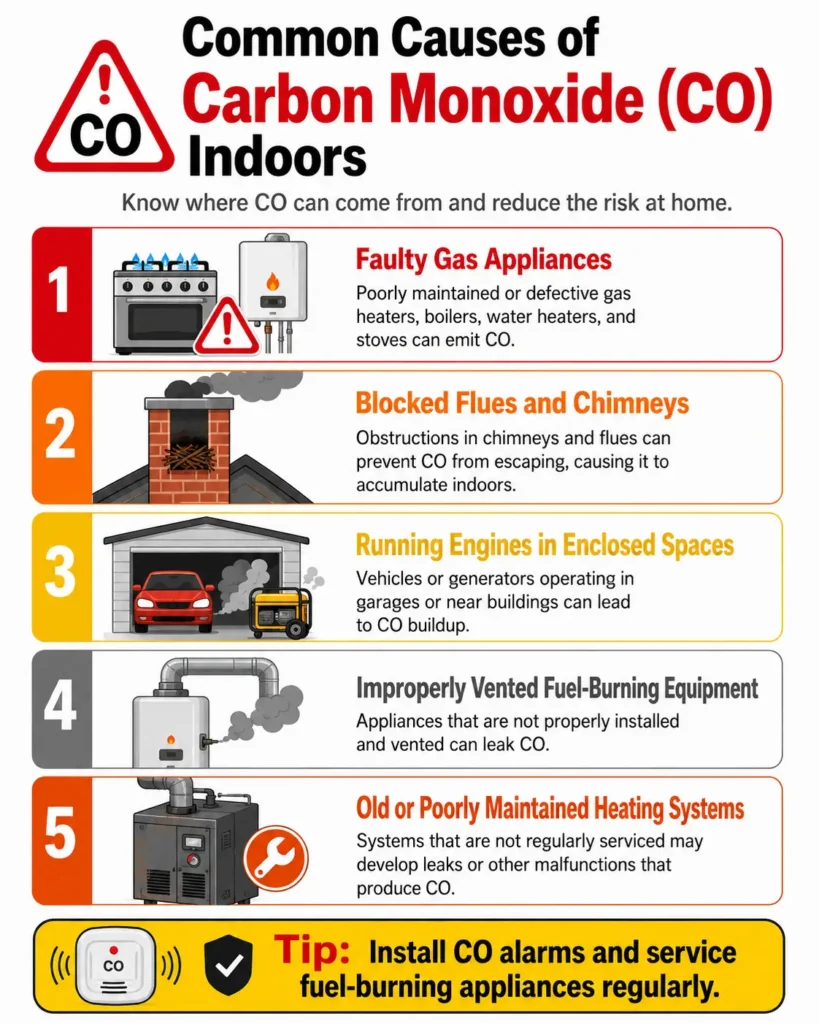
Awareness and proactive management of these risks are vital for maintaining safe environments in homes and businesses.
Professional Installation and Maintenance
Professional installation and maintenance of smoke alarms and carbon monoxide detectors greatly enhances safety within residential and commercial properties. Qualified technicians guarantee that these devices are correctly positioned to detect smoke and gas effectively, in accordance with the latest safety standards and regulations. For instance, smoke alarms are typically installed on ceilings, as smoke rises, while carbon monoxide detectors are placed at a breathing level because carbon monoxide mixes with air.
Regular maintenance is equally important. Professionals conduct periodic checks to verify that the detectors are functioning correctly and have sufficient power from batteries or the electrical system. They also clean the devices to prevent false alarms caused by dust or other particulates. This proactive approach not only extends the life of the detectors but also guarantees they are reliable in an emergency.
Failure to properly install and maintain these devices can lead to malfunction, reducing their effectiveness in preventing injury or death from fires or carbon monoxide poisoning. Thus, property owners should engage certified experts who can provide the necessary expertise to handle these critical tasks, ensuring safety is not compromised.
Frequently Asked Questions
Can Pets Trigger False Alarms on These Detectors?
Pets generally do not trigger false alarms on smoke and carbon monoxide detectors. However, large amounts of dust, steam, or other aerosols commonly caused by pet activity can occasionally result in false alarms.
Are There Interconnected Smoke and CO Detectors Available?
Yes, interconnected smoke and carbon monoxide detectors are available. These systems link multiple detectors throughout a property, ensuring that when one alarm is triggered, all connected alarms are alerted simultaneously, enhancing safety and response time.
What’s the Lifespan of a Typical Smoke or CO Detector?
The typical lifespan of a smoke or carbon monoxide (CO) detector is approximately 7 to 10 years. Manufacturers recommend replacing these devices within this timeframe to guarantee peak functionality and safety.
Do Smoke Alarms Detect Carbon Monoxide as Well?
Standard smoke alarms do not detect carbon monoxide. Specialised combination detectors are required to detect both smoke and carbon monoxide, providing comprehensive safety coverage in homes and other properties.
Can I Install a Detector Near a Bathroom or Kitchen?
Installing detectors near bathrooms or kitchens is feasible, but caution is advised due to potential false alarms from steam and cooking fumes. Placement should guarantee minimal interference while maintaining effective monitoring capabilities.
Conclusion
In summary, installing smoke alarms and carbon monoxide detectors is essential for safety in both residential and commercial properties across the UK. Adherence to regulatory guidelines guarantees the effective functioning of these devices. Regular testing, appropriate placement, and professional maintenance further enhance their reliability and performance. Ultimately, these measures greatly help prevent fire-related incidents and carbon monoxide poisoning, safeguarding the well-being of occupants and property alike.