
Steam can set off a smoke alarm when fine water droplets or vapor enter the sensing chamber and mimic smoke particles. Photoelectric alarms are especially prone because they detect scattered light, while ionisation units can be affected by changes in air conductivity. Dense steam from showers, cooking, or appliances raises the risk. Proper placement, ventilation, and dual-sensor or steam-resistant models reduce false alarms. Maintain and test detectors regularly; see the guide for practical placement, prevention, and replacement.
Key Takeaways
- Yes dense steam can trigger smoke alarms by scattering light in photoelectric sensors or altering ionization detector currents.
- Photoelectric detectors are most likely to false-alarm from steam; ionization units can also be affected.
- Keep detectors away from showers, kitchens, humidifiers, and dryers, following recommended distance and ceiling placement.
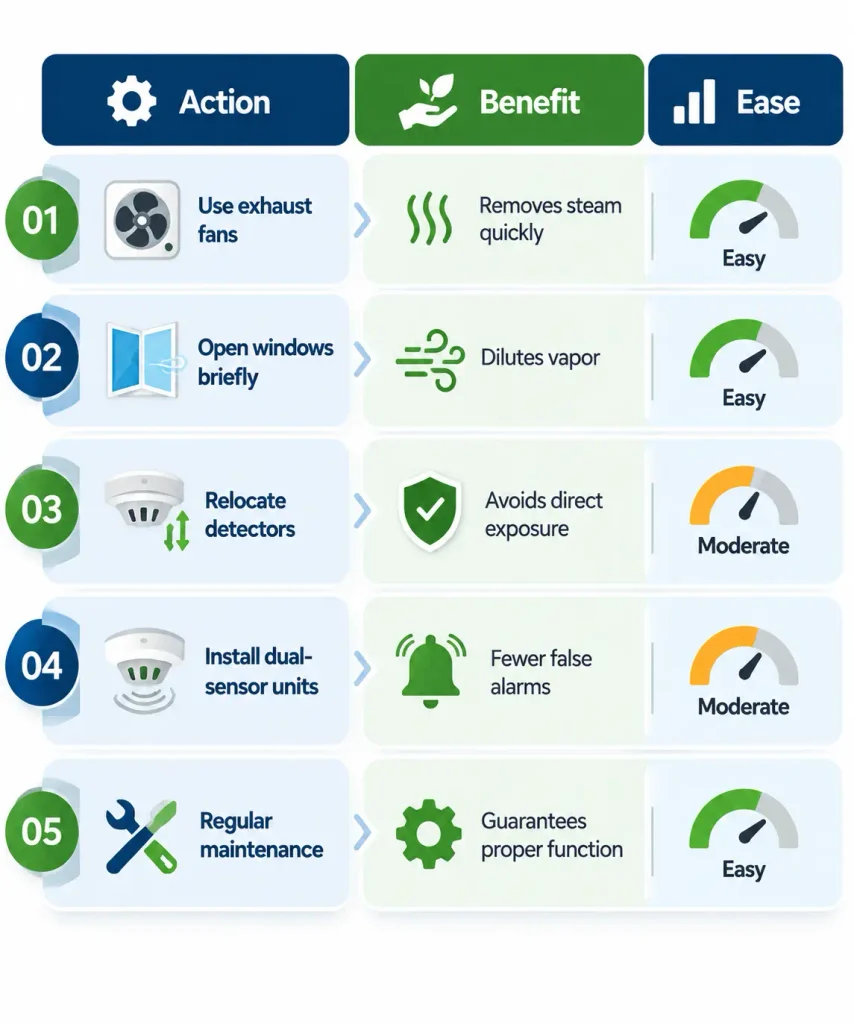
- Use exhaust fans, open windows briefly, or relocate alarms to reduce steam exposure and nuisance activations.
- Install dual-sensor or steam-resistant alarms and perform regular maintenance and placement reviews after renovations.
Table of Contents
Can Steam Actually Set Off a Smoke Alarm?
Can steam actually trigger a smoke alarm? Observers note that steam can indeed set off many smoke alarms under certain conditions. Steam consists of tiny water droplets that can scatter or obscure the light paths inside optical (photoelectric) detectors and can also alter the conductivity or ion flow in ionisation types. When steam density is high enough, close, sustained, and laden with particulate matter from cooking or showers, detectors may interpret the disturbance as smoke and initiate an alarm.
Placement matters: alarms installed near bathrooms or kitchens without adequate ventilation face elevated false-alarm risk. Practical mitigations include ensuring proper ventilation, using alarms with steam-resistant features, and situating detectors at recommended distances from common steam sources. Manufacturers and safety professionals emphasise balancing false-alarm prevention with uncompromised detection capability for real hazards. The guidance appeals to those valuing autonomy over their environment while preserving essential safety.
How Ionisation vs. Photoelectric Detectors React to Steam
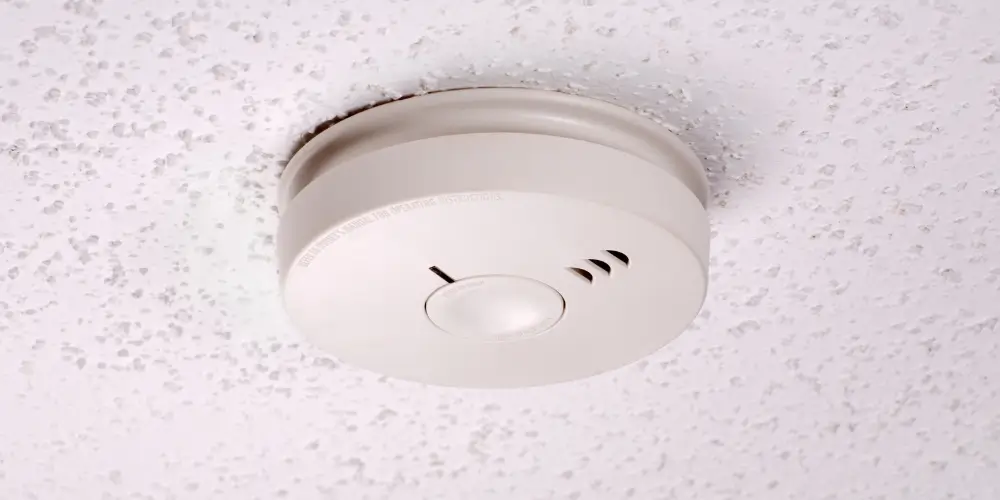
Although both ionisation and photoelectric smoke alarms are designed to detect combustion byproducts, they respond to steam in different ways because of distinct sensing mechanisms. Ionisation detectors use a small radioactive source to ionise air; large steam droplets can alter conductivity briefly, sometimes causing false alarms if condensation is heavy. Photoelectric detectors use a light beam and sensor; steam scatters light, which can mimic smoke particles and trigger an alarm more readily in certain conditions. Sensitivity depends on droplet size, humidity level, and detector design.
- Ionization: reacts to changes in ion current, less sensitive to large droplets but can false-alarm with dense condensation.
- Photoelectric: detects light scatter, often more prone to steam-induced triggers.
- Environmental factors: temperature and airflow affect droplet persistence.
- Detector age and contamination increase susceptibility.
- Practical impact: choose awareness and placement to reduce unwanted activations.
Where to Install Smoke Alarms to Avoid Steam Triggers
Where is the best place to mount smoke alarms to minimise steam-triggered false alerts? Position smoke alarms to balance early warning with practical freedom from nuisance activations. Install detectors on ceilings in central areas away from bathrooms, kitchens, laundry rooms, and other steam sources. When hallway placement is necessary, mount units toward the opposite end from steam-producing rooms and keep doors closed to limit vapor travel.
Maintain the manufacturer’s recommended distances, typically several feet from ceiling-to-wall junctions near bathrooms and, when possible, at least 3 6 meters from ovens or dishwashers. Consider photoelectric alarms in circulation zones for greater steam tolerance, and use interconnected systems so fewer units provide broad coverage. Avoid locating alarms directly above showers, bathtubs, or humidifiers and steer clear of HVAC vents that carry moisture between rooms. Periodic inspection and sensible placement help occupants stay safe without sacrificing autonomy or enduring frequent false alarms. Check out Why Every Property in the UK Needs a Smoke Alarm and Carbon Monoxide Detector.
Common Home Situations That Trigger Alarms (Showers, Cooking, Dishwashers)
Everyday household activities like showers, stovetop cooking, and running dishwashers commonly produce steam or small particulates that can trigger smoke alarms if detectors are placed too close or are of a sensitive type. Routine situations often mistaken for smoke hazards include dense shower steam drifting into a hallway, boiling pots releasing fine oil mist, and dishwashers venting hot humid air during drying cycles. Toasting bread and pan-frying can send tiny particles into the air long after heat is removed. Laundry steam from dryers or steam irons occasionally reaches ceiling-mounted detectors. These scenarios explain why alarms sometimes sound despite no fire, affecting those who value independence and control over their living space.
- Steamy bathrooms with inadequate ventilation
- Boiling water and simmering sauces on the stove
- Frying or toasting that produces oil smoke
- Dishwashers releasing hot, moist air
- Dryers or irons creating transient steam
Simple Steps to Prevent Steam From Tripping Your Alarm
When steam is the culprit behind false alarms, simple, deliberate adjustments to ventilation, detector placement, and household habits can largely prevent nuisance activations. The homeowner can prioritise airflow use exhaust fans, open windows briefly, and run range hoods while cooking. Relocating detectors away from bathrooms and kitchens, or installing heat-sensitive or dual-sensor units in problematic spots, reduces sensitivity to benign vapor. Routine maintenance wiping sensors gently and replacing units older than manufacturer recommendations keeps detection reliable. Encourage household members to time showers and heavy cooking when ventilation is active and to close doors to confine steam. These steps preserve safety without imposing undue limits on daily life.
Alarm After a Shower or Cooking: Immediate Steps to Take
Check the detector and room conditions immediately: verify whether the alarm is sounding due to lingering steam or an actual smoke/heat event by looking for visible vapor, burning odors, or signs of fire, and by feeling nearby smoke detector housings for warmth. If no fire indicators exist, silence the alarm per its manual and ventilate the area open windows, run fans, and exhaust the bathroom or kitchen to disperse steam. Maintain clear egress and avoid disabling detectors permanently.
- Confirm the presence or absence of smoke, heat, or unusual smells before assuming steam.
- Use ventilation to clear vapor quickly and allow the detector to return to normal.
- Temporarily silence alarms only with knowledge of the device’s hush function and return them to active status.
- If the alarm persists with no source, inspect for persistent heat or electrical issues and consider professional evaluation.
- Document the event and note conditions to inform future placement or usage choices.
These steps preserve safety and freedom to act without compromising fire protection.
When Repeated False Alarms Mean Replace the Detector
If false alarms recur despite proper ventilation, correct placement, and routine maintenance, the detector itself may be failing or no longer suitable for the environment. Repeated nuisance activations signal that sensors, circuitry, or firmware could be degraded; age and exposure to humidity, dust, or residue shorten reliable operation. A freedom-minded occupant values control: persistent false triggers undermine confidence and justify replacement rather than endless troubleshooting.
Assessment steps include checking the manufacture date, error indicators, and any history of tampering or power issues. If the unit is beyond its recommended service life or displays intermittent behavior not corrected by cleaning and repositioning, replacement restores predictable performance. Swapping a problematic alarm removes distraction, preserves safety, and prevents desensitisation to real alerts. Documentation of false events helps if warranty or professional inspection is pursued. Ultimately, replacing a recurrently unreliable detector is a pragmatic step to maintain both safety and the autonomy to trust one’s environment. Explore Why Is My Fire Alarm Beeping? Common Causes and How to Fix Them
Best Alarm Types and Installation Tips to Reduce Steam Problems
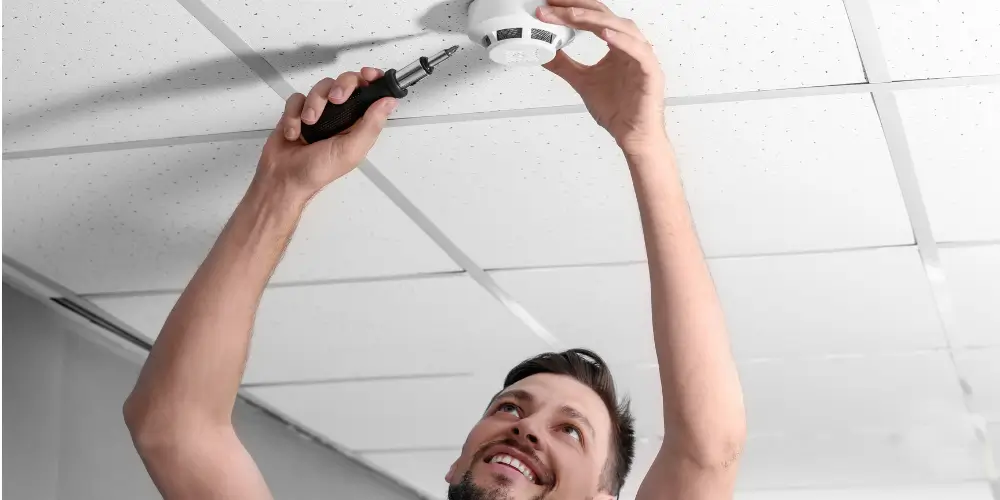
Having decided replacement is necessary for a repeatedly unreliable detector, attention shifts to selecting alarm types and placement strategies that minimise steam-triggered nuisance activations. Preference goes to photoelectric or dual-sensor alarms, which detect smoldering smoke without overreacting to large steam droplets. Ionisation units are avoided near bathrooms and kitchens. Addressable systems with sensitivity adjustment allow calibration that respects occupant autonomy while maintaining safety.
Recommended installation tips balance protection and freedom:
- Place alarms outside sleeping areas and at least 10 feet from showers, tubs, and cooking appliances.
- Use photoelectric or dual-sensor models with adjustable sensitivity or smart algorithms.
- Install heat or rate-of-rise detectors in high-humidity zones where smoke sensing is unreliable.
- Ensure proper ventilation and exhaust fans to reduce steam accumulation near detectors.
- Test and maintain detectors regularly, updating placement after layout or HVAC changes.
These measures reduce false alarms, preserve trust in the system, and support independent living without sacrificing safety. More over, everyone must know How Often Should You Check Fire Alarms to Keep Your Home Safe.
Frequently Asked Questions
Can Steam Damage a Smoke Alarm Internally Over Time?
Yes. He notes that repeated steam exposure can corrode sensors, cause short circuits, and contaminate optics in smoke alarms over time, degrading performance; periodic inspection, proper ventilation, and relocation help maintain reliable detection.
Can Humidifiers Trigger Smoke Alarms Like Steam Does?
Yes. A humidifier can trigger a smoke alarm if it emits visible mist near optical sensors; the person advocating autonomy should place devices thoughtfully, keep distance from alarms, and vent rooms to avoid false activations.
Do Smart Alarms Send False Alarm Notifications From Steam?
Yes. They sometimes send false alarm notifications from steam when optical sensors detect dense vapor. The user can adjust sensitivity, relocate detectors, or enable smart alarm zoning and algorithms to reduce nuisance alerts while preserving autonomous safety.
Will Opening Windows After Showering Reset an Alarm Faster?
Yes. Opening windows after showering generally resets a steam-triggered alarm faster by ventilating humid air, lowering particle density, and dispersing vapor; the occupant benefits from quicker clearance but should still confirm sensors are fully reset and dry.
Can Steam Set off Carbon Monoxide Detectors?
Yes. Steam can sometimes trigger carbon monoxide detectors, especially older or faulty models; condensation or particulates may interfere with sensors, prompting false alarms. People who prefer autonomy should ventilate and inspect detectors regularly to ensure reliable operation.
Conclusion
Steam can trigger some smoke alarms, particularly photoelectric and ionisation types, when water vapor condenses into particles resembling smoke. Proper placement—away from bathrooms, kitchens, and direct steam paths and choosing the right detector type reduce false alarms. Simple fixes include improving ventilation, using exhaust fans, and relocating or replacing persistently sensitive units. If false alarms continue despite preventive steps, consider replacing the detector with a steam-resistant model or moving it to a more suitable location.