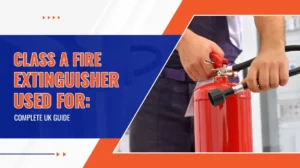

Understanding what a Class A fire extinguisher is used for is essential for choosing the correct firefighting equipment in homes, workplaces and commercial buildings. Different fires involve different materials, and using the wrong type of extinguisher can increase the danger rather than control the situation.
A Class A fire involves ordinary combustible materials that leave an ash residue after burning. These materials are commonly found in everyday environments and include wood, paper, cardboard, textiles and many types of plastic. Class A fire extinguishers are specifically designed to tackle these fires by cooling the burning material and reducing the temperature below the point where combustion can continue.
In the UK, Class A fire risks are among the most common hazards identified during fire risk assessments. Offices, schools, shops, warehouses, residential properties and industrial premises often contain materials that can create a Class A fire risk.
Knowing the correct extinguisher type, understanding the fire classification and ensuring suitable equipment is available are important parts of effective fire safety management.
What Is a Class A Fire?
A Class A fire is a fire involving ordinary combustible solid materials. These materials usually burn by forming glowing embers and leave behind ash when they are consumed.
Common examples of Class A fire materials include:
- Wood
- Paper
- Cardboard
- Fabrics
- Clothing
- Furniture
- Rubber
- Certain plastics
These materials are widely present in homes, offices, schools, warehouses and commercial premises, which is why Class A fires are one of the most frequently encountered fire types.
Unlike liquid or gas fires, Class A fires involve solid materials that require cooling to prevent reignition. The most common approach is to remove heat from the burning material using a suitable extinguishing agent.
What Is a Class A Fire Extinguisher Used For?
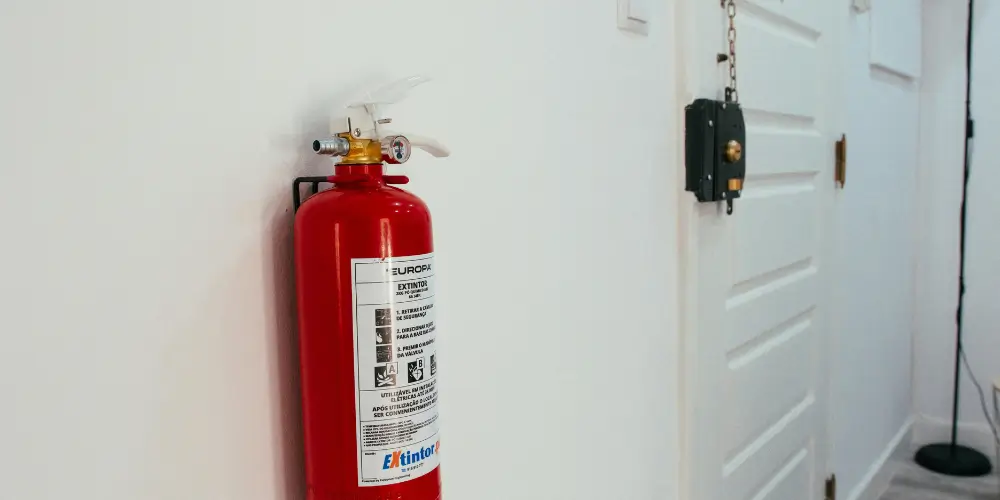
A Class A fire extinguisher is used for fires involving ordinary combustible materials such as wood, paper, cardboard and textiles. These extinguishers are designed to reduce heat and stop the burning process.
The main purpose of a Class A extinguisher is to cool the fuel source. When heat is removed from the burning material, the fire becomes less likely to continue spreading.
Typical locations where Class A extinguishers may be required include:
- Residential properties
- Offices
- Schools and colleges
- Retail premises
- Warehouses
- Hotels
- Workshops
- Storage areas
The exact type and number of extinguishers required depends on the fire risks identified during a suitable fire risk assessment.
Which Fire Extinguishers Are Suitable for Class A Fires?
Several types of extinguishers can be suitable for Class A fires depending on their rating and approval.
Water Fire Extinguishers
Water extinguishers are one of the most common options for Class A fires. They work by absorbing heat from burning materials and lowering the temperature.
Water extinguishers are suitable for materials such as:
- Wood
- Paper
- Cardboard
- Fabrics
They are commonly found in environments where combustible solid materials are the main fire risk.
However, water extinguishers must not be used on electrical fires, flammable liquids or cooking oil fires because they can create additional hazards.
Foam Fire Extinguishers
Foam extinguishers can also be suitable for Class A fires. They combine cooling action with the ability to create a protective layer over some burning materials.
Foam extinguishers are often selected where both Class A materials and certain flammable liquid risks may be present.
For example, a workshop may have a mixture of paper, packaging materials and flammable liquids. A foam extinguisher may provide broader protection than a basic water extinguisher depending on the risk assessment.
Dry Powder Fire Extinguishers
Dry powder extinguishers can be suitable for some Class A fires, depending on the extinguisher specification.
Powder extinguishers can suppress flames quickly and may be used where multiple fire risks exist. However, they create a significant amount of powder discharge, which can reduce visibility and contaminate equipment.
For this reason, dry powder extinguishers are not normally the preferred choice inside enclosed areas such as offices or residential buildings unless there is a specific reason for their use.
What Materials Are Class A Fire Extinguishers Not Used For?
A Class A extinguisher should not be used for every type of fire. Different fire classifications require different extinguishing methods.
Class A extinguishers should not normally be used for:
Flammable Liquid Fires
Fires involving petrol, diesel, solvents and some oils are classified as Class B fires. Water can spread burning liquids and make the situation worse. Check out What Fire Extinguisher for Flammable Liquids.
Flammable Gas Fires
Fires involving gases such as propane or butane require appropriate firefighting methods. The priority is usually to isolate the fuel supply if it can be done safely.
Cooking Oil Fires
Deep fat fryer and cooking oil fires are Class F fires. Water must never be used because it can cause a dangerous reaction and spread burning oil.
Electrical Equipment Fires
Electrical equipment fires require careful selection of extinguishing equipment. Carbon dioxide extinguishers are commonly used because they do not leave residue and are suitable for many electrical applications.
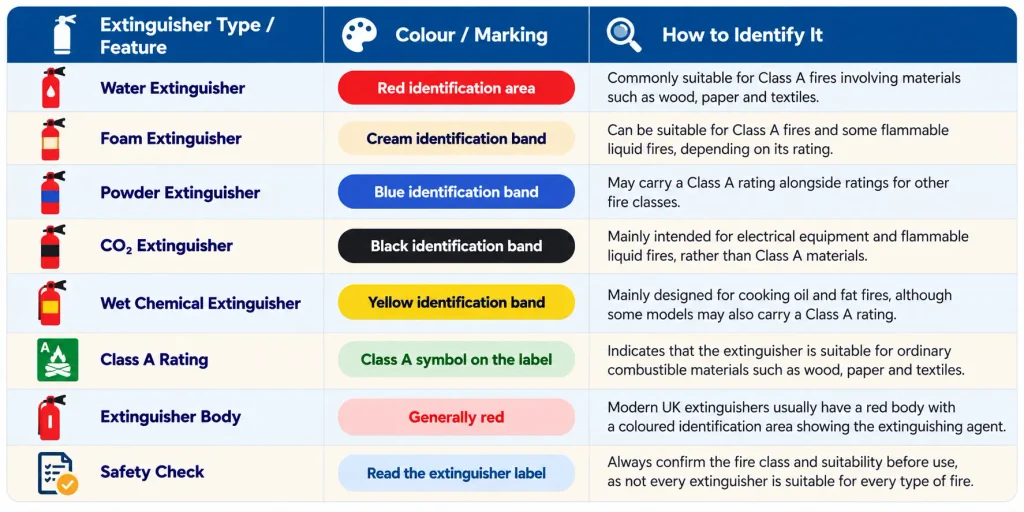
How Do You Identify a Each Fire Extinguisher?
Fire extinguishers in the UK are identified by their type, colour coding and fire rating. Understanding how fire extinguisher colour codes identify different extinguishing agents can help you distinguish between water, foam, powder, CO₂ and wet chemical extinguishers.
Why Are Class A Fire Extinguishers Important in Buildings?
Class A fire risks exist in almost every type of property because ordinary combustible materials are present almost everywhere.
In an office, paper documents, furniture and carpets can contribute to a Class A fire. In a warehouse, packaging materials and stored products may create significant combustible loads. In homes, furniture, curtains and household items can fuel a fire.
Having suitable Class A fire extinguishers available helps provide an early response before a small fire develops into a larger emergency.
However, extinguishers are only one part of fire safety. Effective fire protection also requires:
- Fire risk assessments
- Emergency escape routes
- Fire detection systems
- Staff awareness
- Regular extinguisher maintenance
- Suitable fire safety training
How Often Should Class A Fire Extinguishers Be Checked?
Fire extinguishers should be inspected regularly to ensure they remain ready for use.
Routine visual checks should confirm that:
- The extinguisher is in the correct location
- Access is not blocked
- Instructions are visible
- There is no obvious damage
- Safety seals remain intact
- Pressure indicators are within the correct range where applicable
A competent person should carry out regular servicing in accordance with relevant standards and manufacturer guidance.
Under UK fire safety duties, responsible persons must ensure firefighting equipment remains maintained and available when required.
Common Mistakes When Using Class A Fire Extinguishers
One of the most common mistakes is assuming that one extinguisher can handle every type of fire. Different extinguishing agents are designed for different hazards.
Other common mistakes include:
- Using water on electrical equipment
- Using water on burning oil
- Blocking extinguisher access points
- Failing to service extinguishers
- Removing extinguishers from designated locations
- Not training staff on basic extinguisher use
Understanding fire classifications helps reduce these risks. Knowing when and how to use a fire extinguisher safely can help prevent common mistakes, including choosing the wrong extinguishing agent or attempting to tackle an unsafe fire.
Frequently Asked Questions
What is a Class A fire extinguisher used for?
A Class A fire extinguisher is used for fires involving ordinary combustible solid materials such as wood, paper, cardboard, textiles and some plastics.
Which extinguisher is best for a Class A fire?
Water extinguishers are commonly used for Class A fires because they cool burning materials effectively. Foam extinguishers may also be suitable depending on the risks present.
Can a Class A extinguisher be used on electrical fires?
No. Standard Class A water extinguishers should not be used on live electrical equipment because they can create a risk of electric shock.
What colour is a Class A fire extinguisher?
Class A does not represent a specific extinguisher colour. The extinguisher colour depends on the extinguishing agent. For example, water extinguishers have a red identification area and foam extinguishers have a cream identification area.
Can powder extinguishers put out Class A fires?
Some dry powder extinguishers are suitable for Class A fires. However, they may not be the preferred option in enclosed spaces because powder discharge can reduce visibility and create contamination.
Conclusion
Understanding class A fire extinguisher used for helps property owners, employers and responsible persons choose the correct firefighting equipment for common combustible material fires. Class A extinguishers are designed for fires involving materials such as wood, paper, cardboard, textiles and similar solid combustibles. Water, foam and some dry powder extinguishers may be suitable depending on the specific fire rating and risk assessment. Although Class A fires are common, they should not be treated as simple hazards. Correct extinguisher selection, regular maintenance and proper fire safety arrangements are essential to ensure protection when a fire occurs.