How Long Do Fire Extinguishers Last? Fire extinguishers in UK properties generally remain serviceable for about five to twenty years, depending on type, maintenance, and storage. Water and foam units typically last 5–10 years, CO2 about 10–15 years, powder 10–20 years, and wet chemical roughly 5–15 years. Regular visual checks, annual professional inspections, and proper storage extend the usable life. Corrosion, damage or gauges out of the green mean service or replacement. Further guidance explains legal duties, disposal and maintenance choices.
Key Takeaways
- Typical serviceable lifespan varies by type: water/foam 5–10 years, CO2 10–15 years, powder 10–20 years, wet chemical 5–15 years.
- Regular visual checks and annual professional servicing are essential to ensure reliability and reveal pressure or damage issues.
- Replace or service extinguishers showing corrosion, physical damage, leakage, or a pressure gauge outside the green zone immediately.
- Follow manufacturer dates, test labels, and expiry markings together with service records when deciding on replacement or maintenance.
- Depressurise and dispose of non-serviceable units via authorised facilities or council recycling, keeping receipts for compliance.
Table of Contents
Quick Answer: How Long Do Fire Extinguishers Last?
How long do fire extinguishers last? A concise answer: many have serviceable lifespans measured in years, not decades, but actual longevity depends on maintenance, storage, and type. In general, a routinely inspected and properly maintained extinguisher remains reliable for its manufacturer-stated period; statutory guidance and supplier recommendations frame expectations. Regular visual checks, annual professional servicing, and pressure gauge or weight verification are decisive for continued usability.
How Long Do Fire Extinguishers Last? Corrosion, physical damage, blocked discharge, or loss of pressure can render an appliance unsafe long before its nominal lifespan ends. Users in UK properties should prioritise scheduled inspections and keep records; prompt replacement follows failed tests or visible defects. Expired items, or those without a clear maintenance history, should be replaced rather than relied upon. This pragmatic approach balances safety, regulatory compliance, and cost, ensuring extinguishers function when needed.
Typical Lifespans by Extinguisher Type (Water, Foam, CO2, Powder, Wet Chemical)
Different extinguisher types have distinct service lives, determined by their construction, extinguishing agent, and susceptibility to degradation. Water and foam units, being corrosion-prone and reliant on pressure integrity, often have recommended service lives of around 5–10 years with regular maintenance; internal corrosion shortens this if neglected. CO2 cylinders, made from steel and subject to pressure cycling, can remain in service for 10–15 years, provided inspections and hydrostatic tests are performed. Dry powder extinguishers are chemically stable; with proper storage and routine checks, they commonly last 10–20 years, though nozzle blockage and moisture ingress are risks. Wet chemical appliances, designed for kitchen fires and containing corrosive agents, typically require replacement or overhaul after 5–15 years, depending on their condition and testing results. Here you can explore Types of Fire and Fire Extinguisher: What You Need to Know.
- Water: 5–10 years with upkeep
- Foam: 5–10 years with upkeep
- CO2: 10–15 years with testing
- Powder/Wet chemical: 10–20 / 5–15 years respectively
Manufacturers’ Dates, Test Labels and Expiry: What They Mean
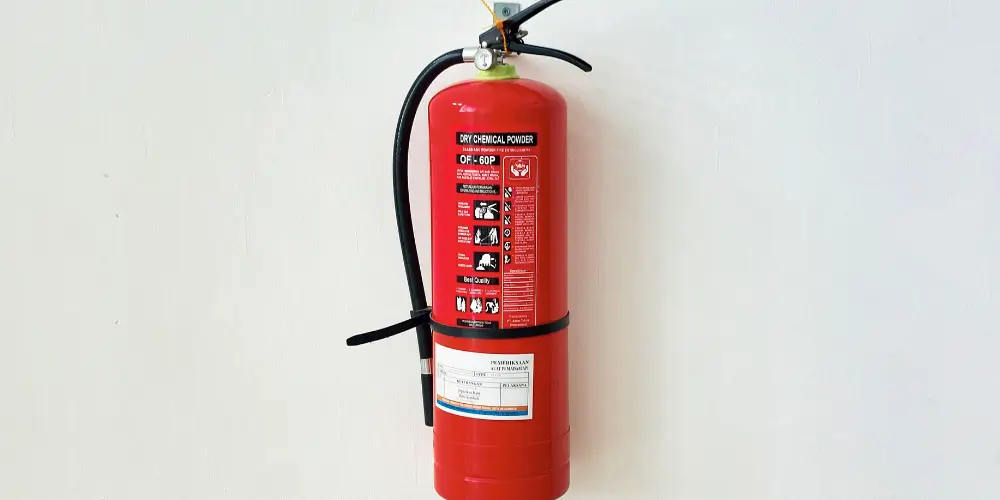
After outlining typical service lives by extinguisher type, attention turns to the markings and records that govern continued use: manufacturer dates, inspection/test labels, and any stated expiry dates. Manufacturers’ dates indicate when a unit left production; they provide a baseline for age-related guidance but are not by themselves a safety guarantee. Test labels applied after maintenance or hydrostatic testing record the date and nature of the checks, the technician’s ID, and the next due date; these form the legal inspection trail and demonstrate compliance with British Standards. Some extinguishers carry a printed “expiry” or replacement date; when present, it signals the manufacturer’s recommended end of service life, often aligned with the expected degradation of internal components.
Owners should treat all markings as complementary: the manufacture date gives age, test labels show current condition and compliance, and expiry dates offer manufacturer guidance. Decisions about continued use must reference these records alongside statutory obligations and professional advice.
How Checks and Annual Inspections Extend Lifespan
Although routine checks and annual inspections cannot halt inevitable wear, they identify issues early, thereby preserving functionality and safety. Regular visual checks catch external damage, pressure loss, blocked nozzles, and missing safety pins. Annual inspections by a competent person verify internal condition, pressure gauge accuracy, and integrity of seals and hoses, reducing the risk of unnoticed failure.
- Documented monthly checks maintain a record that trends can reveal degrading performance.
- Annual servicing includes functional tests and replacement of consumables, such as O-rings or gauges.
- Timely corrective action following inspections prevents minor faults from escalating into irreparable damage.
- Professional inspections guarantee compliance with UK standards and appropriate tagging for regulatory audits.
Together, these practices extend operational life by assuring extinguishers remain serviceable, safe, and compliant, allowing replacement to be planned rather than forced by sudden failure. For detailed guidance, read our blog post How Often Should Fire Extinguishers Be Checked for Safety.
Signs an Extinguisher Needs Servicing or Replacing
When should an extinguisher be serviced or replaced? Visible damage, such as dents, corrosion, cracked hoses, or missing safety pins, indicates immediate attention. Pressure gauge readings outside the green zone or a flattened pressure indicator mean the unit may no longer function and should be checked by a qualified technician.
Other signs include heavy rust around seams, evidence of leakage, or a discoloured or powdery residue on the valve and body. If an extinguisher has been discharged, even partially, it must be refilled or replaced. Broken or missing tamper seals and illegible labels undermine safe use and necessitate servicing.
Regular weight checks that show significant loss, unusual noises when shaken, or a stuck operating lever are practical indicators of internal faults. Where inspection tags show overdue maintenance or the unit is beyond its manufacturer-stated service interval, replacement should be considered to guarantee reliability.
What the Law Requires for Homes, Rentals and Businesses
Legal requirements for fire extinguishers vary by jurisdiction and occupancy type, but generally mandate that residential properties, rental units, and commercial buildings maintain accessible, properly rated, and regularly inspected extinguishers to guarantee occupant safety and code compliance. In the UK, duties derive from the Regulatory Reform (Fire Safety) Order 2005 for non-domestic premises and from landlord obligations under housing regulations; homeowners are encouraged to follow British Standards for best practice. Key expectations include correct extinguisher type and placement, visible signage, and documented maintenance.
- Landlords must ascertain that rental properties have appropriate fire-fighting equipment and keep it maintained.
- Businesses are required to carry out risk assessments and provide extinguishers suitable for identified risks.
- Non-domestic premises must arrange routine professional servicing and maintain records.
- Homeowners should follow guidance and consider professional advice to meet standards and ascertain safety.
Failure to comply can lead to enforcement action, liability, and increased risk to occupants.

Repair, Recharge or Replace: Cost and Decision Guide
Deciding whether to repair, recharge, or replace a fire extinguisher hinges on its age, condition, and cost-effectiveness: basic recharges and minor repairs are appropriate for recent, serviceable units, while extinguishers that are expired, corroded, physically damaged, or failed during inspection should be replaced. Typical recharge costs in the UK range from modest for handheld dry powder or CO2 models to higher for specialist agents; labour and testing add to the price. Simple repairs valve replacement, pressure gauge swap, or sealing are viable if parts are available and the cylinder passes a pressure test. Hydrostatic testing is required for many aged metal cylinders; if the test fails or repair costs approach the replacement cost, a new unit is recommended.
For commercial properties, regulatory requirements and records influence decisions: retained equipment must meet certification. Budgeting should compare service quotes with new-unit prices, factoring in warranty coverage and expected remaining service life, and ensuring the chosen option meets safety and compliance requirements.
Safe Disposal and Choosing a Maintenance Plan for Your Property
Several clear steps guide safe disposal and the selection of a maintenance plan for a property’s fire extinguishers. The process begins with identifying expired or damaged units and segregating them from serviceable equipment. Disposal must follow local hazardous waste regulations; some councils accept extinguishers at recycling centres after depressurisation, while specialist contractors offer collection and environmentally compliant processing.
Choosing a maintenance plan balances legal compliance, risk profile and budget. Routine inspections ensure operability; annual servicing and periodic hydrostatic tests are scheduled based on type and age. A formal plan documents responsibilities, frequencies and records.
- Arrange safe depressurisation and remove extinguishing agent via authorised facility.
- Confirm local disposal regulations and retain receipts for audit.
- Select a provider offering documented inspection, annual service and hydrostatic testing.
- Review contract terms, response times and certification to verify compliance with UK fire safety standards.
This approach minimises environmental impact, legal exposure and operational risk for property managers.
Frequently Asked Questions
Can I Store Extinguishers Outdoors or in Unheated Garages?
They should not be stored outdoors or in unheated garages. Exposure to freezing, heat, moisture or corrosion can damage valves, seals and pressure. Instead, they recommend sheltered, temperature-stable locations with regular visual checks and professional maintenance.
Do Extinguisher Types Affect Insurance Premiums for My Property?
They usually do not directly affect premiums; insurers focus on overall fire risk and compliance. Proper types, maintenance, and certification can reduce perceived risk, so documented appropriate extinguishers and servicing may help secure favourable insurance terms.
Are There Eco-Friendly Fire Extinguisher Options Available in the UK?
Yes, eco-friendly fire extinguishers exist in the UK. They use clean agents, water mist, or environmentally safer foams with low global warming potential. The person should verify certification, effectiveness for specific fire classes and insurance acceptance.
Can I Legally Carry a Fire Extinguisher Between Properties for Temporary Use?
They can legally transport a fire extinguisher between properties for temporary use, provided it’s their property and safely secured; however, professional premises or rental agreements may impose restrictions, so they should verify applicable regulations and insurers’ terms. Read out the blog post Who is Responsible for Using a Fire Extinguisher: Key Safety Roles Explained.
Do Shared Communal Areas Require Centrally Maintained Extinguishers?
Yes. It states that shared communal areas typically require centrally maintained extinguishers provided by the responsible person or duty holder; they should be appropriate, regularly inspected, and serviced to meet Regulatory Reform (Fire Safety) Order obligations and guarantee resident safety.
Conclusion
To conclude, How Long Do Fire Extinguishers Last? Fire extinguishers offer reliable, finite protection: typical lifespans vary by type, manufacturers’ markings and service labels clarify status, and regular checks plus annual inspections prolong usability. Recognising corrosion, pressure loss or damaged seals prompts servicing, recharge or replacement. Legal obligations differ for homes, rentals and businesses, influencing maintenance frequency. Cost, safety, and environmental considerations guide repair versus replacement and ensure proper disposal and the selection of an appropriate maintenance plan.