
In the UK, key regulations governing asbestos management include the Control of Asbestos Regulations 2012, the Health and Safety at Work Act 1974, and Asbestos Licensing Regulations. These laws require risk assessments, safe handling procedures, and specific licensing for removal contractors. Compliance is essential to protect public health and avoid significant legal penalties. Understanding these regulations is crucial for homeowners and contractors alike. Further insights on responsibilities and safety protocols can enhance awareness and compliance.
Key Takeaways
- The Control of Asbestos Regulations 2012 mandates risk assessments for asbestos exposure and safe management practices.
- The Health and Safety at Work Act 1974 emphasises the duty of care regarding hazardous substances like asbestos.
- Asbestos Licensing Regulations require specific licensing for contractors who handle asbestos removal.
- The Management of Health and Safety at Work Regulations ensures employers assess risks and implement safety measures for asbestos.
- The Construction (Design and Management) Regulations 2015 promote safety through planning and managing construction projects involving asbestos.
Table of Contents
The Importance of Understanding Asbestos Regulations
Understanding asbestos regulations is essential, particularly because the material poses significant health risks. In the UK, these regulations are designed to protect individuals from the dangers of asbestos exposure, which can lead to severe health issues, including lung cancer and mesothelioma. By grasping the nuances of these laws, individuals can make informed decisions that safeguard their well-being and that of others.
Moreover, a thorough understanding empowers people to navigate the complexities of compliance and enforcement. Whether it involves identifying asbestos in existing structures or adhering to safe removal practices, clear knowledge of regulations fosters a sense of freedom. It enables homeowners and contractors alike to take proactive measures, ensuring safer environments. Ultimately, recognising the importance of these regulations allows individuals to act confidently and responsibly, promoting health and safety in their communities while mitigating legal repercussions associated with non-compliance.
Why Understanding Asbestos Regulations for Homeowners and Contractors
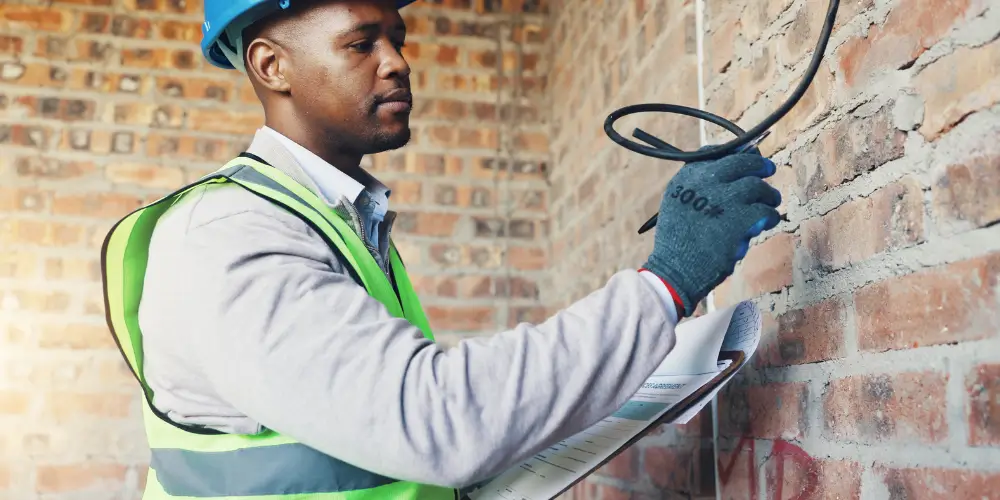
Knowledge of asbestos regulations holds particular significance for homeowners and contractors due to the potential hazards associated with asbestos-containing materials. Understanding these regulations empowers individuals to make informed decisions regarding property maintenance and renovations. For homeowners, it means safeguarding their families from the health risks linked to asbestos exposure, which can lead to serious illnesses, including lung cancer and mesothelioma. Contractors, on the other hand, must navigate these regulations to guarantee compliance and protect their workforce while avoiding hefty fines. A clear grasp of the legal requirements fosters an environment of safety, promoting responsible practices during construction or demolition projects. Additionally, proactive awareness can enhance property value, as potential buyers are likely to seek assurance that asbestos has been properly managed. Essentially, knowledge of asbestos regulations is not merely a legal obligation but a fundamental aspect of responsible property ownership and construction practices.
Key UK Asbestos Regulations You Need to Know
The Control of Asbestos Regulations 2012 provide the principal legal framework for managing asbestos risks in Great Britain. These regulations cover asbestos identification, risk assessments, exposure prevention, safe working procedures and licensing requirements for higher-risk asbestos work.
Regulation 4 establishes the duty to manage asbestos in non-domestic premises and common parts of certain residential buildings. Regulation 8 requires contractors undertaking licensable asbestos work to hold an appropriate licence granted by the Health and Safety Executive (HSE).
The Health and Safety at Work etc. Act 1974 also places general duties on employers and other relevant dutyholders to protect workers and others affected by their activities.
Understanding these requirements helps property owners, employers and contractors identify their responsibilities and prevent asbestos exposure. For further guidance, explore how the Control of Asbestos Regulations 2012 govern asbestos management.
Contractor Obligations for Asbestos Management
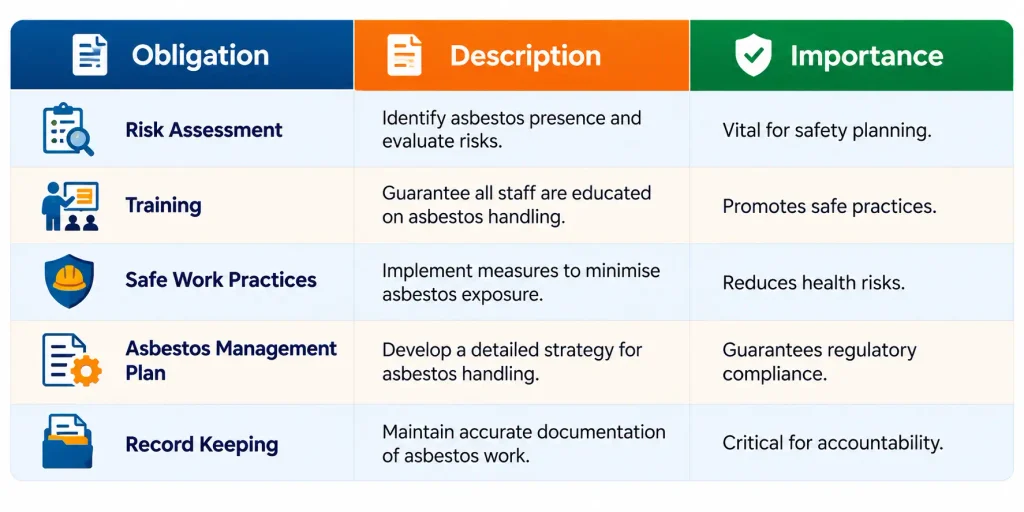
Contractors play an essential role in guaranteeing compliance with asbestos regulations during construction and renovation projects. Their obligations encompass a range of responsibilities, including conducting risk assessments, training personnel, and implementing safe work practices. Adhering to these requirements not only safeguards workers but also protects public health.
Contractors should also understand how UK asbestos regulations apply to tradespeople and self-employed workers before undertaking activities that could disturb asbestos-containing materials.
Homeowner and Property Manager Responsibilities
Homeowners and property managers should understand the risks associated with asbestos-containing materials, particularly in buildings constructed or refurbished before 2000. However, their legal responsibilities depend on the type of property and the activities undertaken.
Under Regulation 4 of the Control of Asbestos Regulations 2012, the duty to manage asbestos applies to non-domestic premises and common parts of certain residential buildings, such as communal corridors and stairways. It does not generally apply to private owner-occupied homes.
Property owners and managers who qualify as dutyholders must identify or presume asbestos, assess exposure risks, maintain appropriate records and implement an asbestos management plan. Relevant information must also be provided to contractors who may disturb asbestos during maintenance or refurbishment.
Although private homeowners do not normally have the same statutory duty to manage asbestos, they should avoid disturbing suspected materials and arrange professional assessment where necessary. Contractors carrying out work in domestic properties remain subject to applicable asbestos safety requirements.
Before arranging repairs or renovations, property owners can learn how to check for asbestos through professional surveys and testing to identify potentially hazardous materials without disturbing them.
Essential Safety Protocols for Asbestos Removal
Asbestos removal must be planned and carried out using suitable precautions to prevent exposure to airborne fibres. Before work begins, a competent person should assess the asbestos type, material condition, expected exposure and appropriate removal method.
Higher-risk asbestos work must be undertaken by an appropriately licensed contractor. Certain lower-risk activities may qualify as non-licensed work, provided the relevant legal requirements, training and safety controls are met.
Essential precautions may include suitable respiratory protective equipment (RPE), protective clothing, controlled wetting methods, restricted access, appropriate containment and safe waste disposal. The specific measures depend on the nature and risk of the work.
Air monitoring and clearance testing are required in certain circumstances, particularly during relevant licensed removal operations, but are not mandatory for every asbestos removal task.

How to Dispose of Asbestos Waste Safely
Properly disposing of asbestos waste is vital to prevent environmental contamination and protect public health. Individuals and businesses must follow specific regulations to guarantee safe disposal. First, asbestos waste should be securely packaged in heavy-duty plastic bags or containers, clearly labeled to indicate its hazardous nature. This prevents accidental exposure during transport.
Next, it is important to utilise licensed disposal sites specifically designated for hazardous materials. These facilities are equipped to handle asbestos safely, mitigating risks to both workers and the surrounding community. Additionally, notifying local authorities about the disposal process may be required, ensuring compliance with regional regulations.
Finally, individuals should maintain records of disposal, including receipts and documentation from the waste management facility. This evidence reinforces responsible handling and demonstrates commitment to safety. By adhering to these guidelines, everyone can contribute to a safer environment while exercising their freedom to manage asbestos waste responsibly.
What Happens if You Don’t Comply With Asbestos Laws?
Non-compliance with asbestos laws can lead to severe consequences for individuals and businesses alike. Violations may result in hefty fines, legal action, and even imprisonment, depending on the severity of the offense. Additionally, failure to adhere to regulations can expose workers and the public to hazardous conditions, leading to health risks and potential liability claims.
| Consequence | Description | Impact |
| Financial Penalties | Significant fines imposed by authorities | Strains business resources |
| Legal Action | Possible lawsuits from affected parties | Damages reputation and finances |
| Health Risks | Increased risk of asbestos exposure | Long-term health issues for individuals |
Resources for Asbestos Safety and Compliance in the UK
Accessing reliable resources for asbestos safety and compliance in the UK is essential for both businesses and individuals involved in construction, renovation, or maintenance projects. The Health and Safety Executive (HSE) provides thorough guidance on regulations, risk assessments, and safe management practices for asbestos. Their website offers downloadable materials, including the “Asbestos Essentials” series, which outlines practical steps for handling asbestos safely.
Local authorities also serve as valuable resources, providing specific regulations and support for compliance in various regions. Additionally, professional bodies such as the Asbestos Removal Contractors Association (ARCA) offer training programs and certifications to guarantee proper handling techniques.
Industry publications and online forums can further enhance understanding and awareness of best practices, fostering a culture of safety. Engaging with these resources enables individuals and businesses to navigate asbestos regulations confidently, promoting a safer environment for all.
Frequently Asked Questions
What Are the Health Risks Associated With Asbestos Exposure?
Asbestos exposure poses serious health risks, including lung cancer, asbestosis, and mesothelioma. These conditions often develop years after exposure, leading to significant health complications and mortality, underscoring the importance of awareness and prevention.
How Can I Identify Asbestos in My Property?
To identify asbestos in a property, one should inspect materials like insulation, ceiling tiles, and floor coverings, looking for textures resembling popcorn or corrugated patterns. Professional testing services can provide definitive identification and safety assessments.
Are There Any Exemptions to Asbestos Regulations?
Certain exemptions to asbestos regulations exist, primarily for residential properties and specific low-risk scenarios. However, these exceptions are limited, emphasising the importance of safety measures and proper management to mitigate potential health risks.
What Should I Do if I Find Asbestos?
Upon discovering asbestos, individuals should immediately avoid disturbing it, inform relevant authorities, and seek professional assistance. Engaging certified experts guarantees safe handling, minimising health risks and assuring compliance with necessary regulations for public safety.
How Often Are Asbestos Regulations Updated in the UK?
Asbestos regulations in the UK are typically reviewed and updated every few years, reflecting evolving safety standards and scientific understanding. Stakeholders monitor these changes closely to guarantee compliance and protect public health effectively.
Conclusion
In summary, traversing asbestos regulations is vital for both homeowners and contractors in the UK. Understanding these guidelines guarantees safety during renovations and property management. With defined responsibilities and stringent protocols in place, compliance not only protects individuals but also safeguards public health. Failure to adhere to these regulations can result in severe consequences. As a result, staying informed and utilising available resources is essential for effective asbestos management and safe practices.