What Fire Extinguisher for Flammable Liquids? For flammable liquid fires, use a Class B extinguisher: foam, CO2, dry‑chemical, or Purple‑K depending on fuel and setting. Water is unsafe; it can spread floating liquids and won’t stop vapor. Foam forms a vapor‑sealing blanket for spills and pools. CO2 gives clean, short‑range knockdown. Dry chemical interrupts the reaction and is suitable for a variety of fuels. Choose size and B‑rating for spill area and user capability. Continue for guidance on selection, placement, and care.
Key Takeaways
- Use Class B-rated extinguishers specifically designed for flammable liquids (gasoline, solvents, oils).
- Choose foam extinguishers for pool fires and spills to suppress vapors and prevent re-ignition.
- CO2 extinguishers provide clean, fast knockdown for liquid fires but have short range and duration.
- Dry chemical (ABC/BC) extinguishers create a barrier to stop combustion and are suitable for many hydrocarbon fires.
- Match B-rating and extinguisher size to expected spill area, user capability, and storage location.
Table of Contents
Which Extinguishers Fight Class B (Flammable Liquid) Fires?
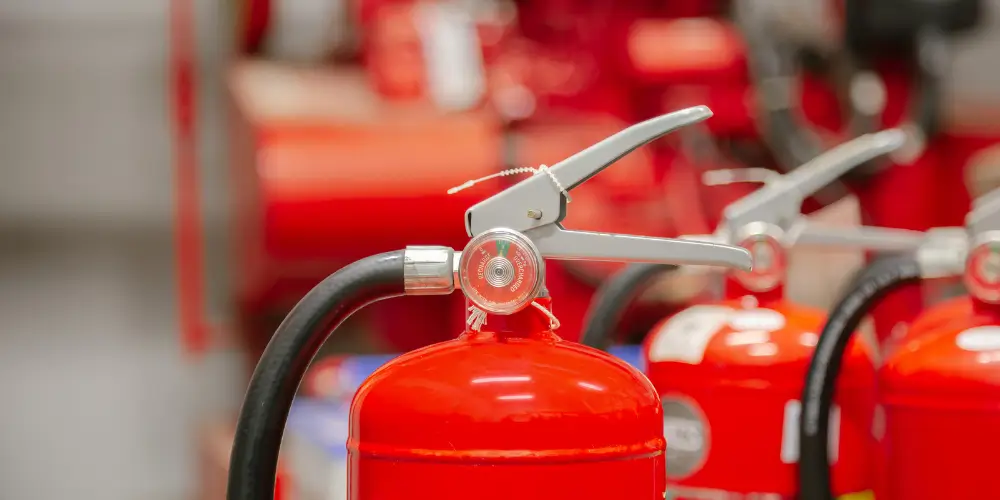
Which extinguishers handle Class B fires? The discussion notes that Class B blazes, fueled by flammable liquids and gases, require extinguishers that interrupt combustion without spreading fuel. Carbon dioxide units displace oxygen and cool, leaving minimal residue, making them suitable for confined areas and equipment. Dry chemical extinguishers, particularly monoammonium phosphate or sodium bicarbonate types, create a barrier that halts chemical reactions and provides rapid knockdown across a range of fuels. Foam extinguishers form a vapor-sealing blanket, preventing reignition on pooled liquids and are effective in outdoor and fixed storage scenarios. Purple-K agents serve high-performance industrial needs against hydrocarbon fires. Selection balances mobility, cleanup tolerance, and specific fuel characteristics; informed choice preserves property and autonomy while minimising risk of escalation.
Why Water Won’t Stop Gasoline or Solvent Fires
What Fire Extinguisher for Flammable Liquids? Because gasoline and many solvents are lighter than water and mix poorly with it, applying water to such fires often spreads the fuel and enlarges the burning area rather than extinguishing it. The liquid fuel floats, allowing flames to travel across the water surface; water may push burning liquid toward people, exits, or ignition sources. Water also cools only superficially and cannot interrupt vapor production from volatile liquids, so combustion can continue.
- Water spreads floating flammable liquids, increasing the amount of exposed fuel and the fire’s size.
- Water can push burning fuel toward occupants or escape routes, reducing safety and freedom to act.
- Water does not effectively stop vapor formation; flames may persist despite cooling attempts.
Foam Extinguishers for Class B: How They Work and When to Choose Them
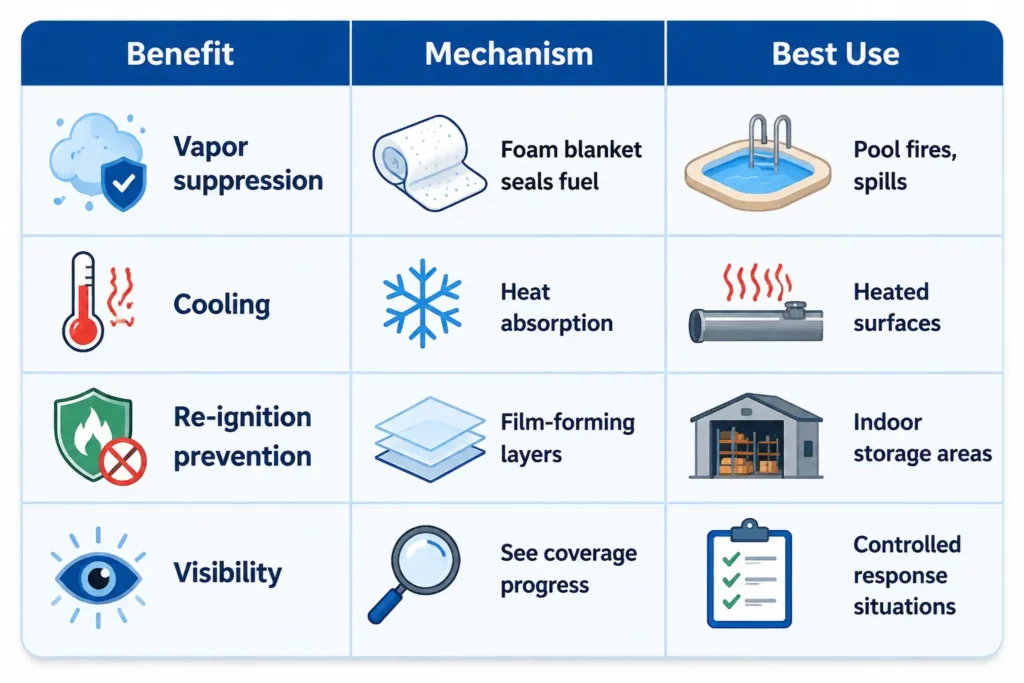
Given water’s tendency to spread and sustain burning fuels, foam extinguishers offer a more effective approach for many Class B (flammable liquid) fires. They form a vapor-sealing blanket that suppresses vapors, cools surfaces, and prevents re-ignition. Selection favors areas with fuel pools, indoor storage, and places that value rapid containment with minimal residue. Users preferring autonomy appreciate predictable discharge patterns and visible coverage. Proper training ensures safe use and the correct choice of agent for polar solvents.
CO2 Extinguishers for Flammable Liquids: Strengths and Limits
A CO2 extinguisher displaces oxygen and cools the fire plume with a gust of cold, non-conductive gas, making it effective on many Class B liquid fires where smothering and rapid knockdown are priorities. It suits environments where preserving equipment and avoiding residue are valued. Limitations include short discharge duration and reduced effectiveness on deep-seated or pooling fuels; wind can disperse the gas. Users seeking autonomy should weigh portability, recharge logistics, and proper aim.
- Advantages: clean, non-corrosive, non-conductive, minimal cleanup ideal for labs, electronics, and vehicles.
- Constraints: limited range and runtime; ineffective at reignition from fuel beneath surfaces.
- Safety: requires training; risk of asphyxiation in confined spaces; handle with gloves due to cold discharge.
Dry‑Chemical Class B Extinguishers: Pros, Cons, and Best Uses
While CO2 extinguishers offer clean, equipment-friendly suppression for many Class B fires, dry‑chemical extinguishers provide a different tradeoff: rapid knockdown and broader fuel contact at the cost of residue and potential equipment contamination. They discharge a powder that interrupts the chemical reaction, extinguishing flames quickly and tolerating windy or confined conditions. Ideal for garages, fuel storage areas, and mobile responders, they give freedom to act decisively. Downsides include cleanup burden, abrasion to sensitive components, and limited re‑usability after deployment. Maintenance is straightforward: inspect pressure, seals, and powder condition. Users valuing autonomy should weigh rapid response versus post‑use cleanup and equipment impacts.
| Advantage | Drawback |
| Fast knockdown | Powder residue |
| Broad fuel coverage | Equipment contamination |
Class B Ratings and Labels: Pick the Right Size and B‑Rating
How much extinguishing capacity is needed for a flammable‑liquid hazard depends on both the extinguisher’s B‑rating and its physical size. The B‑rating quantifies performance on liquid fires; higher numbers mean longer effective discharge and greater coverage. Size affects how long an operator can apply the agent before recharge or replacement is required. Labels list B‑rating, agent type, and service instructions; reading them guarantees compatibility with the intended hazard and legal requirements. Select an extinguisher that balances portability with sufficient B‑rating for the area to be protected.
- Match B‑rating to expected spill area and exposure risk.
- Choose a physical size for user capacity and storage constraints.
- Confirm label info: agent, rating, inspection, and certification dates.
Choosing Class B Extinguishers for Garages, Workshops, and Kitchens
Selecting the correct B‑rated extinguisher for a specific space hinges on both the rating and the size, but the demands of garages, workshops, and kitchens introduce distinct risks and practical constraints that affect the choice. For garages, larger-capacity extinguishers (higher B‑ratings) suit greater fuel volume and open layouts; mobility and mounting near exits preserve quick access. Workshops benefit from versatile agents, multipurpose foam or dry chemical balancing effectiveness on flammable liquids and electrical equipment; compact, portable units enable freedom of movement. Kitchens prioritise wet-chemical extinguishers for grease fires, though some Class B agents may be used in mixed-use areas; heat-resistant mounting and clear signage matter. Placement, ease of use, and compatibility with likely fuels guide selections while empowering occupants to act decisively. Explore the Types of Fire and Fire Extinguisher: What You Need to Know.
Storage, Inspection, and Replacement Tips to Keep Extinguishers Ready
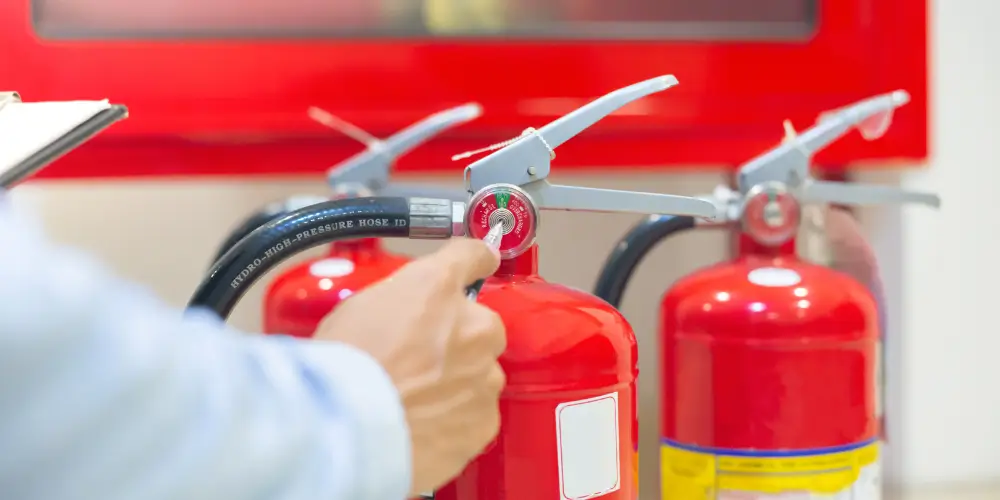
Keep extinguishers ready through proper storage, routine inspection, and timely replacement. Stored where accessible and visible, extinguishers should not be blocked or exposed to extreme heat or freezing; mounting at hip height preserves freedom of movement. Inspections verify readiness without hindering autonomy: check pressure gauge, seals, and hose monthly; record findings and act on anomalies. Replacement follows lifespan and function, not convenience replace rechargeable units after a manufacturer-specified service, disposable units after any discharge or when gauges fall outside range. Maintain clear ownership and simple procedures so individuals can act decisively. Check out How Often Should Fire Extinguishers Be Checked for Safety.
- Verify location, mounting, and unobstructed access monthly.
- Inspect gauge, tamper seal, and physical condition; log results.
- Service or replace per manufacturer intervals or after use.
Frequently Asked Questions
Can I Use a Class B Extinguisher on Electrical Fires Near Flammable Liquids?
Yes. The responder notes a Class B extinguisher can be used on electrical fires if labeled nonconductive; however, they advise prioritising a Class C or multipurpose (ABC, BC) extinguisher to safely handle energised equipment near flammable liquids.
Are There Eco‑Friendly or Low‑Toxicity Class B Extinguishing Agents?
Yes. They note biodegradable foam concentrates, aqueous film-forming fluorine-free foams (F3), and powdered agents like potassium carbonate offer lower toxicity and reduced environmental persistence, appealing to users prioritising safety, choice, and minimised ecological harm.
How Should I Dispose of an Extinguisher After It Discharges on a Solvent Fire?
They should neutralise hazards, then follow local hazardous-waste rules: rinse residue only if permitted, collect contaminated media, label and transport to a certified disposal facility, or contact municipal hazardous-waste services for safe, lawful disposal.
Can I Refill a Used Extinguisher Myself or Must a Professional Service It?
No, a person cannot legally or safely refill a used extinguisher alone; regulations and safety best practices require a certified technician to inspect, recharge, and test it, preserving freedom through reliable, compliant readiness.
Do Temperature Extremes Affect Extinguisher Performance for Flammable Liquids?
Yes. Temperature extremes degrade performance: freezing can immobilise the stored agent or damage seals; heat can increase pressure, increase the risk of rupture, or reduce shelf life. Owners seeking autonomy should monitor, protect, and replace extinguishers per manufacturer guidance.
Conclusion
What Fire Extinguisher for Flammable Liquids? Selecting the correct fire extinguisher for flammable liquid (Class B) fires is essential for safety. Foam, CO2, and dry‑chemical extinguishers each offer specific advantages and limitations: foam for vapor suppression, CO2 for clean suppression on small spills and electrical risks, and dry‑chemical for broad, rapid knockdown. Users should choose a size and B‑rating appropriate to the hazards, store and inspect devices regularly, and replace or service extinguishers per the manufacturer and code requirements to ensure readiness.