What Does a Boiler Service Include is a common question for homeowners and landlords who want to keep their heating system safe and efficient. A boiler service is a systematic inspection, cleaning, and safety check of heating appliances. An engineer confirms the boiler identity, records the make and serial number, isolates the unit, checks for hazards, inspects the burner, heat exchanger, seals, and controls, and tests flue integrity and combustion. They clean accessible components, note corrosion or leaks, verify safety devices, log findings, and recommend repairs in a dated report for warranty purposes. Continue reading for detailed steps, costs, and landlord obligations.
Key Takeaways
- Verification of engineer identity, boiler make/model/serial, and completion of a detailed service report with date and meter readings.
- Visual safety survey and isolation of the appliance, checking flue integrity, clearances, and for corrosion or leaks.
- Inspection and cleaning of internal components: heat exchanger, burner, ignition sensors, seals, and removal of soot/scale.
- Functional checks of controls and safety devices, lubrication of moving parts, and flagging items needing follow-up repairs.
- Record-keeping advice: retain reports, receipts, and photos to protect warranty, plan maintenance, and avoid emergency costs.
Table of Contents
Who This Guide Is For (Homeowners & Landlords)
Who needs this guide and why it matters: homeowners and landlords who are responsible for a property’s heating system will find practical, actionable information here. It targets individuals seeking control over maintenance decisions, budget planning, and safety without depending entirely on others. The guide assumes basic familiarity with household systems but explains key concepts so readers can assess service needs, compare quotes, and verify work.
What Does a Boiler Service Include is useful for landlords, homeowners, and anyone responsible for boiler safety and upkeep. Landlords will appreciate the sections on record-keeping, legal obligations, and reducing tenant disruption. Homeowners can gain confidence in recognising warning signs and scheduling timely checks to avoid costly failures. The tone supports independence by helping readers ask the right questions, set priorities, and choose reputable technicians. It does not require technical knowledge. Instead, it gives clear criteria for when to act and what outcomes to expect. This focused resource respects readers’ need for control while reducing uncertainty around boiler maintenance and costs.

What an Engineer Will Do During a Boiler Service (Quick Checklist)
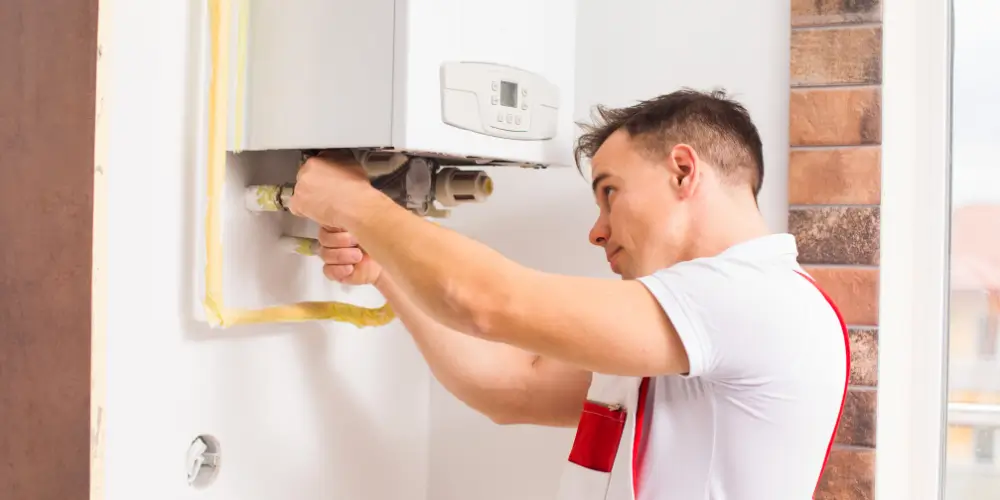
After understanding who benefits from the guide and why, readers can use this quick checklist to know what to expect when a qualified engineer arrives for a boiler service. The engineer confirms identity and paperwork, then records boiler make, model and serial number. They isolate and shut down the appliance, then purge residual pressure if needed. Accessible components are dismantled for inspection: burner, heat exchanger, ignition and flame sensors, and accessible seals. Electrical connections and controls are tested for continuity and correct operation. Fuel supply and condensate paths are checked for blockages or leaks.
What Does a Boiler Service Include usually covers key safety, performance, and condition checks. Combustion performance is measured where applicable, with gas pressure and emissions recorded. Safety devices are tested for correct function. The condensate trap and flue terminals are reviewed for integrity. Finally, the engineer reassembles components, restores system pressure, runs the boiler to confirm normal operation, and completes a service report noting findings and any recommended repairs, leaving the homeowner informed and free to choose the next steps. Here is the quick guide for How Long Does a Boiler Service Take?
Visual Checks & Basic Safety Inspections
Begin with a clear visual survey of the boiler and surrounding installation to identify obvious hazards or defects. The inspector notes corrosion, leaks, loose fittings, and clearances, confirming exits and ventilation are unobstructed. Labels, pressure gauges, and visible controls are checked for legibility and correct settings. Safety devices are verified externally; obvious soot or flame irregularities are reported without internal probing.
- Confirm flue route, termination, and integrity to guarantee safe combustion gas dispersal.
- Check for water leaks, pipe insulation condition, and appropriate condensate drainage. If you need details on water leakage, read our blog “Why Is My Boiler Leaking Water? Common Causes and Fixes”.
- Verify visible safety components: pressure relief valve position, expansion vessel access, and functioning thermostats/controls.
The approach values homeowner autonomy: clear findings, concise recommendations, and no unnecessary disruption. Any item requiring internal work or detailed combustion analysis is flagged for follow-up by a qualified engineer. Records are made so the homeowner can choose timely repairs and maintain freedom of choice in service decisions.
Internal Parts Checked and Cleaned (Heat Exchanger, Burner, Seals)
Technicians inspect and clean internal components, starting with the heat exchanger, burner assembly, and primary seals, to restore efficient combustion and prevent leaks or blockages. They remove soot and scale from the heat exchanger surfaces to improve heat transfer and reduce fuel use. The burner assembly is checked for proper alignment, flame pattern, and debris; jets or ports are cleared to ensure ignition remains reliable and output stays steady. Primary seals and gaskets are examined for wear or deformation; compromised seals are replaced to prevent fluid escape and maintain system pressure.
Moving parts receive light lubrication where specified by the manufacturer to reduce friction without restricting freedom of service access. Technicians also verify mounting points and fasteners, ensuring components remain secure after cleaning. Records note the component’s condition and any recommended replacements, empowering homeowners to make timely repairs. The approach emphasises efficient, targeted maintenance that preserves performance and extends the boiler’s usable life without unnecessary intervention.
Combustion & Flue Checks: How They Keep You Safe
Cleaning and securing internal components sets the stage for combustion and flue checks that verify safe operation and proper exhaust. The technician assesses flame quality, measures emissions, and inspects the flue path to confirm that combustion is efficient and that combustion products are vented outdoors. These checks protect occupants from carbon monoxide and guarantee the boiler breathes and exhausts as designed.
- Verify flame stability and correct burner adjustment to reduce dangerous byproducts.
- Inspect flue integrity, joints, and termination to prevent leaks and backflow.
- Measure combustion gases and draft to confirm safe exhaust and compliance.
Results are documented, and issues that could compromise safety prompt immediate remediation or shutdown until resolved. The approach balances thoroughness with homeowner autonomy: clear findings, options for repair, and emphasis on maintaining unobstructed flues and vents. This preserves freedom to choose timely repairs while prioritising a residence that remains safe and breathable.
Pipework, Valves and Controls: Tests and Why They Matter
While visual inspection confirms intact joints and proper support, functional tests of pipework, valves and controls determine whether a heating system will respond safely and reliably under real conditions. Technicians check for correct flow, pressure stability and responsiveness by operating zone valves, thermostatic radiator valves and the diverter or motorised valve under load. Pump performance and bypass arrangements are tested to confirm adequate circulation and to avoid deadlegs or overheating. It is essential to understand What Should A Boiler Pressure Be: Understanding Optimal Boiler Pressure Levels.
Safety and pressure relief valves are exercised to verify they open and reseat at specified thresholds without leakage. Control interlocks, timers, room and cylinder thermostats are validated to ensure sequencing, setback functions, and frost protection operate as intended. Leak detection focuses on fittings and expansion vessels under pressure. Results guide targeted repairs or adjustments that preserve system efficiency and homeowner autonomy over comfort and energy use. Clear findings let owners choose when and how to intervene, avoiding surprise failures and unnecessary constraints.
Reading Your Service Report and Warranty Implications
When the service report arrives, it translates the technician’s findings into a clear record of what was inspected, what failed or was adjusted, and what actions are recommended to maintain warranty coverage. The document becomes the homeowner’s proof of care: dates, meter readings, parts replaced, and any notes about unsafe conditions. Clear, prompt attention to listed recommendations preserves eligibility and avoids voiding clauses tied to neglected maintenance.
- Verify that the service date, engineer ID, and serial number match the warranty paperwork.
- Note required follow-up actions, approved parts, and any conditional exclusions specified by the manufacturer.
- Retain the report alongside receipts and photos as evidence of routine maintenance.
A concise review of the report empowers owners to act freely either scheduling approved repairs or querying ambiguous entries. If discrepancies appear, contacting the service provider or warranty administrator quickly protects rights. Accurate record-keeping sustains both reliable performance and the freedom to choose future repairs.
How Much a Boiler Service Costs and When to Call an Engineer
Cost is influenced by factors such as boiler type, age, location, and whether the visit is a routine annual check or an emergency call‑out; a standard service typically ranges from a modest fixed fee for modern combi boilers to higher rates for older or system boilers that require more time or parts. Typical annual service fees fall within a clear band, while call‑outs outside normal hours or diagnostic and replacement work incur additional charges. Check more details on the Cost of a Boiler Service With British Gas.
Homeowners seeking autonomy benefit from comparing quotes, checking qualifications, and choosing planned maintenance to avoid the high costs of emergency repairs. Indicators that warrant contacting an engineer include loss of heat or hot water, unusual noises, visible leaks, gas smell, or safety shutdowns. Small issues can be monitored, but persistent faults, safety concerns, or warranty‑critical defects require immediate professional attention. Keeping records of services and agreed-upon prices preserves options and reduces unexpected costs, allowing residents to maintain control over safety and spending.
Frequently Asked Questions
Can I Service My Boiler Myself to Save Money?
He can perform simple checks and maintenance to save money, but major servicing, safety tests, and certifications require a qualified engineer; risking penalties, voided warranties, or danger undermines true independence and freedom.
Will a Service Improve My Boiler’s Energy Efficiency?
Yes. A professional service often improves boiler efficiency by cleaning, adjusting controls, and replacing worn parts. It frees the homeowner from guesswork, potentially lowering fuel use and bills, though gains depend on existing condition and age.
How Long Does a Typical Boiler Service Appointment Take?
A typical boiler service appointment takes about 45 to 60 minutes, though more thorough inspections or repairs can extend it. The homeowner expects timely, efficient work that respects their freedom to control scheduling and costs.
Do Boiler Services Cover Powerflushing Radiators?
No, boiler services typically exclude powerflushing radiators; the technician clarifies that powerflushing is an optional, separate service often recommended for heavily sludged systems, allowing the homeowner freedom to schedule and authorise that additional work.
Can a Service Detect Carbon Monoxide Leaks at Home?
Yes. A competent service can detect carbon monoxide leaks by inspecting flues, ventilation, seals and combustion, and by using calibrated CO detectors. Homeowners retain autonomy by requesting thorough testing and documented results to guarantee safety and compliance.
Conclusion
A boiler service gives homeowners and landlords reassurance that heating systems are safe, efficient and reliable. A qualified engineer performs visual inspections, internal cleaning, combustion and flue checks, and tests pipework, valves and controls, recording findings on a service report that can affect warranties. Regular annual servicing reduces the risk of breakdowns, preserves efficiency, and meets safety requirements; call a Gas Safe–registered engineer promptly if there are unusual noises, smells, leaks, or performance issues.