A fire alarm system keeps going off could be due to several factors, such as low battery power, improper installation, dust accumulation, or faulty sensors. These triggers are often exacerbated by environmental factors such as high humidity or extreme temperatures, which affect sensor functionality. Implementing regular maintenance checks, timely cleaning, ensuring correct installation, and updating outdated systems can considerably reduce these occurrences. Professional help is often essential for diagnosing persistent issues.
Key Takeaways
- Low battery or power issues often cause false alarms; check and replace batteries or inspect power connections regularly.
- Dust and debris can obstruct sensors, leading to false alarms; clean detectors regularly using a soft brush.
- Environmental factors like high humidity or extreme temperatures can trigger false alarms; ensure detectors are installed in suitable locations.
- Faulty or aged sensors and wiring issues can result in frequent false alarms; schedule regular professional maintenance and replacements.
- Upgrade to modern fire alarm systems with smart technology to reduce false alarms and enhance fire detection accuracy.
Table of Contents
Low Battery or Power Issues: A Common Cause of False Fire Alarms
In many residential and commercial settings, fire alarm systems are designed to alert users to low battery conditions with distinct warning sounds or visual indicators. However, these signals are sometimes misunderstood or ignored by occupants.
Power issues can stem from several sources, including aging batteries, poor maintenance, or faulty installation. In hardwired systems, power failures in the building’s electrical system can also lead to false alarms. Such interruptions may not only trigger the alarm but can potentially reset the system settings, leading to further complications.
To prevent false alarms related to power and battery issues, it is essential to check and replace batteries as recommended by the manufacturer regularly.
How Dust and Debris Can Interfere With Your Fire Alarm System
Accumulated particles can obstruct smoke detectors and heat sensors, leading to false alarms or, worse, a failure to activate during a real fire. This interference generally occurs as dust covers the sensor chambers, mimicking the smoke particles that these devices are designed to detect.
To address this issue, regular maintenance is essential. Cleaning the detectors as part of routine property upkeep helps prevent the buildup of dust and small debris. It’s recommended to use a soft-bristled brush attachment on a vacuum to gently remove dust from the exterior casings and, if possible, from the internal sensor chamber without opening the device. For more thorough cleaning, it may be necessary to consult the manufacturer’s guidelines or seek professional assistance to avoid damaging the sensitive components.
Moreover, in environments prone to heavy dust or debris, such as construction sites or industrial areas, more frequent checks and cleaning may be required. Implementing air purifiers or improving ventilation can also reduce the amount of airborne particles that might compromise fire alarm systems.
Faulty Fire Alarm Sensors That Lead to Unnecessary Activations
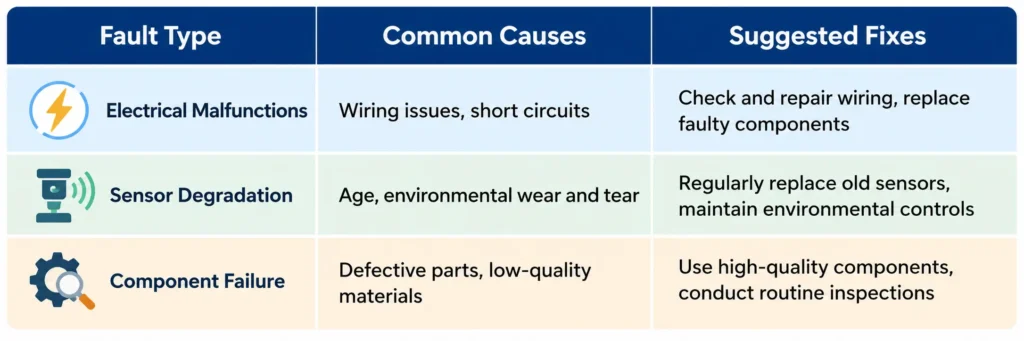
Experiencing frequent false alarms, many property owners discover that faulty fire alarm sensors are often to blame. The integrity of sensors can be compromised by factors such as age, manufacturing defects, or improper maintenance, leading to erroneous signals transmitted to the fire alarm system. This not only creates unnecessary panic but also undermines the trust in the system’s reliability.
To manage and prevent these issues, it’s essential to understand common sensor faults. Here’s a detailed breakdown:
High Humidity and Temperature: Environmental Factors Affecting Fire Alarms
High humidity and temperature greatly impact the performance of fire alarm systems. High humidity levels, particularly, can cause condensation on the sensitive electronic components of fire alarm devices, such as smoke detectors. This moisture can cause short circuits or circuit corrosion, simulating electrical signals indicative of a fire and triggering alarms without actual smoke or fire.
Similarly, extreme temperatures can affect fire alarm components. High temperatures may alter the physical properties of electronic parts within the detectors, leading to malfunction. For instance, thermal expansion can cause fit issues or break contacts necessary for the proper operation of the system. On the flip side, very low temperatures can make electronic components brittle and more susceptible to damage during routine use or maintenance.
Install the fire alarm systems in environments where humidity and temperature levels are controlled, or use devices specifically designed to withstand such extremes.
Electrical Malfunctions in Fire Alarm Systems
In addition to environmental factors such as humidity and temperature, electrical malfunctions pose another significant challenge to the operation of fire alarm systems. These malfunctions can stem from a variety of sources, including faulty wiring, short circuits, and power supply issues. Wiring problems, such as frayed or corroded wires and loose connections, can disrupt the flow of electricity and cause false alarms. Short circuits, often caused by insulation breakdown or water ingress, can also lead to unexpected alarms.
Moreover, power supply inconsistencies can severely impact fire alarm functionality. Sudden surges or drops in voltage can cause the system to malfunction, mistakenly interpreting these fluctuations as signs of fire. Implementing surge protection devices and using high-quality, durable wiring can help mitigate these risks.
How One Fault Can Set Off the Entire System
Interconnected fire alarm systems, designed to enhance safety by simultaneously alerting an entire building or complex during a fire, can also propagate a single fault across the network, triggering widespread false alarms. This mechanism, while essential for ensuring that all occupants are promptly warned, may lead to significant disruptions if not properly maintained or if a single component malfunctions.
A faulty smoke detector in one unit might send false signals that activate every alarm connected to the system. Similarly, issues like dust accumulation or spider webs can trigger one alarm, which then sets off a chain reaction throughout the building.
Updating system firmware and replacing outdated components can help prevent faults that could lead to false alarms. By understanding the interconnected nature of these systems, residents and maintenance teams can better address and prevent unnecessary activations, thereby enhancing the reliability of their fire safety measures.
The Role of Expired Fire Alarms in Repeated False Alarms
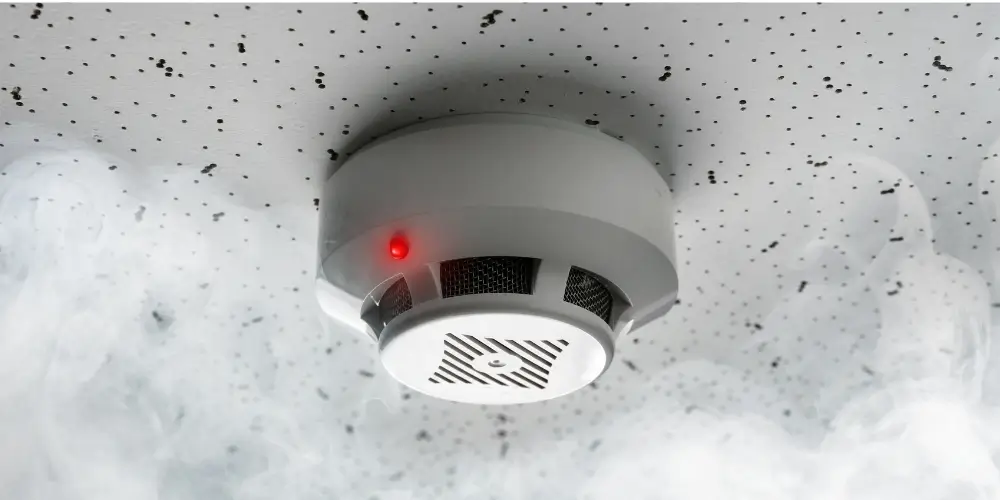
Expired fire alarms frequently lead to repeated false alarms, undermining the reliability of fire safety systems. As fire alarms age, their sensors can degrade or malfunction, leading to an increased sensitivity or failure to function correctly. This degradation is often not visible, making it difficult for homeowners or building managers to identify the issue without professional help.
Manufacturers typically recommend replacing fire alarms every 10 years. Beyond this period, the components inside the alarms, such as batteries, sensors, and electronic circuits, may not operate efficiently. Old alarms might misinterpret dust, humidity, or even minor temperature fluctuations as smoke or fire, triggering false alarms. Everyone must know how to test fire alarms.
Misplaced or Improper Installation
Misplaced or improperly installed fire alarms greatly compromise the effectiveness of fire safety systems. When alarms are not positioned to best detect smoke or heat, their ability to promptly alert occupants is markedly reduced. This can lead to delayed evacuation, increasing the risk of injury or damage during a fire event.
The following table provides a visual summary of common installation mistakes and their implications:
| Common Mistake | Implication |
| Near air vents or windows | Smoke dilution, delayed detection |
| Too close to cooking areas | Frequent false alarms from normal cooking |
| In unattended spaces | Missed maintenance, unnoticed malfunctions |
Consulting a professional during the initial setup or when relocating devices can prevent these common pitfalls. Regular maintenance and checks can also identify any issues with alarm placement or installation issues before they become critical.
Upgrading Your Fire Alarm System for Better Reliability
While addressing installation errors greatly enhances fire alarm system performance, upgrading to more advanced technologies offers further improvements in reliability. Modern fire alarm systems incorporate smarter, interconnected devices that can more effectively differentiate between real threats and false alarms. Upgrading to photoelectric smoke detectors, which are better at detecting smoldering fires typical in homes, can reduce the incidence of nuisance alarms triggered by cooking smoke or steam.
Integrating your fire alarm system with a home automation network can lead to more precise monitoring and easier management. Smart systems enable remote diagnostics and notifications, allowing homeowners or facility managers to address potential issues promptly before they trigger false alarms. This connectivity also guarantees that maintenance can be scheduled proactively, based on the system’s actual condition rather than on a fixed schedule, which might not reflect the true state of the components.
Furthermore, newer alarm models come with self-testing features and more sophisticated sensors that adjust sensitivity based on the environment. Learn how the fire alarm control panel processes and signals alarms.
Frequently Asked Questions
Can Cooking Fumes Trigger My Fire Alarm?
Yes, cooking fumes can trigger fire alarms, particularly when they come from burnt food or high smoke production. Guarantee proper ventilation while cooking and maintain a clean kitchen environment to minimize false alarms from your fire alarm system.
How Often Should Fire Alarms Be Professionally Inspected?
Fire alarms should be professionally inspected at least annually to guarantee functionality and compliance with safety regulations. More frequent inspections may be required based on local codes or the specific environment in which they are used.
What Is the Average Lifespan of a Fire Alarm Battery?
The average lifespan of a fire alarm battery typically ranges from 6 months to a year, depending on usage and battery type. Regular replacement is essential to guarantee consistent functionality and safety.
Are There Pet-Friendly Fire Alarms Available?
Yes, pet-friendly fire alarms are available. These devices minimize false alarms triggered by pets and often feature smarter sensors that distinguish between non-threatening movements and actual fire-related incidents, enhancing safety for pet owners.
How Do I Silence a Fire Alarm During a False Alarm?
To silence a fire alarm during a false alarm, press the “hush” button if available. Alternatively, reset the alarm system by turning off the power at the circuit breaker, then turning it back on.
Conclusion
To sum up, the reliability and effectiveness of fire alarm systems are compromised by several factors, including low battery levels, dust accumulation, faulty sensors, environmental conditions such as high humidity and temperature, electrical issues, and improper installation. Ensuring regular maintenance, correct placement, and timely upgrades are essential. Addressing these factors thoroughly and understanding why the fire alarm system keeps going off will greatly reduce false alarms.