A boiler dripping water can stem from harmless condensation, loose joints, failing seals, corroded internal parts, or a faulty pressure/temperature relief valve. Small, clear drips from condensation or occasional relief valve discharge may be less urgent, while persistent leaks, rust-colored moisture, electrical involvement, or gas smells need immediate shutdown and a professional. Simple checks include drying the area, tracing the source, and noting pressure. Continue for clear steps on diagnosis, safety, and likely repairs.
Key Takeaways
- Leaks often come from joints, fittings, valves, or pipework dry the area, run the boiler briefly, and trace moisture back to the source.
- A leaking pressure-relief valve or an overpressure discharge causes intermittent drips and requires prompt inspection or replacement by a professional.
- Corrosion or a failing heat exchanger produces internal leaks and rust-colored stains, requiring an engineer’s diagnosis and likely part replacement.
- Harmless condensation or condensate pipe blockages can cause clear drips or pooling; check and clear the condensate trap or pipe.
- If leaks persist, involve electrical components, produce a gas smell, or you can’t locate the source, turn off the boiler and call a certified engineer.
Table of Contents
Is a Dripping Boiler Urgent? Immediate Steps to Take
How urgent a dripping boiler is depends on the source and severity of the leak: a small, steady drip from a joint may be manageable in the short term, whereas leaks from the pressure relief valve, heat exchanger, or near electrical components require immediate attention.
The observer should prioritise safety and autonomy: isolate the appliance by switching it off at the programmer and turning off the gas if a smell or an obvious hazard is present, then cut the electrical supply at the breaker if water contacts the wiring.
Contain escaping water with buckets or towels to protect surroundings and prevent damage to floors and furnishings. Record visible signs, locations, rate, and any noises so the owner can decide whether to continue operating or to seek professional help. For those valuing independence, short-term measures can preserve function until a certified engineer inspects and repairs the fault. Avoid restarting a compromised boiler; freedom depends on responsible, controlled choices rather than risky improvisation. Check out what happens in boiler service.
How to Find Where the Water Is Coming From
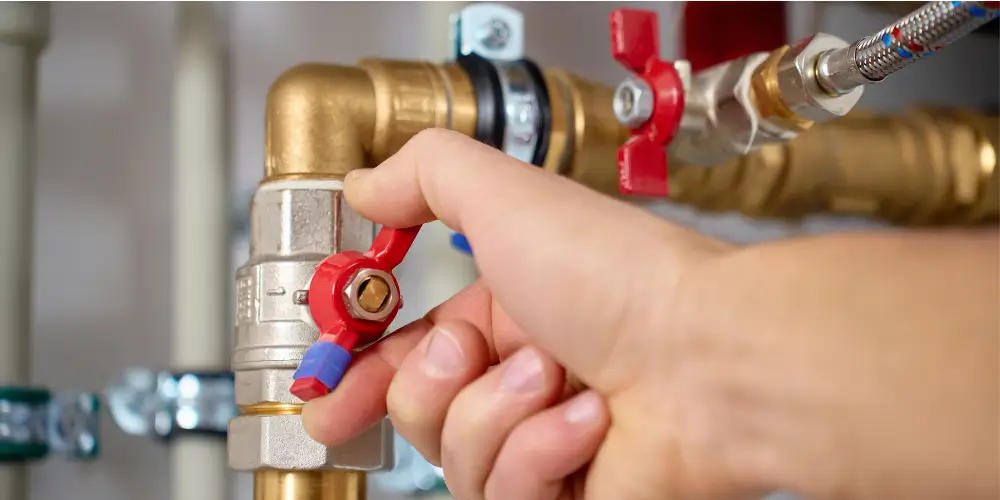
Where exactly the leak originates can usually be determined by a quick, systematic inspection: the observer should first dry the boiler and surrounding area, then run the system briefly while watching for fresh drops or damp patches. The inspector notes the path of new moisture to trace upward to fittings, joints, valves, or the heat exchanger. External pipework, pump seals, and pressure relief valve connections merit close attention; any corrosion, residue, or mineral buildup signals a compromised seal.
A flashlight and tissue or white paper help reveal fine seepage. If the drip appears beneath the unit, check condensate and waste connections, but avoid assuming harmless causes without evidence. Record the exact location, frequency, and appearance of the leak (clear, rust-colored, oily) to inform repair choices. If the source is hidden behind insulation or paneling, unobtrusive removal may be necessary. When in doubt, documenting findings with photos supports informed decisions and respectful communication with a technician. Here is the rule of thumb: Should you replace or repair the boiler?
Condensation and Harmless Overflows (What’s Safe)
Could this small bead of water simply be harmless condensation or an overflow from a controlled outlet? The narrative explains that modern boilers can produce condensation during normal operation, especially high-efficiency models where flue gases cool and condense.
This moisture often appears as occasional droplets on external surfaces or near the condensate trap and is typically clear, odorless, and minimal. Likewise, a safety or pressure relief valve may discharge a small, deliberate overflow when the system pressure briefly exceeds limits; such discharges are usually controlled, intermittent, and accompanied by a visible outlet or discharge pipe directing water away safely.
The reader is encouraged to observe frequency, volume, and location: tiny, sporadic drips from condensate routes are generally safe, while steady or colored leaks warrant attention. Where uncertainty remains, freedom-minded owners may inspect accessible outlets or consult a qualified engineer to confirm that the observed water is benign and systems remain within safe operating parameters.
Leaky Joints and Visible Pipework: What to Check
When examining visible pipework for leaks, attention should focus on joints, fittings, and soldered connections where metal meets metal or sealant. The observer notes any wetness, mineral deposits, or darkening around threaded joints, compression fittings, and union connections. Flexible hoses and valves deserve scrutiny; rubber or braided sections can crack or loosen, allowing slow drips. Tightness should be checked, but not overtightened thread seal tape or appropriate joint compound may restore a secure, leak-free interface.
Visible weeping at soldered seams often indicates failed capillary action or thermal stress; small repairs with a soldering torch or a sweat fitting replacement can resolve this if the installer is competent and safe. For straightforward flange leaks, gasket replacement or retightening bolts to the manufacturer’s torque is typical. Photographs and notes help track recurrence. If leaks persist after basic fixes, professional intervention preserves freedom from ongoing maintenance and prevents escalation into larger water damage.
Corroded Parts and Internal Boiler Leaks (Signs)
Beyond visible joints and external pipework, internal components and corroded parts are common sources of boiler leaks that are less obvious to the naked eye. Corrosion weakens heat exchangers, seals and internal pipework, allowing slow seepage or sudden drips. Signs include unexplained wet patches beneath the boiler, rust-colored residue, reduced heating efficiency, and intermittent damp sounds. Residents valuing autonomy should watch for these subtle cues and act before damage spreads.
| Sign observed | Likely corroded part | Immediate action |
| Rust-colored stains | Heat exchanger | Isolate the boiler, call a technician |
| Persistent damp base | Internal pipe/joint | Shut water supply, inspect |
| Reduced efficiency | Blocked/corroded passages | Schedule service |
| Intermittent dripping | Failed internal seal | Arrange professional repair |
Professional inspection confirms internal leaks; temporary shutoff limits harm. Corrosion often indicates system age or poor water quality. Addressing root causes restores reliability and preserves freedom from recurring failures.
Faulty Pressure or Temperature Relief Valve: How to Tell
How can a failing pressure or temperature relief valve be distinguished from other leak sources? A clear indicator is water emerging from the relief valve’s discharge pipe or its junction on the boiler’s exterior rather than from seams, fittings, or radiators.
Leaks tied to this valve often occur intermittently, correlating with pressure spikes or overheating events, and may leave mineral deposits or rust at the valve outlet. Unlike slow seepage from corroded components, relief valve leaks are typically more forceful when they happen and can be accompanied by audible hissing or a brief gush.
Temperature-related releases may occur when the boiler reaches unsafe heat levels; pressure-related releases correspond to excessive system pressure. Visual signs include a wet trail along the discharge tube and pooling beneath its termination point, often directed to a drainage location. Because the relief valve is a safety device, persistent or obvious discharge signals a component that likely needs replacement by a qualified technician to restore safe, autonomous operation. Explore what a boiler pressure should be.
DIY Checks You Can Safely Do Now
After checking the pressure or temperature relief valve, a homeowner can perform several safe, simple inspections to narrow the cause of a leak before calling a technician. The owner should observe and record where water appears, how often it drips, and whether the boiler is hot or cold during leakage. Visual checks reduce uncertainty while preserving freedom to act later.
- Inspect visible pipe joints and valve unions for dampness or corrosion.
- Check condensate drain lines for blockages or frozen sections in cold weather.
- Wipe surfaces dry and monitor for new wetness to pinpoint active leaks.
- Examine the boiler casing and nearby condensate tray for pooled water.
- Confirm external fittings (pressure gauge, bleed valves) are tight, not weeping.
If an inspection reveals obvious loose fittings, gentle tightening with appropriate tools may stop a minor leak. More complex findings or persistent dripping should be handled by a professional to avoid risk.
When to Call an Engineer: and What to Tell Them
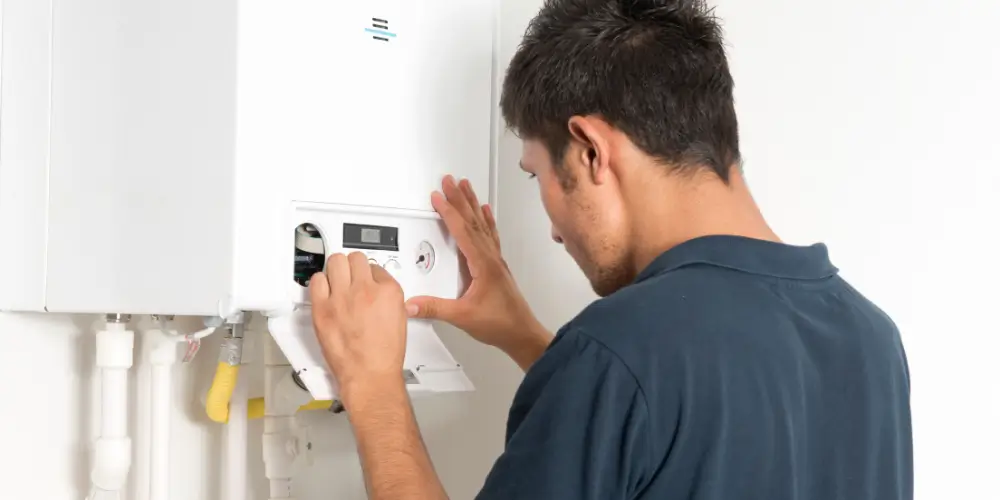
When should a homeowner call an engineer? If leaks persist after basic safe checks, if water appears from seals, pressure relief discharge or internal components, or if the boiler shows erratic pressure, noises or shuts down, a qualified engineer should be contacted. Call sooner if there is continuous dripping, signs of corrosion, electrical faults, or any gas odor.
When contacting an engineer, provide concise facts: boiler make, model and age; description of the leak (location, rate, colour); recent changes or maintenance; pressure readings and any error codes; results of DIY checks already completed; whether heating or hot water is affected; presence of corrosion, damp or staining nearby. Share accessibility details and any safety concerns. Request a Gas Safe–registered or equivalent certified engineer and a clear timeframe for inspection. Clear, factual information speeds diagnosis and preserves the homeowner’s options for safe, timely repair.
Typical Repairs and Expected Costs
Many common boiler leaks are resolved with straightforward part replacements or adjustments that vary in complexity and cost. Typical repairs range from simple DIY-friendly fixes to professional interventions; the choice depends on safety, warranty, and the owner’s desire for control.
Boiler repair cost estimates reflect parts, labour, and system access, with regional variation. Clear, liberated homeowners can decide whether to engage a certified engineer.
- Pressure relief valve replacement: low cost, quick swap, prevents overpressure leaks.
- Pump seal or gasket change: moderate cost, requires brief isolation and drain.
- Condensate trap or pipe repair: low-cost, often a simple unblocking or resealing.
- Internal component replacement (heat exchanger, diverter valve): higher cost, technician required.
- Corrosion repair or panel replacement: variable cost, may indicate need for system upgrade.
Estimates should be sought from qualified engineers; a written quote clarifies the scope and preserves the owner’s freedom to choose.
Frequently Asked Questions
Can a Dripping Boiler Affect My Home Insurance Coverage?
Yes. A dripping boiler can jeopardise coverage if neglect caused damage; insurers may deny claims for preventable leaks. The homeowner should promptly document, repair, and notify their insurer to preserve rights and maintain the freedom to choose remedies.
Can Limescale Cause a Boiler to Drip?
Yes, limescale can cause a boiler to drip. It restricts valves and heat exchanger flow, raising pressure and corroding seals. A liberating homeowner should descale or hire a professional to restore reliable, efficient operation.
Will a Dripping Boiler Raise My Energy Bills?
Yes. A dripping boiler can raise energy bills slightly because lost hot water and reduced efficiency force the system to run longer. The affected person should repair leaks promptly to restore performance and avoid wasteful costs.
Can I Safely Use Hot Water While the Boiler Drips?
Yes, they can use hot water briefly, but the person should act freely yet cautiously: monitor for leaks, limit use, and arrange a prompt professional inspection to prevent hazards, pressure loss, or further damage until repairs are completed.
How Long Can a Boiler Drip Before Causing Damage?
A few days to a few weeks may pass before any visible damage occurs, but prolonged dripping for weeks to months can cause corrosion, pressure loss, mold, and structural damage. They should act quickly to preserve autonomy and avoid escalating repairs.
Conclusion
A dripping boiler should prompt a prompt, calm assessment: many leaks are non-urgent but require timely action to prevent damage. First, identify the source of condensation, overflow, visible pipework, corroded components, or a faulty relief valve, and perform safe DIY checks such as noting the pressure, isolating the appliance, and drying the area. If the origin is unclear, internal, or involves electrical parts, call a Gas Safe engineer. Repairs vary by cause; provide clear symptoms and photos for faster diagnosis.