A concise UK PAT guide distinguishes Class 1 appliances, which rely on a protective earth and metal parts, from Class 2 items, which have double or reinforced insulation and no earth. Inspectors check earth continuity and leakage on Class 1 and focus on insulation resistance and visual integrity for Class 2. Common Class 1 examples include kettles and metal‑chassis PCs; Class 2 covers plastic handsets and chargers. Test records, labels, and risk‑based intervals are essential, and subsequent sections explain the steps and actions.
Key Takeaways
- Define Class 1 and Class 2: Class 1 requires protective earth; Class 2 uses double or reinforced insulation, no earth needed.
- Common Class 1 examples: kettles, desktop PCs with metal chassis, and hand-held power tools with metal parts.
- Common Class 2 examples: plastic hairdryers, phone chargers, LED lamps, and other double-insulated handhelds.
- PAT tests: Class 1 requires visual check, earth continuity, and insulation/earth leakage tests; Class 2 requires visual inspection and insulation resistance tests.
- Actions and records: Immediately withdraw failed Class 1 items, investigate Class 2 insulation faults, and log category, test results, and remedial actions.
Table of Contents
Quick Answer: Which Appliances Are Class 1 or Class 2 – And What to Do (PAT Testing)
Which appliances are Class 1 or Class 2, and what action does each category require during PAT testing? Class 1 appliances have basic insulation and rely on an earth connection; they require earth continuity checks, insulation resistance tests, and functional inspection to confirm the protective earth is intact and effective. Class 2 appliances have double or reinforced insulation and do not rely on an earth; they require insulation resistance and visual inspection but no earth continuity test.
The tester should record the appliance category, test results, and any remedial actions. Class 1 failures often mandate immediate withdrawal or earth repair; Class 2 failures usually require withdrawal and investigation of insulation integrity. Portable testing protocols should prioritize safety and enable users to act without unnecessary restriction: clearly label failed items, schedule repairs, or replace devices. Documentation should be concise, accessible, and preserved to support autonomous maintenance decisions.

How to Spot Class 1 Appliances (Construction & Markings)
After identifying whether an appliance is Class 1 or Class 2 on paper, inspection of the device itself confirms the classification. Class 1 appliances feature a protective earth conductor and metal parts connected to earth; exposed metalwork will have an earth terminal, bonding point, or earth symbol near the plug or chassis. Construction often includes metal enclosures, metal control knobs, or accessible conductive parts that would become live without an earth connection. The flexible supply lead usually contains three cores (live, neutral, earth) and the plug will be three‑pin with an earth pin. Labels typically state “Class I” or show the earth symbol (⏚) alongside voltage and current ratings.
Accessible screws or earthing straps may indicate deliberate bonding. Visual checks for secure earth connections, intact earth conductors, and absence of double‑insulation marking help confirm Class 1. These observable cues enable decisive identification without reliance on internal disassembly, supporting independent, lawful testing and safe ongoing use.
How to Spot Class 2 Appliances (Double‑Insulation Symbols & Design)
Class 2 appliances are characterised by double or reinforced insulation that eliminates the need for a protective earth, and this is reflected in their design and markings. The description focuses on clear visual cues and construction features that allow someone seeking independence to identify safe, earth-free devices without reliance on complex testing equipment.
- Look for the square-within-a-square symbol, typically on labels or moulded into the casing, indicating double insulation.
- Note plastic or non-conductive enclosures; seamless, robust plastic housings often replace metal shells to prevent accessible conductive parts.
- Check for absence of an earth terminal or green/yellow earth symbol; Class 2 items will not provide an earth connection.
- Observe reinforced insulation markings or literature that state “Class II” or “Double Insulated” to confirm design intent.
These indicators enable confident classification, supporting autonomous decision-making when segregating appliances for PAT testing and safe use.
Common Class 1 Examples (Kettles, PCs With Metal Chassis, Power Tools)
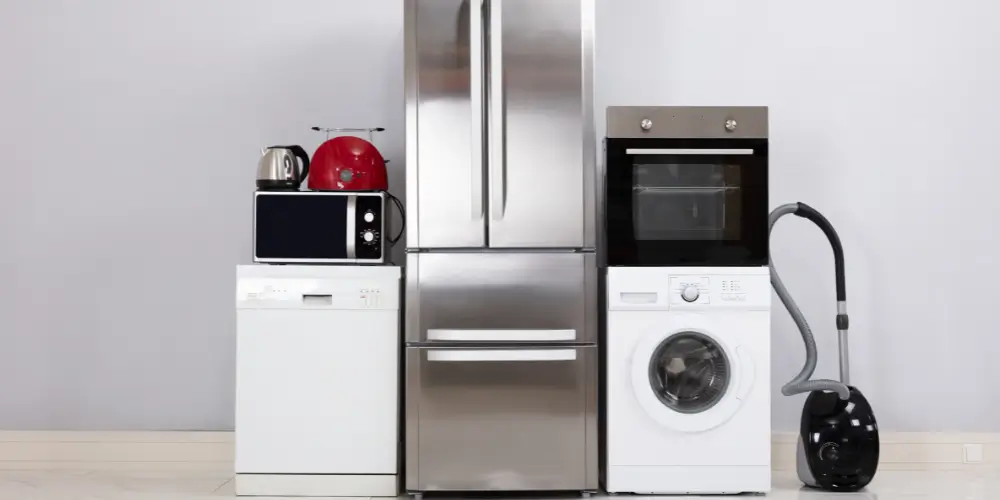
Many everyday appliances fall into Class 1 because they rely on a protective earth to ensure safety; typical examples include kettles with metal heating elements, desktop PCs with metal chassis, and handheld power tools that combine metal housings with exposed conductive parts. These items require a reliable earth connection, so any internal fault will divert current away from users, reducing the risk of electric shock. In PAT testing contexts, examiners focus on earth continuity, insulation resistance, and functional checks to confirm that protective measures remain effective.
Kettles commonly show wear at the flex and plug connections; PCs require inspection of accessible metalwork and power supplies; power tools require attention to cable integrity, switches, and metal casings. Clear labeling, correct fusing, and secure plugs are practical freedoms users can enforce to maintain safety. Routine PAT schedules and prompt repair or removal of defective Class 1 items preserve both compliance and the liberty to use electrical equipment without undue hazard.
Common Class 2 Examples (Plastic Handhelds, Phone Chargers, LED Lamps)
Whereas Class 1 appliances depend on an earth connection, Class 2 equipment achieves protection through double or reinforced insulation, eliminating reliance on a protective earth. Common Class 2 items are compact, portable, and designed for uncomplicated use, offering users the freedom to move and operate without grounding concerns. Typical examples include everyday devices where plastic enclosures and insulated designs reduce shock risk.
- Plastic handhelds — hair dryers, electric shavers, and similar devices with insulated casings.
- Phone chargers — USB adapters and power bricks with reinforced isolation between primary and secondary circuits.
- LED lamps — plug-in and portable lighting units built with double-insulated transformers or drivers.
- Consumer electronics — radios, battery chargers, and small appliances explicitly marked with the double-square symbol.
These examples highlight safety by design, allowing straightforward deployment in homes, offices, and mobile settings while meeting UK conformity standards for Class 2 protection.
PAT Testing & Visual Checks: What Differs for Class 1 Vs Class 2
Different inspection and testing steps apply because Class 1 devices rely on a functional protective earth while Class 2 items depend on intact double or reinforced insulation. Visual checks for Class 1 focus on earth continuity: verifying plug and cable condition, secure earth pin, and evidence of damaged or exposed conductors that could compromise the protective earth. Insulation degradation, exposed metal parts and signs of overheating that might defeat earthing are prioritised.
For Class 2, visual inspection targets the integrity of the insulation system: cracks, missing covers, or compromised seals that could allow live parts to become accessible. There is less emphasis on earth connections and more on barriers and insulation markings.
Functional PAT differences follow: Class 1 requires earth continuity and earth leakage testing in addition to insulation resistance; Class 2 skips earth tests and relies on heightened insulation resistance measures and polarity checks. Both classes demand clear, independent judgments to preserve safety and user autonomy. Learn What Does PAT Test Stand For and Why Is It Important?
Recordkeeping, Labelling & Testing Frequency for PAT (UK)
Although statutory law does not prescribe exact intervals, UK guidance expects organisations to maintain systematic records, clear labels, and risk-based testing schedules for portable appliance testing (PAT). Records should document test dates, results, appliance details, location, and tester identity to facilitate traceability and support flexible risk management. Labelling conveys status: pass, fail, or next-test due, allowing users autonomy while preventing unsafe use. Testing frequency is determined by use, environment, and equipment type; high-risk or frequently moved items demand shorter intervals, low-risk fixed items longer ones. Organisations retain discretion to set policies consistent with risk assessments.
- Maintain searchable digital logs with basic fields: asset ID, make/model, location, test date, outcome, and remedial actions.
- Apply durable labels showing test date and next-test due or a pass/fail marker.
- Base intervals on documented risk assessment, not fixed mandates, and review periodically.
- Guarantee competent personnel perform tests and that records are audited for compliance and continuous improvement.
PAT Decision Checklist: Classify, Test Steps, and When to Call an Electrician
Building on organised records, labels, and risk-based schedules, the PAT decision checklist guides the assessor through classification, stepwise testing, and clear criteria for escalating to a qualified electrician. The checklist begins with classification: determine whether the item is Class 1 (protective earth) or Class 2 (double-insulated), note its use environment, and check its previous test history. Next, follow the stepwise testing: visual inspection; polarity and earth continuity (Class 1); insulation resistance; applied leakage or earth leakage, as appropriate; and functional operation.
Record results against pass/fail limits and flag borderline readings for retest. Decision nodes specify acceptable readings, immediate removal for hazardous faults, and scheduled retest for minor anomalies. Call an electrician when protective earth fails, insulation is compromised, wiring or plugs are damaged, or any repair beyond in-line fuse or plug replacement is needed. The checklist empowers independent operators to act decisively while preserving safety and freedom.
Frequently Asked Questions
Can Class 1 Appliances Ever Be Used With Unmodified Extension Leads?
No; Class 1 appliances should not be used with unmodified extension leads. They require intact earth continuity and correct wiring, so using unaltered extensions that meet standards is essential to maintain safety and legal compliance.
Are USB-Powered Devices Considered Class 2 by Default?
No, USB-powered devices are not automatically Class II; each device is assessed on insulation and earth requirements. The observer notes many USB chargers are double-insulated, but classification depends on internal construction and manufacturer declarations.
Do Imported Appliances Require Different PAT Standards in the UK?
Imported appliances follow the same UK PAT requirements; a detached observer notes they must meet UK electrical safety standards and markings, though customs, documentation, and potential additional conformity evidence may necessitate extra checks or certification before use.
How Does Water Ingress Affect Classification During Use in Kitchens?
Water ingress increases risk and can upgrade appliance classification if conductive parts become exposed; the observer notes elevated leakage, potential earth continuity failure, and advises reassessment, reinforced protection, or removal to preserve safety and user autonomy.
Can DIY Repairs Change an Appliance’s Class or Testing Interval?
Yes. They can: DIY repairs may alter an appliance’s classification or prompt earlier testing. The individual accepts responsibility; freedom to act carries risk, and a competent electrician should promptly reassess safety, grounding, and statutory compliance.
Conclusion
In conclusion, correctly distinguishing Class 1 and Class 2 appliances is essential for safe PAT practice: look for earth connections and metal parts for Class 1, and the double‑insulation symbol or fully insulated design for Class 2. Visual inspection, appropriate earth continuity and insulation tests, and accurate records and labels guarantee compliance and safety. When in doubt, or where damage or unclear construction exists, engage a qualified electrician to resolve classification or carry out necessary repairs and testing.