A combi boiler failing to provide hot water can stem from a faulty diverter valve, low system pressure, pump failure, thermostat or flow sensor faults, airlocks, limescale buildup, or closed isolation valves. Simple checks include confirming power, gas, pressure, and timer settings, as well as testing other taps. Some issues can be resolved by repressurising or bleeding radiators; safety‑critical or internal-part faults require a Gas Safe engineer. Continue for detailed diagnostics, DIY fixes, and cost guidance.
Key Takeaways
- Check boiler error codes, pilot/ignition status, and gas/electric supplies before calling a technician.
- Confirm the issue affects all taps to rule out local mixer or valve faults.
- Low system pressure or leaks often cause hot water to stop. Inspect the pressure gauge and visible pipework.
- Diverter valve or actuator failure causes cold taps while radiators are working; test or replace the valve.
- Faulty flow sensors, thermostats, or NTC thermistors can prevent burner ignition and require sensor replacement.
Table of Contents
Quick Checks You Can Do Now (No Tools)
Before calling a technician, there are a few simple, no-tools checks anyone can perform to narrow down why a combi boiler is not producing hot water. One quiet inspection is to confirm that other taps or showers lack hot water too; isolated cold outlets often indicate a local valve issue rather than the boiler. Next, verify the boiler display for error codes or a pilot/ignition light, noting any code that supports decisive action later.
Check the thermostat settings and timer to ascertain that domestic hot water is enabled and scheduled, and glance at the pressure gauge; if it reads markedly low, the system may lock out. Listen for unusual noises during a hot water demand; the absence of the usual burner or pump sounds signals ignition or circulation problems.
Finally, confirm gas and electricity supplies to the boiler are on and that external isolation switches or meters haven’t been switched off. These quick steps empower an owner to identify likely causes before seeking professional help.
How a Combi Boiler Supplies Hot Water
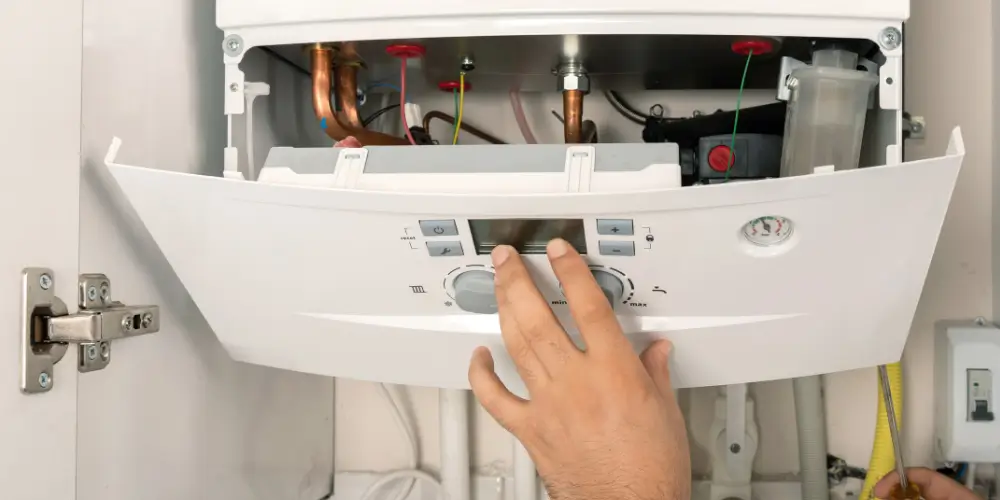
Having run through those quick checks, understanding how a combi boiler actually produces hot water helps interpret symptoms and error codes. The unit combines central heating and domestic hot water functions on demand: when a tap opens, a flow sensor triggers the gas burner and heat exchanger to instantly warm the mains water, bypassing a separate cylinder.
A pump circulates water through the heat exchanger and returns cooler water for reheating; thermostats and a temperature sensor regulate output to keep it steady. Safety devices, such as a pressure relief valve, an expansion vessel, and flame supervision, prevent unsafe operation. Controls include a diverter valve and zone valves to route heated water to taps or radiators, but in combination the focus is direct tap supply, prioritising immediate hot water over stored warmth.
Recognising each component’s role clarifies why faults in flow, ignition, sensors, or pressure lead to no hot water, guiding targeted troubleshooting or when to call a competent engineer.
Heating Works but Taps Cold? Check the Diverter Valve
Why does the heating function while taps deliver only cold water? The diverter valve directs hot water either to the radiators or to the tap circuit. When it sticks or fails, the boiler continues to heat the central-heating loop, so radiators stay warm while domestic hot taps get cold.
A partly blocked valve, worn seals, or a seised actuator can prevent full movement. Diagnosis typically involves calling a competent engineer to test valve operation: observing valve position, checking actuator response, and confirming motorised switching during a hot-tap demand.
In some systems, the valve is separate; in others, it is integrated into the boiler assembly. Repair options range from cleaning and replacing seals to swapping the valve or actuator. Choosing replacement restores independent flow control and returns autonomy over the hot water supply. For those who value freedom from disruption, prompt, professional attention prevents recurring loss of hot taps and reduces dependency on temporary workarounds.
Combi Boiler Low Pressure, Leaks & Closed Valves
A drop in system pressure, an unnoticed leak, or a closed filling loop can all prevent a combi boiler from delivering hot water even though the unit fires for heating. Low water pressure reduces flow through the heat exchanger, leaks bleed the system down, and closed or partially shut valves stop the cold mains refill needed to restore pressure.
When pressure sits below the manufacturer’s operating range, hot water flow can be weak or absent. A visual check of the pressure gauge and visible pipework identifies obvious leaks, corrosion, or drips. Inspect the filling loop and isolation valves to ensure they are open and functioning.
Small leaks at radiators, joints or the boiler’s condensate pipe erode system pressure gradually; tighten fittings or replace failed joints. Re-pressurise per the boiler manual only after confirming no active leak. If pressure won’t hold, the expansion vessel or internal components may have failed and require a qualified engineer. These straightforward checks restore autonomy over the hot water supply without unnecessary disruption.
Test Thermostats and Sensors (Combi-Specific Checks)
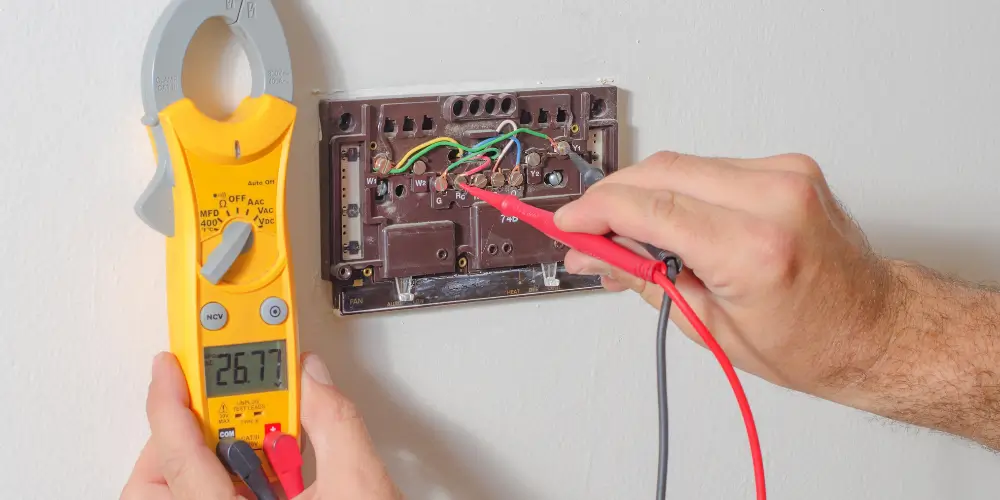
Once pressure and valves have been ruled out, attention turns to thermostats and sensors that control water temperature and flow in combi boilers. The technician or informed homeowner checks room and cylinder thermostats, flow and return sensors, and the boiler’s internal NTC thermistor for accurate readings.
Faulty sensors can leave the boiler idle or cycling, denying hot water despite a healthy system. Replacement or recalibration restores predictable control and liberates occupants from intermittent comfort.
- Verify setpoints on the room and cylinder thermostats; confirm they call for heat when expected.
- Measure the resistance of NTC thermistors at known temperatures or observe live temperature readings via the boiler interface.
- Inspect wiring and connectors for corrosion, pinching, or loose terminals that disrupt sensor signals.
- Replace failed sensors with manufacturer-specified parts and reset the boiler’s fault memory after installation.
Testing thermostats and sensors is a direct, empowering step toward reclaiming reliable hot water.
Clear Airlocks, Limescale & Flow Restrictions (DIY)
Resolve common flow problems by addressing airlocks, limescale buildup, and restricted pipes issues that often block hot water circulation in combi systems. A homeowner can release simple airlocks by isolating and bleeding the affected tap: turn off the mixer, attach a hose to the bleed screw where accessible, and open the bleed screw slowly to expel trapped air until steady water flows.
For limescale, apply a descaling solution to removable showerheads and taps or soak them overnight to restore flow; avoid pouring strong acid into pipes. Where scale lines internal pipework, use an inline descaler or consider a soak-through system designed for domestic use, following product instructions.
Check accessible filters and strainers at inlet points; clean or replace to remove sediment. If blockage persists despite these steps, document observations and prepare notes for a technician. These DIY measures prioritise control and independence while preserving safety; stop and seek professional help if unsure about how to isolate valves or when work requires access to sealed boiler components.
Faulty Pump or Worn Parts: Symptoms and Fixes
Pumps and other moving parts wear over time, causing reduced flow, unusual noises, or intermittent hot water delivery in combi boilers. Symptoms often include grinding or whining from the unit, fluctuating water temperature, and loss of pressure.
Inspection can reveal worn bearings, seized impellers, or corroded components. Where basic checks and cleaning restore operation, replacement of the pump or affected parts restores reliable flow and temperature control.
- Listen for persistent mechanical noise indicating bearing or impeller wear.
- Check flow and pressure; intermittent drops suggest pump inconsistency or internal wear.
- Inspect for leaks or corrosion around pump seals and connections before replacing parts.
- Replace the pump or worn components with compatible models to maintain the freedom of system performance.
Routine maintenance extends component life; when parts fail, timely replacement avoids repeated interruptions and preserves the independent use of hot water without frequent troubleshooting.
Safety Limits: When to Call a Gas Safe Engineer
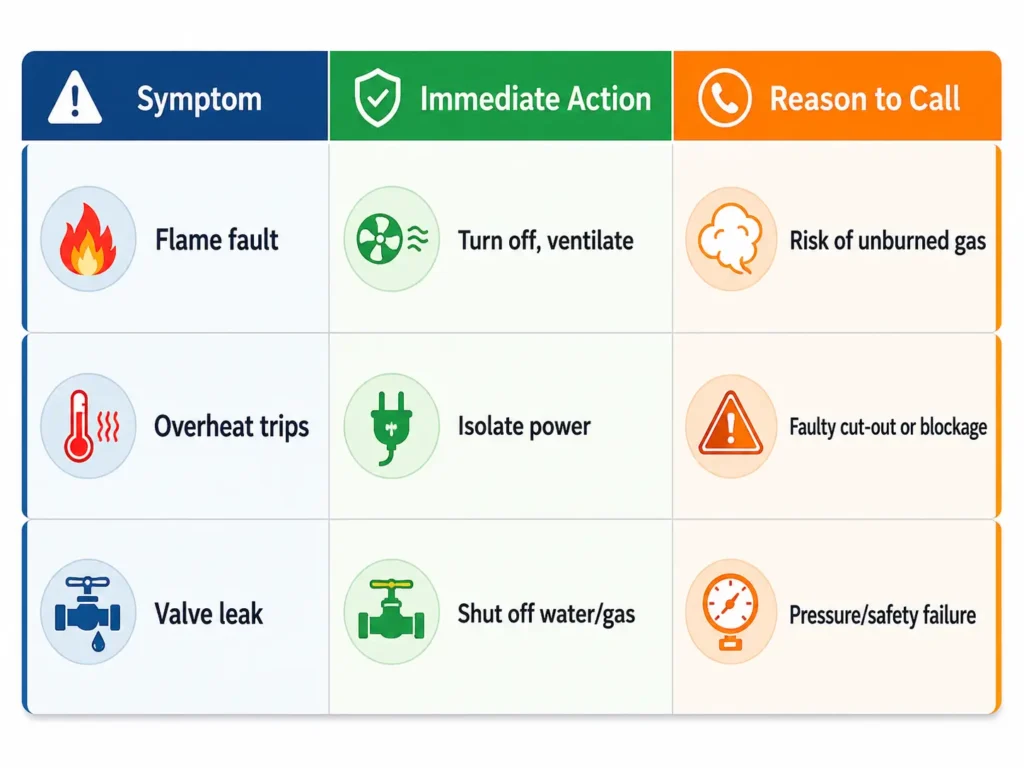
Worn pumps and failing components can create symptoms that mimic electrical or safety-limit faults, but when boiler controls, flame supervision devices, pressure relief valves, or overheat cut-outs engage or fail, professional intervention is required. In such cases, a Gas Safe engineer should be contacted immediately to assess risk and restore safe operation. The engineer isolates gas and electrical supplies, inspects combustion, tests safety interlocks, and replaces or repairs defective safety-critical parts. Occupants retain freedom by avoiding DIY exposure to sealed-system hazards and relying on certified competence. Signs demanding a call include unexplained shutdowns, persistent fault codes related to flame failure or overheat, gas smells, or leaking safety valves. Until help arrives, users should turn off the boiler, ventilate the space, and avoid operating appliances. Learn: How to Book a British Gas Boiler Service for Reliable Home Heating.
Typical Repair Costs, Timeframes and Next Steps
Costs for repairing a combi boiler vary with the fault, parts required, and regional labour rates, typically ranging from modest call-out and diagnostic fees (£60–£120) plus parts and labour for simple fixes (£100–300) to larger jobs (pump, valve or heat exchanger replacements) that can exceed £500–£1,200.
Typical repair times depend on diagnosis and parts availability: simple resets and valve cleans may be resolved within an hour, component swaps take a few hours, and major heat exchanger work can require a day or more.
- Confirm warranty status and get a clear quote before authorising work to preserve options.
- Prefer Gas Safe engineers who offer fixed-price estimates and transparent parts listings.
- Consider cost versus replacement if quoted repairs approach 50–60% of a new boiler’s price.
- Schedule repairs promptly to avoid extended loss of hot water and potential collateral damage.
Next steps: obtain two quotes, verify credentials, and decide among repair, upgrade, or temporary alternatives such as immersion heaters. If you want to know the cost of a combi boiler, read our blog post to know each and every detail.
Frequently Asked Questions
Can a Combi Boiler Heat Radiators and Showers Simultaneously?
Yes. A combi boiler can heat radiators and run a shower, but simultaneous demand may reduce shower temperature or pressure; the system prioritises hot water, and larger boilers or thermostatic controls help maintain performance for freedom-seeking users.
How Often Should a Combi Boiler Be Serviced?
A combi boiler should be serviced annually. Enthusiasts who value independence schedule yearly maintenance to ensure safety, efficiency, and warranty compliance, while addressing wear, leaks, and controls before failures compromise autonomy and comfort.
Will Bleeding Radiators Improve Hot Water Flow?
Yes. They note bleeding radiators can improve hot water flow by releasing trapped air that blocks circulation, restoring pressure balance and efficiency. It empowers the owner to maintain system performance before seeking professional intervention or servicing.
Can an Old Combi Be Upgraded Instead of Repaired?
Yes, they can be upgraded rather than repaired. The owner chooses among replacement options: a modern combi, a system upgrade, or a hybrid integration, balancing efficiency gains, upfront cost, installation disruption, and future freedom to control heating and water independently.
Are Electric Showers Affected by Combi Boiler Faults?
Yes. They remain largely independent, yet one notes that combi boiler faults can indirectly affect electric shower performance if the cold mains pressure drops or shared plumbing issues arise; users seeking autonomy should routinely monitor mains pressure and pipe integrity.
Conclusion
When a combi boiler fails to deliver hot water, simple checks, such as pressure, external reset, closed valves, and running other taps often reveal the issue; more complex causes include a stuck diverter valve, pump faults, airlocks, limescale or failed thermostats and sensors. Minor DIY fixes can restore flow, but gas, safety-limit or internal component failures require a Gas Safe engineer. Prompt diagnosis limits damage and costs; schedule professional repair for heating and gas safety and reliable long-term performance.