How much is a combi boiler? A combi boiler in the UK typically costs £1,800 to £4,200 fully installed in 2026, with the boiler itself priced between £650 and £2,200. Smaller flats usually pay £1,600 to £2,500, medium homes £2,000 to £3,200, and larger properties £2,500 to £4,000. Replacement jobs are often cheaper than brand-new installations, especially for like-for-like swaps. Final cost depends on output, brand, warranty, and fitting complexity. The sections ahead explain what shapes the total price.
Key Takeaways
- Combi boilers in the UK typically cost £650 to £2,200 for supply-only, depending on the brand, output, and warranty length.
- The cost of a fully installed combi boiler usually ranges from £1,800 to £4,200, depending on installation complexity and any extra work required.
- Small flats often need 24-28kW boilers, costing £1,600-£2,500 to install, while larger homes may pay up to £4,000.
- Replacing an existing combi boiler is usually cheaper than a new installation, with typical replacement costs between £1,800 and £3,500.
- Extra costs can include magnetic filters, chemical flushes, flue changes, and controls, while regular servicing helps maintain efficiency and reduce long-term costs.
Table of Contents
What Is a Combi Boiler and How Does It Work?
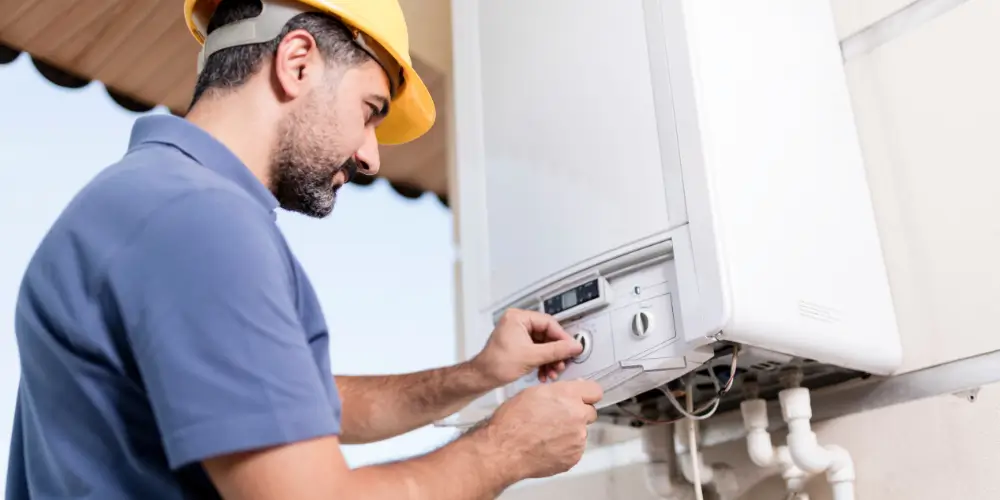
A combi boiler is a compact, all-in-one heating system that provides both central heating and hot water directly from the mains, without the need for a separate hot-water cylinder or cold-water storage tank. It combines the functions of a water heater and a central heating boiler in a single unit.
When a hot tap is opened, cold mains water enters the boiler and passes through a heat exchanger, where it is rapidly heated by gas or electricity. For space heating, the appliance warms water and circulates it through radiators and pipework. A diverter valve directs heat either to the domestic hot water supply or the central heating circuit, depending on demand.
Internal controls, pressure regulation, and safety components manage temperature, flow, ignition, and shutdown during operation under varying household usage conditions.
Understanding the Benefits of Installing a Combi Boiler
Convenience is one of the main benefits of installing a combi boiler, as it delivers hot water on demand while also heating the home from a single compact unit. This design eliminates the need for separate tanks or cylinders, making it especially suitable for smaller properties with limited space. It also supports efficient energy use by heating water only when needed.
Key advantages include:
- Space saving due to the absence of bulky storage components.
- Improved efficiency can reduce energy waste in daily operations.
- Consistent access to hot water without waiting for a tank to refill.
- Simpler installation layouts in many homes, with fewer major parts.
A combi boiler also suits modern households seeking practical heating, straightforward maintenance access, and reliable performance throughout the year in varying seasonal demand.
How Much Does a Combi Boiler Cost in 2026?
How much a combi boiler costs in 2026 depends mainly on the boiler’s output, brand, efficiency rating, and installation complexity. In the UK, supply-only prices typically range from £650 to £2,200, while fully installed costs typically range from £1,800 to £4,200. Entry-level models sit at the lower end, whereas premium boilers from leading manufacturers command higher prices.
Several factors influence the final figure. Higher kilowatt outputs, longer warranties, smart controls, and advanced efficiency features generally increase purchase costs. Installation expenses also rise where pipework alterations, flue extensions, condensate routing, or boiler relocation are required. Labour rates vary by region and installer experience.
Homeowners may also pay extra for magnetic filters, system flushing, thermostatic controls, and disposal of the old unit. Comparing detailed quotations remains essential before committing.
Combi Boiler Costs by Property Size
Three main property sizes usually shape combi boiler costs: small flats and one-bedroom homes and two- to three-bedroom houses, and larger properties with higher hot water demand. In general, bigger homes need boilers with stronger output, so prices rise with property size and usage expectations.
- Small flats often suit 24-28kW combi boilers, typically costing £1,600-£2,500 installed.
- Medium homes commonly need 28-32kW models, with total costs of around £2,000-£3,200.
- Larger houses may require 32-40kW units, typically priced between £2,500 and £4,000.
- Homes with multiple bathrooms often sit at the upper end because stronger flow rates are needed.
This size-based approach offers a practical starting point when comparing boiler budgets across typical UK household layouts and property types.
Is It Cheaper to Replace or Install New?
The cost difference between installing a new combi boiler and replacing an existing one largely depends on the scope of work. A new installation usually covers extra pipework, controls, and system alterations, while a replacement often involves a simpler process with lower labour costs. Comparing what is included in each price helps show which option offers better value in a given property.
How Much Is a Combi Boiler Installation: What’s Included in the Price?
How much a combi boiler installation costs in the UK depends chiefly on whether it is a straightforward like-for-like replacement or a first-time conversion from another system. Typical installed prices range from about £1,800 to £4,000, with conversions often costing more because extra pipework, controls, and system alterations are required.
Usually, the quoted price includes:
- The combi boiler unit itself is matched to the property size and hot water demand.
- Labour for fitting, testing, commissioning, and legal certification by a Gas Safe registered engineer.
- Basic controls such as a thermostat, timer, and sometimes smart heating controls.
- Essential extras include flue components, a magnetic filter, a system cleanse, and disposal of the old boiler or redundant tank.
Accessibility, boiler location, and complexity can further increase the overall installation figure considerably.
Combi Boiler Replacement Costs and Process Explained
Replacing an existing combi boiler is usually cheaper than installing a new combi system for the first time, because much of the necessary pipework, flue route, and heating setup is already in place. In the UK, replacement costs commonly range from £1,800 to £3,500, depending on boiler brand, output, warranty length, and labour rates.
The process typically involves removing the old unit, checking the gas supply, fitting the new boiler, reconnecting controls, and testing the system. A magnetic filter, chemical flush, thermostat upgrade, or flue alterations can increase the total. Like-for-like swaps are usually fastest and least expensive, often completed within one day.
Replacements become more costly when relocating the boiler or changing boiler type. Homeowners consequently often find replacement more economical than a first-time combi installation overall in most standard properties. Check out How Long Does It Take to Replace a Boiler and Get It Running?

How to Reduce Running Costs with a Combi Boiler
Cutting running costs with a combi boiler starts with using it as efficiently as possible, since fuel consumption depends on settings, insulation, and daily demand. Small adjustments often lower gas use without reducing comfort. Householders can focus on practical changes that improve heat retention and prevent unnecessary boiler cycles.
- Lower the flow temperature to an efficient level, allowing the boiler to condense properly and use less fuel.
- Use a programmable thermostat and thermostatic radiator valves to match heating times with occupancy and room needs.
- Improve insulation through loft topping, draught proofing, and pipe lagging, reducing heat loss and shortening boiler run time.
- Book annual servicing and bleed radiators regularly to help the system circulate heat efficiently and identify faults before bills rise unexpectedly over the winter months.
Contact Landlord Certifications to get reasonable boiler services.
Should You Buy a Cheap Combi Boiler or Invest in a Premium Option?
Running costs matter, but the boiler’s purchase price also affects overall value. A cheap combi boiler may suit small homes, tight budgets, or short-term ownership, but lower-priced models can offer shorter warranties, fewer features, and reduced efficiency. Premium boilers usually cost more upfront, yet they often provide quieter operation, better components, longer guarantees, and stronger reliability over time.
| Option | Typical Advantage |
| Cheap boiler | Lower upfront cost |
| Premium boiler | Better warranty and durability |
For many households, the best choice depends on property size, hot water demand, and planned length of stay. A landlord replacing a failed unit quickly may prioritise purchase price. A homeowner expecting long-term use may favour premium quality, fewer repairs, and improved performance. Total lifetime cost should guide the decision, not sticker price alone.
Frequently Asked Questions
Can a Combi Boiler Work With Low Mains Water Pressure?
Yes, a combi boiler can operate with low mains water pressure, but performance usually suffers. It may deliver weaker hot water flow, struggle at multiple outlets, and require a pressure test, pump, or system upgrade.
How Long Does a Combi Boiler Installation Usually Take?
A combi boiler installation usually takes one to three days. A straightforward replacement may be completed within a day, while relocating the boiler, upgrading pipework, or resolving system issues can slightly extend the job.
Do Combi Boilers Need Annual Servicing in the UK?
Yes, combi boilers in the UK generally need annual servicing to maintain efficiency, guarantee safety, and preserve warranties. Regular checks help identify faults early, reduce the risk of breakdowns, and confirm compliance with manufacturer and insurance requirements.
Can I Move My Combi Boiler to a Different Room?
Yes, a combi boiler can be moved to a different room, provided feasibility, flue routing, pipework, drainage, and regulations are assessed. A Gas Safe engineer would determine practicality, required modifications, costs, and compliance before relocation.
What Size Combi Boiler Output Do I Need?
A combi boiler’s required output depends on property size, bathroom count, and hot water demand: typically 24–27kW for small homes, 28–34kW for average households, and 35–42kW for larger homes with multiple bathrooms.
Conclusion
In conclusion, the cost of a combi boiler in the UK depends on the boiler brand, output, property size, and installation complexity. While cheaper models may reduce upfront spending, premium options often offer better efficiency, reliability, and longer-term value. Fitting costs can also vary greatly depending on whether it is a straightforward replacement or a full installation of a new system. Careful comparison of quotes, running costs, and warranty terms helps guarantee the most cost-effective decision is made.