
Fixing a tripped fuse requires identifying common causes such as overload, short circuits, or faulty appliances. Safety is essential; make certain the area is dry and wear rubber-soled shoes. After inspecting the fuse box for damage, remove the tripped fuse and replace it with one of the same amperage. If issues persist, or if there are signs like flickering lights or burning smells, it’s time to consult an electrician. More detailed steps and tips follow.
Key Takeaways
- Identify common causes of tripped fuses, such as overloads, short circuits, and faulty appliances.
- Ensure safety by wearing rubber-soled shoes and turning off appliances before resetting the fuse.
- Inspect the fuse for damage before replacing it with one of the same amperage.
- Call an electrician if fuses trip frequently, or if you notice warm or sparking outlets.
- Consider upgrading to circuit breakers for enhanced safety and easier resets compared to fuses.
Table of Contents
Understanding Tripped Fuses: Common Causes
Understanding tripped fuses begins with recognising their common causes. A tripped fuse often indicates an overload, where too many devices draw power from a single circuit. This scenario can easily occur in homes brimming with modern appliances. Short circuits also play a pivotal role; they happen when a live wire touches a neutral wire, creating a sudden surge of electricity. Faulty wiring is another culprit, often stemming from age or poor installation, and can lead to dangerous situations if left unaddressed. Additionally, ground faults may arise in damp areas, where moisture interferes with electrical connections, posing a risk of shock. By understanding these underlying issues, individuals can foster a proactive approach to electrical safety, empowering them to maintain their freedom within their living spaces. Knowledge of these causes not only informs everyday decisions but also inspires confidence in managing one’s electrical environment.
How to Identify a Tripped Fuse
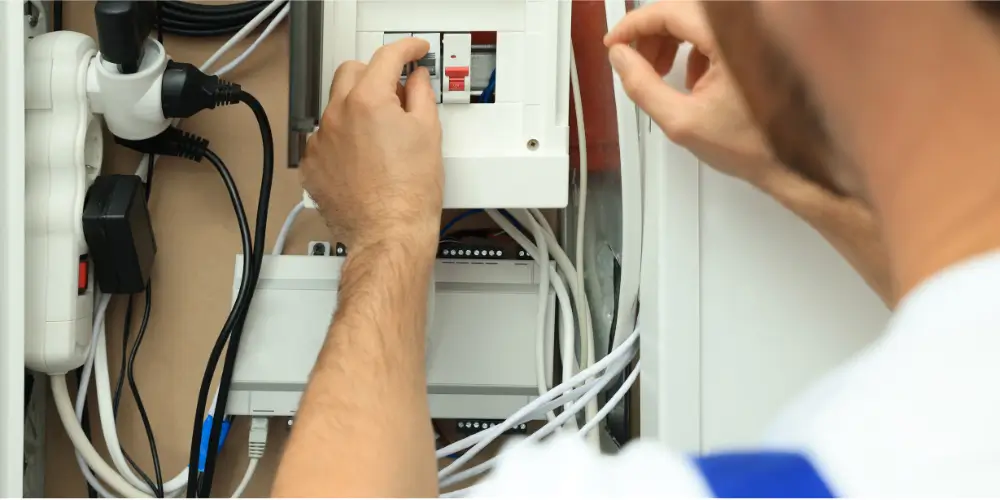
How can one determine if a fuse has tripped? Identifying a tripped fuse begins with checking the electrical panel. Typically, a tripped fuse will exhibit a clear sign: it will be in the “off” position or the fuse itself may appear discolored or damaged. Additionally, the absence of power in specific outlets or fixtures can indicate a blown fuse.
Another method involves looking for any unusual smells or signs of overheating near the fuse box. If a circuit has been overloaded, it may emit a faint burning odor. For those who enjoy the freedom of DIY, testing the circuit with a voltage tester can provide confirmation. If there’s no power reading from the fuse, it likely needs resetting or replacement. By systematically checking these indicators, one can easily identify a tripped fuse and take the next steps toward resolution.
Safety Precautions Before Resetting a Fuse
Safety is paramount when addressing electrical issues, especially before resetting a fuse. Before taking any action, one must verify that the area around the fuse box is dry and free from clutter. Wearing rubber-soled shoes and using insulated tools can provide an added layer of protection. It is vital to turn off all appliances connected to the affected circuit, as this reduces the risk of electrical shock. Checking for visible signs of damage, such as burnt wires or a charred fuse, is essential; these could indicate more serious problems. Additionally, individuals should avoid resetting the fuse repeatedly, as this can lead to overheating and potential fire hazards. If there are any doubts about the situation, it is wise to consult a qualified electrician. Taking these precautions fosters a safer environment, allowing for a more confident approach to resolving electrical issues.
Step-by-Step Guide to Resetting a Tripped Fuse
After ensuring that all safety precautions have been taken, the next step involves resetting the tripped fuse. First, the individual should locate the fuse box, which is typically situated in a basement, utility room, or garage. Upon opening the box, the tripped fuse will be visibly out of position or discolored. Gently grasp the fuse and turn it counterclockwise to remove it. It’s essential to inspect the fuse for any signs of damage, such as a broken filament.
Next, replace the old fuse with a new one of the same amperage, ensuring a snug fit by turning it clockwise. If using a circuit breaker instead, simply switch it back to the “on” position. Finally, restore power to the affected area and check that all appliances are functioning. If the fuse trips again, further investigation may be necessary, but resetting is a straightforward way to reclaim electrical freedom.
Testing Circuit Load: What’s Too Much?
Understanding circuit load is essential for maintaining a safe and functional electrical system. Overloading a circuit can lead to tripped fuses and potential hazards. Each circuit has a maximum load, typically measured in amperes, which should not be exceeded. To determine if a circuit is overloaded, it’s vital to compare the total load of connected devices against the circuit’s capacity.
Here’s a simple guide to understanding common circuit loads:
| Device Type | Average Load (Amps) |
| LED Light Bulb | 0.5 |
| Laptop Charger | 2 |
| Microwave Oven | 10 |
| Space Heater | 12 |
How to Troubleshoot Faulty Appliances
Troubleshooting faulty appliances requires a systematic approach to identify and resolve issues effectively. First, one must guarantee the appliance is securely plugged in and that the outlet is functional. Testing the outlet with another device can quickly reveal if the issue lies in the appliance or the power source. Next, examining the appliance’s power cord for any visible damage is essential, as frayed wires can lead to malfunctions.
If the appliance has a reset button, it should be pressed to see if that restores functionality. For devices with internal fuses, checking these can be beneficial. Listening for unusual sounds or observing error messages can also provide valuable insights. If these basic checks do not yield results, consulting the user manual may offer specific troubleshooting steps. Ultimately, if the issue remains unresolved, it may be time to seek professional assistance to avoid potential hazards.
When to Replace a Fuse: Key Indicators
Recognising when to replace a fuse is essential for maintaining electrical safety and functionality. A clear indicator is the appearance of a burnt or broken filament within the fuse itself. If a fuse frequently blows or trips, this suggests it may no longer effectively handle the electrical load. Additionally, discoloration or corrosion on the fuse terminals can signal deterioration, indicating a need for replacement.
Another key sign is the presence of an unusual smell, such as burning plastic, which may suggest overheating. If electrical devices connected to the circuit exhibit inconsistent performance, this may also point to a failing fuse. Lastly, if a fuse is outdated typically over 10 years old it’s prudent to replace it as a preventative measure. By being attentive to these indicators, one can maintain a safer and more reliable electrical system. Check out the Guide to Replacing a Fuse in Your Breaker Panel.
When to Call an Electrician: Red Flags
Certain situations warrant professional assistance when dealing with electrical issues. If a homeowner experiences frequent tripped fuses or circuit breakers, it may indicate an underlying problem that requires specialised knowledge. Additionally, if there are signs of electrical arcing or burning smells, these red flags signal potential fire hazards and demand immediate expert intervention. Homeowners should also seek professional help if they encounter flickering lights or outlets that feel warm to the touch, suggesting overloaded circuits or faulty wiring.
Furthermore, if any outlet sparks when appliances are plugged in, it’s important to call an electrician without delay. DIY fixes can sometimes worsen the problem, leading to safety risks. In these instances, engaging a qualified electrician not only guarantees proper diagnosis and repair but also provides peace of mind, allowing homeowners to enjoy their spaces without fear of electrical hazards.
Circuit Breakers vs. Fuses: What’s the Difference?
What distinguishes circuit breakers from fuses in home electrical systems? Both serve the essential function of protecting electrical circuits, yet they operate differently. Circuit breakers automatically reset after a fault, while fuses require replacement once they blow. This fundamental difference impacts maintenance and convenience.
Fuses are typically simpler and less costly, but they necessitate more frequent attention. Circuit breakers, although initially more expensive, offer enhanced safety and ease of use. Understanding these differences empowers homeowners to make informed decisions about their electrical systems, fostering a sense of freedom and self-sufficiency in managing their home safety.
Preventing Future Fuse Trips: Best Practices
Understanding the differences between circuit breakers and fuses lays the groundwork for effective electrical management. To prevent future fuse trips, individuals can adopt several best practices that promote safety and efficiency in their electrical systems.
- Limit Appliance Load: Avoid overloading circuits by plugging too many devices into a single outlet.
- Regular Maintenance: Inspect wiring and outlets periodically to identify wear or potential hazards.
- Use Compatible Fuses: Always replace fuses with the correct rating to handle the circuit’s load.
- Educate Household Members: Ascertain everyone understands the importance of not overusing electrical appliances simultaneously.
Frequently Asked Questions
Can I Use a Higher-Rated Fuse to Prevent Trips?
Using a higher-rated fuse is not advisable, as it can lead to overheating and potential fire hazards. Proper fuse ratings are essential for safety, ensuring that circuits operate within their designed limits and preventing dangerous malfunctions.
How Often Should I Check My Fuses?
Regularly checking fuses every six months is advisable. This proactive approach guarantees electrical safety, prevents potential danger, and maintains peak functionality, empowering individuals to take charge of their home’s electrical health without unnecessary disruptions.
What Tools Do I Need for Fuse Replacement?
To replace a fuse, one typically needs insulated screwdrivers, pliers, a multimeter for testing, safety goggles, and gloves. These tools guarantee safety and efficiency while managing electrical components, promoting a sense of independence in home maintenance.
Are Tripped Fuses Covered by Homeowners Insurance?
Tripped fuses are typically not covered by homeowners insurance, as they often result from normal wear or user error. Homeowners should review their policy details to understand coverage limitations and potential exclusions regarding electrical issues.
Can Weather Affect My Fuses or Circuit Breakers?
Weather can influence fuses and circuit breakers, causing them to trip due to temperature fluctuations, humidity, or storms. Such environmental factors may lead to increased electrical loads or moisture, impacting overall system performance and reliability.
Conclusion
In summary, addressing a tripped fuse involves understanding its causes, guaranteeing safety, and following proper reset procedures. Recognising when to seek professional help is essential to prevent further issues. By differentiating between fuses and circuit breakers and implementing preventive measures, homeowners can minimise the chances of future trips. Ultimately, a proactive approach not only enhances safety but also secures the reliable operation of electrical systems within the home.