Replacing a fuse in a breaker panel starts with safety: confirm local rules, wear protection, clear the area, and treat everything inside as live. Identify the dead circuit, visually inspect the fuse, then verify with a multimeter for no continuity. Replace only with a fuse of identical amperage, equal or higher voltage rating, and correct type (fast-acting or time-delay). Persistent trips or damage signs mean calling an electrician. The full guide walks through each step and warning in detail.
Key Takeaways
- Confirm it’s legal and safe to work on your panel, wear protective gear, and clear the area of water and flammables before starting.
- Identify the dead circuit, visually inspect suspect fuses, and verify a blown fuse with a continuity tester or multimeter.
- Shut off power to the panel if possible, then carefully remove the blown fuse using insulated tools, treating everything as if it’s still live.
- Match the replacement fuse’s amperage, equal or higher voltage rating, and type (fast-blow or time-delay), and ensure it fits the panel’s design.
- If fuses blow repeatedly, you see burn marks, hear buzzing, or smell burning, stop and call a licensed electrician for professional evaluation.
Table of Contents
What Your Breaker Panel and Fuses Do
A breaker panel acts as the central control point for a home’s electrical system, distributing power from the utility line to individual circuits while providing protection against overloads and short circuits. Each circuit serves a defined area or purpose, such as lighting, outlets, or specific appliances, so power is organised instead of chaotic.
This structure allows a homeowner to control where electricity flows and how much each path can safely carry.
Fuses support that control by acting as intentional weak links. Inside each fuse, a metal element is sized to melt when the current exceeds its rating. When that happens, the fuse opens the circuit and stops power, preventing damage to wiring and connected devices.
Rather than allowing overheating to go undetected, the fuse sacrifices itself. This design preserves the homeowner’s ability to use robust load tools, heaters, and electronics without risking the entire system, making reliable access to power safer and more predictable.
Safety Checks Before Replacing a Fuse in the Panel
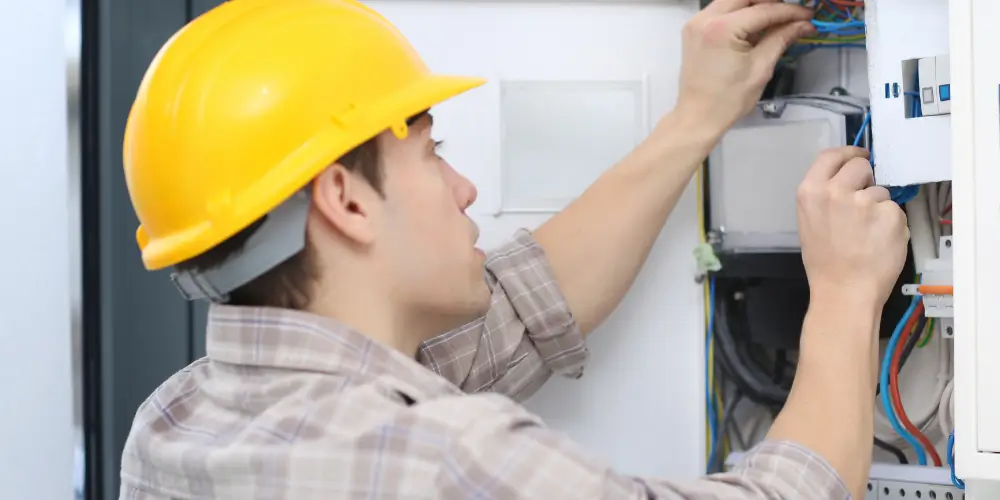
Before any fuse in a breaker panel is touched, basic safety checks must be completed to reduce the risk of shock, arc flash, or accidental damage. The homeowner first confirms that they can legally and safely work on their own electrical system, and that they feel calm, sober, and unrushed. They locate the main disconnect and verify how to shut it off quickly if needed.
Next, they put on appropriate protective gear: insulated gloves rated for electrical work, safety glasses, and dry, grippy footwear. The working area is cleared of clutter, water, and flammable materials, and adequate lighting is set up so every label and screw is visible.
Before opening the panel, they verify that their test equipment works by testing a known live circuit. After the cover is removed, they treat everything inside as energised, keeping tools insulated and hands away from bus bars and exposed conductors unless proven de-energised.
How to Tell If a Fuse Has Blown
Once basic safety checks are complete and the panel can be approached carefully, the next step is confirming whether a suspect fuse has actually blown. A common clue is a dead circuit: lights or outlets on that line stop working, while others remain powered. The person can compare the areas that are out against a circuit map, if available, to narrow down the suspect fuse.
Visual inspection comes next. Many plug-type fuses have a glass window; a blown fuse often shows a broken filament, scorch marks, or cloudiness. Cartridge fuses may show burn marks at the ends or a distorted body.
For confirmation, a multimeter or continuity tester offers a more decisive check. With power isolated, the person places the probes on each end of the removed fuse. No continuity reading indicates the internal link has opened, signalling that the fuse has done its job and must not be reused.
Choosing the Right Replacement Fuse for Your Panel
Even after confirming a fuse has blown, selecting a replacement demands more than simply matching its physical size. The rating printed on the fuse voltage, amperage, and type defines how much electrical load a circuit can safely carry, and ignoring it invites nuisance trips at best, fire risk at worst.
A replacement must always match the original amperage and equal or exceed the voltage rating, never the other way around.
Individuals seeking the freedom to run tools, appliances, and electronics without worry also need to note whether the original is a time-delay (slow-blow) or fast-acting fuse. Motor-heavy circuits, like workshops or HVAC equipment, often rely on time-delay fuses to ride through brief startup surges.
Panel labelling, circuit diagrams, and the markings on the old fuse itself typically reveal the correct specification. When in doubt, consulting the panel documentation or manufacturer data prevents guesswork and keeps the system within safe limits.
Step-By-Step: How to Replace a Fuse Safely
Replacing a fuse in a breaker panel follows a precise sequence of actions designed to control risk at every step. The individual begins by shutting off the main breaker, refusing to work on energised parts. They verify power is truly off with a non-contact voltage tester, confirming the panel is safe to touch before proceeding.
Next, they identify the blown fuse by sight and continuity testing, then clear the work area so movement remains unrestrained yet controlled. Hands stay dry, footing is stable, and tools are insulated to maintain independence from accidental contact with live components.
The actual replacement unfolds in a deliberate order:
- Remove the blown fuse by pulling it straight out, avoiding twisting or prying against metal parts.
- Insert the correctly rated replacement fuse firmly into the same socket, ensuring full contact.
- Close the panel cover, stand to the side, and switch the main breaker back on deliberately.
What to Check After Replacing a Fuse
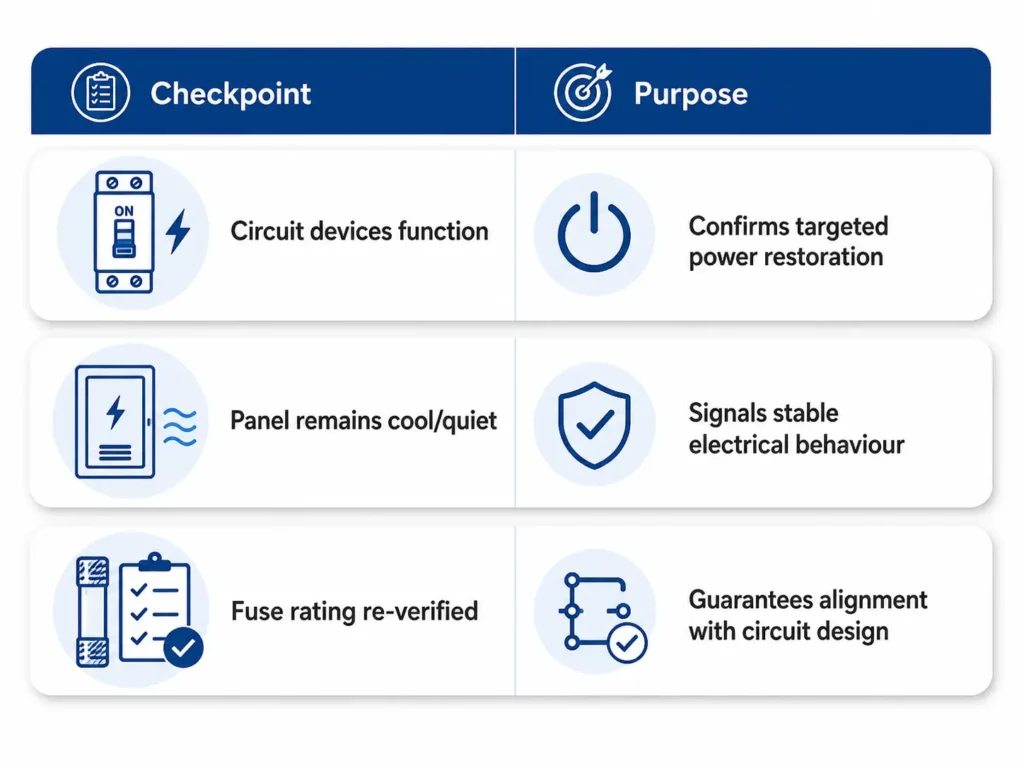
After the new fuse is seated and the main breaker is switched back on, attention shifts from replacement to verification. The individual first confirms that power is restored only to the intended circuit, not to any switch or outlet that was intentionally left off. Lights, appliances, or tools on that circuit are turned on one at a time, guaranteeing normal operation without flickering, hums, or heat.
They then listen and feel for early warning signs. The panel should stay cool to the touch, with no buzzing, crackling, or sharp odour. Any irregular sensation suggests stopping immediately and de-energising the panel.
A simple checklist helps keep the process grounded:
With these checks, freedom from worry becomes more attainable.
Common Mistakes When Replacing Breaker Fuses
Although replacing a blown fuse may seem straightforward, several recurring errors can create new hazards or mask underlying problems. A person seeking independence in home maintenance benefits from knowing how these missteps limit both safety and freedom of choice.
- Using the wrong amperage rating.g A common mistake is installing a fuse or breaker with a higher rating than specified. This may keep circuits running, but it disables built‑in protection, allowing wiring to overheat before a trip occurs.
- Ignoring proper fit and type, swapping in a fuse or breaker that does not match the panel’s design, voltage, or mounting style can cause loose connections, arcing, or unreliable protection, even if the amperage appears correct.
- Working without fully isolating power, some users rely only on flipping a single breaker. Failing to shut off and verify power to the entire panel exposes them to live parts, defeating the goal of safe, self‑reliant electrical work.
When a Blown Fuse Means a Bigger Electrical Problem
When a fuse blows more than once on the same circuit, it often signals an issue deeper than a simple overload. Replacing it repeatedly may briefly restore power, but it does not address the underlying cause. Instead, it can mask hazards that quietly limit a person’s freedom to use their space safely and confidently.
Repeatedly blown fuses can indicate damaged wiring, loose connections, or ageing components inside the panel or in the walls. A single appliance that consistently trips the same fuse may have an internal fault that draws more current than it should.
Heat discolouration around fuse holders, a buzzing panel, or a burning smell suggests that current is flowing where it should not. These patterns indicate the electrical system is no longer handling everyday demands as designed. Recognising them early allows a homeowner to protect both personal liberty of use and the structural integrity of the home.
When to Call a Licensed Electrician
Even confident homeowners reach a point where replacing a fuse is no longer a safe do‑it‑yourself task, and a licensed electrician is needed.
Knowing when to step back protects both personal safety and the freedom to use electrical systems without worry. A professional brings training, test equipment, and code knowledge that most homeowners simply do not have and guessing with electricity can have irreversible consequences.
Homeowners typically gain peace of mind by calling an electrician when any of the following show up:
- Recurring issues – The same fuse blows repeatedly, lights flicker, or breakers trip with no clear cause, suggesting deeper wiring or load problems.
- Signs of damage – Burn marks, melted insulation, buzzing from the panel, or a burning smell indicate overheating or loose connections.
- Panel limitations – Old, crowded, or ungrounded panels, or plans for major new loads, warrant an expert to evaluate capacity and safety.
Frequently Asked Questions
Can I Replace My Fuse Panel With a Modern Breaker Panel Myself?
No, they generally should not. Replacing a fuse panel with a modern breaker panel involves high‑voltage service, permits, inspections, and code compliance; a licensed electrician protects both personal freedom and long‑term safety from fire, shock, and insurance headaches.
How Often Should I Have My Breaker Panel Professionally Inspected?
A breaker panel should be professionally inspected about every 5–10 years, or sooner if lights flicker, breakers trip often, or wiring looks aged, ensuring safe, reliable power while preserving the owner’s freedom to use electricity without constraints.
Are Whole-House Surge Protectors Compatible With Fuse-Based Panels?
Yes, most whole-house surge protectors can be used with fuse-based panels using proper adapters or subpanels. An electrician should verify panel capacity, grounding quality, and local code, then hard‑wire protection at the service entrance.
Can Adding New Circuits Overload My Existing Fuse Panel Capacity?
Yes, adding new circuits can overload an existing fuse panel. The total connected load must stay within the panel’s ampere rating; otherwise, fuses will blow more often, and the conductors may dangerously overheat.
What Home Insurance Issues Arise From Using an Outdated Fuse Panel?
Using an outdated fuse panel can trigger higher premiums, coverage exclusions, or inspection demands, and may limit claims after electrical fires. Insurers often pressure homeowners to upgrade, reduce liability coverage, or threaten policy cancellation, constraining a homeowner’s freedom to manage risk independently.
Conclusion
By understanding how breaker panels and fuses work, a homeowner can handle simple fuse replacements with greater confidence and caution. Clear safety checks, correct fuse selection, and careful step‑by‑step procedures help prevent avoidable hazards and recurring problems. Recognising warning signs of deeper electrical issues and knowing when a licensed electrician is needed ensures that repairs remain safe, code‑compliant, and reliable. With this knowledge, basic electrical maintenance becomes more manageable and less intimidating.