How do you get an EPC? To obtain an Energy Performance Certificate (EPC) in the UK, start by finding a qualified assessor accredited by an approved government body, which you can do via online platforms that allow comparison based on experience and reviews. Schedule an inspection in which the assessor will evaluate key elements, such as heating systems and insulation. Preparation involves ensuring easy access to different areas of your property and having documentation of any recent energy improvements ready. Costs generally range from £35 to £120, varying with property size and location. The process typically concludes within a week, provided there are no complications. Further insight is available for those interested in optimising this process and understanding its implications.
Key Takeaways
- Find a qualified assessor accredited by an approved government body through online platforms or local directories.
- Schedule an evaluation with the assessor to inspect your property, including areas such as insulation, heating systems, and windows.
- Prepare your property for the assessment by ensuring all areas are accessible and documenting any recent energy improvements.
- Expect to pay between £35 and £120 for the EPC, depending on your property’s size and the assessor’s rates.
- You will typically receive your EPC within a week of the assessment, and it remains valid for 10 years unless major changes are made.
Table of Contents
What is an EPC, and Why Do You Need One?
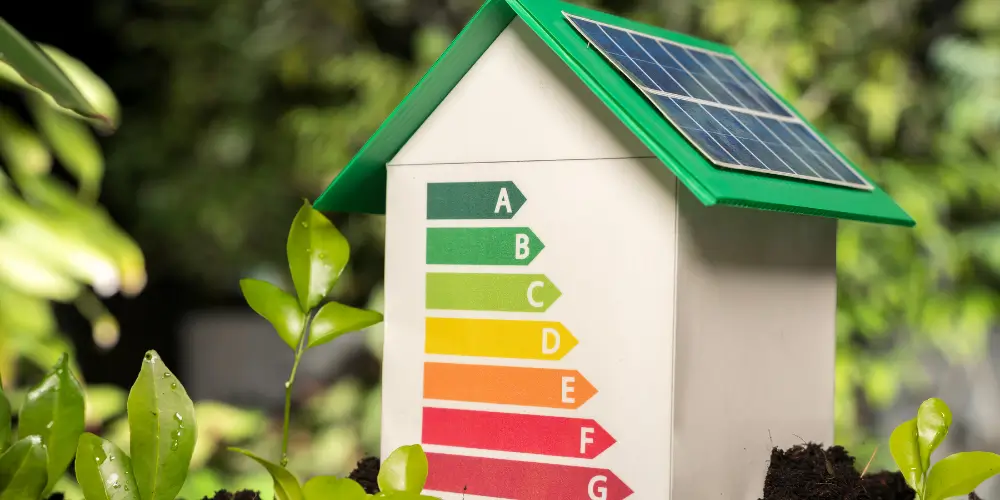
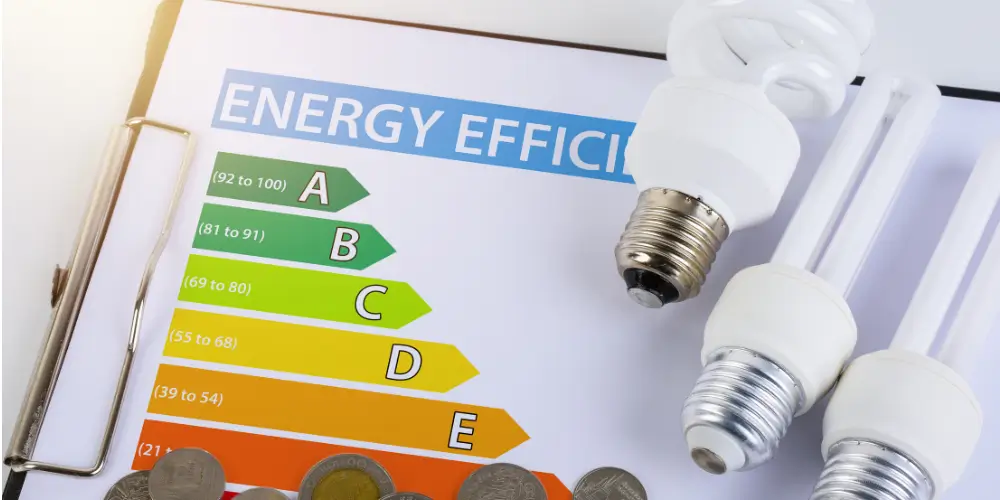
An Energy Performance Certificate (EPC) is a document that assesses the energy efficiency of a property on a scale from A (most efficient) to G (least efficient). This certificate provides a detailed report on the property’s energy use, typical energy costs, and recommendations to reduce energy consumption and save money. It is an essential document for homeowners, landlords, and potential buyers or tenants, as it offers insight into the property’s energy performance and potential financial implications of its energy use.
In the UK, obtaining an EPC is legally required when building, selling, or renting properties. The EPC is important not only for legal compliance but also for environmental and economic reasons. It encourages the adoption of energy-efficient practices that significantly reduce carbon emissions, aligning with broader environmental goals. Additionally, a higher EPC rating can enhance a property’s market value, making it more attractive to buyers and renters who are increasingly conscious of energy efficiency and its impact on living costs. Therefore, securing an EPC is an essential step in responsible property management and ownership.
How to Apply for an EPC and Who Can Issue It?
It is important to understand the steps involved in applying for one and identifying the qualified professionals who can issue it. To initiate an EPC application, property owners should first find a qualified assessor. These assessors must be accredited by an approved government body, guaranteeing they meet the national standards for competency and conduct.
The search for a certified EPC assessor can be conveniently done through various online platforms that list qualified professionals in your area. It is advisable to compare different assessors, considering their experience, customer reviews, and pricing, to find one that best suits your needs.
Once an assessor is selected, you can contact them to schedule an appointment. The assessor will visit your property to evaluate its energy performance, including heating systems, insulation, and windows, among other features. After this evaluation, the assessor will compile the data and generate the EPC. Confirm that the assessor you choose is currently accredited and holds a valid license to practice in the UK, as this guarantees the validity and recognition of your EPC.
How long does it take to get an EPC certificate?
Typically, the process of obtaining an Energy Performance Certificate (EPC) can be completed within a week of the assessor’s visit to the property. This timeframe, however, can vary slightly depending on factors such as the assessor’s availability, the property’s size and complexity, and the speed of data processing.
Once the assessor has visited and assessed the property, they will gather and analyse data on various aspects such as heating systems, insulation, and energy usage. This information is then used to calculate the property’s energy efficiency and generate the EPC. The certificate will not only rate the property’s current energy efficiency but also provide recommendations for improvement.
The timeframe for receiving the EPC can be influenced by the assessor’s workload and the efficiency of the accreditation body overseeing the EPC issuance. In most cases, the document is available in digital format, which can expedite delivery. Property owners should consider contacting their chosen assessor in advance to confirm timing, especially if the EPC is needed urgently for a property transaction or rental agreement.
How to Prepare Your Property for an EPC Inspection
To guarantee a smooth and efficient Energy Performance Certificate (EPC) inspection, property owners should take several preparatory steps. First, confirm that all areas of your property are accessible to the assessor. This includes opening any gates, clearing entrances, and securing pets to prevent interruptions during the inspection. Additionally, it’s helpful to have documentation of any recent energy-related improvements on hand, such as receipts or certificates for new windows, insulation, or heating systems.
Next, make certain that all light bulbs are working, as lighting efficiency is part of the assessment. If your property has a loft, verify that the hatch is accessible and safe to enter, as insulation in this area will be checked. Similarly, provide clear access to your heating system and boiler, including any controls or thermostats, as these are essential in determining your property’s energy efficiency.
Finally, compile an overview of your current energy suppliers and tariffs, if available. This information isn’t mandatory, but it can help the assessor provide a more accurate and thorough evaluation of your property’s energy use. By following these steps, you will facilitate a detailed and expedited EPC assessment process.
How much does an EPC cost in the UK?
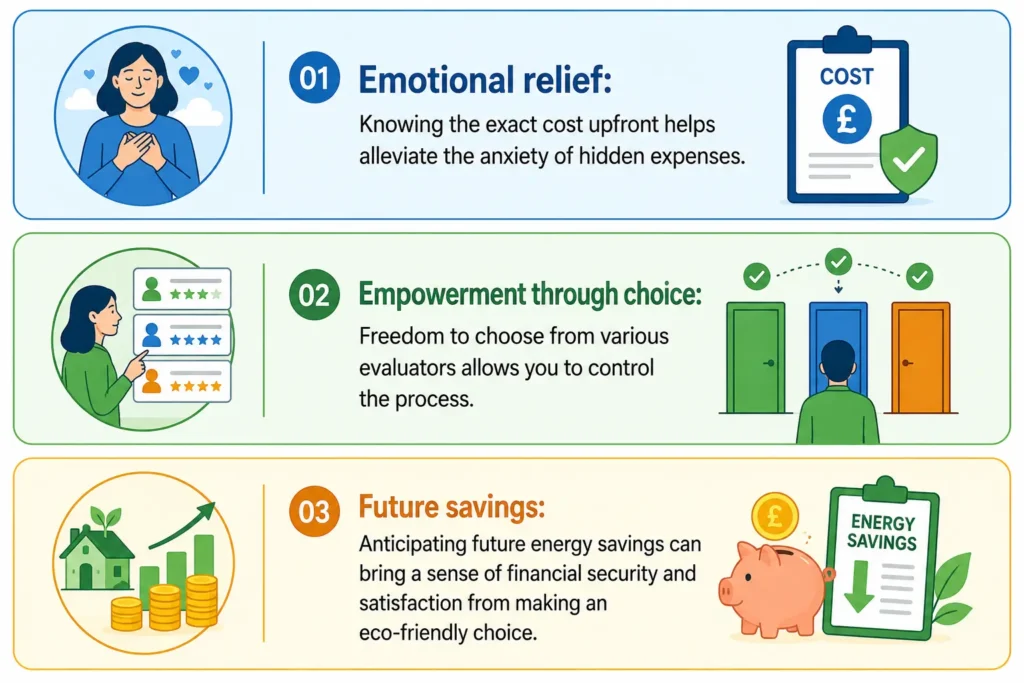
Understanding the costs associated with obtaining an Energy Performance Certificate (EPC) in the UK is essential for property owners planning to sell or rent their homes. The price of an EPC can vary depending on several factors, including the size and location of your property, as well as the evaluator you choose. Generally, homeowners can expect to pay between £35 and £120.
This cost range is influenced by the complexity of evaluating the property and the competitive rates offered by certified evaluators. It’s important to shop around and compare quotes from different service providers to guarantee you get the best deal. Additionally, investing in an EPC is not just about fulfilling a legal requirement; it also serves as a critical tool for enhancing your property’s energy efficiency, which can lead to long-term savings on energy bills.
What Happens After You Get an EPC Certificate?
Once you have obtained your Energy Performance Certificate (EPC), it serves as more than just a compliance document for selling or renting your property. It also provides a detailed report on your property’s energy use, typical energy costs, and recommendations for reducing energy use and saving money. This can be particularly beneficial for identifying cost-effective upgrades and improvements.
After receiving your EPC, the certificate will be valid for 10 years. It can be used multiple times within that period, provided no significant energy-related modifications are made to the property. It is important to keep your EPC up to date to reflect any major improvements, as this could boost your property’s energy rating and potentially increase its market value. Check out the more details on EPC frequency.
The EPC also offers a benchmark for future energy performance assessments. By comparing your property’s current rating with future assessments, you can assess the effectiveness of improvements made over time. This ongoing evaluation can be instrumental in maintaining an energy-efficient home or commercial space.
Additionally, prospective buyers or tenants may request to see the EPC to understand the property’s energy efficiency. A higher rating can make your property more attractive to energy-conscious individuals or organisations.
Common Mistakes to Avoid When Getting an EPC
While learning how do you get an EPC, it is important to understand that certain pitfalls may complicate the process. Being aware of common mistakes can help you avoid delays, additional costs, and the frustration of having to redo the assessment. Here are some critical errors to watch out for:
- Choosing an unqualified assessor: Verify that your assessor is accredited and recognised by an appropriate governing body. Hiring someone without the proper credentials can lead to an invalid EPC, causing significant delays in your property transactions.
- Not preparing your property: Failing to optimise your property’s condition before the assessment can result in a lower EPC rating. Simple actions like replacing old light bulbs with energy-efficient ones, insulating hot water tanks, and sealing drafts can positively impact your property’s energy performance.
- Ignoring previous EPC recommendations: If your property had an EPC before, it likely came with suggestions for improving energy efficiency. Overlooking these recommendations can be costly, as implementing these improvements could enhance your property’s rating and appeal to energy-conscious buyers or tenants.
Frequently Asked Questions
Can I Sell My Property Without a Valid EPC?
In the UK, it is legally required to have a valid Energy Performance Certificate (EPC) before selling a property. Failing to provide an EPC can result in penalties, inhibiting the sale process.
Does an EPC Expire After a Property Renovation?
An Energy Performance Certificate (EPC) does not automatically expire following a renovation. However, updating the EPC can reflect any improvements in energy efficiency, potentially enhancing the property’s marketability and value.
Are There Exemptions to Requiring an EPC?
Yes, there are exemptions to requiring an Energy Performance Certificate (EPC). These include listed buildings, temporary properties intended for use less than two years, and places of worship, among other specific category exemptions.
What Penalties Exist for Not Having an EPC?
UK property owners face fines ranging from £500 to £5,000 for failing to have an Energy Performance Certificate (EPC) when selling or renting properties. The penalty amount depends on the property’s value.
Can EPC Ratings Affect Property Insurance Rates?
Yes, EPC ratings can affect property insurance rates. Properties with higher energy efficiency (better EPC ratings) may attract lower insurance premiums due to reduced risks of energy-related damage and maintenance issues.
Conclusion
To summarise, how do you get an EPC? The process, from application through to inspection, requires careful preparation and understanding of regulatory requirements. By avoiding common pitfalls and engaging qualified assessors, property owners can efficiently obtain an EPC, thereby enhancing their property’s energy performance and contributing to broader environmental sustainability efforts.