In the UK, an Energy Performance Certificate (EPC) is valid for 10 years from its issue date. If you are asking How Long Do EPC Certificates Last, an EPC issued in 2016 expires in 2026, while one issued in 2017 remains valid beyond 2026. Validity can be confirmed by checking the issue date on the certificate or via the official EPC Register (separate registers apply in Scotland and Northern Ireland). Renovations do not void an EPC, but upgrades can make it outdated. Further guidance explains checks and renewal timing.
Key Takeaways
- UK EPC certificates are valid for 10 years from the issue date, after which a new assessment is required to remain compliant.
- For 2026, EPCs issued in 2016 expire; EPCs issued in 2017 or later remain valid through 2026.
- Renovations don’t void an EPC early, but major upgrades can make the rating outdated, so updating can better reflect improvements.
- You need a valid EPC to market a property for sale or rent; expired or missing EPCs must be replaced before listing.
- Check expiry on the official EPC Register (separate registers for Scotland and Northern Ireland) to avoid penalties and delays in listing.
Table of Contents
How Long Does an EPC Last in the UK (10 Years)?
Although an Energy Performance Certificate (EPC) is often treated as a one-off document, its validity in the UK is limited to 10 years from the date of issue. If you are wondering How Long Do EPC Certificates Last, after that point, it no longer counts for marketing a property for sale or rent, and a fresh assessment is needed to stay compliant. This 10-year window gives owners and landlords breathing room: they can choose when to commission a new EPC, rather than being forced into frequent renewals.
It also supports informed choice, letting prospective buyers and tenants compare homes using a standardised rating while recognising that buildings and energy costs change over time. An EPC can be renewed earlier if the owner wants an updated rating after improvements such as insulation, glazing, or heating upgrades. The newest certificate then replaces the old one on the register.
Is Your EPC Still Valid in 2026? Check the Issue Date
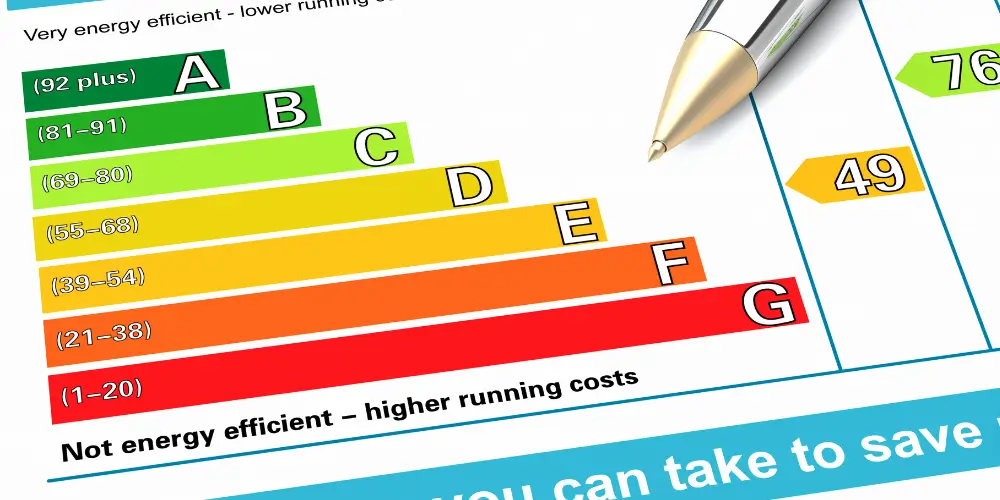
Since EPCs run for 10 years from the date of issue, a quick check of the certificate’s issue date is the simplest way to confirm whether it remains valid in 2026. If the issue date falls in 2016, it expires on the same calendar day in 2026; if it was issued in 2017 or later, it remains valid through 2026.
If it was issued in 2015 or earlier, it will already be out of date and cannot be relied on for a new sale or tenancy. This date check protects the choice and avoids unnecessary costs. A valid EPC lets an owner market, rent, or sell without repeating the assessment.
Yet older certificates may no longer reflect upgrades such as insulation, glazing, or heating changes, so replacing an EPC early can be voluntary and strategic rather than forced. The key is simple: issue date dictates validity, not occupancy or ownership changes.
How to Check Your EPC Expiry Date Online
Where can an owner or tenant confirm an EPC’s expiry date without digging through old paperwork? The quickest route is the official EPC Register for England and Wales (epc-register.com). By entering a postcode and selecting the correct address, the register displays the certificate’s issue date and “valid until” date, plus a downloadable PDF.
If you need assistance with your EPC or want to arrange a new one in Cardiff, visit our Energy Performance Certificate for Cardiff to get started.
For Scotland, the equivalent lookup is on the Scottish EPC Register, while Northern Ireland uses the NI EPC database; both use an address search and show the expiry date on-screen. If the address has multiple entries, the most recent certificate should be opened to confirm the latest validity period.
When online access is blocked, the EPC reference number (often on tenancy packs or sale particulars) can be searched directly on the relevant register. This self-serve check keeps control with the property user, avoiding delays, phone queues, or unnecessary intermediaries today.
Do Renovations or Upgrades Make an EPC Invalid?
Renovations can change how a home performs, but they do not automatically void an existing EPC. If you are asking How Long Do EPC Certificates Last, in the UK, an EPC remains valid for up to 10 years from the issue date, regardless of most upgrades, extensions, or refits. The certificate is simply a snapshot of the property’s energy features at the time of assessment, not a live record that updates itself.
That said, improvements can make the published rating outdated. Adding insulation, replacing a boiler, installing double glazing, fitting heat pumps, solar PV, smart controls, or better ventilation may greatly alter running costs and emissions.
Major layout changes, new floor area, or altered heating zones can also shift performance assumptions. Owners who value accurate information and fewer constraints often choose to commission an updated EPC after meaningful work, especially when planning further upgrades or comparing options. Keeping paperwork for installed measures helps an assessor reflect changes accurately later on.
When Do You Need a New EPC to Sell a Property?
When is a new EPC required for a property sale in the UK?
A seller must have a valid Energy Performance Certificate available when a home is marketed, with the rating shown on listings and the certificate provided to serious buyers. If an EPC is still valid for 10 years, a new one is not required; the seller may reuse it, even if improvements have been made since, as long as the document remains valid and relates to that property.
A new EPC is needed when the existing certificate has expired, cannot be located, or was issued for a different building or a materially different configuration (for example, the property has been split into flats or merged). If there is no current EPC, one must be commissioned before or at the point of marketing to avoid delays, disputes, or enforcement action. Buyers may still request an updated EPC, but it is optional.
For more information on the legal requirements for buying and selling properties in the UK, visit the Gov.uk buying and selling a home.
When Do You Need a New EPC to Rent or Re-Let?
To let or re-let a property in the UK, a landlord must have a valid Energy Performance Certificate (EPC) in place before marketing begins and must make it available to prospective tenants, with the rating shown on adverts. If you are wondering How Long Do EPC Certificates Last, the existing EPC is still valid for 10 years and can usually be reused for a new tenancy, renewal, or change of occupants without commissioning a new assessment. A new EPC is needed when the current certificate has expired, is missing, or was never produced for that dwelling.
It is also required where a landlord is letting a newly built home for the first time, or where a property has been split into self-contained units, and each unit needs its own certificate. Separately, Minimum Energy Efficiency Standards can restrict letting the required rating below unless an exemption applies; this affects legality, not EPC lifespan.

When Does Renewing an EPC Early Make Sense?
Although an EPC remains valid for 10 years, renewing it early can be sensible after substantial energy-efficiency improvements such as upgraded insulation, new heating controls, or double glazing, where a higher rating may support compliance with Minimum Energy Efficiency Standards, strengthen marketing appeal, or reflect a change in the property’s layout or services that makes the existing assessment outdated. It can also help owners act on their own timetable, rather than waiting for a future trigger, and provides clearer evidence of reduced running costs when comparing similar homes.
Early renewal is most useful when improvements are measurable and permanent, not cosmetic, and when the property is likely to be sold, re-mortgaged, or refinanced soon.
- A warmer loft with thick new insulation, trapping heat like a sealed flask
- A modern boiler and smart controls quietly cut waste in the background
- New glazing turning draughty rooms into calm, comfortable spaces
For those who value autonomy, an updated EPC is a simple way to keep options open and make self-directed decisions.
What Happens if You Market a Property With an Expired EPC?
If a property is marketed in England, Wales, or Northern Ireland with an expired EPC, the seller or landlord may be in breach of legal requirements to make a valid certificate available to prospective buyers or tenants. Trading Standards can issue civil penalties, and agents may refuse to list or continue advertising until a new EPC is commissioned and lodged.
Marketing without a valid EPC also weakens negotiating power. Buyers and tenants can treat the omission as a warning sign, ask for price reductions, or walk away, choosing homes where energy costs are transparent. For landlords, an expired EPC can create extra exposure if the property also falls below minimum energy efficiency rules, risking further enforcement and limits on letting.
The practical fix is simple: arrange an assessment early, keep the report number on hand for listings, and ensure any online ads link to the current certificate. That preserves choice and keeps transactions moving.
Frequently Asked Questions
What’s the Difference Between EPC Rating and Actual Energy Bills?
An EPC rating estimates a property’s theoretical efficiency under standard use; actual energy bills reflect real habits, occupancy, tariffs, weather, and maintenance. The rating guides choices, while bills show personal outcomes and controllable costs.
Do Listed Buildings or Conservation Areas Need an EPC?
Listed buildings and properties in conservation areas usually need an EPC when sold or let, but some may be exempt if compliance would unacceptably alter character. Owners can claim exemptions, yet must justify them.
Can I Reuse an EPC When Converting a House Into Flats?
Generally, an existing EPC cannot be reused after converting a house into flats; each new dwelling typically needs its own EPC. If layouts and services remain unchanged, assessors may advise otherwise, but enforcement varies.
How Much Does an EPC Cost in 2026, and Who Pays?
In 2026, an EPC typically costs £60–£120 for houses, more for larger properties. The seller or landlord usually pays, though buyers or tenants may negotiate. Choosing accredited assessors supports autonomy and fair pricing.
Can I Challenge or Correct Mistakes on My EPC Report?
Yes, mistakes on an EPC can be challenged. The owner should contact the assessor to amend the evidence or lodge a complaint with their accreditation scheme. If unresolved, it may be escalated to the EPC Register.
Conclusion
If you are asking How Long Do EPC Certificates Last, EPC certificates in the UK typically remain valid for 10 years from the date of issue, meaning many will still be current in 2026 if issued from 2016 onwards. Homeowners and landlords can confirm expiry by checking the EPC register online. Major renovations do not automatically invalidate an EPC, but an updated assessment may better reflect improvements. A new EPC is required when selling or renting if the existing one has expired. Marketing without a valid EPC can lead to penalties.