
Working Practices Can Be Fire Hazards: Everyday workplace practices can create significant fire dangers through overlooked ignition sources, combustible clutter, and improper storage. Routine tasks may expose wiring, leave flammable residues, or concentrate fuels near heat-producing equipment. Behaviors like careless smoking, unattended hot work, and overloaded outlets increase ignition risk. Proper cabinets, gas segregation, hot work permits, and simple inspection routines reduce risk. Clear procedures and balanced controls promote safety and operational freedom. Continue with practical measures and specific steps to reduce risk.
Key Takeaways
- Routine work habits can create ignition sources and accumulate combustible materials near heat-producing equipment, raising fire risk.
- Unsafe behaviors improper smoking, unattended hot work, and careless waste disposal- significantly increase the chances of workplace fires.
- Improper storage of flammable liquids, compressed gases, or reactive chemicals concentrates fuel and escalates hazard severity.
- Use hot work permits, remove fuel, and maintain fire watches to control sparks, heat, and post-task risks.
- Simple control systems, regular inspections, and clear record-keeping balance safety rigor with operational practicality.
Table of Contents
Why Everyday Workplace Practices Create Fire Risks
Although routine tasks are mundane, they often involve overlooked ignition sources, combustible materials, and compromised safety controls that together elevate fire risk. The workplace accumulates materials paper, packaging, solvents near heat-producing equipment and electrical panels. Minor maintenance tasks can leave wiring exposed or tools coated in flammable residues. Improper storage and disposal practices concentrate fuel and hinder emergency access. Equipment operated beyond intended use or without guards increases friction and heat generation.
Working Practices Can Be Fire Hazards: Ventilation compromises allow flammable vapors to build, expanding the zone where a spark can ignite them. Organisational pressures that prioritise speed over procedure erode adherence to inspection schedules and permit systems. Even well-intentioned shortcuts, like using temporary wiring or bypassing lockout procedures, shift control from engineered safeguards to chance. Recognising these links between everyday choices and hazard escalation empowers workplaces to adopt practical controls that preserve both safety and the freedom to work efficiently. Find out How Would A Potential Ignition Source Be Described In The Workplace?
Everyday Behaviors That Start Workplace Fires
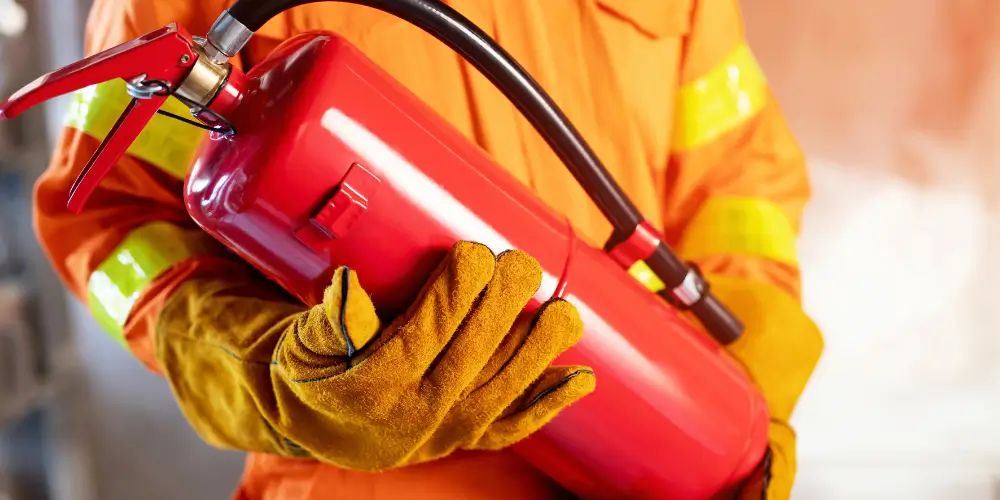
Many common workplace behaviors improper smoking, unattended hot work, careless disposal of combustible waste, and overloading electrical outlets directly spark fires by combining ignition sources with fuel and oxygen. The workplace often permits small liberties that accumulate risk: a cigarette stub dropped in a bin, a grinder left near paper, or a surge protector burdened with too many devices. These actions are preventable with strict control, respecting individual freedom while enforcing clear safety boundaries.
- Smoking and ash care: improper extinguishing and lax designated areas increase chance of smoldering fires.
- Hot work and heat sources: welding, cutting, and even cooking left unchecked produce sparks that meet flammable materials.
- Electrical misuse and waste handling: overloaded circuits, frayed cords, and careless trash disposal create rapid ignition paths.
A culture that values autonomy can still adopt straightforward habits, designated zones, tool checks, and simple disposal protocols to reduce accidental fires while preserving personal liberty.
High‑Risk Materials and Safe Storage Practices
When flammable liquids, compressed gases, and reactive chemicals are present, they exponentially increase the likelihood and severity of workplace fires, so strict storage protocols are essential. The workplace should segregate incompatible materials, limit quantities to necessary levels, use approved containers, and maintain clear labeling. Ventilation, grounding for flammable liquids, and regularly inspected gas cylinder restraints reduce risk. Emergency access, spill containment, and simple inventory control empower workers to act freely yet safely. Routine training reinforces responsibilities without micromanagement, and designated storage areas preserve operational autonomy while minimising hazards.
| Material Type | Storage Requirement | Control Measure |
| Flammable liquids | Approved cabinets, limit quantity | Bonding/grounding, ventilation |
| Compressed gases | Secured cylinders, segregated types | Regulators, leak checks |
| Reactive chemicals | Cool, labeled, isolated | Incompatibility charts, spill kits |
Periodic audits and clear signage sustain freedom of operation by preventing incidents that would curtail workplace liberties.
Hot Work Hazards and Required Controls
Because hot work creates sparks, high heat, and airborne embers, it stands among the leading causes of workplace fires and requires strict controls. A detached observer notes that cutting, welding, grinding, and similar tasks introduce ignition sources into diverse environments; uncontrolled, they threaten personnel, property, and continuity. Effective risk reduction relies on clear permits, trained workers, and situational awareness without stifling initiative.
- Implement a hot work permit system that documents scope, duration, and required safeguards.
- Establish fuel removal, fire watches, and appropriate extinguishers; maintain ventilation to disperse flammable atmospheres.
- Require certified operators, lockout of nearby hazards, and post‑task inspections before returning the area to normal operations.
These measures preserve operational freedom while enforcing boundaries where fire risk exists. Compliance becomes an enabler of autonomy rather than a constraint, ensuring teams can work creatively and confidently within safe limits.
Electrical and Equipment Fire Hazards
Hot work incidents often expose underlying vulnerabilities in equipment and wiring that can ignite independently of sparks or open flames; electrical and mechanical failures present a separate but equally significant class of workplace fire hazards. Equipment overheating, worn insulation, overloaded circuits, and faulty motors can smolder and erupt without obvious warning. Regular inspection, clear labeling, and routine maintenance preserve operational freedom by preventing hidden failures. Portable devices should carry current ratings; fixed installations need professional testing. Workers benefit from accessible shutdown procedures and training that emphasises recognition of unusual heat, noise, or odor.
| Hazard | Typical Cause | Preventive Action |
| Overloaded circuit | Excessive connected load | Redistribute load, upgrade panels |
| Worn wiring | Physical damage, age | Replace, use certified cables |
| Motor failure | Bearing seize, overheating | Scheduled lubrication, thermal sensors |
| Portable heater risk | Improper placement | Safe distance, auto-shutoff |
Clear policies enabling prompt repair and empowered stops reduce risk while maintaining autonomy and operational flow.
Clutter, Housekeeping, and Rapid Escalation Risks
Clutter and poor housekeeping create fuel beds and obstruct escape routes, turning small ignition sources into rapidly spreading fires. The accumulation of combustible materials concentrates risk, while blocked exits and tangled aisles reduce options when evacuation is needed. This environment amplifies heat release and smoke, accelerating escalation and limiting time to act.
- Visible accumulations: piles of paper, pallets, and stored goods increase combustible load and heat transfer.
- Hidden hazards: dust, lint, and abandoned packaging collect in cavities and on equipment, igniting from minor sparks.
- Egress impairment: stacked items, misplaced furniture, and chained doors hinder prompt evacuation and firefighter access.
Practical Controls: Policies, Training, and Checklists
Effective controls combine clear policies, routine training, and practical checklists to reduce fire risk from poor housekeeping. Policies should be concise, rights-respecting, and focused on outcomes, designating storage limits, defining waste removal schedules, and assigning responsibilities without micromanagement. Training must empower staff with straightforward principles: recognise ignition sources, prioritise safe disposal, and apply simple containment measures. Practical checklists translate policy into action, prompting daily inspections of potential fuel sources, safe routes for waste removal, and proper storage arrangements.
Supervisors use checklists to verify compliance, record deviations, and enable corrective steps that preserve autonomy while maintaining safety. Feedback loops encourage staff to propose improvements, aligning safety with operational freedom. Documentation of training and checklist results creates accountability without punitive overreach, supporting continuous improvement. Together, these elements create a lightweight, effective control system that reduces fire hazards from clutter and unsafe practices while respecting workers’ desire for independence. Here are the detailed Seven Basic Fire Safety Control Measures to Protect Your Workplace
Fire Detection, Inspection, and Testing Routines
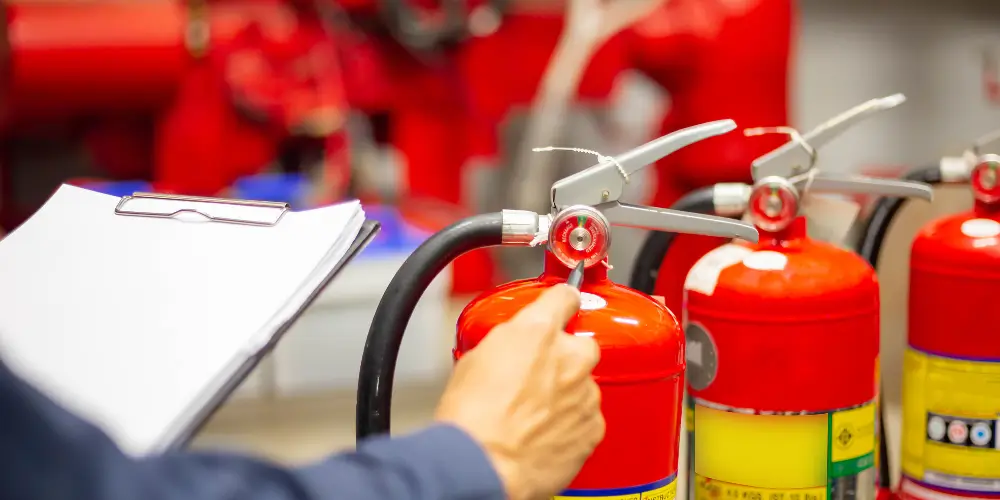
Policies, training, and checklists set expectations and habits; to confirm they work in practice, a structured program of fire detection, inspection, and testing routines is required. A clear schedule preserves safety while allowing individuals to operate with autonomy; regular detection checks and visible logs empower staff to trust systems and act without micromanagement. Inspections should focus on function and accessibility: alarms, detectors, manual call points, extinguishers, and escape routes.
- Monthly visual checks to verify devices are unobstructed and indicator lights are normal.
- Quarterly functional tests for alarms and emergency lighting, with recorded outcomes and prompt remedial actions.
- Annual full-system servicing by qualified technicians, including detector sensitivity calibration and suppression system verification.
Records must be concise, accessible, and auditable so teams can confirm compliance quickly. A routine that balances rigor and simplicity supports freedom of action while ensuring detection and response mechanisms remain reliable and effective.
Frequently Asked Questions
Can Personal Devices (Phones, E-Cigarettes) Start Workplace Fires?
Yes. Personal devices like phones and e-cigarettes can ignite workplace fires if batteries fail, chargers overheat, or devices contact flammable materials. Individuals value autonomy but should manage charging, storage, and safe use to reduce accidental ignition risks.
How Do Insurance Policies Affect Fire Risk Mitigation Requirements?
Insurance policies often mandate specific mitigation measures, but the insured retains autonomy; premiums, coverage limits, and compliance audits incentivise adherence, while failure to meet requirements can reduce claims or void coverage, prompting voluntary risk reductions.
Are There Legal Liabilities for Employees Who Ignore Fire Safety Rules?
Yes. Employers may pursue disciplinary or civil action; in some jurisdictions, employees can face criminal charges for gross negligence causing fire-related harm. Liability depends on intent, local law, workplace policies, and documented compliance with safety training.
Can Pests or Wildlife Contribute to Workplace Fire Hazards?
Yes. Pests or wildlife can contribute to workplace fire hazards by chewing wiring, nesting near heat sources, spreading combustible debris, or igniting materials, creating unpredictable ignition points and increasing both fire risk and potential property loss.
What Role Does Building Design (E.G., Atriums) Play in Fire Spread?
Atriums and open plans accelerate smoke and heat spread, allowing fires to travel vertically and horizontally. Designers who prioritise freedom should favor compartmentation, smoke control, and clear egress to limit rapid propagation and preserve occupant escape.
Conclusion
Working Practices Can Be Fire Hazards: Everyday workplace practices, when unchecked, create cumulative fire risks that can quickly escalate. Routine behaviors, improper storage of flammable materials, hot work without controls, faulty electrical equipment, and poor housekeeping all increase the likelihood and severity of fires. Effective prevention relies on clear policies, focused training, practical checklists, and diligent inspection, detection, and testing routines. When organizations adopt these measures consistently, they materially reduce ignition sources, limit fuel availability, and strengthen overall resilience against workplace fires.