Types of Wiring Codes in the 18th Edition The 18th Edition Wiring Codes provide essential guidelines for electrical safety and installation in the UK. They categorise wiring systems into fixed installations and flexible systems, emphasising risk assessment and compliance with UK Wiring Regulations (BS 7671). Various circuit types, such as final and distribution circuits, are defined, ensuring proper protection against hazards. These codes also highlight material usage and installation practices. To fully grasp the different wiring types and their requirements, further exploration will enhance understanding.
Key Takeaways
- The 18th Edition Wiring Codes ensure electrical safety and compliance with UK regulations, crucial for electricians and contractors.
- Wiring systems are classified into fixed installations and flexible systems based on installation requirements and safety standards.
- Circuit types include final circuits for sockets and lighting, and distribution circuits for main supply connection, each with specific regulations.
- Regular inspections and testing are essential to minimise risks of electric shock and fire hazards in electrical installations.
- Proper labeling, documentation, and material selection are emphasised to ensure future compliance and safety in electrical systems.
Table of Contents
18th Edition Wiring Codes Explained: Understanding Electrical Installation Requirements
The 18th Edition Wiring Codes serve as the cornerstone for electrical safety and installation standards in the UK. These codes are essential for guaranteeing the reliability and safety of electrical systems. They outline requirements for various aspects of electrical installations, including wiring methods, circuit design, and protection against electrical shock.
Compliance with these codes is mandatory for electricians and contractors, as it guarantees that installations are safe, efficient, and up to date with current technology. The codes address issues such as earthing, bonding, and the use of appropriate materials, emphasising the importance of risk assessment in design and implementation.
Regular updates to the codes reflect advancements in technology and changes in safety practices. Understanding these requirements helps professionals maintain high standards of work and guarantees that installations comply with legal regulations, ultimately protecting both users and properties from potential hazards.
Electrical Wiring Codes in the 18th Edition: A Complete UK Guide
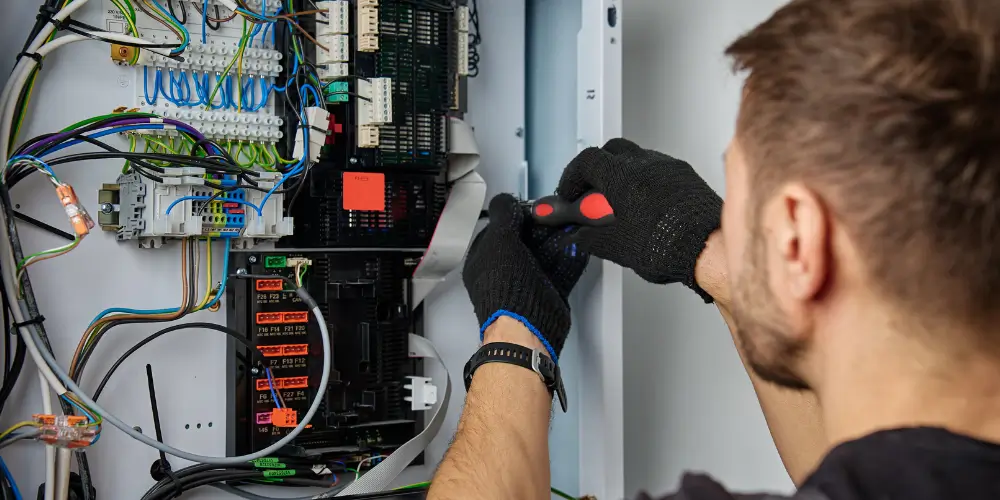
While traversing the complexities of electrical installations, understanding the specific wiring codes outlined in the 18th Edition is crucial for professionals in the UK. This edition, governed by the UK Wiring Regulations (BS 7671), introduces thorough guidelines that enhance safety and efficiency in electrical systems. Key aspects include the classification of wiring types, such as fixed installations and flexible systems, along with requirements for earthing and bonding.
Additionally, the 18th Edition emphasises the importance of risk assessment and the need for periodic inspections and testing to guarantee ongoing compliance. Professionals must also be aware of the latest amendments, which address emerging technologies and sustainable practices. Adhering to these codes not only guarantees legal compliance but also promotes a safer electrical environment. Consequently, familiarity with the 18th Edition wiring codes is indispensable for electricians and contractors aiming to maintain high standards in their work.
18th Edition Wiring Regulations: Types of Wiring Systems and Codes Explained
Understanding the various types of wiring systems outlined in the 18th Edition Wiring Regulations is essential for ensuring compliance and safety in electrical installations. The regulations specify several recognised wiring systems, including the conventional wiring system, which employs cables within walls or conduits, and the surface-mounted wiring system, which is often used for retrofitting in existing structures.
Additionally, the regulations detail special wiring systems like the TT system, where the earth connection is provided through a local earth electrode, and the TN system, which connects the installation to the supply’s earth. Each type of system has its own applications, advantages, and limitations, making it vital for electricians to select the appropriate system based on the specific requirements of the installation. Adhering to these guidelines helps to mitigate risks associated with electrical faults and enhances overall safety in residential and commercial settings.
Understanding Wiring Codes Under the 18th Edition BS 7671 Regulations
Wiring codes under the 18th Edition BS 7671 Regulations serve as a crucial framework for electrical safety and compliance. These codes provide essential guidelines for the design, installation, and maintenance of electrical systems in the UK. They are structured to guarantee that all electrical installations meet safety standards, thereby reducing risks of electric shock, fire, and equipment damage.
Each code encompasses specific criteria tailored to various environments, such as residential, commercial, and industrial settings. Additionally, these codes are regularly updated to reflect technological advancements and evolving safety practices. Compliance with the 18th Edition not only guarantees legal adherence but also promotes best practices among electrical professionals. Understanding these codes is imperative for electricians, engineers, and contractors, as it enables them to deliver safe and efficient electrical installations. Ultimately, the 18th Edition serves as a cornerstone for safeguarding both people and property in electrical endeavors.
BS 7671 18th Edition Wiring Codes Explained for UK Electrical Installations
The BS 7671 18th Edition Wiring Codes provide a detailed framework for electrical installations across the UK, ensuring safety and compliance. These codes are essential for electricians, as they outline the standards required for safe electrical practices. The document encompasses various aspects of wiring, including design, installation, and maintenance of electrical systems.
One of the primary aims of these codes is to minimise risks such as electric shock and fire hazards. Specific regulations address the selection of appropriate materials, earthing requirements, and circuit protection measures. Additionally, the codes emphasise the need for regular inspections and testing to uphold safety standards.
What Are the Wiring Codes in the 18th Edition? A Guide for Electricians and Landlords
How can electricians and landlords guarantee compliance with safety standards in electrical installations? The 18th Edition of the IET Wiring Regulations (BS 7671) provides essential wiring codes that serve as a framework for safe electrical practices. These codes are designed to make certain installations safe, efficient, and reliable. Electricians must familiarise themselves with these codes to apply them correctly in various projects.
For landlords, understanding these regulations is vital for maintaining tenant safety and adhering to legal obligations. Each wiring code specifies particular requirements regarding installation methods, materials used, and equipment specifications. Compliance helps mitigate risks associated with electrical hazards, making sure that systems function correctly and efficiently. Regular inspections and updates to installations in line with the 18th Edition are also necessary to uphold safety standards. As a result, both electricians and landlords must prioritise adherence to these codes to foster a safe and compliant electrical environment.
18th Edition Electrical Wiring Codes: Types, Meanings and Requirements
Understanding the various types of electrical wiring codes outlined in the 18th Edition is essential for ensuring safety and compliance in installations. The codes are categorised into several classifications, each serving a specific purpose. For instance, codes such as “W” denote wiring methods, while “C” signifies circuit requirements. Moreover, “S” codes pertain to special installations, addressing unique safety and operational considerations.
Each code is accompanied by specific meanings and requirements that dictate how electrical systems should be designed and executed. Compliance with these codes minimises risks associated with electrical faults, thereby protecting both users and property. Additionally, the 18th Edition emphasises the importance of proper labeling and documentation, ensuring that all installations are clear and traceable. Electricians and contractors must familiarise themselves with these codes to maintain high safety standards and adhere to legal obligations in their work.
A Complete Guide to Wiring Codes in the 18th Edition IET Regulations
While traversing the complexities of electrical installations, familiarity with the wiring codes established in the 18th Edition of the IET Regulations is vital. These codes provide a framework for safe and efficient electrical design, installation, and maintenance. The regulations outline various aspects, including the identification of conductors, color codes, and the requirements for protective devices.
Key wiring codes are denoted by alphanumeric characters, facilitating easy reference and understanding. For instance, the code ‘L’ signifies line conductors, whereas ‘N’ denotes neutral conductors. Compliance with these codes guarantees that installations adhere to safety standards and minimises the risk of electrical hazards.
Moreover, the 18th Edition emphasises the importance of proper labelling and documentation, which aids in future inspections and maintenance. Understanding these wiring codes equips professionals with the necessary knowledge to implement compliant electrical systems effectively. This foundational understanding is vital for any electrical practitioner working within the UK framework. Check What Is an 18th Edition Certificate and Why Does It Matter for Safety
Electrical Installation Wiring Codes Explained: 18th Edition BS 7671 Guide
The 18th Edition of the IET Regulations, also known as BS 7671, provides essential wiring codes that govern electrical installations in the UK. These regulations guarantee safety, efficiency, and reliability in electrical systems, addressing various aspects of wiring design and installation. The codes encompass standards for materials, methods, and practices that electricians must adhere to when performing installations.
The guidance includes requirements for circuit protection, earthing, and bonding, as well as the proper use of cables and conduits. Additionally, the regulations emphasise the importance of risk assessment and compliance with environmental considerations. Adhering to these codes not only enhances safety but also assures that installations meet the necessary legal standards. By following the BS 7671 framework, professionals can minimise hazards and ensure that electrical systems function effectively while protecting both users and property from potential risks.
18th Edition Wiring Codes: How Electrical Circuits Are Classified in the UK
In the UK,Types of Wiring Codes in the 18th Edition electrical circuits are classified according to specific categories outlined in the 18th Edition Wiring Codes, which helps guarantee safety and functionality. These classifications include various types of circuits, such as final circuits, distribution circuits, and special installations. Final circuits supply power to sockets, lighting, and other equipment, ensuring they function safely within designated limits. Distribution circuits, on the other hand, are designed to carry electricity from the main supply to multiple final circuits. Special installations encompass unique requirements for specific uses, such as outdoor lighting or swimming pools, necessitating additional safety measures. Each type of circuit follows stringent regulations to minimise risks like overloads or short circuits, ensuring compliance with the broader framework of the UK’s wiring regulations. By adhering to these classifications, electricians can create safe, efficient, and legally compliant electrical systems that meet the diverse needs of residential and commercial environments.
Frequently Asked Questions
How Often Should Wiring Be Inspected Under the 18TH Edition?
Amidst the intricate dance of wires and circuits, it is advised that electrical installations undergo inspection every three to five years. This periodic scrutiny guarantees safety and compliance, safeguarding homes from potential hazards lurking in shadows.
What Are the Penalties for Non-Compliance With Wiring Codes?
Penalties for non-compliance with wiring codes can include fines, legal action, and increased insurance premiums. Additionally, non-compliance may result in safety hazards, leading to potential accidents or injuries, further complicating legal and financial ramifications.
Can DIY Electrical Work Meet 18TH Edition Standards?
Statistics indicate that approximately 70% of DIY electrical projects fail to meet safety standards. To comply with the 18th Edition regulations, DIY electrical work must adhere strictly to guidelines, often necessitating professional consultation for safety.
Are There Exemptions for Older Installations Under These Regulations?
Yes, older installations may have exemptions under the regulations, particularly if they were compliant at the time of installation. However, any significant alterations or repairs typically require adherence to current standards for safety.
How Do These Codes Affect Renewable Energy Installations?
The codes greatly influence renewable energy installations by ensuring safety, compatibility, and efficiency. Compliance with regulations facilitates proper integration of solar panels and wind systems, enhancing performance while minimising risks associated with electrical hazards.
Conclusion
In summary,Types of Wiring Codes in the 18th Edition traversing the labyrinthine world of the 18th Edition wiring codes is akin to deciphering an ancient manuscript, where each symbol holds profound significance. Mastery over these codes transforms the mundane act of electrical installation into a heroic quest for safety and compliance. Armed with an understanding of BS 7671, electricians emerge as modern-day wizards, conjuring light and functionality from the very fabric of our homes, ensuring that every circuit sings in harmonious compliance with the law.