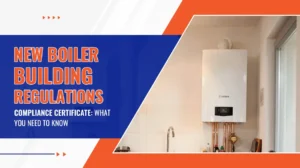
A Building Regulations Compliance Certificate is now required for new boilers or significant alterations, issued by a manufacturer-registered engineer or competent installer to confirm safety, flue, ventilation, and efficiency standards. Installers must document appliance details, tests, signatures, and registration, and homeowners should verify credentials and retain records. Missing certificates pose legal, sale, and insurance risks; retrospective certification or independent inspection may be needed. Further guidance explains verification steps, homeowner responsibilities and remedial options.
Key Takeaways
- Installers or manufacturer-registered engineers must issue a Building Regulations Compliance Certificate after full installation or significant boiler alterations.
- Homeowners must verify installer registration and request the certificate if unregistered persons do the work.
- Certificates must include installer/client details, installation address, appliance specifications, safety check results, and signatures.
- Verify certificates by checking installer registration online, matching dates/signatures, and contacting the installer directly for confirmation.
- Keep physical and digital copies of the certificate, service logs, and manufacturer data for property transactions and ongoing compliance.
Table of Contents
Do You Need a Boiler Building Regulations Compliance Certificate?
Who must obtain a boiler Building Regulations compliance certificate depends on who installs or alters the appliance and where the work takes place. The requirement applies when work affects safety, ventilation, or flue integrity. If a manufacturer-registered engineer or a competent installer carries out a full installation or significant alteration, they normally issue the certificate to confirm compliance.
Where unregistered persons perform work, the homeowner or building owner may still be responsible for ensuring certification and arranging inspection or retrospective approval. Domestic installations typically follow set notification routes; commercial or shared systems can trigger different protocols and local authority involvement.
Exemptions are narrow and must be documented. The certificate serves as a legal record, useful for property transactions and for protecting occupants from future liability or enforced corrective action. Parties should verify competence, retain paperwork, and, when in doubt, consult the local authority building control to secure the necessary certification.

Key Changes in the New Boiler Building Regulations
Changes to the boiler Building Regulations introduce clearer obligations for installers, expanded notification requirements, and tighter safety and efficiency standards to reduce installation risks and improve system performance. The section outlines key shifts: documentation expectations have been tightened, mandatory notifications to local authorities have been broadened, and efficiency thresholds have been raised to encourage low-emission options. Emphasis falls on transparent processes that enable homeowners and professionals to act decisively and independently within safer parameters.
| Area | Change |
| Documentation | Standardised forms and clearer record-keeping |
| Notification | Broader mandatory reporting to authorities |
| Safety | Stricter commissioning and venting checks |
| Efficiency | Higher minimum performance and low-NOx focus |
These amendments support autonomy by making compliance straightforward and predictable. The guidance reduces ambiguity about responsibilities while allowing installers and occupants freedom to choose compliant technologies and approaches, provided they meet the defined safety and efficiency criteria.
What Installers Must Include on the Compliance Certificate
Specify the essential elements clearly: the compliance certificate must record installer and client details, installation address, appliance make and model, serial numbers, and installation date. The document should also list the fuel type, system configuration, flue type and termination point, and confirmation that mandatory safety checks were completed. It must reference the applicable regulation versions and the specific Approved Document or statutory guidance relied upon.
Record test results and measurements such as gas tightness, flue flow, combustion readings (if applicable), and pressure checks succinctly, with pass/fail indicators and values where relevant. Signatures, printed names, certification numbers, and the installer’s registration body must be present to enable traceability. Where deviations or remedial works were necessary, include a brief, factual account and confirmation that the issues were resolved. Contact details for follow-up and the issue date complete the certificate, supporting homeowner autonomy and future verification.
Verify a Compliance Certificate: Quick Checks and Red Flags
How should a homeowner or inspector quickly assess a boiler compliance certificate for reliability? A rapid review focuses on key verifiable items: installer identity and registration number, installation date, appliance make and model, and referenced Building Regulations sections. Check that signatures and dates are present and match any accompanying service records. Confirm the installer’s registration with the relevant competence scheme online; an active, traceable membership is a strong indicator of legitimacy.
Red flags include missing or vague installer details, mismatched dates, absent signatures, generic descriptions of work, or failure to cite specific regulations and safety checks. Beware certificates that appear photocopied or altered. If you can’t validate serial numbers or model details against the appliance, treat the document with caution. Quick digital verification and brief calls to the issuing installer reduce risk, preserve autonomy in decision-making, and enable confident next steps without unnecessary dependence on third parties.
If a Certificate’s Missing: Selling, Buying, and Insurance Risks
When a boiler compliance certificate cannot be produced, buyers, sellers, and insurers face clear practical and financial risks: the transaction can stall, value may be reduced, and liability questions intensify. Without documentary proof of correct installation and testing, purchasers may hesitate to complete sales or demand price concessions; vendors can be exposed to post-sale claims. Insurers may decline cover or impose higher premiums where regulatory compliance is uncertain, and lenders may withhold mortgage offers pending verification.
- Potential buyers face less negotiation leverage and higher due diligence costs, including independent inspections.
- Sellers risk delayed completion, reduced offers, or legal disputes if non-compliance is later discovered.
- Insurers can refuse claims for damages linked to an uncertified installation, citing breach of policy terms.
- Lenders and conveyancers may require retrospective certification or impose conditions that affect sale viability.
Clear records preserve freedom of contract; absence narrows options and increases transactional friction.
How Homeowners and Landlords Should Manage Installation (Before, During, After)
Before hiring an installer, during the work, and after completion, homeowners and landlords should follow a clear, documented process to ensure safety, regulatory compliance, and future marketability: verify installer credentials, request written quotes, and confirm the contractor is registered with relevant competent person schemes. During installation, they should require a signed work schedule, allow reasonable access while maintaining oversight, and insist on adherence to manufacturer instructions and site safety standards. Photographic records and dated progress notes preserve evidence.
On completion, they should obtain a signed completion certificate, itemised final invoice, and any appliance manuals or warranties. Store records securely and share them with mortgagees or tenants as needed to preserve transferability and insurance validity. If deviations or defects appear, documented notifications to the installer with deadlines for remedy protect rights. A compact, well-maintained record bundle empowers owners and landlords to act independently and confidently, preserving value and reducing future friction.
How to Get a Replacement or Retrospective Compliance Certificate
Owners and landlords who cannot locate the original Boiler Building Regulations compliance certificate or who inherited a property with undocumented work must obtain either a replacement from the original installer or a retrospective certificate from a qualified inspector to validate that the installation met applicable standards. The replacement route involves contacting the installer or their firm, requesting documentation, and confirming registration with the competent person scheme; it preserves continuity and is simplest when records exist. A retrospective certificate requires engaging an independent, accredited inspector to assess the installation, perform necessary tests, and issue formal documentation if compliant. Costs, timelines, and scope vary; decisions should balance expense against legal and insurance implications.
- Verify installer identity and registration before requesting a replacement.
- Choose an accredited inspector with relevant boiler and building-regs experience.
- Request written scope, fees, and timelines up front.
- Keep all issued certificates digitally and physically for future transfer.
Practical Compliance Checklist for a Safe, Legal, Efficient Boiler
Compile a concise checklist that guarantees a boiler installation is safe, meets Building Regulations, and operates efficiently throughout its service life. The checklist emphasises clear documentation: plans, manufacturer data, installer credentials, and the issued Building Regulations Compliance Certificate. Verify siting, flue termination, and ventilation comply with current standards and local amendments. Confirm system design matches heat loss calculations and includes appropriate controls, pressure relief, and expansion measures.
Ascertain safe gas or fuel connections, adequate combustion air, and accessible isolation valves. Require commissioning records, test results, and signed handover detailing user operation and maintenance freedom. Schedule regular servicing by qualified engineers and retain service logs. Maintain accessible emergency shut-off instructions and contact details. For retrofits, confirm existing fabric and ventilation suit the new appliance and that any consequential works are certified. The checklist supports lawful occupancy, efficient operation, reduced risk, and preserves occupant autonomy through transparent, verifiable compliance.
Frequently Asked Questions
Does the Certificate Affect My Home’s Council Tax Band?
No, the certificate does not change the home’s council tax band. It documents compliance with building regulations; local authorities set bands based on property valuation. The homeowner can still challenge banding through the valuation office.
Can I Transfer a Compliance Certificate Between Properties?
No; the certificate is tied to the specific installation and property, not the owner. They may present a copy to a buyer, but legal transfer isn’t possible a new compliant record is required for a different property.
Are Compliance Certificates Valid for Listed or Historic Buildings?
Yes. They remain valid, though listed or historic buildings may require additional consents or sympathetic installation methods; the certificate reflects compliance with building regulations, while conservation rules or planning conditions can impose extra constraints or documentation.
Will My Boiler Warranty Require the Compliance Certificate?
Often yes; manufacturers or warranty terms commonly require a compliance certificate to validate coverage after installation. The owner should confirm the specific warranty conditions and retain documentation to assert their right to proper installation and record access.
Do DIY Parts Replacements Invalidate an Existing Certificate?
Yes. DIY parts replacements typically invalidate an existing certificate because a competent, registered installer must carry out the work. The homeowner retains freedom but risks noncompliance, warranty denial, and potential safety or insurance consequences.
Conclusion
The updated boiler building regulations heighten safety, efficiency, and documentation standards; compliance certificates now require detailed installer, product,t and safety information. Homeowners, landlords and buyers should verify certificates, watch for red flags, and secure retrospective or replacement documentation if missing to avert sale or insurance issues. Installers must follow checklist steps before, during, and after installation to guarantee legal compliance. Proactive management and verification protect occupants, preserve property value,e and reduce liability.