Is Asbestos Still Commonly Found in UK Homes? Asbestos remains present in many UK homes, especially in properties built or renovated from the 1920s through the late 1980s. It is common in insulation, textured plasters, floor tiles, roofing and other older materials. Intact asbestos poses limited risk if undisturbed, but damaged or friable material requires professional assessment and often licensed removal. Owners and landlords carry legal duties to manage identified asbestos. Further information explains how to spot, assess and address potential asbestos issues.
Key Takeaways
- Yes, many homes built or renovated from the 1920s to the late 1980s still contain asbestos-containing materials (ACMs).
- Common ACMs include insulation, textured plaster, roofing, vinyl floor tiles, adhesives, and building boards.
- Presence depends on building age and type; post‑war council housing and interwar terraces are higher risk.
- Suspected ACMs should not be disturbed; get a professional survey and sampling if uncertain.
- Damaged or friable asbestos requires licensed removal, and owners/landlords have legal management duties under UK law.
Table of Contents
Is Asbestos Still Found in UK Homes in 2026?
Is asbestos still present in UK homes in 2026? Many residences continue to contain asbestos-containing materials, particularly in older fabric and legacy installations. Regulatory bans and phased removal have reduced new use, but previously installed products remain in situ. Presence tends to be passive: intact, undisturbed materials pose low immediate risk, while deterioration or renovation can release fibres. Homeowners, landlords and professionals rely on surveys and licensed removal for certainty; non-licensed minor repairs may be permitted under specific guidance.
Is Asbestos Still Commonly Found in UK Homes? Public-health messaging emphasises identification, avoiding disturbance, and engaging accredited contractors when removal or significant disturbance is necessary. Local authorities, housing associations and private owners manage prioritisation based on risk assessments, not universal eradication. Consequently, while asbestos prevalence has declined since mid-20th-century peaks, a measurable stock persists in the housing stock in 2026, requiring ongoing awareness, prudent management and targeted intervention to protect occupants and workers.
Which Homes and Building Eras Most Often Contain Asbestos (And Why)
Having established that a residual stock of asbestos persists in UK housing, attention turns to which building types and eras most commonly contain it and the reasons why. Properties built or renovated between the 1920s and late 1980s present the highest likelihood of containing asbestos because its fire‑resistant, insulating and reinforcing qualities made it a cheap, versatile choice during mass construction and postwar rebuilding. Terraced and semi‑detached houses from the interwar and immediate postwar periods often retain asbestos in structural and utility areas; council and social housing constructed in the 1950s–1970s similarly used asbestos widely for cost and durability.
Later 1970s to 1980s private developments and commercial-to-residential conversions may still feature asbestos as regulations phased in slowly and existing stock was reused. Pre‑1920 solid masonry homes are less likely, though some older buildings contain secondary asbestos installations added later. Understanding these patterns helps prioritise inspection and risk assessment by age and original building purpose rather than assuming uniform absence or presence.
Common Household Materials That Contain Asbestos
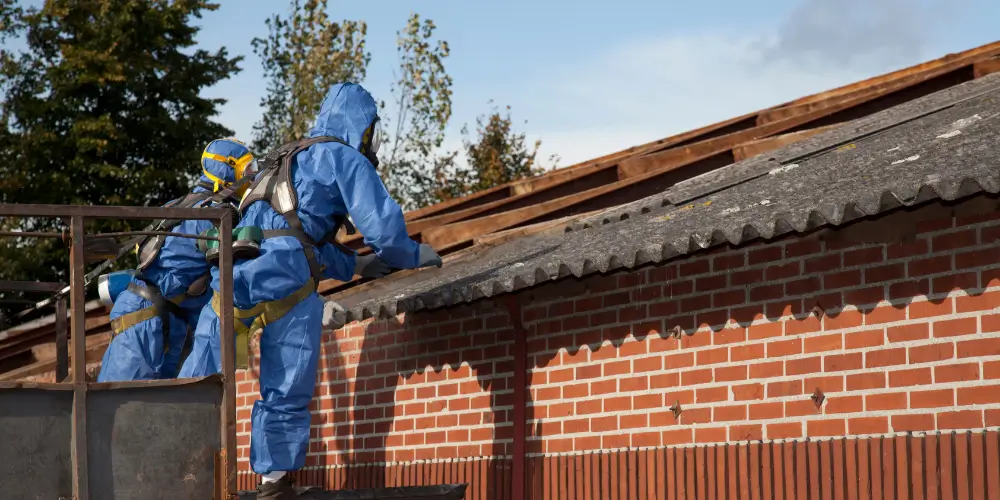
Common household materials that historically incorporated asbestos include insulation products, textured plasters and paints, roofing and guttering, floor coverings, and various building sealants and boards. In many mid‑20th century homes, pipe and boiler insulation, cavity wall and loft insulation, and furnace components contained asbestos for heat resistance. Textured interior finishes and decorative coatings sometimes used asbestos fibres to improve durability. Roofing felt, cement slates, and soffits frequently contained asbestos cement; gutters and downpipes were also made from it.
Vinyl floor tiles, backing felt, and adhesives could include asbestos, especially in properties refurbished before the 1980s. Fireproofing items such as fire doors, hearth panels, and stove ropes commonly used asbestos across multiple eras. Building boards cement, ceiling, partition and corrugated sheets often incorporated asbestos to add strength and fire resistance. Sealants, gaskets and pipe packing with asbestos were used where heat or chemical resistance was required. These materials remain the primary historical sources of asbestos in residential settings.
How to Spot Suspected Asbestos Without Damaging It
When inspecting an older property, a careful visual appraisal can help identify materials that may contain asbestos without disturbing them. Observers should note age, location and texture: asbestos commonly appears in pipe insulation, boiler cladding, textured ceilings, vinyl floor tiles, roof felt and soffits. Look for fibrous, layered or cement-like finishes and areas with a rough, friable surface. Colour varies from white to brown or grey; presence alone is not diagnostic. Check for manufacturer labels, dated building records, or older installation styles consistent with mid-20th century construction.
Avoid probing, scraping or breaking materials; use a torch and magnifier to examine joints, edges and hidden cavities from a safe distance. Take clear photographs and document suspected spots for professional assessment. If multiple suspect materials are found, refrain from cleaning or DIY removal and arrange qualified sampling and advice to confirm presence before any work proceeds.
Risk Explained: Intact Asbestos vs Disturbed Asbestos
After photographing and documenting suspected materials, attention should shift to the difference between intact and disturbed asbestos and the risks each poses. Intact asbestos-containing materials (ACMs) that are whole, undamaged and undisturbed generally present low immediate risk because fibres remain bound within the matrix.
Typical examples include sealed cement sheets, vinyl floor tiles in good condition, and undamaged insulation behind walls. Risk increases when ACMs are disturbed, cut, drilled, sanded, broken or deteriorated because fibres can be released into the air and inhaled. Disturbance can be accidental during renovations, wear and tear, or deliberate DIY work. The hazard correlates with fibre type, condition, and duration of exposure: more friable materials and prolonged exposure raise the likelihood of health effects such as asbestosis, lung cancer and mesothelioma. Consequently, assessment should prioritise identifying condition and potential for disturbance, informing decisions on containment, professional removal, or management strategies to minimise airborne fibre release.
Safe Short-Term DIY Steps for Minor Asbestos Issues
Proceed with caution: for minor, clearly contained asbestos issues that are intact or only superficially damaged, homeowners can take a few short-term DIY steps to reduce immediate risk while arranging professional assessment or removal. First, limit access: close and label the area, keep children and pets away, and avoid unnecessary movement that could disturb material. Second, do not attempt power sanding, drilling, or aggressive cleaning. Lightly dampen dusty surfaces with water in a spray bottle to minimise fibres becoming airborne, then wipe with disposable paper towels placed in a sealed plastic bag.
Third, wear basic protective kit: a disposable FFP3 or at least FFP2 mask, gloves and disposable overalls; remove and bag these items after use. Fourth, avoid transporting debris through living spaces; double-bag waste and store securely until it can be disposed of correctly. Finally, document the condition with photos and note dates and actions taken to inform professionals and records.
When to Call a Professional Surveyor or Licensed Removal Company
How should a homeowner decide to call a professional surveyor or a licensed removal company? A professional surveyor is appropriate when uncertainty exists about whether a material contains asbestos, when suspect materials are widespread, or when renovations will disturb fabric that might conceal asbestos. Surveyors can sample safely, map affected areas, and advise on management or removal options.
A licensed removal company should be engaged if sampling confirms asbestos that is damaged, friable, or likely to be disturbed by planned works. Removal is also warranted when asbestos materials are in living spaces, near vulnerable occupants, or when containment and long-term management are impractical. Licensed contractors provide regulated containment, decontamination, waste transport and disposal, and proof of safe removal.
Homeowners should prioritise professional input whenever risk to health, structural work, or regulatory compliance arises; provisional DIY measures should be temporary until accredited experts assess and, if necessary, remediate the hazard. Check out How Do You Check for Asbestos Safely and Accurately.

Legal Responsibility and Likely Costs for Homeowners and Landlords
Responsibility for managing asbestos in private homes and rental properties rests with owners and landlords under UK law, with duties varying by property type and occupancy. They must assess risks from suspected asbestos when undertaking work, provide information to tenants or contractors, and guarantee safe management or removal where necessary. In multi-occupancy buildings and commercial premises, the Control of Asbestos at Work Regulations 2012 impose clearer duties, including written management plans and regular inspections. When Is an Asbestos Report Required for Residential Properties? A Complete Guide for Homeowners.
Costs depend on scope: inspection and sampling by a surveyor typically range from a few hundred pounds for a focused survey to over a thousand for thorough surveys in larger properties. Minor encapsulation or repairs are relatively inexpensive; licensed removal of bonded or high-risk asbestos (e.g., some lagging, insulation) can cost several thousand to tens of thousands of pounds, influenced by containment, disposal and redecoration. Landlords should budget for surveys, remedial work and certification; failure to comply can incur enforcement notices, fines or prosecution. Find out the factors that affect the cost, in detail: How Much Does Asbestos Removal Cost for Homes and Businesses.
Frequently Asked Questions
Can Asbestos in Garden Outbuildings Pose a Health Risk?
Yes. He notes that intact asbestos in outbuildings poses low risk, but damaged, disturbed or weathered material can release fibres, causing long-term inhalation hazards; professional assessment and safe removal are recommended to minimise exposure.
Are Rental Properties Tested for Asbestos Before New Tenants Move In?
They are not routinely tested; landlords must assess risks and manage known asbestos. Where refurbishment or high risk exists, surveys or professional inspections are arranged. Tenants should request disclosure and landlords must provide safety information.
Does Home Insurance Cover Asbestos Removal Costs?
Home insurance typically does not cover asbestos removal; the policyholder often bears remediation costs unless accidental damage or specific legal liability applies and the insurer explicitly includes hazardous-materials removal in the policy terms. Review policy details and seek clarification.
Can Pets Carry Asbestos Fibres Into the House?
Yes. Pets can carry asbestos fibres on fur, paws, or bedding after contact with contaminated materials. The person notes the transfer risk is typically low, but cleaning pets and laundering items reduces the potential for fibres to be introduced indoors.
Are There Approved DIY Asbestos Testing Kits for Homeowners?
Yes. He notes DIY asbestos test kits exist, but most experts advise against them; approved laboratory analysis (HSE-accredited labs using UKAS standards) provides reliable identification and safety guidance following proper sampling procedures.
Conclusion
In 2026, Is Asbestos Still Commonly Found in UK Homes? Asbestos remains present in many UK homes, particularly those built or renovated before the mid-1980s, though awareness and regulation have reduced its use. Intact materials usually pose low short-term risk, but disturbed or deteriorating asbestos demands caution and professional assessment. Homeowners and landlords must follow legal duties, prioritise safety, and weigh the costs of surveys or licensed removal. Practical interim precautions help, but certified surveyors and licensed contractors are the definitive route for lasting, compliant solutions.