
Asbestos removal requires careful planning and adherence to safety regulations. Homeowners should identify signs of asbestos, especially in older homes. If asbestos is found, they must avoid disturbing it and seal off the area. Consulting certified professionals is recommended for safe removal and disposal. Proper protective gear is essential to minimise exposure during any handling. Understanding local regulations will aid in compliance. For further insights on managing asbestos risks effectively, additional information is available.
Key Takeaways
- Identify potential asbestos materials in your home, especially in buildings constructed before the 1980s, and conduct a professional inspection if needed.
- Avoid disturbing asbestos-containing materials and seal off affected areas to prevent fiber release and exposure.
- Consult certified asbestos professionals for safe removal and compliance with local regulations to avoid legal penalties.
- Use protective equipment and follow safety protocols if handling asbestos materials, ensuring proper ventilation and containment during the process.
- Stay informed about your rights regarding asbestos and prioritize creating a safer living environment through informed decision-making.
Table of Contents
Understanding Asbestos: Risks and Health Hazards
As asbestos, a once-popular building material, poses significant health risks, understanding its dangers is essential for homeowners and workers alike. This naturally occurring fibrous mineral, once revered for its fire-resistant properties, has been linked to severe health issues. Inhalation of asbestos fibers can lead to serious conditions, including asbestosis, lung cancer, and mesothelioma. These diseases may take years to manifest, making awareness all the more critical.
When disturbed, asbestos releases fibers into the air, presenting a risk not only to those directly involved in renovations but also to anyone in the vicinity. The silent nature of these hazards underscores the importance of proper identification and handling. Homeowners seeking freedom from potential health risks must prioritise understanding the implications of asbestos exposure. Knowledge empowers individuals to make informed decisions and take necessary precautions, ensuring a safer environment for themselves and future generations.
Signs Your Home May Contain Asbestos
Identifying potential asbestos in a home is essential for ensuring safety. Homes built before the 1980s are particularly at risk, as asbestos was commonly used in construction materials. Signs that may indicate the presence of asbestos include textured ceiling tiles, old vinyl flooring, and insulation around pipes and boilers. Crumbling materials, such as drywall or plaster, may also contain asbestos fibers. Homeowners should be cautious if they observe any products labeled with “asbestos” or if they have documentation indicating asbestos use during construction.
Additionally, if renovations were performed in older homes, the likelihood of encountering asbestos increases. Visible wear and tear on materials may release harmful fibers, posing a health risk. Homeowners must remain vigilant and informed about these signs to protect themselves and their families from potential exposure. Recognising these indicators promptly can lead to safer home environments and more informed decisions regarding remediation.
Steps to Identify Asbestos in Your Home
When evaluating a home for asbestos, homeowners should follow a systematic approach to guarantee thoroughness and safety. First, they should familiarise themselves with common materials that may contain asbestos, such as insulation, floor tiles, and roofing. Next, a visual inspection of these areas should be conducted, looking for signs of wear or damage. Homeowners might consider consulting building records or renovations to pinpoint the age and type of materials used, as asbestos was commonly used in structures built before the 1980s.
It is essential to avoid disturbing suspected materials, as this can release harmful fibers into the air. If uncertainty remains, engaging a professional asbestos inspector is advisable. This expert can perform proper testing and provide guidance on the next steps. By taking these precautions, homeowners can guarantee a safer living environment while maintaining their freedom to enjoy their homes.
Next Steps After Finding Asbestos in Your Home
Discovering asbestos in a home can be alarming, but homeowners should remain calm and take informed steps to address the situation. First, assess the extent of exposure and avoid disturbing the material. Next, homeowners can consider their options and create a plan, weighing the importance of safety and potential costs.
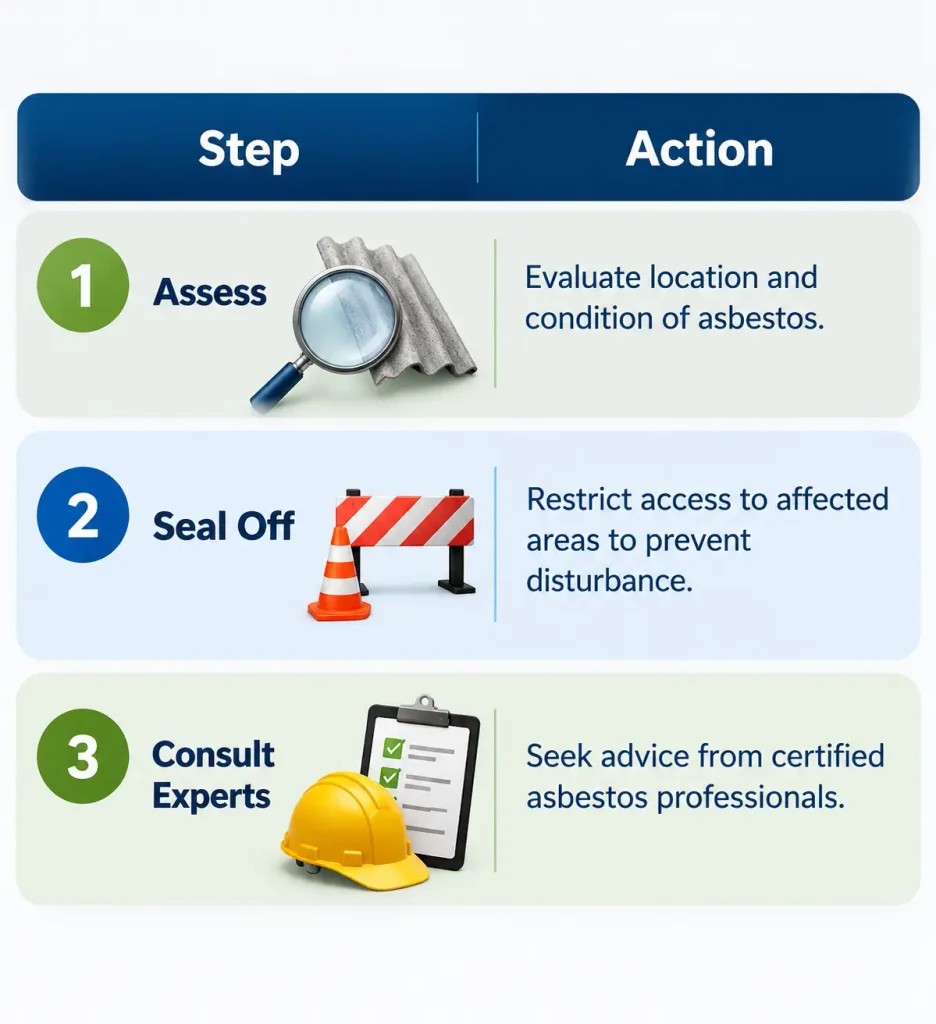
Taking these steps can help guarantee safety while maintaining the freedom to make informed choices about home health. By prioritising safety and informed decision-making, homeowners can navigate this challenge effectively.
Choosing Between DIY and Professional Asbestos Removal
How can homeowners determine whether to tackle asbestos removal themselves or hire professionals? The decision hinges on several critical factors. For those who value their independence and are confident in their abilities, DIY removal may seem appealing. However, homeowners must weigh the risks and challenges involved.
- Health Risks: Asbestos exposure can lead to serious respiratory issues.
- Local Regulations: Many areas have strict laws governing asbestos handling.
- Project Complexity: Some situations may require specialized equipment and techniques.
Ultimately, the choice between DIY and professional removal depends on one’s knowledge, comfort level with risk, and understanding of local regulations. For those unprepared to navigate these complexities, hiring trained experts may offer peace of mind and guarantee compliance with safety standards. Recognizing personal limits and the potential dangers of asbestos is essential for any homeowner considering this significant task.
Safety Gear You Need for Asbestos Handling
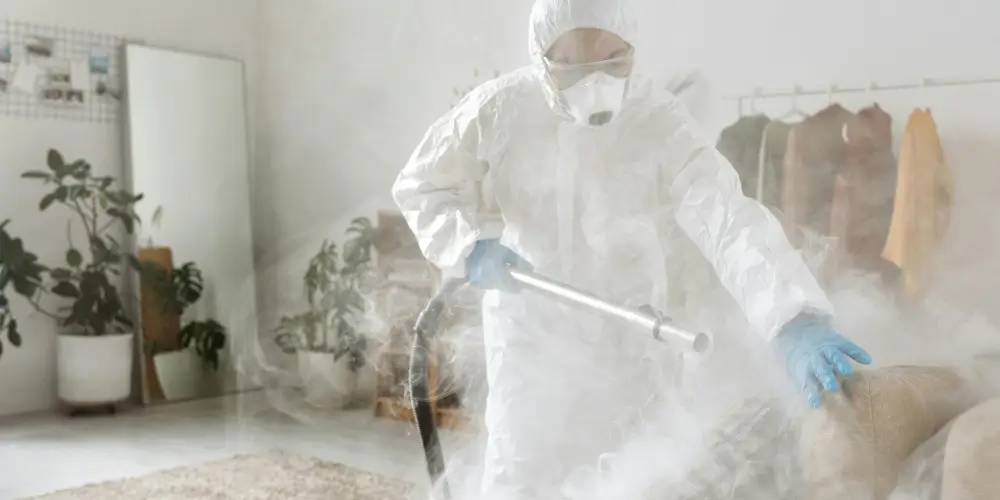
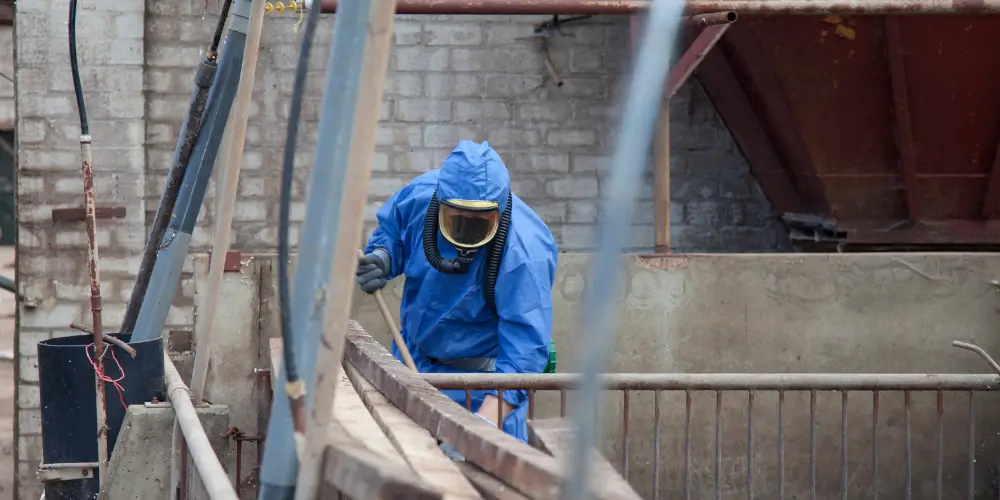
Equipping oneself with the right safety gear is essential for anyone handling asbestos. This hazardous material requires specific protective equipment to minimise health risks. A high-quality respirator, fitted with P100 filters, is critical to prevent inhalation of airborne fibers. Disposable coveralls, ideally made from a non-woven material, should be worn to protect skin and clothing from contamination. Additionally, gloves made from rubber or vinyl are necessary to guarantee hands remain free from asbestos particles. Eye protection, such as goggles, is also important to shield against irritants during the removal process.
Lastly, a dedicated, sealed container for storing contaminated gear is essential to prevent cross-contamination. By investing in proper safety gear, individuals can exercise their freedom to manage asbestos safely while prioritising their health and well-being. This commitment not only protects oneself but also contributes to a safer environment for others.
How to Properly Dispose of Asbestos Waste
Proper disposal of asbestos waste is vital to confirm safety and compliance with regulations. Improper handling can lead to severe health risks and legal repercussions. It is imperative to follow established procedures to make certain that asbestos waste is managed correctly.
- Seal in Secure Containers: Use labeled, airtight containers to prevent fiber release.
- Transport with Care: Only use designated vehicles to transport asbestos waste, making sure it remains undisturbed.
- Dispose at Approved Facilities: Deliver waste to licensed hazardous waste disposal sites equipped to handle asbestos.
Understanding Asbestos Removal Regulations
While managing asbestos removal regulations can be complex, understanding them is essential for ensuring safety and legal compliance. Homeowners must familiarize themselves with local, state, and federal laws regarding asbestos handling. The Environmental Protection Agency (EPA) and Occupational Safety and Health Administration (OSHA) set strict guidelines that dictate how asbestos should be managed, removed, and disposed of.
These regulations often require the use of licensed professionals, particularly for large-scale removals, to minimise health risks. Notification to local authorities before commencing work is frequently mandatory, as is adhering to proper disposal methods at designated facilities. Failing to comply can lead to hefty fines and legal repercussions. Consequently, individuals seeking freedom in their renovations must prioritize understanding these regulations to protect not only their health but also their rights as homeowners. Ultimately, informed decision-making empowers them to navigate the complexities of asbestos management effectively.
Tips for Reducing Asbestos Risks During Renovations
Understanding regulations helps homeowners navigate the complexities of asbestos management, but it’s equally important to take proactive measures during renovations. By implementing certain strategies, individuals can minimise their exposure to asbestos and guarantee a safer environment.
- Conduct a thorough inspection: Hire a certified professional to assess potential asbestos-containing materials before starting any renovation work.
- Seal off work areas: Use plastic sheeting to contain dust and prevent the spread of asbestos fibers to other parts of the home.
- Use proper protective gear: Equip workers with respirators and protective clothing to reduce inhalation risks during the project.
Frequently Asked Questions
Can I Sell a Home Known to Contain Asbestos?
Yes, a homeowner can sell a property containing asbestos. However, they must disclose its presence to potential buyers, as failure to do so may lead to legal repercussions and decreased property value. Transparency is essential.
What Are the Costs Associated With Professional Asbestos Removal?
Professional asbestos removal costs typically range from $1,500 to $30,000, influenced by factors such as location, extent of contamination, and necessary safety measures. Homeowners should weigh these costs against potential health risks and property value implications.
How Can I Prevent Asbestos Exposure During a Renovation?
To prevent asbestos exposure during renovations, one should conduct thorough inspections, utilise protective gear, seal off work areas, and employ professional services for any identified asbestos-containing materials, ensuring a safe and liberated environment for all.
Are There Any Safe Alternatives to Asbestos Materials?
Numerous safe alternatives to asbestos materials exist, including cellulose, fiberglass, and mineral wool. These options offer comparable insulation and fire resistance, empowering individuals to make healthier choices for their homes without compromising safety or freedom.
How Often Should I Check for Asbestos in My Home?
Homeowners should conduct asbestos inspections every five years, or sooner if renovations occur. Regular checks guarantee safety, particularly in older properties, allowing individuals to maintain their freedom from potential health hazards associated with asbestos exposure.
Conclusion
In conclusion, safely managing asbestos in the home requires careful identification, assessment, and adherence to regulations. Homeowners must weigh the risks of DIY removal against the benefits of professional assistance, ensuring appropriate safety measures are in place. Proper disposal of asbestos waste is essential to prevent environmental contamination. By understanding the risk and implementing effective strategies, individuals can greatly reduce their exposure to asbestos and safeguard their health during renovations and repairs.