How Often Should an EICR Be Carried Out On Commercial Property? Commercial premises generally require an Electrical Installation Condition Report every 1 to 5 years, most commonly on a 3- to 5-year cycle. Frequency depends on risk factors such as age, condition, usage, tenant turnover and presence of vulnerable occupants or industrial machinery. High-risk or high-footfall sites often require annual or biennial checks, while low-risk properties may extend the interval with proactive maintenance. Defects or C1/C2 findings trigger earlier re-testing, and further guidance explains how to tailor schedules and compliance.
Key Takeaways
- Typical commercial EICR intervals range from 1 to 5 years, depending on the assessed electrical risk and usage.
- Most businesses use a three- to five-year cycle, with higher-risk sites requiring annual or biennial checks.
- Factors affecting frequency include system age, condition, alterations, tenant turnover, and presence of vulnerable occupants.
- Discovery of C1/C2 codes, repeated faults, or major alterations mandates earlier re-testing and shortened inspection cycles.
- Contractual, insurance, or statutory obligations may require more frequent inspections and detailed documentary evidence of compliance.
Table of Contents
Short Answer: Typical EICR Intervals for Commercial Properties
Typical intervals for Electrical Installation Condition Reports (EICRs) on commercial properties range from 1 to 5 years, depending on risk factors, usage, and statutory requirements. The concise answer is that most commercial premises adopt a three- to five-year cycle, with higher-risk environments, such as wet, temporary, or high-occupancy locations, moving toward annual or biennial checks. Factors influencing interval selection include the nature of business operations, the age and condition of electrical systems, the frequency of alterations, and the presence of specialised equipment.
How Often Should an EICR Be Carried Out On Commercial Property? Risk assessment guides practical decisions: facilities with continuous operations, significant footfall, or critical services warrant shorter intervals to limit the accumulation of hazards. Conversely, low-risk offices with modern installations may justify longer spans when supported by routine maintenance and monitoring. Ultimately, interval choice balances safety, asset preservation, and operational continuity, recommending professional evaluation to determine an appropriate schedule tailored to each property’s specific circumstances.

Legal and Industry Guidance on EICR Intervals
Having outlined common timing practices for EICRs, attention shifts to the legal and industry frameworks that govern interval selection and compliance. Statutory requirements do not prescribe a single national interval for all commercial premises; instead, regulations like the Electricity at Work Regulations 1989 require systems to be maintained to prevent danger, and guidance documents recommend inspection frequencies based on risk. Approved Codes of Practice, industry bodies, and insurers influence expectations: landlords, dutyholders and facilities managers are advised to follow British Standards (such as BS 7671 guidance) and Health and Safety Executive recommendations.
Contractual obligations and insurance policies may mandate more frequent testing or specific certification. Compliance consequently depends on evaluating duties under the law, applicable standards, and contractual terms, and then documenting the chosen intervals and rationale. Records of inspections, remedial actions and risk assessments support defence of compliance and help justify intervals to regulators or insurers. Here is everything you need to know in detail: Is EICR a Legal Requirement For Business?
How Property Type and Usage Affect EICR Frequency
Property type and day-to-day usage materially influence how often an Electrical Installation Condition Report (EICR) should be carried out, because different environments present varying levels of electrical risk, wear and deterioration. High-risk premises such as industrial workshops, restaurants, healthcare facilities and construction sites typically require more frequent inspections due to heavy equipment, moisture, dust, vibration and continuous operation that accelerate degradation.
Moderate-use commercial buildings, such as offices and retail outlets, often follow standard intervals but may need shorter cycles if occupancy or load patterns change. Low-risk, infrequently used properties can tolerate longer intervals, provided circuits and protective devices remain appropriate and maintenance is proactive.
Mixed-use sites demand tailored schedules reflecting the highest-risk area. Similarly, tenant turnover, extended opening hours, and the introduction of new machinery or IT infrastructure should prompt a reassessment of inspection frequency. Decision-makers should align EICR timing with actual use and exposure rather than apply a one-size-fits-all approach, balancing safety, continuity, and regulatory expectations.
When Previous EICR Results or Defects Require Earlier Re-Testing
C1 (danger present), C2 (potentially dangerous), or a significant number of C3 (improvement recommended) are the EICR result codes, the inspection cycle should be shortened and targeted remedial testing scheduled promptly; similarly, discovery of repeated faults on the same circuits, non-compliant protective devices, or risks introduced by retrofits and temporary works warrants earlier re-testing to confirm corrective actions and guarantee ongoing safety. In such cases, a re-test verifies that identified defects were properly rectified and that remedial work did not cause secondary faults.
Shortened intervals also apply when previous records show deterioration between inspections or when remedial actions involve temporary fixes pending full replacement. The decision to re-test sooner should be guided by risk severity, scope of remedial work and competent engineer advice. Documentation of repairs and clear pass/fail criteria are essential to justify any adjusted cycle. Prompt follow-up testing reduces liability and helps maintain the electrical integrity of the commercial premises.
High-Risk Situations That Need More Frequent EICRs
Why might some commercial sites require EICRs more often than the standard cycle? Certain environments present increased electrical risk due to operational, environmental, or user factors. High footfall premises, such as retail centres or public venues, experience greater wear on sockets, portable appliance connections and consumer units, increasing the likelihood of deterioration. Industrial sites with heavy machinery, vibration, or dust contamination face accelerated insulation breakdown and connection loosening. Temporary installations, including construction sites or event setups, are exposed to harsh conditions and frequent changes that merit shorter inspection intervals.
Locations housing vulnerable occupants care homes, medical facilities, schools demand stricter oversight because electrical failure can have severe consequences. Properties with complex or ageing installations, multiple alterations, or undocumented wiring also qualify, as hidden defects are more probable. In these situations, risk-based assessment by a competent person should determine a tailored EICR frequency to guarantee safety, regulatory compliance, and timely identification of emerging faults.
Sample EICR Schedules by Business Sector
Following assessment of high-risk contexts, specific industries typically adopt distinct EICR schedules tailored to their operating conditions and regulatory expectations. Retail premises often follow a five-year cycle, with shorter intervals if portable appliance use or public interaction increases risk. Office buildings commonly use a five- to ten-year rhythm, adjusted for tenant turnover, shared services and ageing installations.
Manufacturing and workshops, where heavy machinery and environmental stressors prevail, usually require inspections every one to three years. Healthcare facilities, including clinics and care homes, generally conduct annual or biennial inspections due to vulnerable occupants and stringent safety obligations. Hospitality venues balance guest safety and equipment load, often opting for three- to five-year schedules, accelerating inspections after refurbishment or increased occupancy.
Educational establishments frequently adopt a three- to five-year approach, tightening frequency for specialised labs or temporary buildings. In all sectors, statutory requirements, insurance conditions and documented risk assessments determine final intervals, with records retained to demonstrate compliance and inform future planning.
How to Prepare Your Premises for an EICR
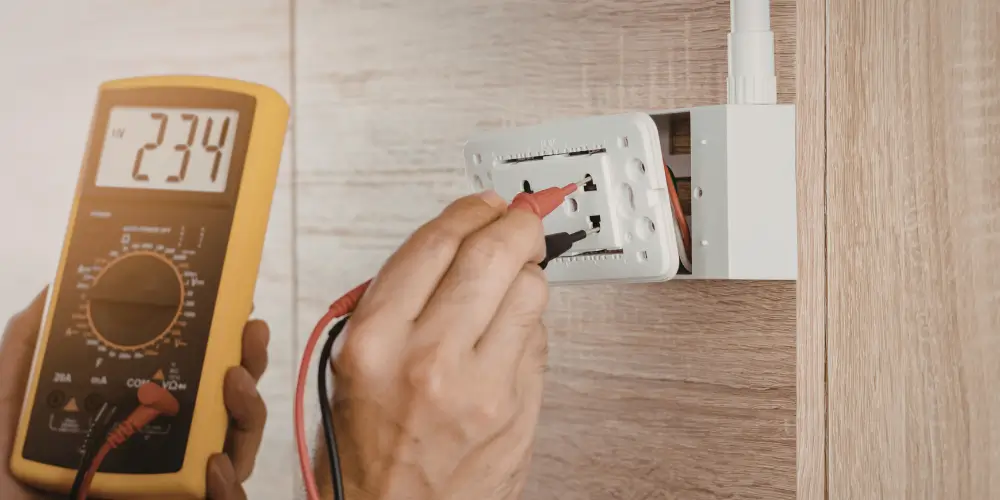
Prepare the premises by guaranteeing clear access to distribution boards, meter cupboards and any ancillary plant rooms so the electrician can perform tests efficiently and safely. Staff should be informed of the inspection schedule and any areas that will be inaccessible during testing. Secure loose or exposed wiring, label circuits and provide single-line diagrams if available to speed identification. Remove obstructions around sockets, fuseways and fixed equipment; guarantee lighting and power are operational for functional checks. Arrange for keyholders to be present for locked areas and keep safety documents, previous EICRs and any recent repair records on hand for reference.
Where plant or machinery must be isolated, coordinate planned shutdowns to minimise business disruption and confirm competent personnel will carry out isolations. Consider temporary signage to warn occupants during live testing. Finally, note any unusual installations or modifications so the inspector can assess bespoke risks promptly, reducing time on site and improving the accuracy of the report.
Choosing an Electrician and Documenting EICR Compliance
Select a qualified, competent electrician with current NICEIC or similar accreditation and proven commercial EICR experience to assure thorough testing and defensible results. The electrician should hold appropriate insurance, carry valid ID, and demonstrate familiarity with current wiring regulations and IET guidance. Obtain written proof of accreditation and references from similar projects to verify competence.
Documenting compliance begins before testing: record appointment details, scope, and access arrangements. During the EICR, confirm the electrician produces a clear report that distinguishes between Code C1/C2 observations and Code C3 recommendations, lists tested circuits, records measured values, and includes photographs where relevant.
Retain the full certificate, associated remedial action records, and any follow-up reports. Store digital copies securely with date-stamped backups and link records to asset management systems. Maintain an audit trail showing receipt of remedial works and reinspection dates. Clear documentation supports legal compliance, aids risk management, and simplifies future scheduling of periodic inspections.
Frequently Asked Questions
Can Tenants Request Copies of the EICR for Leased Commercial Units?
Yes. Tenants can request copies of the EICR for their leased commercial unit. The landlord typically provides the certificate or a copy, especially when lease terms, safety obligations, or statutory requirements make disclosure reasonable or mandatory.
Are Temporary Power Installations Covered by the Building’s EICR?
Temporary power installations are not automatically covered by the building’s EICR; the inspector clarifies scope. If temporary systems remain connected to the fixed installation, they should be documented and assessed, or inspected separately for safety compliance.
Does an EICR Cover Portable Appliance Testing (PAT)?
No, an EICR does not cover Portable Appliance Testing (PAT). It assesses fixed electrical installations only; PAT separately inspects portable appliances. The duty holder should arrange both assessments as appropriate for safety and compliance.
How Long Should EICR Certificates Be Retained and Where Stored?
They should be retained for at least five years, ideally indefinitely; stored securely as digital copies with backups and physical originals in a dedicated records file. Employers, landlords, or facilities managers keep accessible records for inspections and audits. Here you get the frequency period for every premises: How Long Do EICR Certificates Last Before Renewal Is Required.
Can Smart Building Upgrades Affect EICR Recommendations?
Yes. They note that smart building upgrades can change risk profiles, prompting changes to EICR recommendations; new sensors, IoT devices, and power management systems may require additional inspections, circuit segregation checks, and updated documentation to ensure safety compliance.
Conclusion
To conclude, How Often Should an EICR Be Carried Out On Commercial Property? The frequency of commercial electrical inspections should align with typical intervals, legal guidance, property type, and risk level. Higher-risk premises, previous defects, or specific industry requirements often justify more frequent EICRs. Businesses should follow tailored schedules, prepare premises for testing, and engage qualified electricians who provide clear documentation. Proactive inspection planning and prompt remedial action reduce hazards, support compliance, and protect occupants and assets, making regular, risk-based EICRs a fundamental part of electrical safety management.