Asbestos survey costs in the UK vary by survey type, property size and complexity. Small domestic management checks typically cost £150–£350; pre‑purchase RICS checks are limited and lower cost, while intrusive refurbishment or demolition surveys can range from £400 to £1,200+ for larger or complex sites. Commercial premises usually incur higher fees and additional charges for sampling, lab analysis, and reporting. Continue for detailed breakdowns, factors that affect price, and tips for getting accurate quotes.
Key Takeaways
- Management surveys for small homes typically cost £150–£350, while larger domestic or commercial surveys often exceed £1,000.
- Refurbishment/demolition surveys are intrusive and usually range from £400 to £1,200+, depending on access and sampling needs.
- Additional fees for sampling, UKAS lab analysis, air monitoring, and detailed reporting should be expected and itemised in quotes.
- Survey cost depends on property size, complexity, access requirements, and quantity of suspect materials needing inspection.
- Choose accredited surveyors (BOHS qualifications, UKAS) and insist on written scopes, chain-of-custody, and clear contingency pricing.
Table of Contents
Asbestos Survey Costs in the UK: Quick Price Ranges and Survey Types
Asbestos survey costs in the UK vary by survey type, property size and complexity, with basic management surveys typically starting from around £150–£300 for small domestic premises and full refurbishment/demolition surveys often ranging from £400 to £1,200 or more depending on access and sampling requirements. The detached tone notes that prices reflect survey scope: a management survey locates and labels asbestos during normal occupation, while refurbishment/demolition surveys are intrusive, requiring destructive inspection to locate hidden materials. Commercial properties usually attract higher fees due to scale, multiple rooms and greater documentation needs. Additional costs arise from sampling, laboratory analysis (per-sample fees), specialist access equipment, and detailed reporting or risk assessments. Turnaround times influence cost: expedited analysis or urgent reports carry premiums. Practitioners often quote site visits plus per-sample charges; trade associations recommend obtaining itemised estimates. Clear communication about property type, planned works and access constraints helps secure accurate pricing and avoid unexpected fees.
What a Pre-Purchase (RICS) Asbestos Check Covers: Costs & Limits
A pre-purchase (RICS) asbestos check provides a limited, non-intrusive inspection intended to inform conveyancing and buyer decision-making rather than a full technical survey. It focuses on visible asbestos-containing materials (ACMs) in accessible areas, combines visual appraisal with targeted sampling where justified, and produces a short report summarising findings, risk comments and recommended next steps. The check is rapid and priced lower than thorough surveys, typically reflecting time on site, any laboratory analysis and report production. It is not a substitute for intrusive investigation or a management survey where removal, refurbishment or hidden spaces are a concern. Clients should understand the check’s boundaries and factor potential follow-up costs into purchasing decisions.
- Scope: visual inspection of accessible, non-concealed areas and common building fabric.
- Sampling: limited, targeted samples only when necessary; laboratory fees extra.
- Report: concise RICS-style statement with risk advice for conveyancers.
- Limits: no destructive probing, hidden voids uninspected, and not definitive for refurbishment planning.
Management Surveys: Typical Costs, Schedules and What’s Inspected
One common type of survey for occupied buildings, the management survey aims to locate, describe and assess the condition of known or likely asbestos-containing materials in accessible areas so they can be managed in situ; typical inspections cover ceilings, soffits, pipework, boilers, flooring, textured coatings and plant rooms, with limited sampling and clear labelling where necessary. Management surveys are usually priced per workplace or per hour, with small domestic surveys often from £150–£350 and larger commercial premises from several hundred to over £1,000 depending on size and complexity. Typical schedules allow a same-day to a few-day turnaround for inspection reports, with laboratory analysis adding 3–7 working days. Reports list locations, material type (presumed or confirmed), condition, priority risk assessments and recommended actions such as monitoring, labelling, repair or removal. Access limitations are recorded and further investigation is scheduled if refurbishment is planned. Clients receive a clear, actionable register to support legal duties and ongoing asset management.
Refurbishment & Demolition Surveys: Prices and When They’re Required
When management surveys focus on in-place materials, refurbishment and demolition surveys are required where building work will disturb fabric and could release asbestos fibers. These surveys are intrusive, targeting hidden or inaccessible areas to identify all asbestos-containing materials (ACMs) before work begins. Costs reflect the time, access equipment and sampling needed; typical prices for small domestic projects often start higher than simple management surveys because of the specialist approach and reporting requirements.
- Scope: full inspection of areas to be disturbed, including voids, services and structural elements.
- Access: use of ladders, small openings, or intrusive inspection increases technician time and expense.
- Sampling: targeted sampling and analysis to confirm ACMs, with chain-of-custody and lab fees.
- Reporting: detailed reports and plans advising safe removal, containment or management prior to refurbishment or demolition.
Refurbishment and demolition surveys are mandatory when planned works could release fibers; commissioning a competent surveyor protects contractors, occupants and the project timetable. Here you can find How Much Does Asbestos Removal Cost for Homes and Businesses.
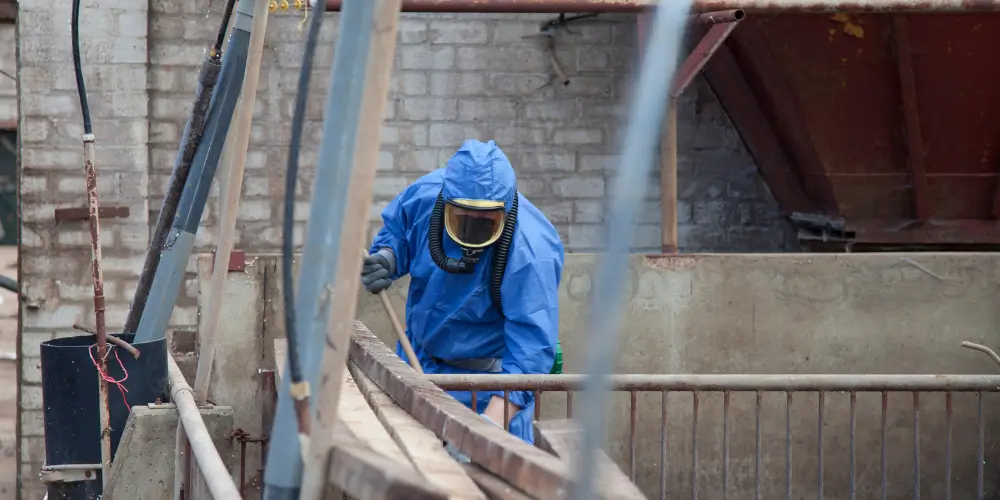
What Raises or Cuts Your Asbestos Survey Bill (Size, Access, Materials)
Although survey costs depend on many factors, three principal drivers consistently determine the final bill: the size and complexity of the property, the level of access required to inspect concealed areas, and the type and quantity of suspect materials needing sampling and analysis. Larger buildings take longer to walk, record and map, so hourly or per-room charges rise with floor area, multiple floors, lofts and basements. Complex layouts, interlinked units or mixed-use spaces add time and specialist attention. Restricted access to high roofs, plant rooms, voids or areas requiring scaffolding, fall protection or confined-space protocols increases labour, equipment and safety costs. Likewise, extensive or hard-to-reach suspect materials require more sampling points and specialist tools, raising laboratory and handling fees. Conversely, small, single-storey dwellings with clear access and few obvious suspect materials attract lower fees. Clear site records, easy access and concentrated suspect materials consequently reduce inspection time and overall survey expense.
How Asbestos Surveyors Sample, Test and Report Findings
Surveyors follow a structured process to sample, test and report asbestos findings, beginning with a visual inspection and risk assessment to identify suspect materials and safe access routes. They document locations, condition and any immediate risks before selecting sampling points to minimise disturbance. Samples are taken using controlled techniques, sealed and labelled, then sent to UKAS-accredited laboratories for polarised light microscopy or other approved tests. Results are reviewed against material type, concentration and condition to inform risk ratings. The final report combines factual findings with clear recommendations for action, prioritising safety and legal compliance.
- Pre-inspection: site walkover, risk assessment, photos and access planning.
- Sampling: targeted, minimally invasive collection, chain-of-custody and lab submission.
- Analysis: accredited laboratory identification, fibre type and percentage assessment.
- Reporting: concise location maps, lab results, risk ratings and recommended next steps for removal, management or reinspection.
Further explore How Do You Check for Asbestos Safely and Accurately.
Get Accurate Asbestos Survey Quotes and Avoid Hidden Fees
After the survey report has documented findings and recommended actions, clients must guarantee quotes reflect the scope and risks identified rather than hidden costs. The adviser recommends requesting itemised estimates, clarifying whether sampling, laboratory fees, report amendments and disposal are included, and confirming access or reinspiration charges. Comparative bidding is encouraged: at least three written quotes reduce surprises and reveal outliers. Contract terms should specify timeframes, permit fees, and contingency rates for unforeseen asbestos extent. When remediation is quoted, confirm waste carrier and landfill charges plus air monitoring and reinspection costs.
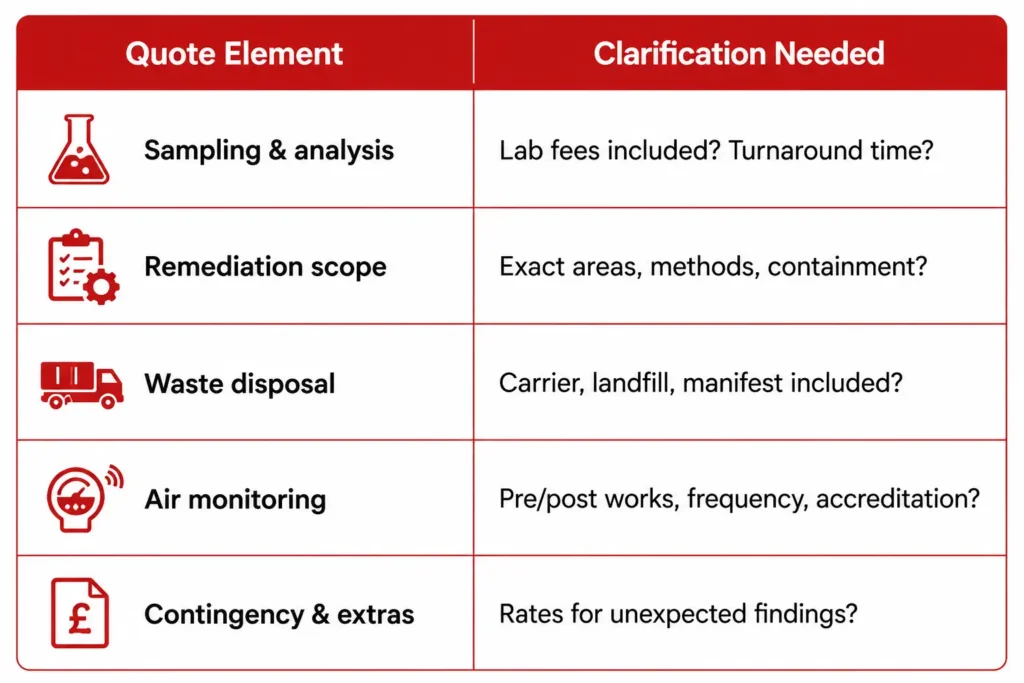
A clear checklist and written acceptance prevent later disputes and hidden fees.
Choose an Asbestos Surveyor: Qualifications, Accreditation and Red Flags
When selecting an asbestos surveyor, clients should prioritise documented qualifications, recognised accreditation and a transparent track record to guarantee competent, compliant work. The ideal surveyor holds UK-recognised certificates (e.g., BOHS P402/P405 or equivalent), current asbestos training, and employer liability insurance. Membership of accredited bodies such as UKAS or membership in professional registers signals adherence to standards. Clear, itemised quotes, written scopes of work and a willingness to explain methodology indicate professionalism. Conversely, unusually low prices, verbal-only agreements or evasive responses about sample handling are red flags.
- Qualifications: Verify certificates, CPD records and practical survey experience relevant to the property type.
- Accreditation: Confirm UKAS-accredited labs for analysis and any membership of recognised professional organisations.
- Transparency: Demand a written scope, sampling plan, chain-of-custody and clear reporting timelines.
- Red flags: Beware of no-insurance claims, unclear pricing, pressure to sign quickly or refusal to show credentials.
Frequently Asked Questions
Can Homeowners Perform an Asbestos Survey Themselves Safely?
No; homeowners generally should not perform asbestos surveys themselves because identifying and sampling materials requires specialist training, protective equipment and accredited lab analysis professionals reduce risk, guarantee legal compliance and provide reliable, documented findings. Understand When Is an Asbestos Report Required for Residential Properties? A Complete Guide for Homeowners.
How Long Do Asbestos Survey Reports Remain Valid?
An asbestos survey report typically remains valid indefinitely as a historical record, but its practical reliability diminishes with time; experts recommend reassessment after significant refurbishment, damage, or regulatory changes, usually every few years.
Will an Asbestos Survey Affect My Property Insurance Premiums?
An asbestos survey may influence insurance premiums: insurers could reduce risk or require remedial work, potentially lowering rates, while discovery of significant asbestos can raise premiums or prompt exclusions. The policyholder should notify and provide the report.
Can Asbestos Surveys Identify Asbestos in Consumer Items (E.G., Appliances)?
Yes, they can. An asbestos surveyor can test suspect consumer items, but standard building surveys focus on construction materials; separate sampling, laboratory analysis and appropriate safety precautions are required, often involving specialist waste handling and disposal arrangements.
Conclusion
To conclude, asbestos survey costs in the UK vary by survey type, property size and condition, with pre-purchase (RICS), management, and refurbishment/demolition surveys each serving distinct purposes and price bands. Transparent sampling, accredited laboratory testing and clear reporting help avoid surprises. Clients should obtain multiple detailed quotes, verify surveyor qualifications and accreditations, and watch for access or material complexities that increase cost. Informed choices guarantee safety, compliance and budget certainty.