Most residential boilers last about 10–15 years, while well-maintained units can often reach 15–20 years. Combi boilers tend to wear faster due to frequent cycling, while system and regular boilers can last longer with steadier operation. Lifespan drops with skipped servicing, sludge or limescale, low pressure, and poor sizing or installation. Annual servicing, inhibitor treatment, magnetic filtration, and prompt leak or noise repairs help extend life and cut bills. More guidance follows.
Key Takeaways
- Most residential boilers last 10–15 years, with well-maintained units reaching 15–20 years; combi boilers generally wear faster than system or regular boilers.
- Skipping annual servicing, poor water quality (sludge or limescale), incorrect sizing, and operating outside manufacturer specs significantly shorten lifespan.
- Common end-of-life signs include unusual noises, leaks, rising energy bills, frequent lockouts, and uneven heating.
- Regular maintenance, water treatment (inhibitors, magnetic filters, flushing), consistent heating schedules, and proper boiler settings help extend lifespan.
- Repair is sensible for younger, well-maintained boilers, while frequent breakdowns, safety issues, or high repair costs indicate replacement.
Table of Contents
Average Boiler Lifespan (Typical Ranges)
Most boilers fall within a predictable service window: typical residential units last about 10–15 years, while well-maintained systems commonly reach 15–20 years. These ranges assume correct sizing, proper installation, and consistent upkeep. In practice, lifespan is shaped by how hard the boiler works through each heating season and how stable the water quality remains over time.
Several conditions can shorten or extend those averages. Frequent short-cycling, untreated limescale, sludge buildup, and low system pressure increase wear and reduce efficiency, often leading to earlier component failure.
Conversely, annual servicing, clean system water, and promptly addressing small leaks or unusual noises can keep performance steady for longer. Usage patterns matter as well: homes that demand heat continuously or run high temperatures year-round tend to see more stress than those with modern controls and moderate settings. Aging is typically signaled by rising fuel bills, repeated repairs, and inconsistent heating.
Boiler Lifespan by Type (Combi/System/Regular)
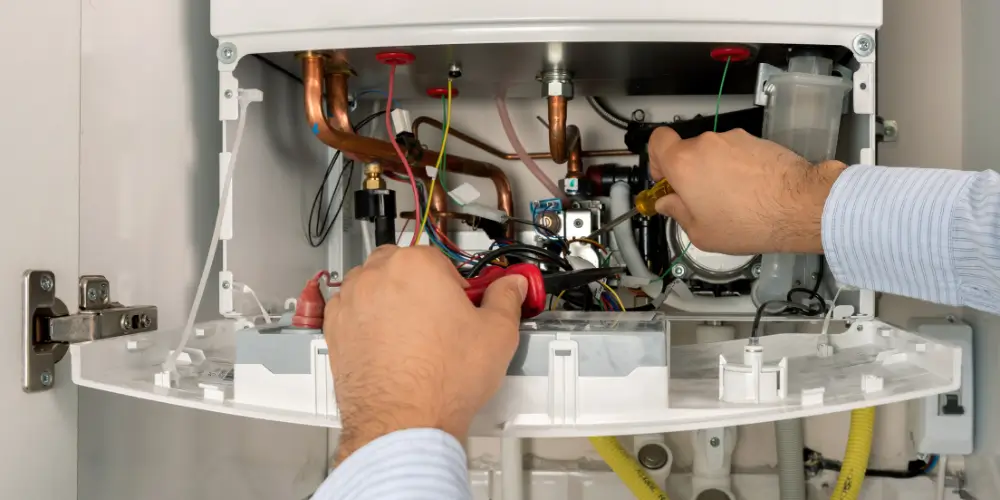
Average lifespan ranges provide a baseline, but expected service life also varies by boiler design and the way each type is typically used. Combi boilers combine space heating and hot water in one compact unit, so they often experience frequent cycling and higher day-to-day demand; many last around 10–15 years, though build quality and sizing matter.
System boilers work with a hot water cylinder and usually have fewer on-demand hot-water spikes inside the boiler itself. With steadier operation and simpler internal layouts than combis, system units commonly reach about 12–18 years.
Regular (heat-only) boilers pair with a cylinder and a separate cold-water tank, and their components are spread across the system. Because the boiler can run more consistently and replacement parts are widely available, regular boilers often achieve roughly 12–20 years, especially in traditional homes with existing pipework and tanks.
What Shortens Boiler Lifespan Fastest?
Although modern boilers are built to run for years, a few common conditions can wear them out far faster than normal: neglected annual servicing, untreated system water (sludge, scale, and corrosion), incorrect sizing or poor installation that causes constant cycling, and operating pressures or temperatures that sit outside the manufacturer’s spec.
Skipping service lets minor combustion, safety, and sealing issues persist, accelerating wear on burners, heat exchangers, and pumps. Poor water quality is especially destructive: sludge restricts flow, scale insulates heat-transfer surfaces, and corrosion eats components and creates debris that damages valves.
Oversized or poorly commissioned boilers tend to short-cycle, repeatedly heating and cooling parts, stressing electronics, fans, and seals while wasting energy. Running at improper pressure or temperature can strain expansion vessels, relief devices, and joints, and it can increase oxygen ingress.
Simple prevention includes inhibitor dosing, magnetic filtration, correct commissioning, and prompt fixes for control or circulation faults.
End-of-Life Boiler Signs (Noise, Leaks, Bills)
Fast wear factors like poor servicing, bad water quality, and frequent short-cycling usually show up as clear end-of-life symptoms rather than a sudden, total breakdown. One common sign is new or worsening noise: kettling, banging, or whistling can indicate scale buildup, restricted flow, or overheating in the heat exchanger. Persistent gurgling may point to trapped air or circulation problems.
Leaks are another red flag. Water under the boiler, damp casing, or corrosion around joints often signals failing seals, valves, or a deteriorating heat exchanger. Even small, recurring leaks can accelerate internal rust and electrical faults.
Rising bills can reflect declining efficiency. If gas use climbs while comfort stays the same, the boiler may be struggling to transfer heat, cycling excessively, or losing heat through worn components. More frequent lockouts, uneven radiator temperatures, and difficulty maintaining setpoints also suggest the unit is nearing retirement.
What’s in an Annual Boiler Service (and What It Prevents)?
Even when a boiler seems to be running normally, an annual service verifies safe combustion, correct operating pressures, and reliable heat transfer before minor wear turns into breakdowns. A qualified engineer follows a structured checklist that targets safety, efficiency, and reliability, while documenting findings for warranty and compliance.
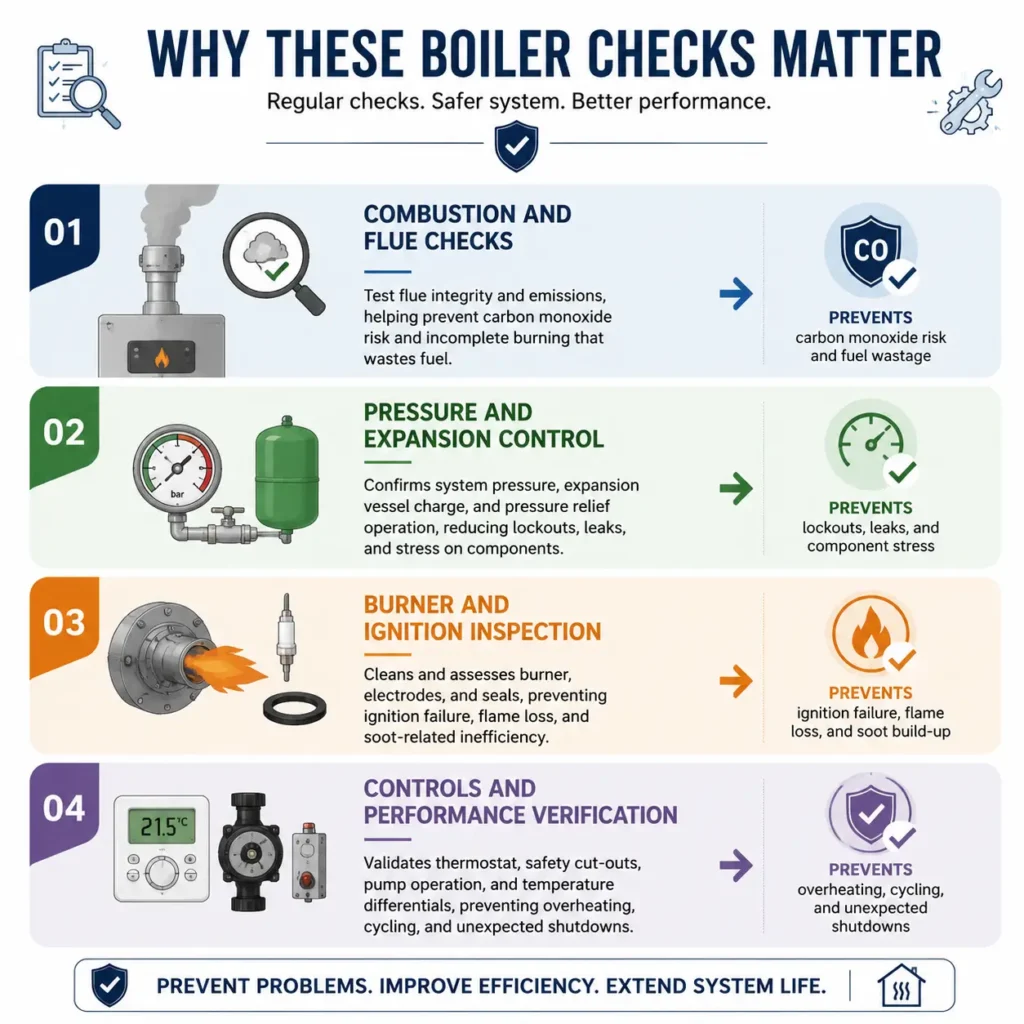
Regular servicing also spots loose wiring, early corrosion, and failing fans before they become emergency callouts.
Water Quality and Boiler Lifespan (Sludge, Limescale)
Annual servicing checks combustion and safety, but the water circulating through the system largely determines how hard a boiler has to work year after year. Poor water quality encourages two common problems: sludge and limescale, both of which reduce efficiency and accelerate wear.
Sludge forms when oxygen and mixed metals in radiators and pipework react, creating black iron-oxide debris. It settles in low-flow areas and narrow passages, restricting circulation, causing cold spots on radiators, noisy operation, and overheating in the heat exchanger. Repeated overheating stresses seals, pumps, and valves.
Limescale is mainly calcium carbonate deposited from hard water on hot surfaces. Even a thin layer acts as insulation, forcing higher burner output to achieve the same heat transfer. That increases gas use and raises component temperatures, which shortens life. Scale can also narrow waterways, reduce flow, and trigger temperature faults. Monitoring pressure stability and heat-up times helps spot water-related issues early.
Do You Need an Inhibitor, Flushing, or a Magnetic Filter?
Where does a boiler’s wear really start at the burner, or in the water circulating through it? In many systems, corrosion products and limescale begin in the pipework and radiators, then travel into the heat exchanger and pump, reducing efficiency and accelerating component wear. Three measures are commonly considered: inhibitor chemicals, system flushing, and magnetic filtration.
- Inhibitor: A correctly dosed corrosion/scale inhibitor slows rust formation and helps keep metals passivated; it is most useful after fresh fills or major work that introduces oxygen.
- Chemical flush: Recommended when radiators have cold spots, water runs dark, or circulation is noisy; it removes sludge that blocks waterways.
- Powerflush: A stronger, machine-assisted clean used for heavy contamination before fitting a new boiler.
- Magnetic filter: Captures circulating magnetite, protecting pumps and heat exchangers and reducing repeat sludge build-up.
Everyday Habits That Extend Boiler Lifespan
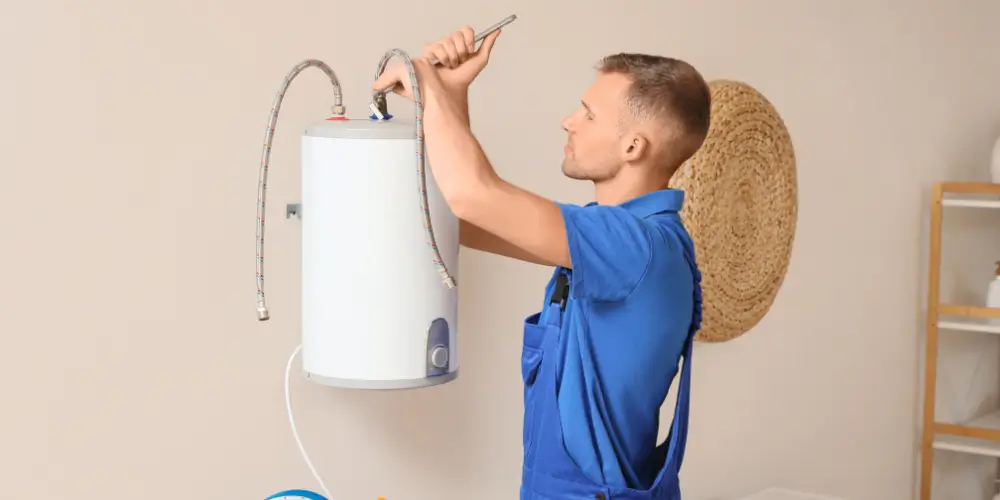
Set the boiler up for steady, low-stress running, and it will typically last longer than one that is constantly pushed to cycle hard. Keeping thermostats and timers consistent helps avoid rapid on/off bursts that strain components. In colder weather, maintaining a modest background temperature can be easier on the system than frequent deep setbacks followed by aggressive reheating.
Homeowners can also protect lifespan by keeping radiators bled, ensuring vents are unobstructed, and not covering thermostatic radiator valves with curtains or furniture, which can cause poor control and unnecessary firing. Pressure should stay within the manufacturer’s normal range; topping up too often introduces fresh oxygenated water that accelerates corrosion, so any repeated drop should be investigated.
Using the correct boiler setting (e.g., “heating and hot water” vs “hot water only”) reduces wasted cycles. Finally, keeping the area around the boiler clean and accessible supports safe airflow and quicker routine servicing.
Boiler Lifespan Checklist (Repair vs Replace Triggers)
Even with good day-to-day practices, boilers eventually show signs that routine maintenance can’t offset, so a simple checklist helps distinguish when a repair is sensible versus when replacement is the better long-term call.
Age matters, but so do safety, efficiency, and the pattern of breakdowns. A qualified technician can confirm the root cause, yet these triggers help guide the decision.
- System age vs condition: Under ~10–15 years with solid heat output and no corrosion often favors repair; older units with rusted sections lean toward replacement.
- Repair frequency and cost: Repeated service calls or a single repair near 50% of a new boiler’s price is a replacement signal.
- Efficiency decline: Rising fuel bills, uneven heating, or failing controls can justify upgrading to a higher-efficiency model.
- Safety and leaks: Carbon monoxide risk, chronic pressure loss, or heat exchanger cracks typically require replacement.
Frequently Asked Questions
Does Boiler Warranty Length Affect Expected Lifespan?
Boiler warranty length only loosely affects expected lifespan; it signals manufacturer confidence, not guaranteed durability. Longer warranties may reflect better components or support, but installation quality, maintenance, water conditions, and usage ultimately determine service life.
Can a Smart Thermostat Reduce Boiler Wear and Extend Longevity?
Yes, a smart thermostat can reduce boiler wear and extend longevity by optimizing run times, preventing rapid cycling, and matching heat output to demand. Benefits depend on correct installation, settings, and a well-maintained system overall.
How Does Boiler Size Relative to Home Demand Impact Lifespan?
Boiler sizing strongly affects lifespan: oversizing causes short-cycling, thermal stress, and component wear, while undersizing forces continuous operation and higher temperatures. Properly matched output maintains steadier runs, better efficiency, and reduced strain over the years.
Do Radiator Upgrades or Underfloor Heating Change Boiler Lifespan Expectations?
Radiator upgrades or underfloor heating can change boiler lifespan expectations by reducing cycling, improving efficiency, and easing stress when correctly designed. Poorly matched temperatures, controls, or flow rates may increase wear and shorten life.
Is It Safe to Buy a Second-Hand Boiler, and How Long Might It Last?
Buying a second-hand boiler can be safe if it is professionally inspected, correctly installed, and supplied with service records; otherwise, the risk rises. Remaining life varies widely, but often 3–8 years, depending on age, condition, and usage.
Conclusion
Most boilers last around 10–15 years, though lifespan varies by type, water quality, and maintenance. Annual servicing, correct system pressure, and clean water reduce wear, prevent corrosion, and protect heat exchangers and pumps. Sludge and limescale remain the fastest routes to early failure, so inhibitor, magnetic filtration, and occasional flushing can be worthwhile. When repairs become frequent, parts are obsolete, or bills rise, replacement often offers better reliability and efficiency.