A concise fire prevention checklist helps reduce risks and improve safety through simple, consistent actions. Install and test smoke alarms on every level and inside bedrooms; replace batteries yearly and units every ten years. Keep kitchens attended, clean grease, and keep lids or metal sheets on hand to smother small fires. Inspect cords, avoid overloaded outlets, and use surge-protected power strips. Store flammables in labeled, sealed containers away from living spaces. Plan and practice escapes regularly, and follow tenant–manager safety duties for added protection and guidance.
Key Takeaways
- Install and test smoke alarms on every level and in bedrooms, replacing batteries yearly and alarms every 10 years.
- Keep flammable materials away from heat sources and store combustible liquids in labeled, sealed containers.
- Maintain cooking safety: never leave stovetops unattended, clean grease buildup, and keep lids or metal covers nearby.
- Inspect electrical cords, avoid overloaded outlets, use surge-protected power strips, and schedule professional electrical maintenance.
- Create and practice a home escape plan with primary/secondary exits, a meeting point, and twice-yearly drills.
Table of Contents
Quick Fire-Prevention Checklist
A concise checklist of essential fire-prevention steps helps occupants quickly identify and address common hazards before they escalate. It lists actionable items: keep flammable materials away from heat sources, guarantee portable heaters have clearances and automatic shutoffs, and use approved power strips rather than overloaded outlets. Maintain cooking safety by staying at the stove, turning pot handles inward, and keeping combustibles away. Store combustible liquids in labeled, sealed containers away from living areas. Regularly inspect electrical cords for fraying and replace damaged ones promptly; avoid running cords under rugs. Ensure heating systems and chimneys receive professional maintenance, and keep vents unobstructed. Keep hallways and exits clear to maintain safe egress. Keep fire extinguishers accessible and occupants trained in their basic use. Establish a simple, practiced evacuation plan and designate meeting points. Periodic review of these items reduces risk and promotes a culture of ongoing vigilance without requiring technical expertise.
Smoke Alarms: Install, Test, and Replace
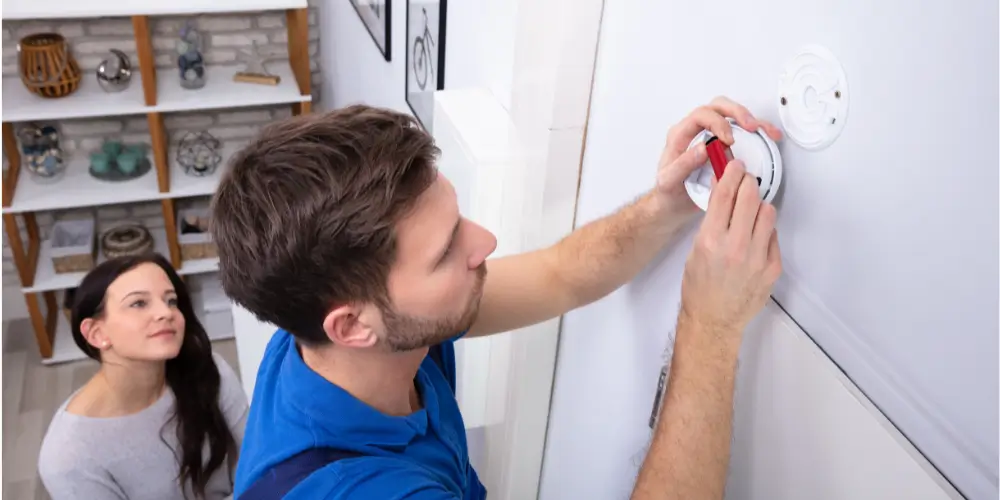
Several key actions guarantee smoke alarms provide reliable early warning: install them on every level and inside bedrooms, use interconnected units where possible, test monthly, replace batteries annually (or use ten-year sealed batteries), and replace the entire alarm every 10 years. Regular testing confirms functionality; pressing the test button until the signal sounds verifies circuitry and speaker function. Clean alarms periodically to remove dust and insects that can cause false alarms or impair sensor performance, using a vacuum or a soft brush.
Interconnected alarms guarantee any sensor activation alerts all occupants, improving escape time. Follow manufacturer instructions when replacing units to maintain sensor type coverage: ionisation, photoelectric, or dual-sensor matching risks in different areas. Record installation dates and battery changes to track end-of-life replacement. If alarms fail tests after battery replacement, replace the unit promptly. For hardwired systems, have a qualified electrician inspect connections when persistent faults occur. Consistent maintenance preserves early detection capability and reduces risk.
Kitchen Fire Prevention (Safe Cooking Habits)
Practice attentive cooking to minimize the leading cause of residential fires: unattended stovetops and overheated oils. The cook should stay present whenever a burner or oven is active, set timers for long tasks, and keep children and pets away from the cooking zone. Avoid clothing and loose fabric near open flames.
Containment and readiness reduce escalation: use lids to smother small grease fires, keep a metal baking sheet nearby to slide over flaming pans, and turn off heat sources promptly. Clean grease buildup on surfaces and vents regularly to prevent ignition. Center pots and pans on burners, and turn handles inward to avoid accidental knocks. Store flammable materials such as paper towels, oven mitts, and wooden utensils away from heat.
When deep-frying, use a thermometer to maintain safe oil temperatures and do not overfill the fryer. If a fire grows beyond control, evacuate immediately and call emergency services rather than attempting risky extinguishment.
Electrical Fire Safety: Outlets, Cords, and Appliances
Because faulty wiring, overloaded outlets, and damaged cords can ignite quickly, electrical fire safety focuses on preventing hazards at the source and maintaining equipment in safe working condition. Regularly inspect cords for fraying, exposed wires, or brittle insulation to reduce risk; replace damaged cords rather than tape them. Outlets showing scorch marks, loose plugs, buzzing, or heat require immediate professional evaluation. Avoid overloading circuits by distributing appliances across multiple circuits and using power strips with built-in surge protection and overload shutoff.
Extension cords are for temporary use only; permanent needs should prompt installation of additional outlets. Use appliances according to the manufacturer’s instructions, clean them to prevent dust buildup, and unplug them when not in use if they generate heat. Ground-fault circuit interrupters (GFCIs) and arc-fault circuit interrupters (AFCIs) enhance protection where code requires. Professional installation and routine electrical system maintenance guarantee safer operation and early detection of hidden hazards.
Heating and Candle Safety (Winter & Outages)
When electrical systems are stressed by winter heating devices or during power outages, the risk shifts from overloaded outlets to space heaters, alternative heating methods, and the temporary use of candles for light. Households should choose certified space heaters with tip-over and overheat protection, place them on noncombustible surfaces, and maintain at least three feet clearance from combustibles. Portable heating fuels and generators require outdoor use with proper ventilation; gasoline and propane must never be used indoors. Battery-powered lights and LED lanterns are safer alternatives to open flames.
If candles are used, they should be in sturdy holders on stable surfaces, kept away from drafts and out of reach of children and pets, and extinguished before sleeping or leaving the room. Test smoke alarms after installing temporary heating, and keep a fire extinguisher appropriate for common household fires readily accessible. Review emergency plans and evacuation routes seasonally to account for winter conditions.
Store and Handle Flammables Safely
Store flammable liquids and materials in clearly labeled, approved containers and keep them in well-ventilated, cool areas away from heat sources, sparks, and open flames. The guidance emphasises minimising quantities stored on-site, segregating incompatibles (oxidizers, acids), and using cabinets or outdoor storage designed for flammables. Personnel should consult product Safety Data Sheets, follow manufacturer instructions, and make certain containers remain sealed when not in use.
- Keep containers closed, grounded, and upright during transfer to prevent spills and static buildup.
- Store small quantities in approved cabinets; larger volumes require vented storage rooms with spill containment.
- Maintain clear access to storage, post hazard signage, and provide appropriate fire extinguishers nearby.
Routine inspections identify leaks, deteriorated containers, and blocked vents. Training covers proper handling, spill response, and disposal of residues. Regular housekeeping removes combustible waste and prevents accumulation. Implementing these measures reduces fire likelihood and supports regulatory compliance without affecting emergency escape planning.
Home Escape Planning and Practice
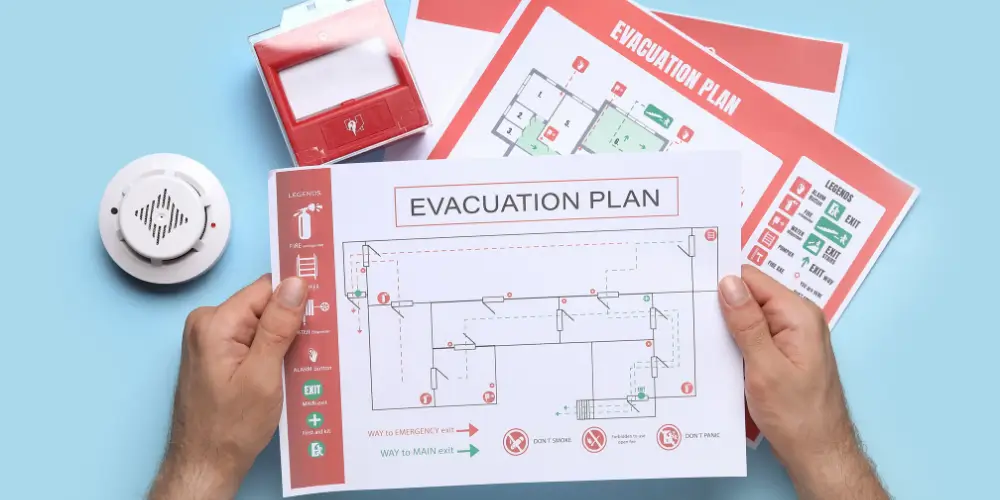
Develop a clear, practiced home escape plan that guarantees every occupant can quickly and safely exit during a fire. The plan should map primary and secondary exits from every room, identify a safe outside meeting point, and account for infants, children, older adults, and pets. Install and label escape ladders for upper floors and make sure windows open easily. Teach occupants to check doors for heat before opening and to stay low to avoid smoke. Maintain clear pathways by removing clutter from hallways and stairwells and confirm exterior doors are not locked with inaccessible keys.
Practice the plan at least twice a year, varying the time of day and simulating impaired visibility; record response times and correct shortcomings. Verify that smoke alarms function and that everyone recognizes the sound and knows the procedure. Reinforce the rule to never re-enter a burning structure. Keep emergency contact numbers accessible and review the plan after household changes such as new residents, mobility issues, or renovations.
Fire Safety in Shared Buildings: Tenant & Manager Duties
In multiunit buildings, effective fire safety depends on clear, shared responsibilities: tenants must keep individual units safe and avoid obstructing common egress routes, while managers are responsible for building-wide prevention, maintenance, and enforcement of codes. The division of duties reduces risk: tenants maintain smoke alarms, avoid overloaded outlets, and store combustibles safely; managers guarantee corridors, stairwells, and exits remain clear, test communal alarms and sprinklers, and coordinate inspections. Regular communication, posted evacuation plans, and agreed reporting procedures enhance readiness.
- Tenants: maintain detectors, practice escape plans, report hazards, and avoid blocking exits.
- Managers: inspect systems, service fire suppression and alarms, maintain emergency lighting, and enforce no-smoking or storage rules.
- Joint actions: schedule drills, share evacuation maps, document repairs, and establish rapid reporting for hazards.
Clear, enforceable policies and timely maintenance create a safer environment and reduce liability while promoting occupant confidence.
Frequently Asked Questions
How Often Should Fire Extinguishers Be Professionally Serviced?
They should be professionally serviced at least annually by a qualified technician; monthly visual checks and periodic maintenance (hydrostatic testing or recharge) follow manufacturer and local regulations to guarantee reliability and compliance with standards.
Are Pets Included in Home Escape Plans and How to Evacuate Them Safely?
Yes, pets are included. The homeowner assigns exits, leashes/crates near doors, practiced quick grabs, and a family member responsible for each animal. Emergency contact numbers and evacuation kits with carriers, food, and medical records are prepared.
What Insurance Steps Follow a Fire-Damaged Home Assessment?
They file a claim, document damage, obtain an adjuster’s report, secure temporary housing and mitigation, retain receipts, coordinate contractor estimates, negotiate settlement, accept payment or appeal, then begin repairs or total-loss replacement per policy terms.
How to Safely Dispose of Ash From Wood Stoves and Fireplaces?
They should let ashes cool for at least 48 hours, transfer with a metal shovel into a metal container with a tight lid, store it outdoors on noncombustible ground, and dispose according to local regulations to avoid rekindling or contamination.
Can Indoor Plants Increase or Reduce Fire Risk?
Indoor plants generally reduce fire risk by adding moisture and noncombustible barriers, though dry soil, dead leaves, or flammable pots can increase risk; proper watering, pruning, and placement away from heat sources minimise any added hazard.
Conclusion
A concise fire-prevention plan reduces risks and protects lives and property. By maintaining working smoke alarms, practicing safe cooking and heating habits, managing electrical devices and flammable materials responsibly, and establishing clear escape plans, households create multiple layers of protection. In shared buildings, tenants and managers sharing duties further strengthen safety. Regular checks, testing, and rehearsals keep precautions effective, so preparedness becomes routine rather than occasional, minimising the likelihood and impact of fire incidents.