A C2 on an EICR denotes a potentially dangerous electrical fault that needs prompt attention. It indicates a condition that could cause electric shock, burns or fire if left unrepaired. The assessor will record the location, describe the defect and advise that a qualified electrician carries out remedial work within a reasonable timescale. Temporary safety measures, such as isolating circuits, may be recommended until repairs are completed. Continue for guidance on risks, responsibilities and practical next steps.
Key Takeaways
- C2 on an EICR means a potentially dangerous condition requiring urgent remedial action to prevent electric shock or fire.
- It indicates a fault such as exposed live conductors, damaged insulation, or inadequate earthing/bonding.
- Duty holders must arrange a qualified electrician to assess and carry out repairs promptly, with written timescales.
- Temporary measures (isolation, labelling, securing conductors) can reduce risk until permanent repairs occur.
- Keep documented evidence of findings, remedial actions, and test results to demonstrate due diligence and compliance.
Table of Contents
What a C2 on an EICR Means: And What to Do First
When a C2 is recorded on an Electrical Installation Condition Report (EICR), it indicates a potentially dangerous condition that requires urgent attention; this classification signals that the electrical installation has a fault likely to present a risk of injury or fire if not remedied promptly. The assessor’s role is to describe the issue, its location, and the reason for the C2 rating, providing clear notes for remedial action. The duty holder should treat the report as evidence that prompt corrective work is required and arrange for a competent, qualified electrician to assess and repair the fault. Interim measures such as isolating affected circuits or removing access until repairs are complete may be recommended to reduce immediate risk. Documentation should record actions taken and timescales for completion. Once repairs are finished, a follow-up inspection or verification test confirms compliance and permits the EICR to be updated. Prioritisation and competent remediation are central to managing C2 findings effectively.
Common Faults That Trigger a C2 on an EICR
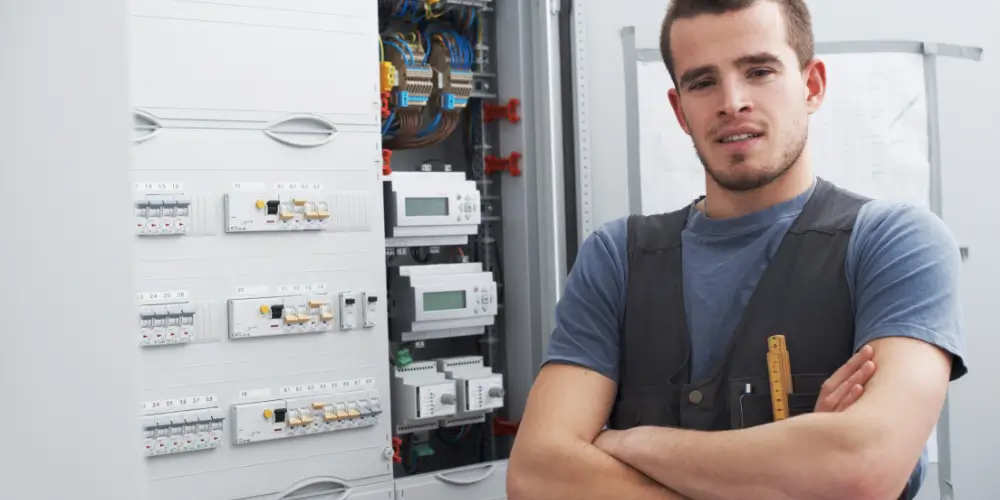
Because a C2 denotes a potentially dangerous condition, the faults that trigger this classification are those that present a real risk of electric shock or fire if not remedied promptly. Common causes include exposed live conductors, damaged cable insulation, and inadequate earthing or bonding that leave metalwork energised. Overloaded circuits and outdated or incorrectly installed consumer units can produce overheating and arcing, which may be classified C2 when risk is significant. Faulty or loose connections at junctions, switches, sockets, or appliance tails create high-resistance joints that heat under load. Improperly installed or missing protective devices such as RCDs with incorrect sensitivity or absence where required also lead to C2 findings. Shared neutrals, reversed polarity on circuits serving fixed equipment, and evidence of previous fire or scorching around wiring are further typical triggers. Each fault requires competent investigation and timely remedial action to reduce the demonstrated hazard to an acceptable level. Check out the details of EICR failures: EICR Failures in UK Properties: Causes, Risks, and Prevention.
Immediate Risks: Injury, Fire and Real Examples
A C2 classification on an Electrical Installation Condition Report signals an immediate risk that can lead to electric shock, burns, or ignition of combustible materials if not addressed without delay. Such faults often involve exposed live parts, damaged insulation, overloaded circuits, or failed protective devices. The immediate physical harm includes severe shocks from contact with energised conductors and thermal burns where arcing occurs. Fire risk arises when arcing or overheating ignites nearby insulation, wood, or fabric, potentially producing rapid, concealed smouldering that later develops into open flame.
Documented examples illustrate severity: a consumer unit with loose connections caused repeated arcing, igniting wall timbers; damaged cable insulation in a loft led to smouldering over months before a fire started; an overloaded socket caused component failure and a small but spreading fire in a rented property. Each case shows how C2 conditions can evolve quickly from hidden fault to visible danger, underscoring the need for immediate professional intervention.
C2 on an EICR: Required Timescales and Who Decides?
Having established the immediate dangers associated with a C2 designation, the next consideration is the timeframe for remediation and who holds responsibility for enforcing it. A C2 (potentially dangerous) fault on an EICR typically requires prompt attention but does not mandate immediate disconnection in every case; the exact timescale depends on risk assessment, system use, and local regulations. The responsible parties include the qualified electrician who issued the report, the duty holder (landlord, employer, or facilities manager), and any statutory regulator overseeing premises safety.
The electrician should advise reasonable remedial timescales and prioritise urgent actions in writing. The duty holder must arrange repairs within those recommended periods and document progress. Where legal compliance is involved rental properties or workplaces regulatory bodies can set or enforce deadlines and require evidence of repair. Clear communication, documented recommendations, and timely scheduling guarantee C2 issues are addressed before they escalate.
Temporary Safety Measures and Permanent Repairs for C2 Faults
Implementing temporary safety measures while arranging permanent repairs is essential when a C2 fault is identified on an EICR. Initially, isolating the affected circuit or turning off specific circuits at the consumer unit prevents use of compromised wiring or equipment. Clearly labeling isolated circuits and informing occupants or responsible parties reduces accidental re-energisation. Temporary barriers, signage, and removal of vulnerable appliances from the area further limit risk. A competent electrician should assess whether temporary remedial actions such as replacing damaged flexes, securing exposed conductors, or fitting suitable protective devices are appropriate before scheduling permanent work.
Permanent repairs require a qualified electrician to diagnose root causes, replace or reroute faulty wiring, and guarantee correct earthing and bonding. Work must comply with current regulations and be tested to confirm fault clearance. Documentation of both temporary measures and completed permanent repairs should be retained, enabling verification during follow-up inspections and maintaining safety records.
Typical Costs and Timeframes to Fix a C2 on an EICR
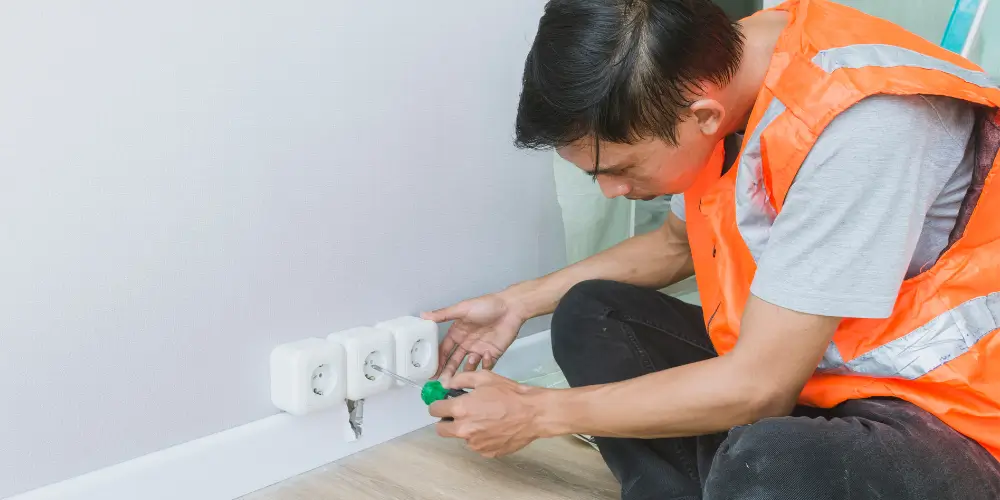
After temporary measures are in place and a qualified electrician has assessed the fault, estimating the costs and time required to rectify a C2 on an EICR depends on the fault’s nature, extent of rewiring, and access. Typical minor C2 issues loose connections, single-circuit repairs or small accessory replacements often incur modest labour and parts charges and can be completed within a few hours to a day. More extensive problems, such as multiple faulty circuits, damaged consumer units, or partial rewiring, raise costs considerably and may take several days to a week. Factors influencing price include hourly rates, material quality, test certification, and any required isolation or scaffold access. Emergency call-outs attract premiums. Where full circuit replacement is necessary, costs reflect time, materials and reinstatement of finishes. Always expect a written quote or breakdown showing labour, parts and testing. Turnaround times also depend on electrician availability and permit or landlord requirements, which can lengthen scheduling beyond the physical repair duration.
DIY vs Hire a Registered Electrician: What You Can and Can’t Do
While some minor electrical tasks such as replacing a socket faceplate, swapping a lightbulb, or tightening a loose terminal under power isolation can be safely handled by a competent DIYer, anything involving fixed wiring, consumer unit work, or alterations to circuit protection should be left to a registered electrician due to legal, safety, and certification requirements. A registered electrician carries up-to-date training, insurance, and the ability to issue compliance documentation required after remedial work tied to an EICR C2 finding. Here is the detailed guide for Can a Domestic Installer Do an EICR? Legal Rules, Risks, and Requirements.
DIY attempts on affected circuits risk electric shock, fire, incorrect fault clearance, and invalidating insurance or legal obligations. Tasks generally suitable for DIY are cosmetic replacements and simple component swaps that do not disturb wiring or protective devices. Tasks that must be hired out include replacing damaged cables, rerouting circuits, upgrading earthing, modifying RCD/MCB arrangements, and any work that could change the report status. When in doubt, consulting a registered electrician guarantees safety and maintains certification traceability.
Preventing C2 Issues and Proving Compliance (Maintenance & Records)
Regular maintenance, clear record-keeping, and timely remedial action together reduce the risk of C2 (dangerous) electrical findings and provide evidence of compliance. Property managers should schedule periodic inspections, replace aging components, and act on electrician recommendations promptly. Detailed logs of tests, repairs, and certificates form a traceable history that supports safety claims and meets regulatory expectations. Digital records with timestamps and photographs strengthen auditability. Training staff to recognise hazards and to report issues guarantees problems are identified before escalation. Retaining copies of EICRs, invoices, and certificates for prescribed retention periods helps demonstrate due diligence to authorities or insurers.
| Action | Frequency | Purpose |
| Visual checks | Monthly | Early anomaly detection |
| PAT/testing | Annually | Appliance safety verification |
| EICR | Every 5 years (or per tenancy) | Formal risk assessment |
| Repair log | After every intervention | Prove remedial action |
Consistent application of these practices reduces C2 occurrences and provides clear proof of compliance.
Frequently Asked Questions
Does a C2 Fault Affect Home Insurance Cover?
Yes. Insurers may require remedial work for a C2 fault; failure to fix it can jeopardise cover or claims. The homeowner should notify their insurer, obtain repairs by a qualified electrician, and keep evidence of completion.
Can Landlords Be Prosecuted for Unresolved C2 Faults?
Yes. They can be prosecuted if an unresolved C2 fault creates a foreseeable risk and they fail to act; authorities may pursue enforcement or criminal charges depending on harm, negligence, and applicable housing and electrical safety laws.
Will a C2 Fail a Property Sale or Mortgage Survey?
A C2 can jeopardise a sale or mortgage survey if lenders or buyers perceive safety risks; many will request remedial certification before proceeding. Responses vary by lender, surveyor, and severity, so timely professional rectification is recommended.
Are Portable Appliance Tests (PAT) Relevant to C2 Faults?
Yes. They note appliance conditions that can contribute to C2 issues, though PAT targets portable equipment specifically. An EICR may still record C2s from faulty appliances, so PAT helps identify and reduce such risks.
Do Smart Home Devices Increase C2 Risk?
Yes; increased smart device density and poor installations can raise C2 risk through overloaded circuits, uncertified adapters, or faulty wiring. Regular inspections, correct load management, and certified products reduce the likelihood of dangerous electrical defects.
Conclusion
A C2 classification on an EICR indicates a potentially dangerous condition requiring prompt attention to reduce risk of injury or fire. Immediate provisional measures may be applied, but only a registered electrician should undertake permanent remedial work within the required timescale determined by the landlord, property owner or enforcing authority. Costs and durations vary by fault complexity; regular maintenance, timely testing and accurate records help prevent C2 issues and demonstrate ongoing compliance.