When Is a risk assessment is necessary whenever a UK property handles hazardous materials, hosts regulated systems, undergoes significant changes in occupancy or use, or experiences building works, incidents, or near misses. It is also needed when new contractors, equipment or vulnerable occupants are introduced, or when legal duties change across England, Wales, Scotland and Northern Ireland. Competent assessors should be commissioned, and findings acted upon, with timely reviews and clear records maintained. Continue for practical steps and responsibilities.
Key Takeaways
- Conduct a risk assessment whenever premises, use, or occupancy change, including renovations, new tenants, or altered operating hours.
- Conduct assessments following incidents, near misses, complaints, or regulatory audits to identify and address emerging hazards.
- Perform specialist assessments (fire, asbestos, legionella, electrical, structural) when hazardous materials, systems, or equipment are present or introduced.
- Review fire risk assessments at least annually and immediately after significant alterations, incidents, or changes in occupant vulnerability.
- Commission competent assessors with clear scope, access, and documentation, and act on prioritised recommendations to meet legal duties.
Table of Contents
Do You Need a Risk Assessment? Quick Checklist
Any organisation that handles hazardous processes, manages regulated assets, or faces new or changed operations should consider conducting a risk assessment. Use this checklist to determine whether conditions such as recent incidents, regulatory audits, project changes, unfamiliar hazards, or stakeholder concerns trigger a formal review. The checklist prompts concise answers: Has work changed recently? Are new materials, contractors, or equipment introduced? Have inspectors issued recommendations or fines?
Has there been a near miss, complaint, or injury? Are occupancy patterns altered, or is there refurbishment, demolition, or change of use? Are legal duties, guidance, or industry practices up to date? Does the site host vulnerable people or critical services? Is there limited in-house expertise or uncertainty about controls? Affirmative responses indicate the need for a focused assessment. The aim is to empower responsible parties to act decisively, minimise constraints imposed by unmanaged risk, and preserve operational freedom while meeting statutory obligations.
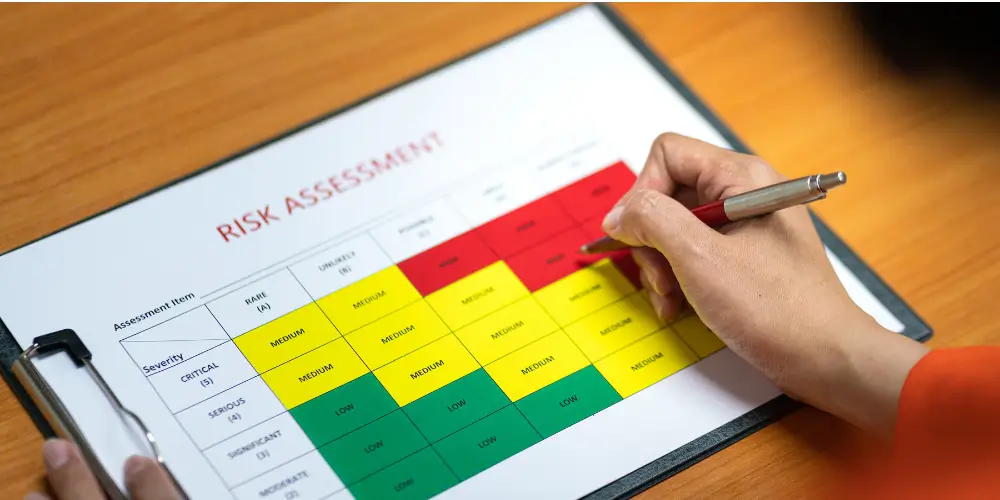
Which Risk Assessments Might Be Required (Fire, Asbestos, Legionella, Etc.)
When operations involve buildings, plants, or water systems, a range of specialist risk assessments may be legally or practically required to identify hazards and specify controls. The responsible party should consider assessments tailored to the premises and activities, balancing legal duties with the occupants’ desire for safe, unobstructed use. Typical assessments include:
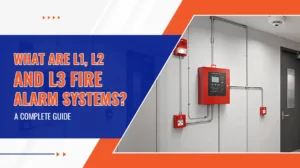
- Fire Risk Assessment: evacuation, detection, and combustion hazards.
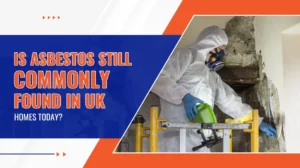
- Asbestos Survey and Management: identification, labelling, and removal plans.
- Legionella Risk Assessment: water system checks, control measures, and monitoring.
- Electrical Safety Assessment: fixed wiring, PAT testing, and residual risk controls.
- Structural and Plant Risk Assessment: inspections of roofs, lifts, boilers, and machinery.
Each assessment determines necessary controls, records, and review frequency. Where specialist competence is required, accredited consultants provide legally defensible reports. Proactive assessment preserves freedom of use by preventing restrictive enforcement action, downtime, or costly remedial measures while keeping occupants safe.
Changes of Use or Occupancy That Trigger a Reassessment
Under what circumstances does a change in use or occupancy necessitate a fresh risk assessment? When a property’s purpose shifts, such as from storage to residential, retail to hospitality, or office to childcare, the hazards, occupant profiles and legal duties alter sufficiently to require reassessment. Increased hours, higher visitor turnover, vulnerable occupants or the introduction of new processes or equipment change exposure and escape needs.
When Is a risk assessment is necessary? Partial changes, like converting one floor to a different use, also demand review for compartmentation, means of escape and fire detection adequacy. Changes in occupancy numbers or the regular presence of people with reduced mobility should trigger reassessment to guarantee safe evacuation and access. Likewise, introducing public access where previously restricted, or altering operating hours that affect lone working risks, requires fresh evaluation. The aim is to match mitigation, signage and emergency plans to the new reality, preserving freedom of use while meeting statutory safety obligations.
Building Works and Renovations: When to Reassess Risk
How should building works and renovations prompt a reassessment of fire and safety risks? Building works can change escape routes, compartmentation, fire detection and occupant load. A timely reassessment guarantees freedom to renovate without compromising safety or legal compliance. The assessment should focus on altered hazards, new ignition sources, and temporary measures needed during works.
- Temporary changes to escape routes and signage
- Removal or alteration of fire-resisting walls, doors or ceilings
- Introduction of hot works, flammable materials or new electrical installations
- Changes to occupancy patterns, storage or access for emergency services
- Modifications that affect alarm, detection or suppression systems
A competent assessor evaluates plans before work starts and during significant stages. Controls should be proportionate: isolate hot works, maintain clear exits, protect fire compartments and confirm detection and suppression remain effective. Documentation must record risks, responsibilities and duration of temporary measures so occupants retain freedom to use the space safely during and after renovations.
After an Incident: Immediate Checks and Reassessment Checklist
Inspect the scene immediately after an incident to identify ongoing hazards and determine whether the existing fire risk assessment remains valid. A swift, unemotional survey notes structural damage, compromised escape routes, active ignition sources, and hazardous materials. Record observable changes, isolate risks where possible, and prevent access until safety is assured.
Next, follow a concise reassessment checklist: confirm occupant safety and any injuries; verify detection and suppression systems functioned or failed; log alarm timings and response actions; inspect means of escape for blockage or damage; assess fire spread patterns and probable causes; catalogue damaged equipment and combustible accumulations; review maintenance records and recent modifications. Determine if temporary controls are required and who will implement them.
Finally, decide whether a full revision of the fire risk assessment is necessary. If core assumptions have changed building layout, use, or protective measures, update the assessment promptly, communicate changes to occupants, and reinstate freedom to use the premises only when hazards are controlled.
Legal Duties by Nation (England, Wales, Scotland, NI)
Because fire safety law in the United Kingdom is devolved, legal duties vary across England, Wales, Scotland and Northern Ireland, each governed by distinct legislation and enforcement regimes. Responsibilities rest with those who have control of the premises, but specific duties and terminology differ by nation. The text outlines core distinctions, emphasising clarity and autonomy for property operators seeking compliance without unnecessary constraint.
- England: Regulatory Reform (Fire Safety) Order 2005 requires the responsible person to assess and reduce risk in most non-domestic premises.
- Wales: Mirrors England’s Order but with Welsh Government guidance and local enforcement emphasis.
- Scotland: Fire (Scotland) Act 2005 and the Fire Safety (Scotland) Regulations 2006 set duties for dutyholders, with a focus on risk-based safety outcomes.
- Northern Ireland: Fire and Rescue Services (Northern Ireland) Order 2006 governs duties; separate risk assessment expectations apply.
- Enforcement: Local fire authorities enforce in each nation, with penalties for non-compliance and scope for improvement notices.
Who Should Carry Out a Risk Assessment and How to Commission One
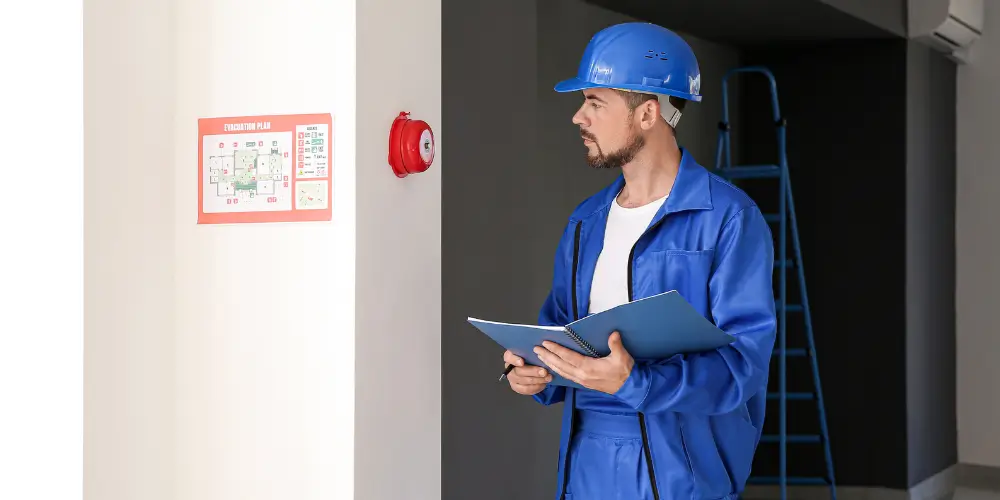
Any organisation responsible for premises should guarantee a suitable fire risk assessment is carried out by a person or team with the necessary competence, time and resources to identify hazards, evaluate risks and recommend proportionate controls. Responsibility can rest with a competent in-house officer where expertise exists, or be commissioned externally from qualified consultants, fire engineers or accredited bodies. Selection should focus on demonstrable experience, relevant qualifications, professional memberships and insurance. A clear brief must set scope, premises areas, relevant activities and any statutory considerations. Learn more about Who Has Ultimate Responsibility for Producing a Fire Risk Assessment.
Tendering or obtaining quotes enables comparison of methodology, deliverables and fees; request sample reports and references. Commissioning should require a written agreement specifying timescales, access arrangements, confidentiality and reporting format. The assessor must be permitted unimpeded access, support from staff and accurate records. Final reports should state conclusions, recommended actions and prioritisation. The commissioning party retains the duty to implement or allocate measures, ensuring freedom to choose competent providers while maintaining legal and safety obligations.
How Often to Review, Update and Keep Risk Assessment Records
How frequently a fire risk assessment should be reviewed depends on factors such as the size and complexity of the premises, the nature and volatility of activities carried out, and changes in occupancy, layout or legislation; as a minimum, assessments should be reviewed annually and updated whenever significant alterations, incidents or new hazards arise. The responsible person should adopt a proportionate schedule that safeguards liberty to operate while ensuring compliance and safety. Records must be concise, accessible and retained to demonstrate due diligence.
- Review annually, or sooner after changes
- Update immediately following incidents or near-misses
- Reassess when occupancy or use changes
- Keep clear, dated records for at least the statutory period
- Store documents securely yet accessibly for stakeholders
Routine reviews preserve operational freedom by reducing disruption from unforeseen hazards. Clear version control, named reviewers and a simple audit trail enable swift action and proof of compliance.
Frequently Asked Questions
How Much Does a Professional Property Risk Assessment Typically Cost?
Typically, a professional property risk assessment costs between £150 and £1,200, depending on property size, complexity, and specialist surveys; the owner compares quotes, seeks independent assessors, and chooses flexibility over restrictive contracts.
Can Insurance Companies Perform or Require Their Own Risk Assessments?
Yes, insurers can perform or require their own risk assessments. They often impose inspections, bespoke surveys, or remediation conditions to underwrite cover, balancing risk exposure while leaving policyholders autonomy to choose compliant contractors and solutions.
Are There Specific Qualifications to Look for in an Assessor?
Yes. They should seek assessors with recognised qualifications, NEBOSH, IOSH, or equivalent health and safety certifications, plus relevant industry experience, professional memberships, and proven independence to guarantee competent, impartial evaluations aligned with regulatory expectations.
Do Residential Landlords Need the Same Assessments as Commercial Landlords?
No residential landlords usually require different, often simpler, assessments than commercial landlords; regulatory duties differ by property use, occupancy and hazards, so they should check specific statutory requirements and proportionate risk controls tailored to each setting.
Can Risk Assessments Be Conducted Remotely or via Desk-Based Review?
Yes, they can be conducted remotely or via desk-based review, though physical inspections are often necessary to verify hazards. The assessor balances autonomy with duty, using records, photos, and tenant input to support conclusions.
Conclusion
Determining when is a risk assessment is necessary guarantees legal compliance and occupant safety across UK properties. Regular reviews, post-incident checks, and reassessments after changes in use, occupancy, or building works are essential. Specific hazards, such as fire, asbestos, and legionella, require targeted assessments by competent persons or commissioned professionals. Legal duties vary by nation, so landlords and dutyholders must stay informed, maintain clear records, and update assessments promptly to manage risks effectively and demonstrate due diligence.