In the UK, the question Who Is Responsible for Enforcing Fire Safety is mainly answered by local fire and rescue authorities, supported by building control, the Health and Safety Executive, and local regulators. These bodies inspect premises, issue improvement or prohibition notices, impose civil penalties, and pursue prosecutions when needed. Owners, employers, landlords, and people in control of premises are legally responsible for risk assessments and fire safety precautions. Social landlords and housing managers have specific duties for tenants. Further details explain who does what and how enforcement works.
Key Takeaways
- Local Fire and Rescue Authorities enforce fire safety, inspect premises, and can issue improvement or prohibition notices.
- The Responsible Person (owner, employer, landlord or occupier) must carry out fire risk assessments and implement safety measures.
- The Health and Safety Executive enforces fire safety rules in workplaces and can prosecute for breaches.
- Building control authorities ensure compliance with fire safety during construction, renovation, and building regulations approval.
- Housing authorities and registered social landlords hold primary duties for fire safety in social housing, with management agents responsible by contract.
Table of Contents
Who Enforces Fire Safety in the UK: Quick Answer
Who is responsible for enforcing fire safety in the UK? The primary enforcers are the local fire and rescue authorities, acting under national legislation and guidance. They inspect premises, assess risks, issue notices, and, when necessary, take enforcement action to correct hazards. Other bodies support this role: building control authorities oversee compliance with fire-related building regulations during construction and major renovations; environmental health teams may engage when fire risks intersect with public health; and regulators for specific sectors, such as transport or prisons, apply dedicated fire-safety regimes. Private certifying professionals perform inspections and provide compliance advice, but enforcement power rests with statutory agencies.
Enforcement emphasises proportionate intervention, focusing on prevention and remediation rather than punishment alone. Information and cooperation are encouraged; rights to challenge decisions exist through formal appeal routes. This structure balances statutory oversight with opportunities for responsible parties to manage risks while preserving operational autonomy.
Legal Responsibilities for Fire Safety (Owners, Employers, Tenants)
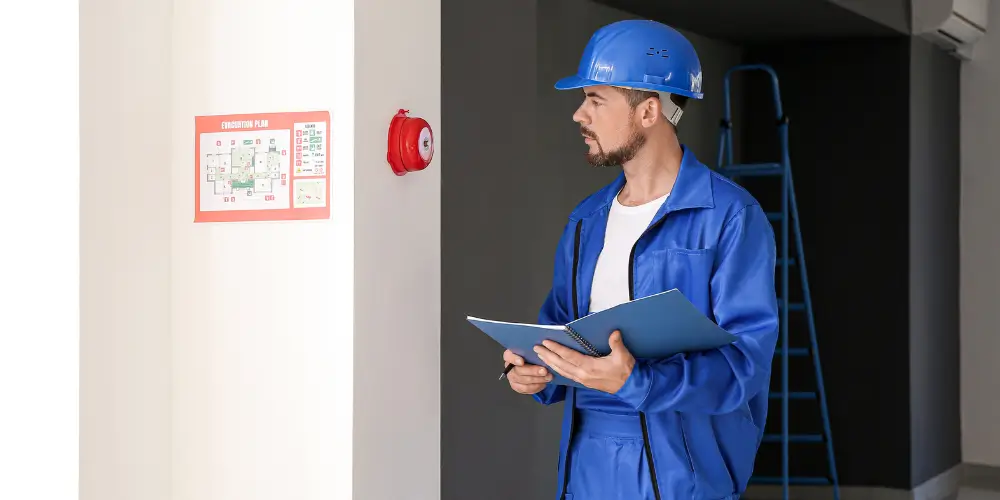
Although responsibilities vary by context and statute, owners, employers, and tenants in the UK each carry distinct legal duties to manage fire risk: Owners must guarantee premises meet building and fire-safety standards, maintain detection and escape systems, and provide safe means of access and egress. Employers are legally obliged to assess fire risks, implement preventive measures, train staff, and prepare evacuation procedures. Understand Fire Safety Legislation Explained: Legal Duties, Risks, and Compliance.
Tenants have a duty to use the premises safely, follow fire safety rules, and report hazards to the responsible person. These roles enable practical freedom by making safety predictable and shared.
- Owners: maintain structure, fire doors, alarms, and escape routes; assign a responsible person where required by law.
- Employers: conduct fire risk assessments, train workers, and maintain emergency plans.
- Tenants: comply with rules, avoid creating hazards, and notify owners or managers of defects.
- Shared duty: cooperation and clear communication reduce risk and protect liberty to use space safely.
Regulators and Enforcement Powers: Local Fire Services, HSE and Others
Having outlined the distinct legal duties of owners, employers and tenants, attention turns to the bodies that monitor compliance and enforce those duties. Local fire and rescue services exercise primary enforcement where fire safety legislation applies, conducting audits, issuing notices, and prosecuting breaches to protect life and property. The Health and Safety Executive complements this role in workplaces, using inspection powers, improvement and prohibition notices, and prosecutions to uphold standards that safeguard workers’ autonomy and wellbeing.
Other regulators environmental health officers, building control bodies and licensing authorities share overlapping powers depending on context, ensuring flexibility and local accountability. Enforcement choices balance proportionality and deterrence: warnings, formal notices, and criminal proceedings are deployed based on risk and cooperation. Appeals and judicial review preserve rights, while guidance and partnership working encourage voluntary compliance. This distributed framework aims to protect freedom by preventing harm without imposing unnecessary burdens.
Which Regulators Cover Homes, Workplaces and Public Buildings
Where do responsibility and oversight fall across different settings? The landscape allocates regulators by building use and risk profile, enabling people to understand where authority lies and act with autonomy. Clarity helps owners, occupiers and managers meet standards without needless intrusion.
- Local fire and rescue authorities cover most residential buildings, flats and communal areas, enforcing Fire Safety Order provisions and issuing notices where hazards threaten lives.
- Health and Safety Executive (HSE) governs workplaces and certain shared accommodation, focusing on employer duties, risk assessments and enforcement in commercial and industrial settings.
- Local authorities enforce building regulations, especially in new builds and significant alterations, ensuring structural and passive fire safety measures are met.
- Other sector regulators include institutions like care regulators, transport authorities and universities, which apply sector-specific fire safety requirements and oversight.
This division supports a balance between individual liberty and public safety, making responsibilities transparent and actionable without unnecessary constraint.
Who Is the “Responsible Person”: Landlords, Tenants and Duties
The allocation of regulators clarifies who enforces standards; responsibility for meeting them falls on designated individuals or entities, legally known as the “responsible person.” Under the Fire Safety Order, this duty usually rests with the employer, owner, landlord, or anyone with control of premises, and it can shift depending on lease terms, management contracts or occupation arrangements. The responsible person must assess fire risks, implement precautions, maintain fire safety systems, and provide information and training to occupants. Where multiple parties share control, such as landlords and tenants, duties are apportioned by agreement or law, but ultimate liability can remain with whoever exercises sufficient control. Letting agreements should explicitly allocate obligations to avoid gaps. Tenants who alter the premises or operate businesses bear responsibility for their activities and must cooperate with the owners. Enforcement actions, including notices and prosecutions, target the responsible person; clear agreements and diligent compliance preserve freedom from liability while protecting safety. Here are the Top Safety Responsibilities Every Landlord Should Know to Protect Tenants and Property.
Fire Safety in Social Housing and High‑Rise Blocks: Who’s Accountable
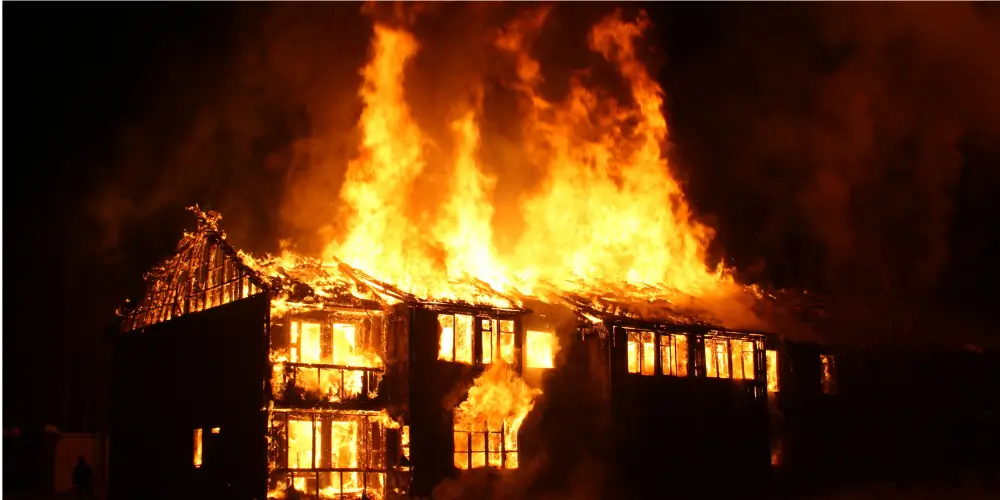
Who Is Responsible for Enforcing Fire Safety in social housing and high rise blocks depends on a mix of statutory duties, contractual arrangements, and practical control of premises. Local authorities, housing associations, and registered providers usually hold primary duties as responsible persons under the Regulatory Reform Fire Safety Order, while management agents and contractors may assume specific duties by contract. Residents have the right to safe accommodation and the responsibility to avoid reckless behaviour that increases risk. Clear lines of accountability, regular risk assessments, effective evacuation planning, and proper maintenance of fire systems are essential. Transparency and tenant engagement support safer outcomes without excessive restriction. Learn Who Has Ultimate Responsibility for Producing a Fire Risk Assessment.
- Owners and landlords: legal duty to assess and mitigate risks, maintain structure and systems.
- Managing agents: operational control, day‑to‑day compliance and contractor oversight.
- Contractors and maintenance teams: deliver testing, repairs and certification.
- Residents: comply with safety rules, report defects, participate in drills.
This allocation balances statutory obligations with practical control while respecting residents’ autonomy.
Enforcement Actions and Penalties: What Happens if Rules Are Broken
If statutory duties are breached, regulators can use a range of enforcement tools proportionate to the risk and severity of non‑compliance. Authorities may issue notices, impose fines, prosecute offenders, or, in extreme cases, suspend operations. Decisions aim to protect occupants while respecting lawful freedoms; sanctions are targeted, transparent and subject to appeal. Legal action can lead to criminal convictions and financial penalties for individuals or organisations, affecting reputation and liberty. Remedial orders compel corrective measures; enforcement costs can be recovered. Courts weigh culpability, harm and mitigation when sentencing.
Regulatory discretion seeks proportionality so compliance promotes safety without undue interference.
Practical Steps Organisations Should Take to Avoid Enforcement
Adopt a systematic approach to fire safety that combines risk assessment, documented procedures, staff training, and regular maintenance to minimise the chance of enforcement action. Organisations should document responsibilities, keep records current, and treat compliance as enabling operational freedom rather than constraint. Inspections and drills reinforce habits that prevent breaches. Maintenance regimes for alarms, extinguishers and exits must be scheduled and logged. Clear communication empowers staff to act without hesitation.
- Conduct and record thorough fire risk assessments, updating them after changes.
- Establish concise written procedures and assign named responsible persons.
- Provide regular, practical staff training and evacuation drills that build confidence.
- Schedule and log maintenance, inspections, and prompt repairs for safety systems.
This pragmatic approach reduces legal exposure and protects liberty to operate. By embedding simple, repeatable practices, organisations maintain autonomy while demonstrating compliance to enforcing authorities.
Frequently Asked Questions
How Does Fire Safety Enforcement Differ in Scotland, Wales and Northern Ireland?
Scotland, Wales and Northern Ireland each maintain devolved fire safety enforcement regimes: Scotland’s Fire and Rescue Service, Wales’ local fire and rescue authorities, and Northern Ireland’s Fire and Rescue Service independently inspect, advise, and prosecute within devolved legislation.
Can Individuals Appeal a Fire Authority Enforcement Notice?
Yes. An individual may appeal a fire authority enforcement notice, challenging its legality or reasonableness through specified procedures typically to tribunal or court preserving autonomy while adhering to statutory time limits and evidential requirements.
Are There Insurance Implications of Failing Fire Safety Duties?
Yes. Insurers may refuse or reduce claims, increase premiums, or cancel cover if fire safety duties are breached. The insured faces litigation, uninsured losses, and reputational harm, prompting proactive compliance and documented risk management.
How Are Temporary Event Venues Regulated for Fire Safety?
Temporary event venues comply with building regulations, the Regulatory Reform (Fire Safety) Order via responsible persons, and venue-specific risk assessments, often requiring liaison with fire authorities and licensing bodies; organisers retain the freedom to mitigate risks through proportionate safety measures.
Do Fire Safety Obligations Apply During Building Renovations?
Yes. They apply during renovations: dutyholders must maintain safety, assess risks, implement precautions, and adapt fire measures as works progress. Responsibility persists, balancing liberty with statutory obligations to protect occupants and contractors.
Conclusion
Who Is Responsible for Enforcing Fire Safety in the UK rests primarily with local fire and rescue services, supported by regulators such as the HSE in workplaces and by specialist bodies for transport and healthcare. Legal duties fall to the responsible person, including owners, employers, or landlords, who must assess risks, maintain precautions, and protect occupants. In social housing and high rise blocks, landlords and building owners face heightened obligations. Breaches can lead to notices, fines, or prosecution, so proactive compliance is essential.