For an electrical fire, a What fire extinguisher for electrical fire is recommended: an ABC dry chemical unit or a CO₂ extinguisher. These use non‑conductive agents suited for energised equipment at outlets, panels, cords, and appliances. Water or foam should not be used because they can conduct electricity and worsen the hazard. If safe, power should be shut off at the breaker first and an exit kept clear. Additional guidance covers ratings, placement, and proper use.
Keytakeaways
- 1. Correct Fire Extinguisher Selection: Use an ABC dry chemical or CO₂ fire extinguisher for electrical fires, as water and foam can worsen the situation. Ensure the extinguisher has the proper Class C rating to handle electrical hazards.
- Identifying Electrical Fires: Electrical fires often start at outlets, panels, cords, or appliances and may be indicated by a burning plastic smell, buzzing sounds, or visible scorch marks.
- Initial Steps to Take: Always assess the scene, ensure everyone is safe, cut off the power if possible, and keep a clear escape route. Use the extinguisher only if the fire is small and manageable.
- Choosing the Right Extinguisher: CO₂ is effective for small fires where equipment protection is critical, while dry powder works well for escalating fires or mixed hazards.
- Avoiding Unsafe Extinguishing Methods: Never use water or foam on electrical fires. These can conduct electricity and spread the fire, causing more harm.
- Proper Placement and Maintenance: Place extinguishers near high-risk areas like electrical panels and regularly check that they are accessible and in working condition. Monthly inspections and annual servicing are recommended.
Table of Contents
Best Fire Extinguisher for Electrical Fires?
Fire safety is a must, and choosing the right fire extinguisher is key to protecting people and property. An ABC extinguisher offers broad flexibility: it can handle energised equipment (Class C) and also address nearby ordinary combustibles or flammable liquids once power is cut.
CO₂ is clean and fast, but it disperses quickly and is less effective outdoors or in drafts. Water-based units should be avoided on energised circuits.
For independent preparedness, choosing a UL-listed extinguisher with a clear Class C marking, an adequate size (often 5–10 lb for home garages), and an accessible mounting spot helps keep control in the user’s hands.
How to Tell It’s an Electrical Fire
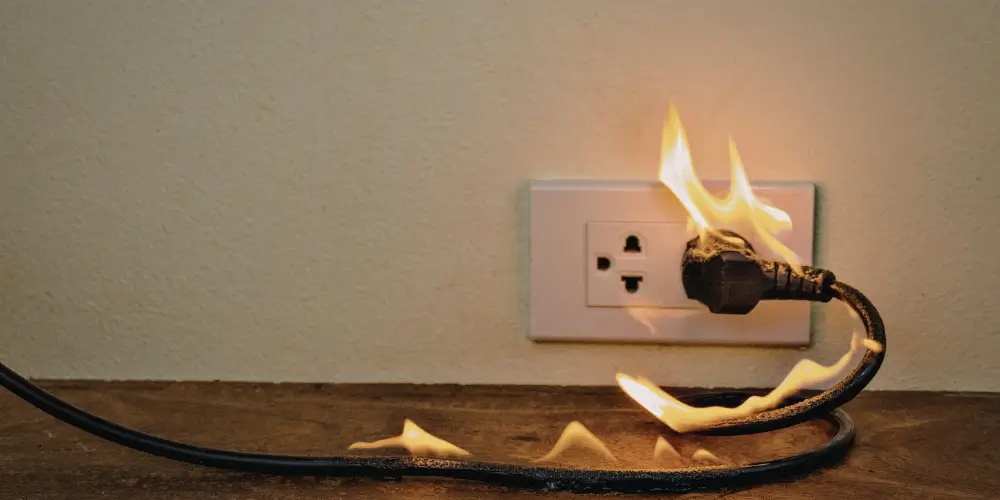
How can someone tell the difference between an electrical fire and a typical flame-up? What fire extinguisher for electrical fire should be used when electrical fires usually start at outlets, panels, cords, or appliances, often without an obvious fuel source like paper or grease? A sharp, acrid odour like burning plastic or insulation frequently appears first, along with crackling, buzzing, or popping. Lights may flicker, breakers may trip, or devices may fail just before smoke shows. Flames can look erratic or dance along wiring paths, and scorch marks may radiate from a socket or switch plate. Because the ignition source is energised equipment, the fire’s behaviour can change suddenly as circuits arc.
| Clue | Electrical fire hint | Common non-electrical hint |
| Smell | Melting plastic/ozone | Wood, fabric, grease |
| Sound | Buzzing, snapping | Quiet crackle |
| Location | Outlet, cord, panel | Stove, trash, candle |
What to Do First Before You Extinguish It
Pause and assess the scene before reaching for any extinguisher. A person should confirm everyone is out of immediate danger, then call emergency services if the fire is spreading, producing heavy smoke, or blocking exits. If safe, cut power at the breaker or unplug the device; never touch switches or cords with wet hands or while standing in water. Keep a clear escape route and stay low to avoid smoke.
Next, remove nearby combustibles and close doors to slow fire growth. If the fire is small and contained, the individual should position themselves between the fire and an exit, check that the extinguisher is accessible, and plan a quick retreat.
If there is any doubt sparking from walls, buzzing panels, or rapid flame growth, evacuation is the free choice that preserves options. Do not throw water on energised equipment. Avoid breathing fumes and wait for professionals.
What Ratings to Look for on Electrical Fire Extinguishers
Once the scene is stable and power is shut off when possible, the next safeguard is to choose an extinguisher with the right ratings for energised equipment. In the U.S., that means a label showing a Class C rating, indicating that the agent will not conduct electricity and is intended for use in electrical hazards.
Shoppers should also read the A and B numbers on combination units (for example, 2A:10B: C). Higher A and B figures generally reflect greater capacity for ordinary combustibles and flammable liquids that may be feeding the incident around a panel, motor, or outlet.
The UL mark (or equivalent third‑party certification) matters because it signals standardised testing, not marketing claims. Size and discharge time are part of the rating decision too; a larger, properly rated unit can buy critical seconds without forcing anyone to gamble on improvised solutions. A clear, legible label protects choice under pressure.
When to Use a CO2 Extinguisher on Electrics
One of the clearest times to reach for a CO₂ extinguisher on electrical equipment is when the fire is still small, the power cannot be shut off immediately, and leaving no residue is important. CO₂ displaces oxygen and cools the surface without soaking circuit boards, motors, or panels, helping protect equipment and keep operations moving. It suits energised switchgear, server racks, control cabinets, and battery rooms where cleanup time would otherwise steal productivity and choices.
It is most appropriate at the earliest stage of ignition, before flames spread into surrounding combustibles. The user should keep a clear exit, aim at the base, and apply short bursts while watching for re-ignition. Because CO₂ provides no long-lasting blanket, monitoring matters. Ventilation is also critical: CO₂ can displace breathable air in tight spaces, so evacuation and fresh air protect the ability to act independently and safely.
When Dry Powder Is Better for Electrical Equipment
Although CO₂ is prized for clean discharge, dry powder is often the better choice when an electrical fire is escalating, the exact fuel is uncertain, or rapid knockdown is needed across mixed hazards.
ABC dry powder can smother flaming insulation, plastics, and nearby ordinary combustibles while remaining suitable around live electrical equipment when used correctly. It also performs well outdoors or in ventilated plant rooms where CO₂ can disperse quickly and lose its effect.
Dry powder is a practical option for mobile risks service vans, workshops, farms, and generators because one extinguisher can cover several likely fire classes without forcing a guess in the moment.
It is also favoured where re-ignition risk is high, since the powder can form a blanket over hot surfaces. The trade-off is cleanup and the potential contamination of sensitive electronics, so it fits situations where stopping the fire quickly matters more than preserving equipment.
Why Water and Foam Are Unsafe on Electrical Fires
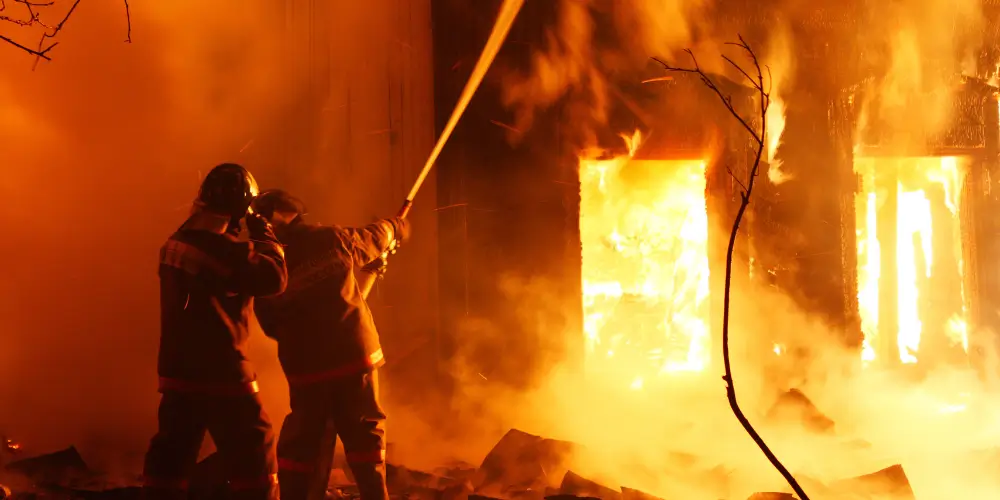
Dry powder and CO₂ are both commonly used around live electrical equipment, but water- and foam-based extinguishers introduce hazards that can worsen an electrical fire. Water conducts electricity; when sprayed onto energised circuits, it can create a path to ground through the operator, causing shock, burns, or fatal electrocution. It can also spread molten metal, arc flash, and flaming insulation, turning a small fault into a wider incident.
Foam seems safer because it blankets fuel, yet most foams are water-based and can still conduct, especially once contaminated with soot and dissolved salts. Foam can creep into panels, cable trays, and sockets, bridging contacts and sustaining short circuits even after flames subside. Both water and foam may damage switchgear, unpredictably trip protection, and leave residues that invite corrosion and re-ignition.
For people who value control and independence, avoiding these agents reduces needless risk and keeps options open under pressure.
How to Use and Place Electrical Fire Extinguishers
Act quickly but methodically: an electrical fire extinguisher is only effective when the user keeps a distance, aims at the base of the flames with short, controlled bursts, and avoids directing agent into open panels where it can scatter burning debris. Power should be shut off if it can be done without crossing smoke or flame, then the area should be watched for re-ignition and evacuated if the fire grows or visibility drops.
Placement protects independence when seconds matter. Extinguishers rated for Class C risks (or ABC units) should be mounted along clear exit paths, not behind locked doors, stacked boxes, or inside electrical rooms that may be inaccessible during an event.
Units should sit near high-risk points, such as panels, server racks, workshops, and garages, yet far enough away to permit retreat while operating. Mounting height should allow a quick grab, with signage visible in low light. Monthly checks should confirm pressure, pin, and unobstructed access, keeping readiness in the user’s hands.
Frequently Asked Questions
What Extinguisher Size Is Best for Home Electrical Fires?
For home electrical fires, a 5‑lb ABC or CO2 extinguisher is generally best, balancing control and portability. Choosing UL‑rated, readily accessible units in key rooms empowers self‑reliance; larger sizes add duration but reduce manoeuvrability.
Do Electrical Fires Reignite After Using a CO2 Extinguisher?
Yes, they can reignite after CO2 use because CO2 smothering prevents cooling, leaving hidden heat. For safety-minded independence, power should be cut off, the area monitored, and professional help sought if wiring damage persists.
How Often Should Electrical Fire Extinguishers Be Inspected or Serviced?
Electrical fire extinguishers should be visually inspected monthly, serviced professionally annually, and hydrostatically tested every 5–12 years, depending on type. Local codes may differ; individuals should verify requirements to stay prepared and self-reliant.
Can I Use a Fire Blanket on a Small Electrical Appliance Fire?
A fire blanket can be used on a small electrical appliance fire if power is cut first and flames are small and accessible. It should smother, not stir. If uncertain or spreading, evacuate and call emergency services.
What Should I Do if Smoke Lingers After Extinguishing an Electrical Fire?
Guarantee ventilation by opening windows, shutting off the power at the breaker, and evacuating if smoke persists. They should monitor for rekindling, call emergency services when unsure, and avoid inhaling fumes, choosing fresh air and safety instead.
Conclusion
Selecting the right What fire extinguisher for electrical fire depends on identifying the hazard quickly and using equipment with the correct rating. CO₂ extinguishers are often preferred for live electrical sources because they leave no residue, while dry powder can be more effective where rapid knockdown is needed. Water and foam should be avoided due to the risk of shock and fire spread. Correct use, placement, and early isolation of power improve safety and outcomes.