In the UK, the Cost of Electrical Installation Condition Report typically costs around £120 to £180 for a one-bed flat, £150 to £250 for a three-bed house, and £200 to £350+ for larger homes or more complex properties, with small commercial premises often starting from £200 to £300. Prices vary with the number of circuits, age of wiring, accessibility, and location, especially in big cities. Those comparing quotes should understand what drives these costs and how to judge if a price is fair.
Key Takeaways
- Typical EICR costs range from about £120–£180 for a 1‑bed flat to £200–£350+ for larger 4–5 bed homes.
- Prices depend mainly on property size, number of circuits/consumer units, wiring age/condition, accessibility, location, and urgency of the appointment.
- Commercial EICRs usually cost more than domestic ones, often starting around £200–£300+ for small commercial premises with multiple boards.
- Many electricians charge a base fee covering a set number of circuits, then add per‑circuit or per‑board costs for anything extra.
- Remedial works, re‑tests, and urgent call‑outs are usually priced separately, so ask for an itemised, transparent quote before booking.
Table of Contents
Typical EICR Costs in the UK Today
Typical EICR costs in the UK today vary mainly by property size, location, and whether the premises are domestic or commercial.
For a typical one‑bedroom flat, many electricians currently charge in the region of £120–£180. A standard three‑bedroom house often falls between about £150 and £250, reflecting the greater number of circuits and fittings that must be tested.
Larger homes, such as four‑ or five‑bedroom properties, can range from roughly £200 up to £350 or more, particularly when the electrical system is more complex or has multiple consumer units. For small commercial premises, such as a modest shop or office, costs typically start at around £200–£300, with figures increasing as the number of circuits rises.
These price bands are typical guide figures rather than fixed tariffs. Individual quotations will vary among electricians, and some firms may include certification and minor paperwork in the stated fee.
What Affects the Cost of an EICR?
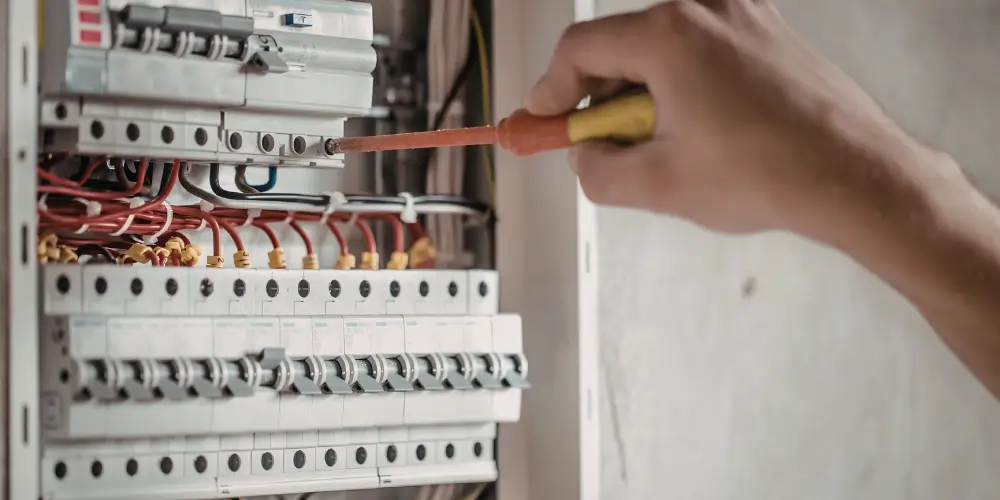
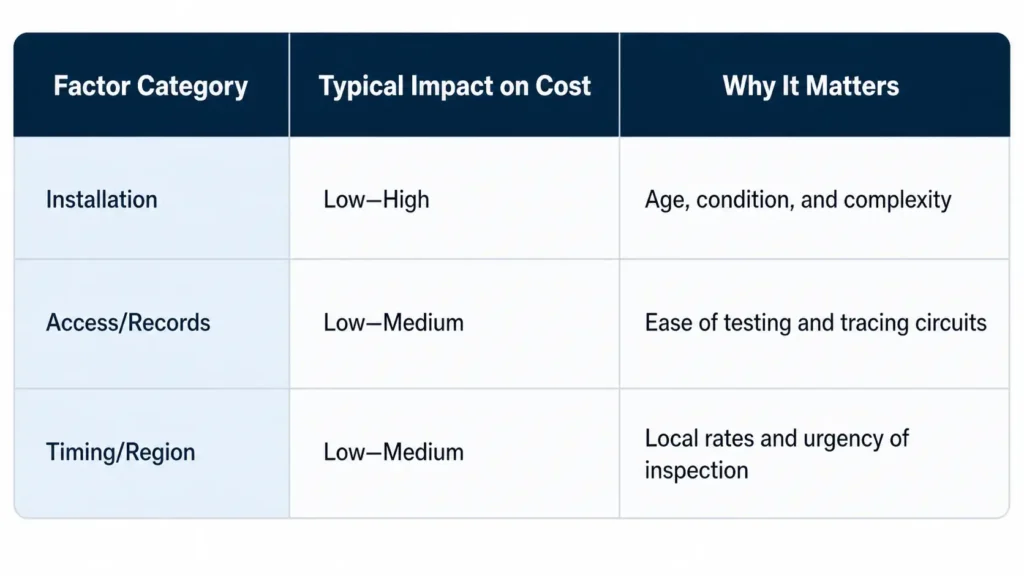
While broad price ranges give a useful benchmark, the actual fee for an Electrical Installation Condition Report depends on several specific factors. Electricians usually base their quote on how long testing will take and on the complexity of the installation to ensure it is inspected safely and thoroughly.
Key influences include the age and condition of the wiring, the number of circuits, the accessibility of accessories and the consumer unit, and whether previous test records are available. Older or poorly documented systems often require more investigative work, increasing labour time for the Cost of Electrical Installation Condition Report.
Location also plays a role. Areas with higher operating costs typically see higher hourly rates, which directly affects EICR pricing. Finally, the urgency of the appointment can add to the fee if out‑of‑hours or short‑notice visits are required.
EICR Costs by Property Type and Size
Across the UK, EICR pricing usually scales with both the type of property and its overall size, because these factors determine how many circuits and accessories must be tested.
Smaller one‑bedroom flats with a single consumer unit often sit at the lower end of the cost range, while large detached houses, HMOs, or commercial premises generally incur higher fees due to more extensive wiring and distribution.
Domestic properties tend to be cheaper than commercial or industrial spaces of similar floor area. Shops, offices, and workshops frequently contain multiple boards, three‑phase supplies, or a higher density of sockets and lighting points, all of which extend testing time. Within the domestic sector, each additional bedroom or floor typically raises the price. Landlords budgeting for portfolio inspections often see economies of scale, but individual EICR rates still reflect the complexity and size of each separate property.
How Electricians Price EICRs per Circuit and Board
Many electricians structure EICR quotes around the number of circuits and consumer units (boards) in a property, because these elements dictate the actual testing workload.
Each circuit must be isolated, inspected, and tested individually, so more circuits directly translate into more time on site and more results to record. Typically, a base fee covers a set number of circuits on one board, with an additional per‑circuit rate once that allowance is exceeded. Where a property has multiple consumer units for example, a main board plus a garage or outbuilding board electricians may add a separate charge per additional board to reflect extra testing, documentation, and labelling.
Pricing also reflects complexity. Boards with a mix of lighting, sockets, cooker, shower, and EV charger circuits take longer to test than a simple layout. In practice, electricians blend per‑circuit and per‑board pricing into a clear, itemised quote.
Extra EICR Costs: Remedials, Call-Outs, Re-Tests
Some of the highest EICR-related costs arise after the inspection itself, when defects, access issues, or failed items need to be addressed.
The report may highlight C1, C2, or FI codes that legally or practically require remedial work before the installation can be considered satisfactory. These remedials are usually priced separately from the EICR, either as itemised tasks or on an hourly rate plus materials.
Call-out charges can also apply. If an electrician must return to resolve urgent issues, access locked areas, or investigate hidden faults discovered during testing, a minimum attendance fee is often added, especially for short or out-of-hours visits.
Re-test costs occur when an initial EICR is “unsatisfactory”. After remedials, the electrician may need to re-inspect affected circuits, update test results, and issue a new or amended report. Some firms offer reduced re-test rates, while others charge a standard EICR fee for a full re-inspection.
Why EICR Costs Are Higher in London and Big Cities
While remedial work, call-outs, and re-tests can quickly increase the overall bill, the base price of an EICR itself is typically higher in London and major cities. This difference is not random; it reflects the economic realities of working in dense, high-demand areas where electricians face greater costs and constraints.
Several key factors commonly push urban EICR prices up:
- Higher overheads – Urban electricians pay more for premises, insurance, parking, congestion charges, and compliance, and these expenses are built into quotations.
- Travel and access time – Traffic, limited parking, and secure building entry add unbillable time, so contractors price jobs higher to remain viable.
- Complex property stock – Flats, HMOs, and mixed-use buildings in cities often have older or heavily altered wiring, making testing slower and more intricate.
Understanding these drivers helps property owners compare quotes more realistically across regions.
How Often You Need an EICR and What It Costs Over Time
How often an Electrical Installation Condition Report is needed depends on the type and use of the property, and this timing has a direct impact on the total cost over the years.
In general, owner-occupied homes are usually inspected every 10 years, rented homes at least every 5 years or at each change of tenancy, and commercial or high‑risk premises more frequently, sometimes every 3 years or less, depending on regulations and usage.,When spread across these intervals, the headline price of an EICR becomes an ongoing maintenance cost rather than a one‑off expense.
For example, a homeowner paying £250 every 10 years effectively spends £25 per year on electrical safety inspections. A landlord paying £200 every 5 years spends about £40 per year per property. Over a decade, these routine reports can be compared with the potential cost of remedial work, property damage, or legal consequences from neglected installations. Visit our blog post How Long Do EICR Certificates Last Before Renewal Is Required to learn more about the frequency and time period of EICR.
How to Spot a Fair EICR Price (and Red-Flag Quotes)
Knowing whether an EICR quote is fair starts with understanding what typically goes into the price and what should raise concern. A realistic quote usually reflects the property size, number of circuits, access conditions, and the electrician’s qualifications and insurance. Very low or very high prices relative to local averages warrant closer scrutiny.
To judge a quote, a homeowner or landlord can look for:
- Clear scope of work – A fair quote states what will be inspected, estimated duration on site, and whether the written report is included in the price.
- Transparent pricing structure – Legitimate contractors show how costs are built up (e.g., fixed price for up to X circuits, then an added rate per extra circuit).
- Warning signs of red‑flag quotes – Vague descriptions, pressure to book immediately, “too good to be true” prices, or promises to “pass” the installation regardless of condition indicate risk and possible non‑compliance.
Saving on EICR Costs Without Cutting Safety
After identifying what a fair EICR quote looks like and which offers to avoid, attention naturally turns to controlling costs without undermining safety or compliance. Cost-conscious property owners can legitimately influence price, but not by asking an electrician to “skip bits” of the inspection. Instead, they reduce wasted time and complexity.
One effective step is preparation: clearing access to the consumer unit, sockets, and key junctions, and labelling any sub‑boards or outbuildings. This helps electricians work efficiently and may allow them to quote more keenly. Combining properties or units under one contractor can also secure better rates per report.
Another sensible tactic is timing the EICR alongside planned electrical work. Remedial tasks can then be priced and scheduled together, avoiding repeat call‑out charges. Finally, seeking quotes from multiple reputable electricians encourages competitive pricing while keeping the essential, regulated scope of the EICR fully intact.
Frequently Asked Questions
Is an EICR Mandatory for Selling or Renting My Property?
An EICR is legally mandatory for renting most private residential properties, but not strictly required for selling, though strongly recommended. Buyers, mortgage lenders, and insurers increasingly expect one to confirm electrical safety and highlight remedial work.
Who Is Legally Responsible for Arranging an EICR in Rented Homes?
The landlord holds legal responsibility for arranging an EICR in rented homes. They must guarantee inspections occur at required intervals, address any remedial work promptly, and provide written copies of the report to tenants and, when requested, the local authority.
What Happens if I Don’T Get an EICR When Required?
If an EICR is not obtained when required, the landlord risks enforcement action, including improvement notices, substantial fines, potential invalidation of insurance, difficulty re-letting, and heightened liability if electrical faults cause tenant injury, fire, or property damage.
How Long Does a Typical EICR Inspection Take to Complete?
A typical EICR inspection usually takes 2–4 hours. Duration varies with property size, number of circuits, accessibility of the installation, and existing faults. Larger or older properties, or complex commercial sites, may require considerably longer.
Can I Stay in My Property While the EICR Is Being Carried Out?
Yes, occupants can usually stay in the property during an EICR. The electrician may briefly switch off circuits, causing temporary loss of power to some areas, so minor disruption and limited access to certain rooms should be expected.
Conclusion
In conclusion, understanding Cost of Electrical Installation Condition Report helps property owners budget realistically while prioritising safety. Prices vary by property size, circuit complexity, region, and any required remedial work, with London and major cities typically paying more. By comparing quotes, checking qualifications, and avoiding suspiciously cheap offers, owners can identify fair pricing. Scheduling EICRs at the recommended intervals and maintaining installations well can reduce long-term expenses while ensuring ongoing compliance and electrical safety.