Maintained emergency lighting stays illuminated during normal mains power while charging its battery, keeping exits and circulation areas constantly visible and supporting confident movement. Non-maintained emergency lighting remains off until a power failure, then switches on automatically to guide occupants to safety while saving energy in everyday use. Maintained units suit public, unfamiliar, or low-light spaces, while non-maintained fittings work well in normally well-lit routes, stairs, and final exits. Further guidance explains placement, testing, and compliance.
Key Takeaways
- Maintained emergency lights stay on during normal power and outages, keeping escape routes visibly defined at all times.
- Non-maintained lights remain off in normal conditions and automatically illuminate only when mains power fails.
- Maintained units suit public venues, unfamiliar occupants, low-light areas, and busy corridors where constant guidance reduces panic and confusion.
- Non-maintained units fit well-lit buildings needing backup at stairs, corridors, final exits, and direction changes during outages.
- Self-testing and central monitoring reduce manual inspections, improve fault detection, and help maintain audit-ready compliance documentation.
Table of Contents
Maintained vs Non-Maintained Emergency Lighting (Fast Difference)
In emergency lighting, the key split is between maintained and non-maintained systems. A maintained unit is illuminated under normal mains power and is battery-backed, so it continues if the supply fails.
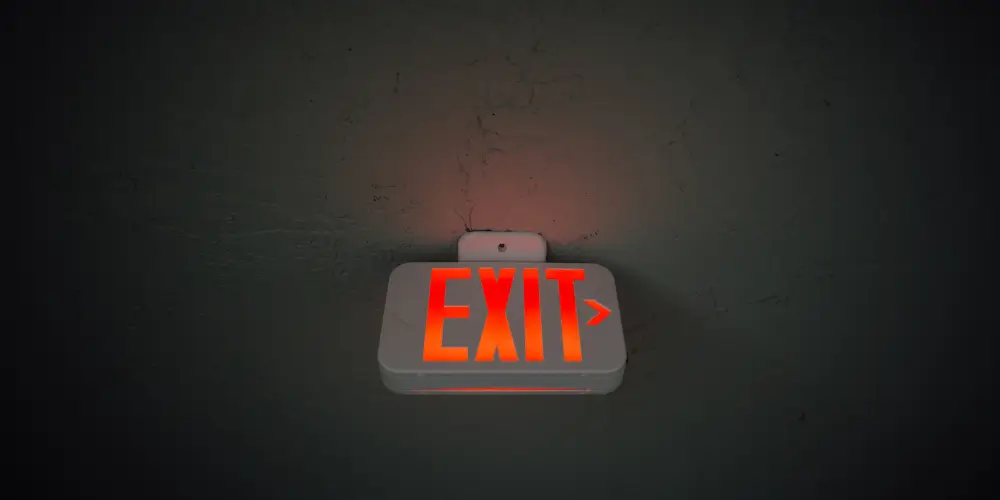
A non-maintained unit stays off during normal conditions and switches on only when mains power is lost, using its battery to provide light.
Maintained and Non-Maintained Emergency Lighting. That difference drives practical choices. Maintained fittings suit areas where constant, clearly marked routes support independent movement and reduce reliance on overhead lighting plans. Non-maintained fittings suit spaces where everyday lighting already covers the need and extra lamps would feel intrusive, wasteful, or restrictive.
Both types typically include charging and self-test options, but their everyday behavior affects energy use, lamp wear, and visual impact. Selection should follow risk, occupancy, and local codes, balancing visibility with the desire for unobtrusive safety when needed.
Normal Operation: What Maintained Emergency Lights Do
Emergency lights are designed to remain illuminated during normal mains operation, functioning as a standard luminaire while their internal battery remains charged. This always-on approach keeps exits, corridors, and open areas clearly defined, supporting confident movement without relying on memory or guesswork.
In everyday use, maintained fittings provide a consistent wayfinding and reduce dark patches that can constrain choice and slow people down. They suit venues where lights are typically on, such as shops, public buildings, cinemas, and stairwells, because signage and escape routes remain visible whenever the space is occupied.
Their continuous operation also makes faults easier to spot: a failed lamp, damaged diffuser, or missing indicator is noticed quickly during routine activity, not only during tests. When properly specified and maintained, emergency lighting blends into the overall scheme, preserving comfort and autonomy while still meeting safety standards and inspection requirements.
Power Failure: What Non-Maintained Emergency Lights Do
Darkness is the trigger for non-maintained emergency lights. When mains power drops, they stay off for a fraction of a second, then switch on from an internal battery or central supply. This hands-off response keeps occupants free to move without hunting for switches or waiting for instructions, even when a building’s normal lighting fails.
During an outage, their job is simple: provide enough illumination to help people orient, find exits, and avoid hazards. They are designed to operate only during loss of supply, conserving energy and battery life the rest of the time.
Testing features may self-check charging and lamp status, so the system is ready when control is handed over to the grid.
- Sense power loss and automatically energize the lamp.
- Deliver a rated emergency duration at usable brightness.
- Restore to standby when mains power returns and recharging resumes.
When Maintained Emergency Lighting is Required (and Why)
Some spaces cannot rely on lights that remain off until a power cut, so maintained emergency lighting is specified to keep exit routes and safety signs illuminated at all times.
It is typically required when occupants may be unfamiliar with the building, when crowd movement is dense, or when fast, confident evacuation supports people’s ability to act independently. It is also specified in venues that operate in darkness or low light, since a sudden loss of normal lighting can trigger disorientation, panic, and bottlenecks that restrict safe choice-making.
Maintained and Non-Maintained Emergency Lighting. Maintained fittings are often mandated when an illuminated escape sign must remain continuously visible, ensuring directions are never “lost” between normal and emergency states. They are likewise used where risk assessments show that an immediate, uninterrupted level of light is necessary to prevent slips, trips, or collisions during any outage, however brief.
Best Locations for Maintained Emergency Lighting
Because continuous visibility can be as critical as the emergency response itself, emergency lighting should be maintained so that wayfinding and safe movement never drop below a usable level.
These fittings support everyday circulation while preserving the ability to self-direct, even when ambient lighting is poor or switching conditions change.
Priority locations are those where people make decisions, shift between spaces, or need constant reassurance of direction.
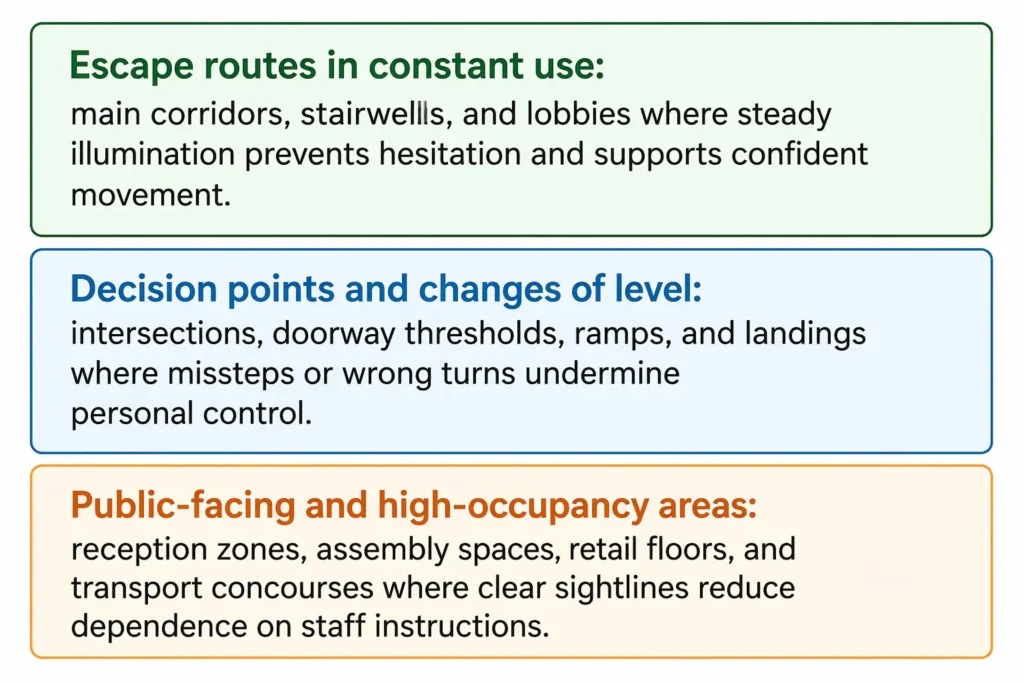
Maintained exit signs are also best kept continuously lit wherever directional information must remain unmistakable at all times.
Best Locations for Non-Maintained Emergency Lighting
Where does non-maintained emergency lighting add the most value?
It performs best in areas that are normally well-lit but become disorienting the moment power fails, switching on only when needed to keep escape routes clear without imposing constant illumination. Priority locations include corridors and stairwells serving as primary escape routes, especially where turns, level changes, or tight landings can trap crowds.
Maintained and Non-Maintained Emergency Lighting. Place units at final exits and at every change of direction, near fire doors, and beside call points and fire equipment so people can act fast. In larger premises, cover open-plan offices, retail floors, and assembly areas where occupants may not know the layout and need a clear path to signage and exits. Car parks, plant rooms, and back-of-house storage benefit when access is occasional, but risks are real.
In residential blocks, protect communal routes: lobbies, shared hallways, and stairs.
Running Costs: Energy Use, Lamp Life, Upkeep
Choosing the right locations for non-maintained emergency lighting is only half the decision; the other half is the cost of running it over years of testing and standby. Maintained fittings draw power continuously, so energy use is predictable but higher, especially in 24/7 spaces. Non-maintained units sip power in normal operation, yet still incur charging losses and periodic discharge tests.
- Energy use: Maintained lamps run daily; non-maintained lamps typically light only on failure or during testing, reducing routine consumption and giving occupants more control over overhead waste.
- Lamp life: Maintained sources accumulate hours quickly, so drivers, LEDs, and diffusers age sooner; non-maintained sources generally last longer between replacements because runtime is rare.
- Upkeep: Both require batteries, functional checks, and recordkeeping; however, maintained units can reveal faults sooner because failures are visible, whereas non-maintained units may remain hidden until testing.
How to Choose Emergency Lighting for Compliance and Practicality
How can emergency lighting be specified to satisfy legal requirements without creating unnecessary complexity for occupants or facilities teams? The selection should start with the risk assessment and the relevant standard for the jurisdiction, then map luminaires to escape routes, open areas, high‑risk task zones, and points of emphasis such as exits, stairs, and call points.
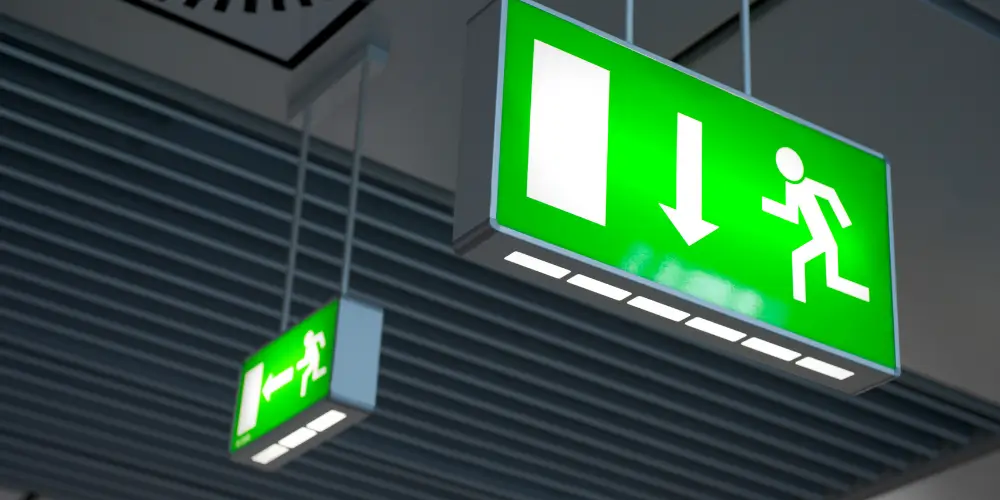
Maintained fittings suit places where people need constant reassurance or where the normal lighting may be switched off; non‑maintained fittings suit areas with reliable normal lighting and clear wayfinding.
Practicality comes from choosing a consistent product family, a simple test strategy, and accessible inspection locations. Self‑testing and central monitoring reduce manual checks and free staff time, but only if reports are easy to act on.
Battery duration, ambient temperature, vandal resistance, and glare should match the site’s reality. Finally, documentation, labeling, and commissioning records should be kept audit‑ready to enable compliance without daily friction.
Frequently Asked Questions
What Is the Typical Battery Duration for Emergency Lighting Systems?
Typical emergency lighting battery duration is 1 to 3 hours, most often 3. Standards and local codes may require it. Regular testing guarantees reliable escape routes, empowering people to act independently when mains power fails.
How Often Must Emergency Lights Be Tested and Documented?
Emergency lights must be tested monthly with a brief functional check and annually with a full-duration test, with results documented each time. Records should be kept for inspection, empowering occupants to verify safety independently.
Can Emergency Lighting Be Integrated With Fire Alarm or BMS Systems?
Yes, emergency lighting can integrate with fire alarms or BMS via relays, addressable modules, or network gateways. Integration enables autonomous monitoring, fault reporting, and test scheduling, while preserving local fail-safe operation and keeping occupants free to evacuate.
What Are the Common Causes of Emergency Lighting Failures?
Common causes include battery aging, charger faults, poor maintenance, wiring damage, lamp or LED driver failure, water ingress, overheating, and improper installation. Regular testing empowers occupants to remain independent, meet standards, and avoid unexpected outages.
Do LED Emergency Lights Perform Better Than Fluorescent Alternatives?
Yes, LED emergency lights generally outperform fluorescent alternatives. They offer longer life, faster start, lower energy use, better cold performance, and simpler upkeep, reducing dependence on frequent replacements. Fluorescents can be cheaper up front but fail sooner.
Conclusion
Maintained and non-maintained emergency lighting serve different safety and compliance needs. Maintained units operate continuously, supporting wayfinding in occupied spaces and areas requiring lighting at all times. Non-maintained units activate only during power loss, providing essential illumination for escape routes at a lower running cost. Selecting the right type depends on building use, risk profile, and regulatory expectations, as well as practical factors like placement, energy consumption, and maintenance planning for ongoing reliability.