The cost of a landlord gas safety certificate (CP12) typically costs £60 to £120, with higher prices for homes with multiple gas appliances, difficult access, or older, complex pipework. The fee reflects the engineer’s time and risk, not the paperwork itself. Major cities and remote areas can cost more due to travel, parking, and local demand. Same-day, weekend, or out-of-hours bookings often incur an additional £20 to £100. More detail on inclusions, failures, and saving options follows.
Key Takeaways
- Expect to pay £60–£120 for a standard landlord gas safety certificate (CP12), with higher prices for multiple-appliance certificates.
- Costs vary by location: smaller towns are often cheaper, while cities may be more expensive due to higher demand, travel, and parking costs.
- Urgent, same-day, weekend, or out-of-hours appointments usually add £20–£100 to the standard fee.
- The check includes visual inspections, tightness and pressure tests, and flue, ventilation, and combustion safety assessments by a Gas Safe engineer.
- Extra charges can apply for poor access, missed appointments, or follow-up retests and repairs if the property fails the safety check.
Table of Contents
How Much Does a Landlord Gas Safety Certificate Cost?
Although pricing varies by location and property size, a landlord’s gas safety certificate typically costs about £60–£120 for a standard residential property, with higher fees when multiple appliances, larger systems, or urgent appointments increase inspection time. In higher-cost cities, quotes often sit at the top of that band, while smaller towns may come in lower, especially when engineers bundle visits in the same area.
Extra charges commonly arise for weekend or same-day slots, travel to remote postcodes, or properties with restricted access that slow the visit. Some providers price per appliance, so homes with several boilers, fires, or cookers can move beyond £150. Landlords seeking maximum flexibility may choose subscription-style compliance services, which trade a higher annual fee for predictable budgeting and fewer administrative burdens. Comparing Gas Safe–registered engineers, checking what is and isn’t priced as standard, and booking in advance usually delivers the best cost-to-control balance.
What’s Included in a CP12 Gas Safety Check?
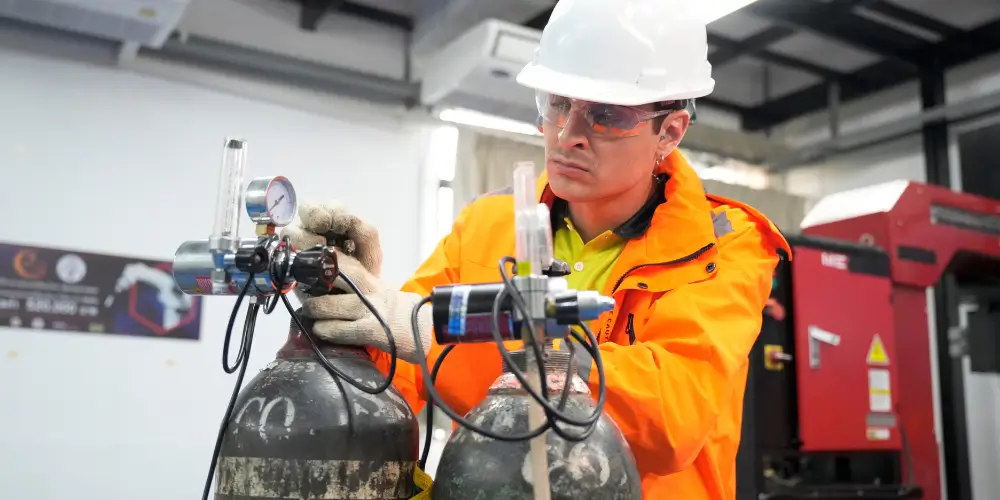
Cost of a landlord gas safety certificate CP12 gas safety checks cover a clear set of inspections carried out by a Gas Safe–registered engineer: each gas appliance and flue is visually assessed for condition and suitability, safety controls are tested, gas tightness and working pressure are checked, combustion is evaluated where required, ventilation and flue flow are verified, and any defects are recorded with the appropriate warning classification before the CP12 certificate is issued.
The visit typically includes checking boilers, gas fires, cookers, and any accessible pipework and isolation valves. The engineer confirms that appliances are properly installed, securely connected, and operating within safe limits, and then verifies that any safety devices shut off gas correctly if a fault occurs.
Where relevant, readings are taken to confirm the appliance is burning cleanly and expelling fumes safely. Findings are written on the CP12 record, alongside pass/fail outcomes, appliance locations, and the engineer’s registration details. Copies are provided for the landlord’s records and for tenants, supporting informed choices and peace of mind without unnecessary intrusion.
What Can Make Your CP12 Cost Go Up?
Once the scope of a CP12 check is clear, the main reason prices vary is that engineers charge for time, access, and risk rather than the certificate itself. Hard-to-reach meter cupboards, locked plant rooms, or tenants who miss appointments can add call‑out fees or repeat visits. Properties in remote areas, city congestion zones, or with limited parking often cost more because travel and delays reduce an engineer’s working day.
Urgent, same‑day, or weekend bookings typically carry a premium, reflecting disruption and limited availability. Older installations, unclear pipework runs, or poor ventilation may require longer investigation to confirm safety, even if no repair is authorised. If faults are found, making the system safe can involve extra paperwork, disconnection procedures, or a follow‑up inspection before a certificate can be issued. Clear access, confirmed appointments, and flexible scheduling usually keep costs down overall.
CP12 Cost by Number of Gas Appliances
Two factors largely dictate CP12 pricing by appliance: how many gas appliances need checking and how complex each one is to test safely. Cost of a landlord gas safety certificate: engineers usually quote a base call-out that covers one appliance, then add a per-appliance fee for each additional unit. A single combi boiler often sits at the lower end, while a boiler plus gas hob, fire, or water heater increases time on site and the amount of recording required.
More appliances also mean more opportunities for defects that must be investigated: ventilation, flue performance, tightness testing, and safe isolation. If access is restricted or appliances are boxed in, labour rises because inspections cannot be rushed without compromising safety. For landlords who value autonomy, the clearest way to keep costs predictable is to know exactly how many gas appliances are present, ensure they are accessible, and group checks into a single visit. This reduces repeat call-outs and avoids delays.
Does Your Location Affect Landlord Gas Safety Certificate Cost?
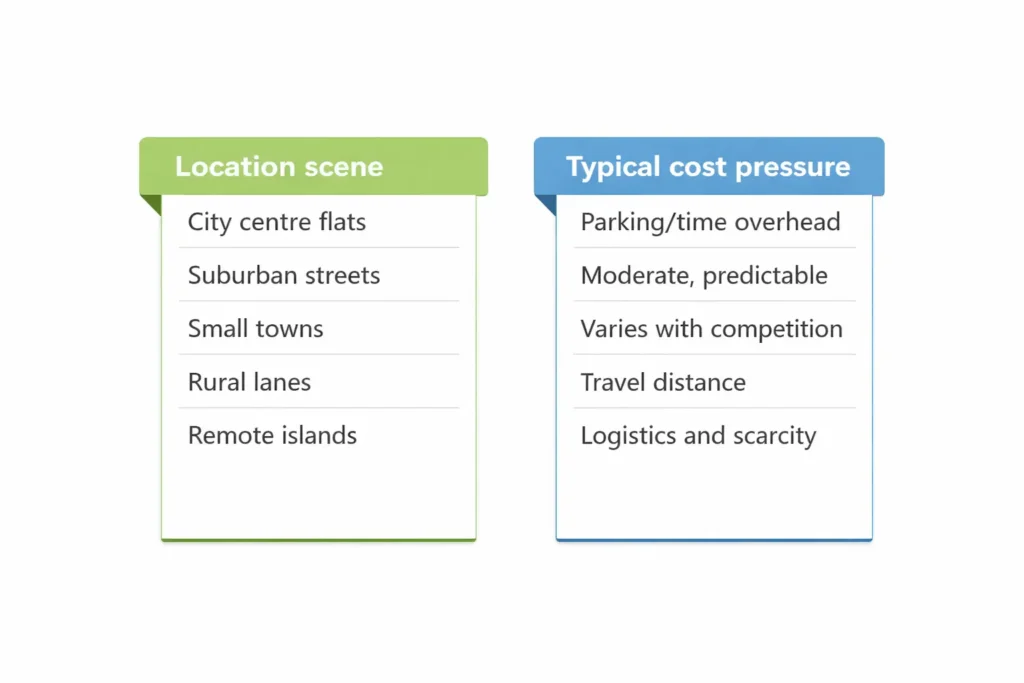
Cost of a landlord gas safety certificate: although the checks and documentation for a CP12 are broadly standard, location can still affect the final price because engineers’ travel time, parking constraints, and local demand can shape how a visit is scheduled and priced. In dense cities, an engineer may spend as long finding access and parking as testing appliances, so quotes often reflect that friction. In rural areas, fewer local firms and longer drives can lift the call-out element, even when the inspection itself is identical. Regional competition also matters: where many registered engineers operate, pricing pressure can keep costs lean; where supply is tight, prices tend to rise. Landlords who value flexibility can reduce cost creep by grouping checks across nearby properties and offering broad access windows, letting the engineer plan an efficient route.
How Much Extra Are Same-Day and Out-of-Hours CP12s?
How much more a landlord pays for a same-day or out-of-hours CP12 typically comes down to how disruptive the timing is to an engineer’s schedule and travel route. In many areas, a same-day slot adds around £20–£60 to the standard certificate price, especially when it displaces pre-booked jobs or requires longer travel.
Evening, weekend, and bank-holiday visits often carry a higher premium, commonly £40–£100, reflecting unsocial hours and limited availability. Some providers price urgency as a fixed “express” fee, while others use tiered bands (next-day, same-day, within four hours).
Properties with multiple appliances may also see a larger uplift because late appointments compress working time. To keep costs and control on the landlord’s side, booking early, offering flexible access windows, and coordinating keys or tenant availability can reduce the need for premium timing.
What Happens If You Fail: Repairs, Parts, and Retest Costs
If a gas safety check fails, the CP12 will record the specific faults and classify any risks (such as “At Risk” or “Immediately Dangerous”), which can require the appliance to be isolated and left off until remedial work is completed. That outcome shifts the cost from inspection to getting the property back to a lawful, usable condition.
Repair charges typically include labour time, fault-finding, and any adjustments needed to meet manufacturer and Gas Safe standards “Gas Safety (Installation and Use) Regulations 1998“. Parts are billed separately and vary widely: a thermocouple or seal may be modest, while a fan, gas valve, PCB, or heat exchanger can be significant and may involve lead times.
Where an appliance is uneconomic to repair, replacement and commissioning costs may apply instead. A retest may be charged as a return visit or as a reduced verification fee, depending on what needs rechecking. Until a pass is issued, the landlord’s options remain constrained and the tenant’s choices reduced.
How Do You Compare CP12 Quotes and Keep Costs Down?
When comparing CP12 quotes, the focus should be on like-for-like scope rather than the headline price. A quote should state the number of appliances to be tested, whether boilers, hobs, or fires are included, and if checks cover all accessible flues, ventilation, and gas tightness. It should also confirm that a GasSafe-registered engineer has been issued a certificate and any call-out or parking fees. Without this detail, “cheap” can mean stripped-down coverage and later add-ons.
To keep costs down without sacrificing control, landlords can bundle multiple properties, book during off-peak days, and guarantee clear access to meters, appliances, and manuals to cut time on site. They can also ask whether minor adjustments are included, request a fixed price for any retest, and avoid unnecessary “service” upsells unless evidence-based. Choosing local engineers often reduces travel charges and delays.
Frequently Asked Questions
What’s the Difference Between a Gas Safety Certificate and an EPC?
A gas safety certificate confirms that gas appliances and flues are safe and legally checked; an EPC rates a property’s energy efficiency and suggests improvements. One targets immediate safety compliance, the other long-term energy costs and choices.
How Often Must Landlords Renew a CP12 Certificate?
Landlords must renew a CP12 gas safety certificate every 12 months following an annual inspection by a Gas Safe-registered engineer. Renewing early can preserve the existing expiry window, keeping tenants safe without needless bureaucratic delay.
Can Tenants Request to See the Gas Safety Certificate?
Yes, tenants can request to see the gas safety certificate. A landlord must provide a copy within 28 days of the check, and to new tenants before moving in, ensuring transparency and control.
Is a CP12 Required for Properties With Only Electric Appliances?
A CP12 is not required where no gas is supplied, and all appliances are electric. Landlords should still secure electrical safety checks and documentation. If gas is later installed, annual certification becomes mandatory. Freedom grows with informed compliance.
How Long Does a Landlord’s Gas Safety Certificate Remain Valid?
A landlord’s gas safety certificate remains valid for 12 months. It must be renewed annually by a Gas Safe registered engineer, with checks completed within 10–12 months to preserve renewal dates while keeping compliance and tenant choice intact.
Conclusion
The cost of a landlord gas safety certificate varies, but most CP12 checks follow a predictable structure: an engineer’s call-out, appliance testing, and documented results. Prices typically rise with more appliances, harder access, urgent appointments, and higher regional labour rates. If issues are found, repairs, parts, and a retest can significantly increase the total. Comparing like-for-like quotes, confirming what’s included, and booking in advance helps control overall compliance costs.