Improving an EPC rating starts with understanding where a home loses energy, then targeting upgrades. Quick wins include LED lighting, draught-proofing, and smart heating controls. Bigger gains come from loft, wall, and floor insulation, plus a modern condensing boiler and zoned controls. Efficient windows and doors, along with solar panels or heat pumps, can raise ratings. Planning these by cost, payback, and new regulations helps owners choose upgrades more confidently as the guide continues.
Key Takeaways
- Start with a fresh EPC assessment to identify major heat-loss areas and prioritise cost-effective upgrades based on your property’s current construction and systems.
- Improve insulation first: loft, walls, and floors, plus sealing draughts around doors, windows, loft hatches, and service penetrations.
- Upgrade heating systems to efficient condensing boilers or heat pumps, and add smart, zoned controls and thermostatic radiator valves for precise temperature management.
- Replace all halogen and incandescent lighting with LED bulbs, and service existing heating equipment to ensure it operates at peak efficiency.
- Consider renewable technologies like solar PV and battery storage, planning medium- and high-cost upgrades over several years based on payback and expected EPC uplift.
Table of Contents
What Your EPC Rating Really Measures
An EPC rating is fundamentally a snapshot of a property’s energy efficiency, based on standardised calculations rather than day‑to‑day household habits. It grades a building from A to G by estimating how much energy it needs to provide heating, hot water, and lighting, assuming “typical” use.
The assessment focuses on the building’s fabric and fixed systems. Key factors include wall, roof, and floor insulation, window performance, heating system efficiency, control technology (such as thermostats and programmers), and the source and carbon intensity of fuels used. It also weighs hot‑water systems, low‑energy lighting, and any fixed renewables like solar panels.
Crucially, the rating measures potential energy demand and running costs baked into the property’s design and equipment, not how carefully occupants use them. Understanding this helps owners identify which elements structurally limit bills, comfort, and future flexibility, and which can be upgraded to enable greater autonomy.
Check Your EPC Rating and Quick Wins
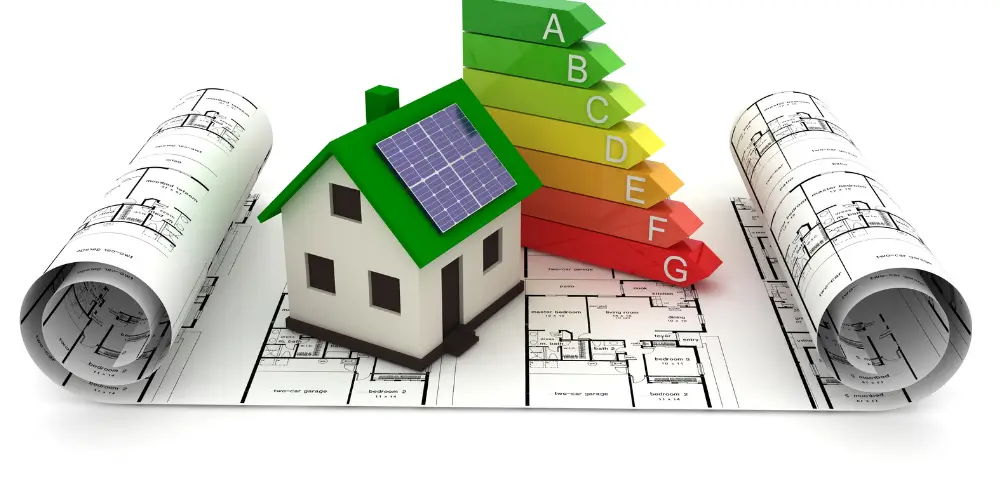
Before planning upgrades, it helps to know exactly where a property currently stands on the EPC scale and which changes will move the dial fastest. An owner who understands the current rating, fuel types, and key recommendations in the EPC report is better placed to choose improvements that lead to lower bills and greater independence from energy price shocks.
They can start by checking the official EPC register, confirming the latest certificate, and noting where energy is being lost or wasted. Quick wins often sit outside major building works: replacing old halogen or incandescent bulbs with efficient LEDs, installing basic draught-proofing around doors and windows, fitting smart heating controls, and servicing or upgrading an ageing boiler to a more efficient model.
Simple behaviour shifts using timers, zoning heating, or lowering flow temperatures can also nudge the rating upward, giving the owner measurable progress while preserving flexibility for larger future upgrades.
Improve Your EPC Rating With Better Insulation
Although switching bulbs or tweaking controls can deliver quick gains, substantial and lasting improvements to an EPC rating usually come from better insulation. When a home holds onto heat, it needs less energy, cutting both bills and dependence on suppliers. Roof and loft insulation are often the first target, as heat naturally rises and escapes through poorly insulated ceilings.
Solid or cavity wall insulation can dramatically reduce heat loss, especially in older homes with single-skin walls. Properly fitted, it limits draughts without shutting down natural ventilation or comfort. Floor insulation, particularly over unheated spaces, helps create a consistently warm living area and reduces cold spots.
Attention to detail matters: sealing gaps around loft hatches, pipework, and recessed lights prevents warm air from leaking into roof voids.
Upgrade Heating and Controls for a Higher EPC Rating
Once insulation is performing properly, the next biggest gains in EPC usually come from upgrading the heating system and its controls. Moving from old, inefficient boilers to modern condensing boilers, air-source heat pumps, or high-efficiency electric systems can sharply cut energy use and operating costs, giving the occupier greater financial and lifestyle flexibility.
Smart, zoned controls are equally important. Programmable thermostats, room-by-room thermostatic radiator valves, and weather-compensating controls let the system respond only when and where heat is genuinely needed. This targeted approach avoids waste, keeps temperatures comfortable, and supports a lighter, more independent way of living. Upgrading circulation pumps to high-efficiency models and balancing the system further improve performance, ensuring heat is delivered evenly without unnecessary energy draw.
Together, these measures raise the EPC rating, reduce reliance on fossil fuels, and help create a home that supports long-term autonomy and lower, more predictable energy bills.
Boost Your EPC Rating With Better Windows and Doors
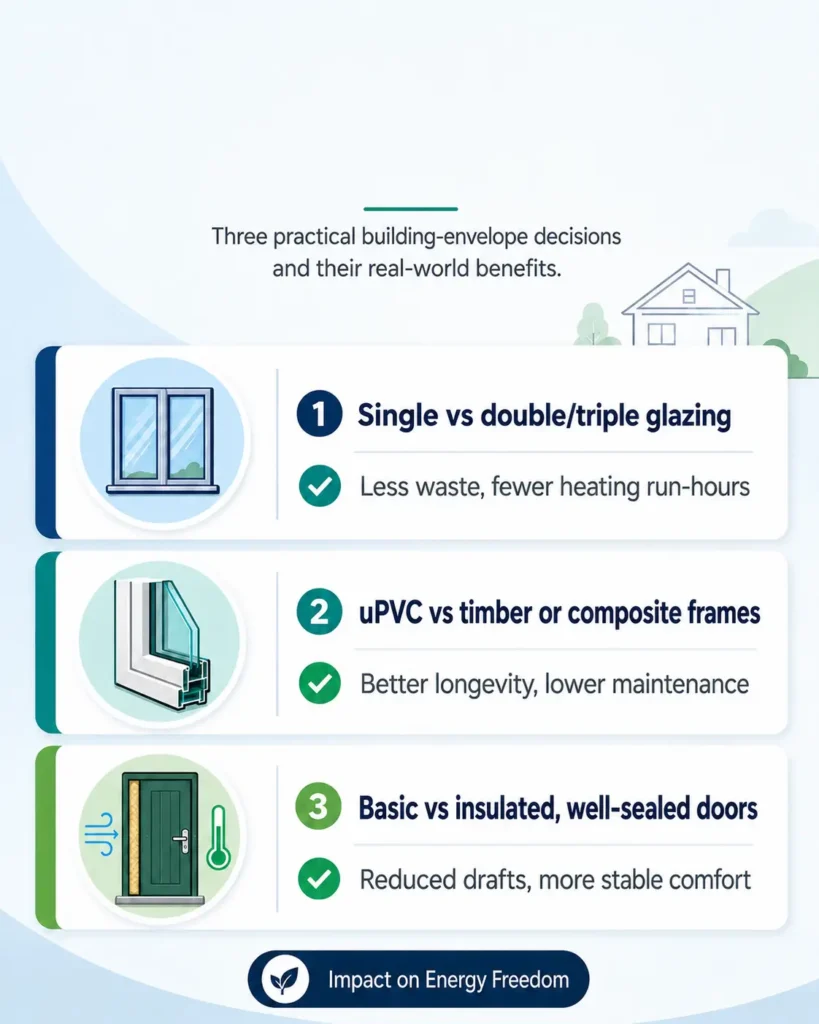
When insulation and heating are working efficiently, the next clear opportunity to raise an EPC rating is often the building’s windows and doors. Poorly performing openings leak warmth and lock occupants into higher bills and tighter budgets. By contrast, high‑performance glazing and airtight frames support a more self‑reliant lifestyle, reducing dependence on constant heating and shielding against outside noise and drafts.
Replacing single glazing with modern double or triple glazing, low‑emissivity coatings, and insulated frames is usually reflected positively in EPC software. Secure, well‑sealed external doors with insulated cores further cut heat loss, especially in exposed or windy locations. Attention to installation quality is critical; even premium units underperform if gaps remain around frames.
Small Daily Changes That Improve Your EPC Rating
Even without major renovations, everyday habits inside a home can gradually lift its EPC score and lower running costs. Small shifts in behaviour let occupants cut waste without sacrificing comfort or independence. They can choose when to heat, cool, and light spaces rather than letting systems run by default.
Simple actions matter: switching to LED bulbs, turning off lights in unused rooms, and relying on task lighting instead of fully lighting a space. Smart use of heating also helps: lowering the thermostat by one degree, heating only occupied rooms, bleeding radiators, and closing internal doors to trap warmth.
Efficient appliance use further reduces consumption. Running washing machines and dishwashers on eco‑cycles, air‑drying clothes where possible, and avoiding standby mode all limit energy draw. Regularly checking for draughts, closing curtains at dusk, and using reflective radiator panels support existing upgrades, nudging the EPC rating upward through consistent, low‑effort choices.
Use Renewables to Transform Your EPC Rating
Daily habits lay the groundwork for efficiency, but the biggest leaps in an EPC rating usually come from adding renewable energy technologies. When a property generates more of its own power, it depends less on volatile energy markets and carbon‑heavy grids, which EPC assessments reward with higher scores.
Solar PV panels are often the most accessible step. They directly cut electricity drawn from the grid, and the surplus exported can offset consumption at other times. Solar thermal, though less common now, can still lift hot‑water efficiency. Where suitable, air‑source or ground‑source heat pumps replace fossil‑fuel boilers with low‑carbon heating, greatly improving both EPC rating and long‑term running costs. Small wind turbines may help in exposed, rural locations with consistent wind speeds.
Battery storage strengthens this independence by capturing excess generation for evening use. Together, these technologies can transform a property from an energy consumer into a semi‑autonomous producer.
Plan EPC Rating Upgrades by Cost and New Rules
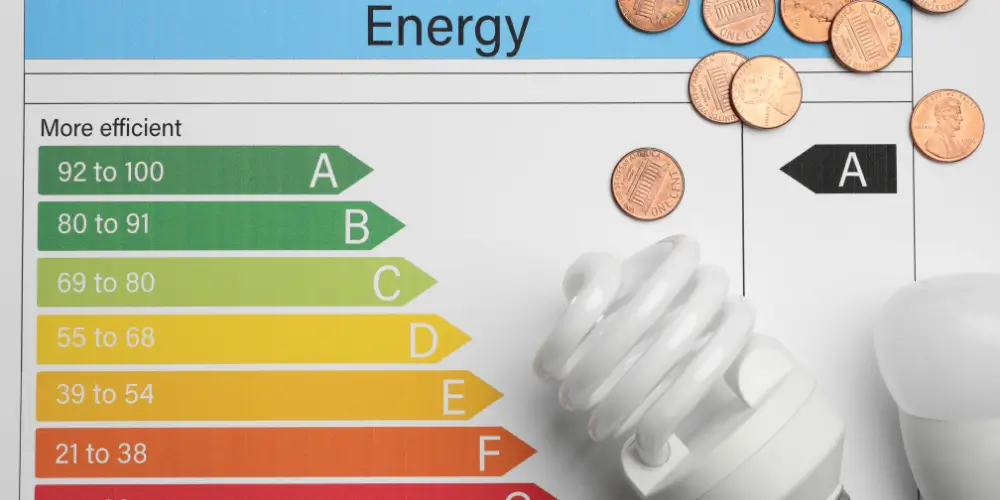
Planning EPC improvements works best as a costed roadmap that reflects both current performance and upcoming regulations. A clear schedule lets an owner act on their terms, instead of being rushed by rule changes or market pressure. The process usually starts with the EPC report: they identify low‑cost, high‑impact measures first, then map medium- and large-scale investments over several years.
They group upgrades by cost bands: no‑cost behaviour changes, minor works (e.g., draught‑proofing), mid‑range fabric upgrades, and major system replacements. Each action is weighed against payback time, expected EPC uplift, and likely shifts in regulation, such as tighter minimum standards for rentals or incentives for low‑carbon heating. This structured plan protects flexibility. Owners can sequence works to coincide with natural trigger points like refurbishments or tenancy changes reducing disruption.
Avoid Costly EPC Upgrade Mistakes
Although most owners approach EPC upgrades with good intentions, common missteps can waste money and deliver little improvement in the rating. A frequent error is investing in high‑ticket technologies, such as solar panels or heat pumps, before tackling basic insulation and air‑tightness. This reverses the natural order of efficiency and can lock owners into unnecessary expense.
Another mistake is relying on outdated assumptions rather than a fresh EPC assessment or professional advice. Ignoring the property’s specific construction, heritage status, or existing services can lead to upgrades that clash with legal limits, lender conditions, or long‑term plans for the building.
Owners also sometimes accept a one‑size‑fits‑all package from installers, surrendering choice and control. Comparing independent quotes, checking warranties, and confirming that proposed works are fully recognised by EPC software helps guarantee each upgrade genuinely improves the rating and protects future flexibility.
Frequently Asked Questions
Can I Challenge an EPC Rating if I Think It’s Wrong?
Yes, an EPC rating can be challenged; the occupier may request evidence, ask for recalculation, or commission a fresh assessment, then use complaints procedures or official registers to correct inaccuracies that restrict their choices.
How Often Should I Renew My EPC Assessment?
They typically need renewal every 10 years, but many owners choose to renew sooner after upgrades. Renewal is required before selling or letting again, ensuring the certificate reflects current efficiency and supports informed, independent choices about energy use and property value.
Does a Higher EPC Rating Increase My Property’s Resale Value?
Yes, higher EPC ratings usually lift resale value, because buyers anticipate lower running costs and future-proof comfort. Energy‑efficient homes often sell faster, attract greener mortgages, and give owners more flexibility when negotiating price, incentives, and exit timing.
Are There Government Grants Specifically for Improving EPC Ratings?
Yes. Governments often offer targeted grants, tax credits, or low‑interest loans for energy‑efficiency upgrades, boosting EPC ratings. Eligibility, amounts, and technologies covered vary, so individuals must independently research national and local schemes to maximise financial freedom.
How Do EPC Ratings Affect Mortgage Eligibility or Interest Rates?
EPC ratings can influence mortgage access and pricing: lenders increasingly reserve the best rates and green mortgages for higher ratings, while lower ratings may trigger tighter affordability checks, restrictions on buy‑to‑let, higher interest rates, or required energy‑efficiency improvements.
Conclusion
Improving an EPC rating is ultimately about understanding how energy is used in a home and making targeted upgrades. From insulation and modern heating controls to efficient windows, small daily habits, and smart use of renewables, each step can raise performance and reduce bills. By planning improvements around cost, future regulations, and common pitfalls, homeowners can upgrade confidently, increase comfort, and protect the long‑term value and sustainability of their property.