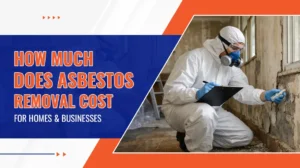
Asbestos removal in the UK can cost from under £100–£300 for basic testing to £400–£900 for small single-room jobs, and around £2,000–£5,000 for a typical three-bedroom house, with large or complex projects exceeding £10,000. Prices vary with asbestos type, condition, accessibility, and whether full removal or encapsulation is used. Homeowners should also budget for surveys, waste disposal, and reinstatement, and can benefit from understanding how professionals structure these costs.
Key Takeaways
- Asbestos removal can cost from a few hundred to over £10,000, depending mainly on project size and complexity.
- Testing and sampling usually cost £100–£300, while small single-room removals often range from £400 to £900.
- Full removal in a typical three-bedroom house commonly costs between £2,000 and £5,000.
- Prices rise with higher-risk asbestos types, difficult-access areas (such as attics), and complex spaces such as kitchens and bathrooms.
- Additional costs may include containment setup, air monitoring, licensed waste disposal, and repairs to replace removed materials.
Table of Contents
Asbestos Removal Costs in the UK: Price Summary
Asbestos removal costs in the UK typically range from a few hundred pounds for small, straightforward jobs to several thousand pounds for larger or more complex projects.
This broad span reflects the variety of properties, asbestos types, and desired outcomes. Homeowners and landlords seeking control over their space usually find that basic sampling and testing can cost under £100–£300, while minor removal tasks in a single room can range from £400 to £900. Full removal from a typical three‑bedroom house typically falls between £2,000 and £5,000, depending on the amount of asbestos present and how it must be handled.
Larger commercial properties, or jobs involving multiple areas, can easily climb above £10,000. Some choose phased work to spread costs over time, while others prefer a one‑off, thorough removal to clear restrictions on renovation, resale, or future development.
Main Factors Affecting Asbestos Removal Cost
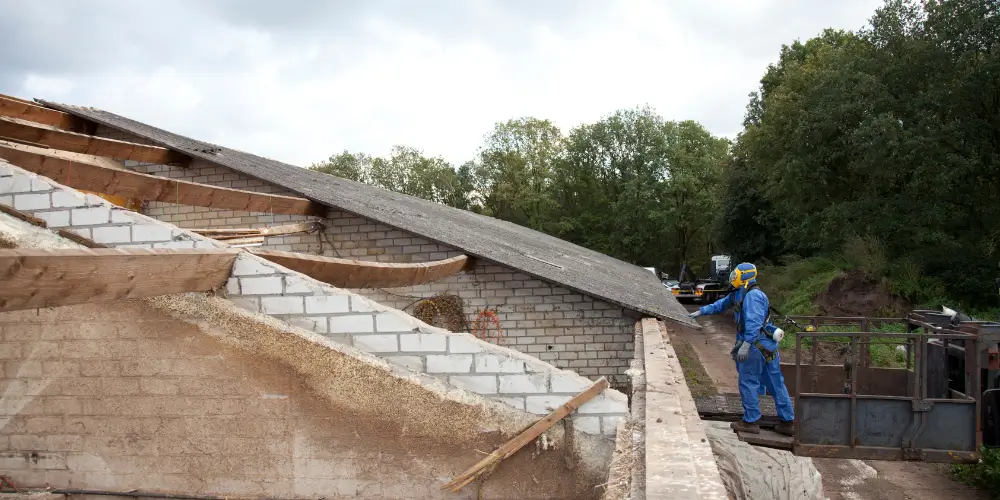
While headline figures provide a useful benchmark, the price of asbestos removal is ultimately driven by a handful of core variables: the type of asbestos present, where it is located, how much material must be handled, and the method required to make it safe.
Higher‑risk materials such as asbestos insulation board or pipe lagging usually command higher costs than bonded products like asbestos cement, because they release fibres more easily and demand stricter controls. Accessibility also shapes the bill. Confined roof voids, high-level work, or cramped service areas often require extra labour, access equipment, and time.
Volume matters too: larger projects may gain some economies of scale, but total cost still rises with the quantity of contaminated material. Finally, the chosen control method, full removal, encapsulation, or partial strip-out, affects labour, equipment, air monitoring, and waste disposal fees, directly influencing overall spend and project timescales.
Asbestos Removal Costs by Location in the Home
Costs on paper often make more sense when linked to specific parts of the property, because risk level, complexity, and access needs vary from one area to another. Removal in easily reached living rooms or bedrooms usually sits at the lower end of the cost range, as contractors have open space and straightforward containment.
Kitchens and bathrooms frequently cost more because asbestos may be embedded around plumbing, behind tiles, or in old vinyl flooring, demanding slower, more controlled work. Attics, lofts, and crawl spaces often raise prices further: cramped conditions, fragile surfaces, and poor ventilation restrict movement and extend labour time.
Garages, sheds, and outbuildings with asbestos cement roofing or wall panels typically fall in the mid-range, though height or structural instability can push costs higher. Finally, whole‑house projects where asbestos is present across multiple rooms and levels tend to command premium pricing due to extended setup, equipment needs, and project duration.
How Asbestos Type and Condition Change Affects Removal Cost
Beyond location in the home, the specific type of asbestos and its current condition are two of the strongest drivers of removal cost. Non‑friable materials, such as intact vinyl tiles or cement sheets, usually cost less to handle because fibres are locked in place.
Friable asbestos, like damaged insulation or crumbling pipe wrap, demands tighter controls, more labour, and higher disposal fees, pushing prices upward and limiting DIY options.
Key cost influences include:
- Type of asbestos product (insulation, tiles, cement board, textured coatings)
- Friable vs non‑friable state and how easily fibres can be released
- Degree of visible damage, water intrusion, or prior improper disturbance
- Accessibility of the material without breaking it up further
- Extra containment, negative air systems, and protective gear are required
As the material becomes more fragile or deteriorated, costs escalate, reflecting the added effort to remove it safely while preserving long‑term freedom from contamination.

Asbestos Survey, Testing and Lab Fees
Before any contractor can quote a reliable asbestos removal price, the property typically needs an asbestos survey and laboratory testing to confirm what is present. This initial step prevents guesswork and gives owners clear information instead of fear or speculation.
Survey costs vary with property size, age, and access. A basic management survey for a small home may be a few hundred dollars, while a full refurbishment or demolition survey, which is more intrusive, usually costs more. Samples collected during the survey are sent to accredited laboratories, where fees are typically charged per sample.
Owners who want maximum control often request written reports detailing asbestos type, location, and condition. This documentation lets them compare removal quotes on equal terms and decide when and how to proceed. While survey and lab fees add to upfront cost, they also reduce the risk of overpaying for unnecessary or exaggerated removal work.
Extra Asbestos Removal Costs Homeowners Don’t Expect
Once the survey and lab results confirm where asbestos is located, homeowners often discover that the removal quote is only part of the overall expense. The core fee usually covers labour and basic disposal, but freedom from asbestos risk often demands several additional line items that quickly reshape the budget.
Unexpected costs frequently appear in:
- Site setup and containment: plastic sheeting, negative air machines, and extra protective equipment.
- Air monitoring and clearance testing: independent verification that the space is safe to re‑enter.
- Waste transport and tipping fees: licensed haulage and specialist landfill charges.
- Repairs and reinstatement: replacing ceilings, insulation, flooring, or cladding removed with asbestos.
- Project delays and access issues: premiums for weekend work, cramped spaces, or working around tenants.
Understanding these add‑ons in advance allows homeowners to compare quotes accurately and choose the solution that restores both safety and autonomy at home.
DIY vs Professional Asbestos Removal: Cost Comparison
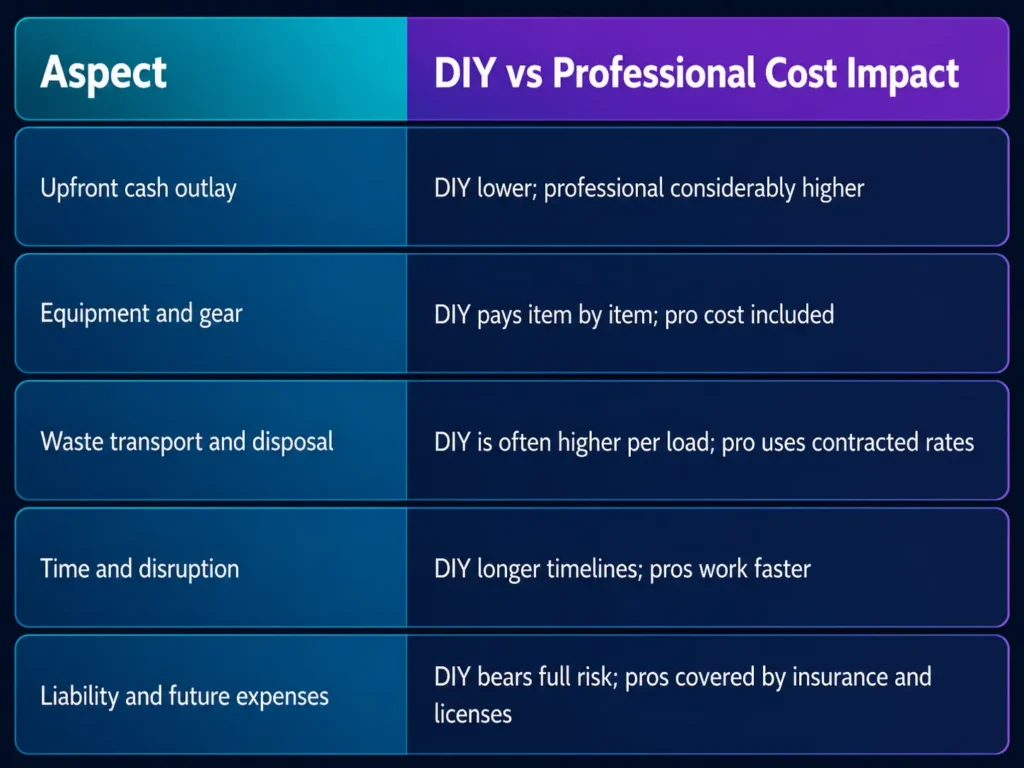
Although tackling asbestos removal alone may seem like an obvious way to cut costs, the financial picture changes sharply when all risks and requirements are counted. DIY removal appears cheaper up front because there is no labour markup, yet the individual must buy protective gear, specialised tools, and pay full price for hazardous‑waste disposal. One mistake can contaminate an entire property, triggering far higher cleanup and medical expenses.
By contrast, professional contractors bundle labour, equipment, insurance, and compliant disposal into one fee. While the invoice is higher, the owner gains predictable costs and transfers major liability away from themselves.
Safe Ways to Cut Asbestos Removal Costs
Cost‑conscious property owners can legitimately reduce asbestos removal expenses without compromising safety or legal compliance by focusing on smart planning rather than risky shortcuts. Instead of gambling with health or fines, they can strategically narrow the scope of professional work and control what they handle themselves within legal boundaries.
Simple, lawful actions like preparation and coordination can trim labour hours and extra fees while keeping certified contractors focused on high‑risk tasks. This preserves personal freedom of choice without sacrificing protection.
Key cost‑saving approaches include:
- Clearing furniture, fixtures, and personal items from work areas in advance
- Combining multiple asbestos tasks into a single, well‑scheduled project
- Repairing or encapsulating stable, low‑risk materials when regulations allow
- Ensuring easy access to the work zone, including parking and clear pathways
- Disposing of non-hazardous, non‑asbestos debris separately to avoid premium hauling fees
These steps reduce project complexity and duration, often lowering the final bill.
How to Get and Compare Asbestos Removal Quotes
After taking reasonable steps to control scope and prepare the space, the next way to keep asbestos removal affordable is to secure clear, comparable quotes from qualified contractors. A property owner typically starts by gathering three to five written quotes from licensed, insured asbestos professionals, ideally those with strong independent reviews and up‑to‑date certifications.
Each quote should itemise inspection, containment, removal, disposal, air monitoring, and post‑clearance testing. This breakdown allows direct price comparison and reveals whether “extras” like permits, waste transport, or lab fees are included or hidden. A savvy client also asks about project duration, crew size, equipment used, and how the contractor plans to minimise disruption to daily life. They request proof of insurance and a copy of the contractor’s license and asbestos training.
Finally, they compare not just total cost, but clarity of scope, guarantees, and safety standards before choosing the contractor that best protects both health and budget.
Frequently Asked Questions
Can I Sell My House if It Still Contains Asbestos?
Yes, a homeowner can sell a house with asbestos, provided disclosure laws are followed. Buyers retain the freedom to accept, negotiate price, or demand remediation. Legal compliance, inspection reports, and transparent contracts protect everyone’s choice and responsibility.
How Long Does Professional Asbestos Removal Usually Take?
Professional asbestos removal usually takes from one day to about a week, depending on property size and contamination. Crews seal spaces, strip hazardous materials, clean meticulously, then complete air tests before residents can reclaim their full freedom of movement.
Is Asbestos Removal Covered by Home Insurance Policies?
Asbestos removal is usually not covered by standard home insurance, which treats it as a maintenance or pre-existing hazard. Coverage sometimes applies only after a sudden, insured event releases asbestos fibres, and even then, limits can be restrictive.
What Certifications Should an Asbestos Removal Company Have in the UK?
They should hold an HSE asbestos licence, UKATA or BOHS training certification, appropriate CSCS cards, ARCA or ACAD membership, waste carrier registration, and full liability insurance, empowering clients to demand safe, lawful, and accountable asbestos removal.
What Health Checks Are Recommended After Asbestos Exposure Concerns?
They’re typically offered a GP review, a detailed exposure history, a chest X‑ray or low‑dose CT if warranted, lung function tests, smoking‑cessation support, and long‑term monitoring for breathlessness, persistent cough, or chest pain, and they seek specialists when symptoms emerge.
Conclusion
Asbestos removal costs in the UK vary widely, shaped by location in the home, material type, condition and access. Surveys, testing and unexpected extras can greatly increase the final bill, making professional quotes essential. While DIY removal may seem cheaper, safety and legal compliance usually favour licensed contractors. By understanding cost drivers, seeking multiple quotes and planning carefully, homeowners can manage asbestos risks more affordably while protecting health, property value and long-term peace of mind.