Most sealed central-heating boilers should show about 1.0 1.5 bar when cold, then rise to roughly 1.5–2.0 bar once hot. The exact number matters less than steady, repeatable pressure. The gauge may be a dial with green and red zones or a digital display that needs a button press. Low pressure can cause poor heating and fault codes. Persistent drops suggest leaks, bleeding, or expansion vessel issues; further practical checks are ahead. Always check the boiler pressure to ensure proper functioning and avoid issues.
Key Takeaways
- Most sealed central-heating boilers run best at 1.0–1.5 bar when cold and about 1.5–2.0 bar when hot.
- Check the gauge straight on; analogue dials may show green (normal) and red (fault) zones, while digital displays may require a button press.
- Stable pressure matters most; frequent drops suggest leaks, recent radiator bleeding, or a failing expansion vessel.
- Low pressure can cause poor heating, lukewarm radiators, fluctuating hot water, cycling, or boiler lockouts with warning lights or fault codes.
- Persistently high pressure often results from overfilling or expansion; close the filling-loop valves and bleed or drain water to reduce pressure.
Table of Contents
What Boiler Pressure Should Be (Cold vs Hot)?
A boiler’s pressure should sit lower when the system is cold and rise modestly as it heats, reflecting thermal expansion and normal circulation. For many sealed central-heating systems, a typical cold-range pressure is around 1.0–1.5 bar, providing enough headroom for pumps to move water without inviting air ingress. As radiators warm, pressure often climbs to roughly 1.5–2.0 bar; that gentle increase is expected, not a cause for alarm.
Consistent stability matters more than chasing a perfect number: pressure that repeatedly drops can signal a leak, bleeding losses, or a failing expansion vessel, while pressure that surges toward the safety limit may point to overfilling or expansion control issues. Keeping within the maker’s stated range preserves heat on one’s own terms, steady, quiet comfort without constant intervention.
How To Read the Boiler Pressure Gauge
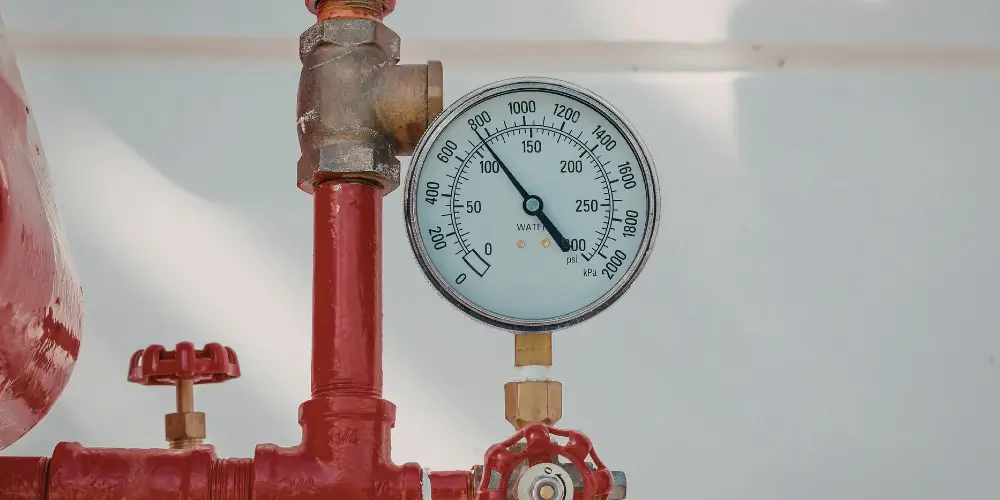
Knowing the normal cold-to-hot range is only useful if the gauge reading can be checked accurately. Most boilers show pressure on a round analogue dial or a digital display on the front panel. On analogue gauges, the needle points to a numbered scale in bar, sometimes marked with coloured bands; green usually indicates the recommended zone, while red areas flag caution. For the clearest reading, the viewer should stand directly in front of the gauge to avoid parallax error.
Digital gauges present a bar value directly and may require a button press to cycle to the pressure screen. Readings should be taken when the system is cold, then again after the heating has been running for a while, noting any changes. Recording both numbers gives the householder control, helping them monitor the system without unnecessary callouts or guesswork.
Is My Boiler Pressure Too Low? Signs and Symptoms
When does low boiler pressure become a problem rather than a harmless fluctuation? It becomes an issue when the gauge sits below the boiler’s recommended zone, and performance changes are noticeable. A common sign is heating that takes longer to reach the desired temperature or never reaches it. Radiators may feel lukewarm at the top, leaving rooms cooler than expected and limiting control over comfort.
Hot water can also become unpredictable: taps may run cooler, fluctuate, or take longer to reach a steady temperature. Some systems respond by cycling on and off more often, wasting time and reducing efficiency. Others may lock out entirely, showing a warning light or fault code and refusing to fire until pressure returns to a safe operating range. Unusual noises, such as gurgling or kettling, can occur as water flow and heat transfer become less stable. If these symptoms persist, the system’s reliability and the household’s freedom to heat on demand are reduced.
Why Boiler Pressure Drops: Common Causes
Boiler pressure often drops because water is leaving the sealed system or the system is no longer maintaining a stable fill level. Even a small leak at a radiator valve, pipe joint, or inside the boiler can steadily bleed pressure away, limiting heat and hot water when it is needed most. Hidden leaks under floors or behind walls can be especially disruptive because the system loses water without obvious signs.
Another common cause is recent radiator bleeding: releasing trapped air also releases a small amount of water, lowering pressure afterwards. Faults in the expansion vessel can also lower pressure; if its internal charge is lost or its diaphragm fails, the system cannot reliably absorb normal heating expansion, and pressure swings become more likely. A pressure relief valve that is stuck or passing can discharge water intermittently, quietly reducing pressure over time. Poorly sealed automatic air vents may also leak.
How To Top Up Boiler Pressure Safely (Filling Loop)
Most sealed central-heating systems can be repressurised safely using the filling loop, provided the boiler is cool, the correct valves are opened slowly, and the pressure gauge is watched closely. This simple task lets a homeowner stay in control without waiting for help for routine top-ups.
First, switch the boiler off and allow it to cool. Locate the filling loop (often a silver braided hose) and identify the two valves, typically a screw slot or small lever on each end. Verify both ends are firmly connected. Open the first valve slightly, then open the second valve slowly.
Water will enter the system; watch the gauge rise steadily. Stop at the manufacturer’s normal cold range, typically 1.0–1.5 bar, then fully close both valves. Remove the key or detach the hose, if required, and store it safely. Finally, restart the boiler and confirm that the pressure is stable.
Why Boiler Pressure Gets Too High (and What To Do)
Although a brief rise in system pressure during heating is normal, persistently high boiler pressure usually indicates an underlying fault such as overfilling via the filling loop, a failed expansion vessel (or its air charge), a stuck pressure relief valve, or an issue at the mains fill connection.
Identifying the cause matters because sustained over pressure can trigger the safety valve to discharge, cause leaks, and reduce system efficiency. Commonly, the filling loop is left slightly open after topping up, so extra water keeps seeping in. Another cause is an expansion vessel that cannot accommodate the expansion of hot water, forcing the gauge to rise. Less often, a faulty pressure relief valve reseats poorly, or debris prevents it from sealing cleanly.
To regain control without drama:
- Shut both filling-loop valves fully to stop unwanted mains feed.
- Bleed radiators to release trapped air and calm pressure spikes.
- If pressure remains high, carefully drain a little water from the radiator valve into a container, then recheck the gauge.
When To Call a Heating Engineer for Boiler Pressure
When does boiler pressure stop being a simple top-up issue and become a job for a professional? It’s when the system won’t hold steady, safety devices intervene, or leaks appear. Persistent drops after topping up often indicate a hidden leak, a failed expansion vessel, or a fault in the pressure relief valve. Repeated spikes can indicate a blocked filling loop, airlocks, or overheating issues that require proper testing, not guesswork. Calling an engineer protects freedom from repeat shutdowns, water damage, and unsafe operation. If you’re unsure, always check what the correct boiler pressure should be before seeking professional help.
| Warning sign | Why does it need an engineer |
| Pressure falls daily | Leak, PRV discharge, or vessel failure |
| Pressure rises above 3 bar | Expansion fault or filling loop issue |
| PRV pipe drips outside | Safety valve stuck or system overpressure |
| Boiler locks out / bangs | Overheating, pump issues, or trapped air |
If pressure changes are sudden or accompanied by smells, damp patches, or frequent resets, professional help becomes non-negotiable.
Frequently Asked Questions
How Often Should I Check My Boiler Pressure During Winter?
During winter, boiler pressure should be checked weekly and again after any radiator bleeding or any unusual heating behavior. This simple habit helps preserve reliable warmth, avoids needless callouts, and supports independent control.
Can Boiler Pressure Issues Increase My Energy Bills?
Yes, boiler pressure problems can raise energy bills by forcing the system to work harder, cycle inefficiently, or leak heat. A homeowner should check pressure regularly, fix leaks, and restore balance to keep control.
Does Boiler Pressure Affect Radiator Bleeding or Balancing?
Yes, boiler pressure affects both. Low pressure can hinder bleeding and leave radiators uneven, while excessive pressure risks leaks. A steady mid-range pressure supports reliable airflow for balancing, allowing occupants to maintain comfort on their own terms.
Is Boiler Pressure Affected by Adding Inhibitor or System Cleanser?
Boiler pressure is usually not affected by adding an inhibitor or cleanser; any change results from increased water volume or the release of trapped air. They should dose via the filling loop, then restore pressure, vent radiators, and recheck.
Will Low Boiler Pressure Void My Boiler Warranty?
Low boiler pressure rarely voids the warranty on its own; coverage usually depends on proper operation and timely maintenance. They should review warranty terms, keep service records, and fix leaks promptly, avoiding neglect that manufacturers may exclude.
Conclusion
Maintaining correct boiler pressure helps guarantee safe, efficient heating and reliable hot water. Pressure should typically sit within the manufacturer’s recommended range, rising slightly when the system is hot and falling as it cools. Regularly checking the gauge can highlight problems early, such as leaks or trapped air that cause low pressure, or overfilling that causes high pressure. Topping up should be done carefully using the filling loop, and persistent issues should be referred to a qualified engineer.