The Regulatory Reform (Fire Safety) Order 2005 sets the legal baseline for fire safety in most non-domestic premises in England and Wales. A named Responsible Person must assess fire risks, implement suitable precautions, keep escape routes and equipment maintained, train staff, and record significant findings and checks. Fire authorities can inspect and issue enforcement or prohibition notices, with serious breaches leading to unlimited fines and disruption. Further guidance explains assessments, documentation, inspections, and practical management plans.
Key Takeaways
- The Regulatory Reform (Fire Safety) Order 2005 applies to most non-domestic premises in England and Wales, including shared areas in multi-occupied buildings.
- A named Responsible Person must manage fire safety, maintain precautions, assign competent deputies, and coordinate with other duty holders where needed.
- You must complete a suitable and sufficient fire risk assessment, record significant findings, set actions with deadlines, and review after changes.
- Keep clear documentation: fire risk assessment, equipment testing and maintenance logs, staff training records, and up-to-date escape route information with version control.
- Run routine checks and training (e.g., weekly alarm tests, emergency lighting checks, drills) because non-compliance can lead to notices, prosecutions, and building closures.
Table of Contents
The Role of the Responsible Person in Workplace Fire Compliance
Accountability is central to workplace fire compliance under the Regulatory Reform (Fire Safety) Order 2005. The “Responsible Person” is the individual who holds legal duty for fire safety in non-domestic premises, typically an employer, owner, landlord, managing agent, or occupier with control of the site.
This role requires ensuring that fire precautions are suitable and maintained, that people can evacuate safely, and that relevant arrangements are in place. Key responsibilities include appointing competent support as needed, providing clear information and training to staff, coordinating with other duty holders in shared buildings, and keeping essential records as required.
The Responsible Person must also guarantee that fire safety equipment, alarms, emergency lighting, and escape routes remain serviceable, unobstructed, and fit for purpose. When enforcement officers inspect, they look for evidence that this duty is understood, actively managed, and reviewed as the workplace changes.

Step-by-Step Breakdown of a Legally Compliant Fire Risk Assessment
Begin with a structured fire risk assessment, since the Regulatory Reform (Fire Safety) Order 2005 requires the Responsible Person to identify fire danger, assess who may be at risk, and implement proportionate controls to reduce risk to an acceptable level.
The process starts with a walkthrough to note ignition sources, fuel loads, and oxygen sources, then checks existing precautions. Next, evaluate who is at heightened risk, including lone workers, visitors, or people needing assistance, and consider times of day when occupancy changes.
Record findings, decide whether further controls are needed, and assign actions with owners and deadlines. Implement measures, brief staff, and guarantee maintenance arrangements support them. Finally, review regularly and after significant changes, incidents, or near misses, keeping records current and defensible.
- Inspect escape routes, signage, lighting, and final exits for clear, usable egress.
- Verify that alarms, detection systems, and extinguishers are suitable, tested, and accessible.
- Check compartmentation and fire doors for damage, gaps, and wedging.
- Confirm training, drills, and housekeeping reduce the likelihood and consequences.
Which Buildings and Premises Fall Under the 2005 Fire Safety Law?
Although often described as workplace-focused, the Regulatory Reform (Fire Safety) Order 2005 applies to almost all non-domestic premises in England and Wales where people work, visit, or have lawful access, placing duties on the “Responsible Person” for fire precautions in the common parts and any areas under their control.
It covers offices, shops, factories, warehouses, pubs, restaurants, hotels, care homes, schools, places of assembly, and community venues, as well as shared areas in multi-occupied buildings. In blocks of flats and mixed-use buildings, the Order typically applies to corridors, stairwells, plant rooms, bin stores, and other communal or service spaces rather than the interiors of individual dwellings.
Temporary structures and outdoor areas may also be in scope if used for work or public events. Limited exclusions exist, such as private single-family homes and certain transport settings governed by separate regimes. Scotland and Northern Ireland operate different legislation.
Fire Safety Documentation You Must Keep to Avoid Enforcement Action
Most enforcement action under the Regulatory Reform (Fire Safety) Order 2005 follows the same pattern: inspectors cannot verify that suitable fire precautions are in place because the required records are missing, out of date, or inconsistent. Documentation should show that risks have been identified, controls selected, and checks completed to schedule. Records also help demonstrate that findings are acted on rather than merely noted.
For most businesses, the core file should include:
- A written fire risk assessment, including significant findings, persons at risk, and review dates
- Maintenance and testing logs for alarms, emergency lighting, extinguishers, sprinklers, and smoke control systems
- Training records: inductions, refresher sessions, evacuation drills, and named fire wardens/marshals
- Premises information: escape route plans, fire door checks, contractor permits, and any alterations affecting fire safety
Kept together, dated, and version-controlled, these documents provide a clear audit trail and reduce the likelihood of formal action.
Inspection Powers of Fire Authorities and What to Expect During a Visit
When a fire authority visits premises under the Regulatory Reform (Fire Safety) Order 2005, it does so with statutory powers to enter, inspect, and require information needed to assess compliance. Inspectors may attend announced or unannounced, typically during reasonable hours, and can be accompanied by specialists or bring equipment for testing and measurement.
During a visit, the responsible person or a competent representative should be available to provide access and answer questions. Inspectors commonly review the fire risk assessment, maintenance and testing records, training logs, evacuation procedures, and evidence of corrective actions. They may walk escape routes, check fire doors, alarms, emergency lighting, extinguishers, signage, and housekeeping, and assess occupancy levels and hazardous processes.
They can take photographs, make notes, copy documents, and request samples or demonstrations, such as sounding the alarm or showing isolation controls. Findings are usually summarised with the next steps and timescales.
Real Consequences of Non-Compliance, Prosecutions, Fines and Business Closure
If fire safety duties under the Regulatory Reform (Fire Safety) Order 2005 are neglected, enforcement action can progress quickly from informal advice to formal notices, prosecution, and, where the risk is serious, the restriction or closure of the premises. Fire and rescue authorities may issue an Enforcement Notice requiring specified remedial actions by a deadline, or a Prohibition Notice prohibiting the use of all or part of a building until the danger is removed.
Persistent or serious breaches can be taken to court, with unlimited fines in England and Wales and, in some cases, imprisonment for responsible persons. Convictions also cause reputational damage, higher insurance costs, and loss of contracts, particularly in public-sector procurement.
Disruption is often immediate: staff may be sent home, stock may be inaccessible, and revenue can cease overnight.
- Prohibition notices can close floors, rooms, or entire sites.
- Fines can be substantial and publicly reported.
- Directors and managers may face personal liability.
- Closure can trigger lease, lender, and client default clauses.
Practical Fire Prevention Measures Every Business Should Implement
Every workplace can reduce fire risk considerably by adopting a small set of practical prevention measures that control ignition sources, limit combustible build-up, and guarantee protective systems remain effective. Electrical safety is central: overloaded sockets, damaged leads, and unsuitable adaptors should be removed, while fixed wiring and portable appliance testing should be kept up to date.
Hot works such as welding or grinding should be controlled through permits, clear work areas, and suitable fire watch arrangements. Good housekeeping reduces fuel waste: the house should be kept clear regularly, stock stored away from heaters, and flammable liquids kept in approved containers and cupboards.
Smoking should be restricted to designated areas with safe disposal units. Fire doors must be kept closed, undamaged, and free from wedges. Escape routes should remain unobstructed and clearly signed. Detection systems, alarms, emergency lighting, and fire extinguishers should be serviced and accessible, with the correct types positioned for local risks.
Creating an Ongoing Fire Safety Management Plan That Meets Legal Standards
A fire safety management plan provides the structure for keeping control measures effective long after the initial fire risk assessment is completed. Under the Regulatory Reform (Fire Safety) Order 2005, the responsible person must demonstrate that arrangements are planned, implemented, monitored, and reviewed, rather than left to occasional checks. The plan should assign clear duties, set inspection frequencies, and guarantee findings are recorded and acted on promptly.
- Named competent persons, with deputies, responsible for alarms, extinguishers, and evacuation coordination
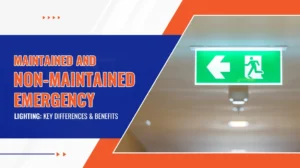
- Scheduled checks: weekly alarm tests, monthly emergency lighting checks, and periodic servicing by qualified contractors
- Training and drills for all staff, including new starters and high-risk roles, with attendance and outcomes documented
- A review trigger list: layout changes, new processes, incidents, enforcement feedback, or changes in occupancy
Records should be kept accessible and up to date to support enforcement inspections and demonstrate continuous compliance.
Frequently Asked Questions
How Does the Fire Safety Order 2005 Affect Landlords and Managing Agents?
It makes landlords and managing agents responsible persons for fire safety in common areas, requiring risk assessments, preventive measures, maintenance, and staff instruction. They must cooperate, keep records, and face enforcement action or prosecution for noncompliance.
Do I Need Fire Safety Training Records for Contractors and Temporary Staff?
Yes, fire safety training records should be kept for contractors and temporary staff who receive instruction. Records evidence competence and compliance, supports risk assessments, and should cover inductions, site-specific danger, and emergency procedures, plus refresher dates.
What Are the Rules for Fire Safety in Shared or Multi-Occupied Buildings?
In shared or multi-occupied buildings, each occupier must manage risks in their areas, while a building duty holder coordinates common parts. Fire risk assessments must align, information shared, and evacuation, alarms, and maintenance must be jointly agreed upon.
How Often Should Fire Alarms and Emergency Lighting Be Professionally Tested?
Fire alarms and emergency lighting should be professionally tested at least annually, with more frequent staff checks: weekly fire alarm call-point tests and monthly emergency lighting function tests. Records should be kept and defects promptly repaired.
Does the Fire Safety Order 2005 Apply to Home-Based Businesses?
Yes, it can apply. The order generally covers the non-domestic parts of a home used for business, and shared areas in multi-occupied buildings. Purely private living areas are usually excluded.
Conclusion
Compliance with the Regulatory Reform (Fire Safety) Order 2005 depends on clear responsibility, suitable risk assessment, and effective ongoing management. Businesses must identify the responsible person, assess risk, implement proportionate controls, and keep accurate records that demonstrate competence and action. Fire authorities can inspect, require improvements, and prosecute where standards fall short. Failure to comply can lead to enforcement notices, fines, reputational damage, and closure. Sustained attention to prevention, training, maintenance, and review guarantees legal adherence.