The question of Can a domestic Installer do an EICR is complex. It hinges on qualifications, regulatory compliance, and possible risks. While some domestic installers can conduct EICRs, they must meet specific legal requirements and standards. Ignoring these factors can lead to serious safety risks. Understanding the implications of hiring an unqualified individual is essential for homeowners. What should property owners consider before proceeding with an EICR?
Key Takeaways
- Domestic installers must hold a Level 3 qualification in electrical installation to legally conduct EICRs.
- Only qualified professionals with relevant experience can carry out EICRs, ensuring compliance with safety standards.
- Using unqualified individuals for EICRs risks overlooking key issues and poses a possible danger.
- Homeowners should verify installers’ credentials to mitigate the risks associated with incorrect assessments.
- Qualified inspectors are familiar with regulations and provide accurate evaluations, minimising insurance claim complications.
Table of Contents
Can a Domestic Installer Do an EICR? A Simple Explanation
Can a domestic installer carry out an Electrical Installation Condition Report (EICR)? The answer is yes, but with specific qualifications.
Domestic installers must possess the necessary certification and training to perform EICRs. Typically, they should hold a Level 3 qualification in electrical installation and relevant industry experience.Compliance with the IET Wiring Regulations is essential, guaranteeing that the installer understands safety standards and possible danger.
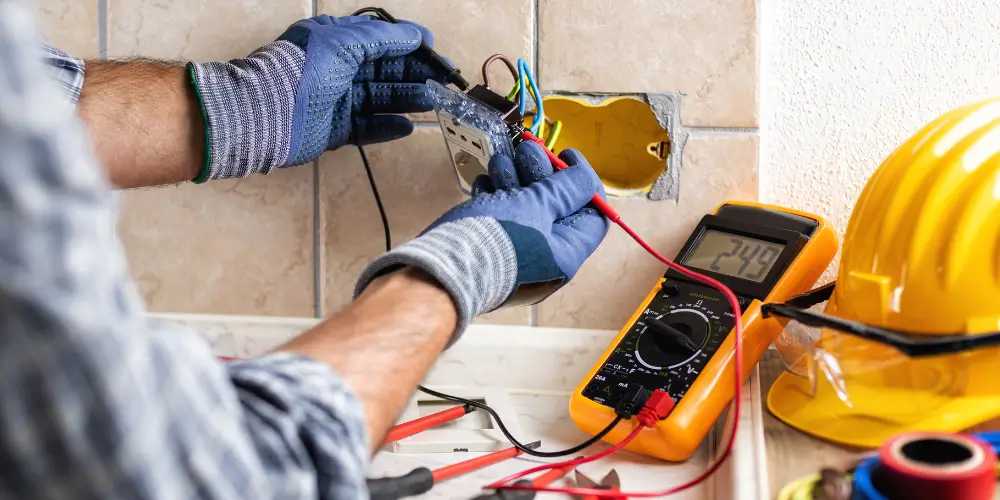
It’s essential for the installer to be familiar with the assessment process, which involves visually inspecting electrical installations and conducting tests to determine their condition. While many domestic installers are equipped to carry out EICRs, homeowners should verify their credentials to ascertain accurate and reliable reporting for safety assurance.
What an EICR Is and Why It Matters for Home Safety
An Electrical Installation Condition Report (EICR) is an essential document that assesses the safety and condition of a home’s electrical installations. This report judges whether the electrical systems comply with current safety standards and identifies any possible risks. Conducting an EICR is important for ensuring residents’ safety, as faulty electrical systems pose serious risks, including electrical shocks and fires.
Regular assessments can help identify issues before they escalate, promoting energetic maintenance and compliance with legal requirements. Homeowners are encouraged to have an EICR carried out periodically, especially when buying or selling a property, or after significant renovations. Ultimately, an EICR plays a significant role in safeguarding the inhabitants and ensuring the long-term integrity of electrical systems.
Who Is Legally Allowed to Carry Out an EICR in the UK
In the UK, only qualified professionals may carry out an Electrical Installation Condition Report (EICR). These individuals must possess the appropriate qualifications, such as registration with a recognised body, such as the National Inspection Council for Electrical Installation Contracting (NICEIC) or the Electrical Contractors’ Association (ECA).
Additionally, they should have relevant experience and training in electrical safety standards and regulations. This guarantees that the EICR is conducted accurately and that properties meet safety requirements. Homeowners and landlords are encouraged to verify the credentials of any inspector before commissioning a report, as using an unqualified individual could pose serious safety risks and legal liabilities. Compliance with these regulations is essential for maintaining electrical safety in residential properties.
Domestic Installer vs Qualified Inspector: What’s the Difference
While both domestic installers and qualified inspectors play essential roles in electrical safety, their functions and qualifications differ markedly. Domestic installers are typically responsible for installing, maintaining, and repairing electrical systems in homes. They may hold relevant certifications but often focus on practical, hands-on work rather than thorough assessments.
In contrast, qualified inspectors are specifically trained to conduct meticulous inspections and assessments, such as Electrical Installation Condition Reports (EICRs). They possess in-depth knowledge of relevant regulations and safety standards, enabling them to identify possible danger and guarantee compliance. Consequently, while domestic installers contribute to installing safe systems, qualified inspectors are essential for evaluating and certifying the overall safety and integrity of electrical installations.
Can a Domestic Installer Do an EICR on Their Own Work
Although a domestic installer may be knowledgeable about the electrical systems they have installed, conducting an Electrical Installation Condition Report (EICR) on their own work raises possible conflicts of interest.
This practice can undermine the integrity of the assessment and may lead to various complications, including:
- Bias: The installer might unintentionally overlook faults to protect their reputation.
- Accountability: Without an independent review, accountability for safety issues may be diluted.
- Regulatory Compliance: Some regulations may require EICRs to be conducted by an impartial party.
- Trust: Homeowners may question the report’s reliability, diminishing their trust in the installer.
Thus, it is advisable for installers to engage an external qualified inspector for an objective evaluation.
Safety Risks of Using the Wrong Person for an EICR
Choosing the wrong person to conduct an Electrical Installation Condition Report (EICR) can considerably increase safety risks for homeowners. An inadequately qualified individual may overlook key issues such as faulty wiring, inadequate earthing, or outdated circuits, which can lead to electrical shocks, fires, or equipment damage.
Additionally, improper testing techniques may yield inaccurate assessments, leaving hidden dangers unaddressed. Homeowners relying on an unskilled or unregistered technician may also face problems with insurance claims if an incident occurs, as the validity of the report could be questioned. Ultimately, engaging a qualified and experienced professional is key to ensuring the safety and reliability of a home’s electrical systems, minimising the risks posed by possible electrical danger.
Legal Consequences of an Invalid or Incorrect EICR
The legal ramifications of an invalid or incorrect Electrical Installation Condition Report (EICR) can be severe for homeowners and property managers alike.
Failing to obtain a valid EICR may lead to significant consequences, including:
- Financial Liabilities: Homeowners may face costly repairs or penalties for noncompliance with safety regulations.
- Insurance Issues: An invalid EICR can result in insurance claims being denied, leaving property owners financially exposed.
- Legal Action: Affected parties can pursue litigation against the homeowner or property manager for negligence or safety violations.
- Safety Risks: Invalid reports may overlook electrical risk, putting lives at risk and leading to possible criminal charges.
Understanding these consequences emphasises the importance of obtaining a valid EICR from a qualified professional.
When a Domestic Installer Is Not Permitted to Do an EICR
While many domestic installers are qualified to perform Electrical Installation Condition Reports (EICRs), there are specific circumstances under which they may not be permitted to do so.
Primarily, if the installer lacks the requisite qualifications or is not registered with an approved body, they cannot carry out an EICR. Additionally, domestic installers may be restricted from conducting EICRs in properties that have undergone significant alterations or extensions without proper documentation.
In cases where previous non-compliance issues exist, an installer may also be deemed unsuitable. Moreover, if an installer is involved in the installation work being assessed, a conflict of interest arises, disallowing them from providing an unbiased report. Understanding these limitations is essential for ensuring safety and compliance.

How to Check if an Electrician Is Approved for EICR Testing
How can homeowners ensure an electrician is qualified to perform EICR testing? Verifying an electrician’s competence can prevent future complications. Homeowners should consider the following steps:
- Check Qualifications: Verify that the electrician holds relevant certifications and is registered with a recognised body, such as NICEIC or ECA.
- Review Experience: Inquire about their experience specifically in conducting EICR assessments to ascertain familiarity with current regulations.
- Request References: Ask for references or testimonials from previous clients who have received EICR services, providing insight into their reliability and quality of work.
- Confirm Insurance: Verify the electrician has appropriate liability insurance to cover any accidental damages that may occur during the inspection.
Taking these steps can help ensure the selection of a qualified professional for EICR testing.
What Property Owners Should Do If an EICR Is Done Incorrectly
If an EICR is completed incorrectly, property owners must take immediate action to address the situation. First, they should carefully review the report to identify any discrepancies or inaccuracies. It is advisable to gather supporting documentation, including correspondence with the electrician.
Next, property owners should contact the electrician or company that conducted the EICR to discuss the issues and seek clarification. If necessary, a second opinion from a qualified, independent electrician may be warranted to confirm any concerns. Should the original electrician fail to rectify the issues, property owners may consider filing a complaint with the relevant regulatory bodies. Understanding these steps can help guarantee the safety and compliance of electrical systems in their properties.
Frequently Asked Questions
Can a Domestic Installer Perform an EICR on Commercial Properties?
A domestic installer typically lacks the qualifications to perform an Electrical Installation Condition Report (EICR) on commercial properties. Commercial installations often require specific expertise and adherence to different regulations that domestic installers may not possess.
What Qualifications Should a Domestic Installer Have for EICR?
A domestic installer should possess relevant qualifications, such as the Level 3 Certificate in Electrical Installation, an understanding of the IET Wiring Regulations, and experience conducting electrical inspections to ensure safety and compliance.
How Often Should an EICR Be Conducted on Residential Properties?
An EICR should typically be conducted every five years for residential properties. However, properties with special circumstances or higher risks may require more frequent inspections to guarantee safety and compliance with current electrical standards.
What Happens if My EICR Fails?
If an EICR fails, it indicates electrical safety issues. The property owner must address the identified problems, ensure necessary repairs or upgrades are completed, and then conduct a reinspection to confirm compliance with safety standards.
Can I Challenge an EICR Report’s Findings?
Yes, individuals can challenge the findings of an EICR report. To do so, they should gather evidence, consult with another qualified electrician, and possibly request a re-evaluation to guarantee the accuracy and validity of the initial assessment.
Conclusion
In conclusion, Can a domestic Installer do an EICR depends on whether they meet specific qualifications and registration requirements, and homeowners must exercise caution. Engaging an unqualified individual can lead to serious safety risks. It is essential for property owners to verify the credentials of any installer they consider for an EICR to ensure compliance with legal standards. By prioritising qualified professionals, homeowners can safeguard their properties and increase electrical safety, ultimately preventing possible risks linked to improper installations.