Top Safety Responsibilities Every Landlord Should Know include guaranteeing the safety and well-being of tenants and properties. They face a range of responsibilities, from adhering to health and safety standards to conducting regular inspections. Understanding these obligations is essential for encouraging a secure environment. However, many landlords overlook significant risks that can lead to severe consequences. What steps can they take to guarantee compliance and protect both their tenants and their backing?
Key Takeaways
- Ensure properties meet health and safety standards, including sanitation, clean water, and proper waste disposal.
- Regularly inspect electrical systems and gas appliances to prevent risk and ensure functionality.
- Maintain essential utilities such as water, heat, and electricity in working order for tenant safety.
- Comply with local housing codes and conduct regular maintenance checks to identify and address possible risks.
- Provide clear emergency procedures and ensure functional safety equipment, such as smoke detectors and fire extinguishers, is maintained.
Table of Contents
Top Safety Responsibilities Every Landlord Should Know Before Letting a Property
Before renting out a property, landlords must be aware of several key safety responsibilities that guarantee tenant well-being and legal compliance.
One essential responsibility is ensuring that the property meets health and safety standards, including proper sanitation, a clean water supply, and adequate waste disposal. Landlords should also inspect electrical systems and gas appliances to prevent risks such as fires or carbon monoxide poisoning.
In addition, securing the property with functional locks on doors and windows is key for tenant safety. Regular maintenance checks can identify possible risks, such as mould or structural issues, which must be addressed promptly.
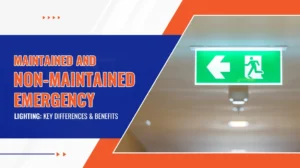
Moreover, landlords are responsible for providing clear escape routes in the event of an emergency. By understanding and fulfilling these safety responsibilities, landlords not only protect their tenants but also minimise liability risks and promote a positive rental experience.

What Legal Safety Duties Landlords Are Responsible for Today
Although legal safety duties can vary by jurisdiction, landlords today are generally required to adhere to a range of standards designed to protect tenant safety and health. This includes ensuring that properties are structurally sound and free from danger.
Landlords must maintain essential utilities, such as water, heat, and electricity, in working order. In addition, they are responsible for complying with local housing codes, which often require fire safety equipment, including smoke detectors and carbon monoxide alarms.
Regular inspections and timely repairs are also essential to uphold safety standards. Landlords must provide a safe environment by addressing issues like mould, pest infestations, and other health risks.
Moreover, tenants should be informed about emergency procedures and any known safety concerns. By fulfilling these legal obligations, landlords not only protect their tenants but also safeguard their investment in the property.
The Most Common Safety Risks Landlords Fail to Address
Despite their legal responsibilities, many landlords overlook key safety risks that can jeopardise tenants’ well-being. Common dangers include inadequate fire safety measures, electrical danger, and structural integrity issues. By neglecting these areas, landlords not only expose tenants to danger but also increase their liability.
| Safety Risk | Description | Common Oversights |
| Fire Safety | Lack of smoke detectors and fire extinguishers | Non-functional alarms, no escape plan |
| Electrical danger | Faulty wiring and overloaded circuits | Uninspected systems, outdated wiring |
| Structural Integrity | Crumbling walls, leaky roofs | Ignoring maintenance issues |
| Mould and Mildew | Poor ventilation leading to growth | Delayed repairs, inadequate inspections |
| Pest Infestations | Presence of rodents or insects | Infrequent pest control measures |
Addressing these risks is essential for maintaining safe living conditions and protecting both tenants and property.
How Landlord Safety Responsibilities Protect Tenants From Serious Harm
Top Safety Responsibilities Every Landlord Should Know include ensuring property safety, which directly impacts tenants’ health and well-being. By addressing safety concerns, landlords reduce the risk of accidents and injuries arising from neglected maintenance or hazardous conditions. Regular inspections, prompt repairs, and adherence to safety codes create a secure living environment.
For instance, ensuring that common areas are well-lit and free of obstacles can prevent falls, while maintaining structural integrity helps prevent serious accidents.
Additionally, by implementing proper safety measures, landlords promote a sense of security among tenants, which enhances their overall quality of life. When tenants feel safe in their homes, it encourages community stability, ultimately benefiting both landlords and residents.
Consequently, a safety-focused response not only protects tenants from serious harm but also promotes a positive landlord-tenant relationship, leading to long-term success in property management.
Understanding Fire, Gas, and Electrical Safety Obligations for Landlords
Guaranteeing a safe living environment requires landlords to prioritise fire, gas, and electrical safety obligations.
These responsibilities not only protect tenants but also safeguard the property itself. Understanding these obligations is essential for landlords aiming to maintain a secure rental space.
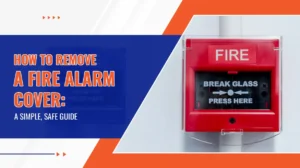
- Smoke and Carbon Monoxide Detectors: Landlords must install and regularly test smoke and carbon monoxide detectors to promptly alert tenants to possible dangers.
- Electrical Inspections: Regular inspections by licensed electricians can identify and rectify electrical hazards, ensuring safe wiring and functioning outlets.
- Gas Safety Checks: Landlords should schedule annual gas safety checks to prevent leaks and guarantee that gas appliances operate safely and efficiently.
What Happens When Landlords Ignore Safety Responsibilities
Neglecting safety responsibilities can lead to severe consequences for landlords, both legally and financially. When landlords fail to maintain safe living conditions, they expose themselves to possible law suits from tenants injured due to negligence. Legal actions can result in significant financial liabilities, including medical expenses, property damage, and legal fees. Additionally, landlords may face penalties or fines imposed by local authorities for violating safety codes.
Failing to fulfil safety responsibilities can also damage a landlord’s reputation, making it difficult to attract and retain tenants. A poor reputation can lead to prolonged vacancies, decreasing overall rental income. Moreover, insurance companies may raise premiums or deny claims related to incidents stemming from safety violations, further straining a landlord’s financial resources.
Ultimately, the repercussions of neglecting safety responsibilities can be extensive, underscoring the importance of proactive management in maintaining a safe environment for tenants.
Practical Steps Landlords Can Take to Meet Safety Requirements
A comprehensive safety method can greatly benefit property owners by helping them meet legal requirements and create a secure environment for tenants. Landlords can take several practical steps to ensure compliance and enhance safety in their properties.
- Conduct Regular Inspections: Periodic assessments of the property can identify possible hazards, such as structural issues or faulty wiring, enabling timely repairs.
- Install Safety Equipment: Providing smoke detectors, carbon monoxide alarms, and fire extinguishers can considerably reduce risks, guaranteeing tenants have the necessary tools for emergencies.
- Create Clear Emergency Protocols: Establish and communicate clear evacuation plans and emergency contacts to empower tenants to respond effectively in crisis situations.
Comparing Safety Responsibilities for Private and Commercial Landlords
While safety responsibilities may overlap in some areas, private and commercial landlords face distinct obligations based on the nature of their properties and their tenants’ needs. Private landlords typically focus on residential safety, guaranteeing structural integrity and compliance with tenant rights. In contrast, commercial landlords must adhere to stricter regulations governing fire safety, accessibility, and workplace safety.
| Type of Landlord | Key Responsibilities | Safety Regulations |
| Private Landlord | Maintain habitable living conditions | Local housing codes |
| Commercial Landlord | Guarantee compliance with OSHA and ADA | Federal and state laws |
| Both | Conduct regular maintenance and inspections | General safety standards |
Understanding these differences is key for landlords to effectively protect their tenants and assets while minimising liability risks.

How Regular Inspections Help Landlords Stay Safety Compliant
Regular inspections are an essential tool for landlords to ensure compliance with safety regulations, as they allow the identification and rectification of possible risks before they escalate into major issues. By consistently conducting these evaluations, landlords can ensure a safer living environment for tenants while protecting their property interests.
- Identifying Maintenance Needs: Inspections help pinpoint necessary repairs, such as leaky plumbing or faulty electrical systems, which can lead to safety violations if neglected.
- Assessing Safety Equipment: Regular checks ensure that smoke detectors, carbon monoxide detectors, and fire extinguishers are functional and up to code, thereby enhancing tenant safety.
- Documenting Conditions: Maintaining a log of inspections provides landlords with a record of property conditions, demonstrating their commitment to safety and compliance should disputes arise.
Through these proactive measures, landlords not only safeguard their tenants but also encourage a positive rental experience.
Why Knowing Your Safety Responsibilities Reduces Legal and Financial Risk
Understanding safety responsibilities is essential for landlords, as it directly impacts their legal and financial liability. By being aware of safety regulations and requirements, landlords can minimise the risks of lawsuits and financial penalties.
When landlords fail to fulfil their safety obligations, they expose themselves to legal action from tenants, which can lead to costly settlements and damage their reputation.
Moreover, maintaining a safe environment encourages tenant satisfaction, reducing turnover and vacancy rates. Well-informed landlords are proactive in addressing safety issues, which ultimately protects their interests by ensuring compliance with local laws.
Additionally, proper insurance coverage can lower premiums when landlords demonstrate a commitment to safety. Consequently, knowing and adhering to safety responsibilities not only safeguards tenants but also greatly mitigates legal and financial risks, allowing landlords to focus on maintaining and growing their property portfolio.
Frequently Asked Questions
What Insurance Policies Should Landlords Consider for Safety Coverage?
Landlords should consider liability insurance, property insurance, and loss-of-rental-income coverage. These policies protect against possible lawsuits, property damage, and lost revenue from unforeseen events, ensuring financial security and tenant safety.
How Can Landlords Educate Tenants About Safety Practices?
Landlords can educate tenants about safety practices through informative brochures, safety workshops, regular communication, and clear guidelines. Providing resources and encouraging open dialogue creates a safer living environment and increases tenant awareness.
Are There Safety Certifications Landlords Should Pursue?
Landlords should pursue safety certifications such as the National Apartment Association’s Certified Apartment Manager or the Property Management Association’s certifications. These credentials enhance knowledge of safety standards, ensuring better protection for both tenants and properties.
What Resources Are Available for Landlords to Improve Safety?
Landlords can access various resources to enhance safety, including online courses, local housing authority guidelines, safety compliance checklists, professional safety consultations, and community workshops, all aimed at promoting safer living environments for tenants.
How Often Should Safety Equipment Be Replaced or Updated?
Safety equipment should be replaced or updated at least every 5 to 10 years, depending on the type and manufacturer’s guidelines. Regular inspections can help determine if replacement is necessary sooner due to wear or damage.
Conclusion
To sum up, Top Safety Responsibilities Every Landlord Should Know centre on ensuring the safety and well-being of tenants and properties. By understanding and fulfilling their legal responsibilities, addressing common safety risks, and implementing practical safety measures, they can create secure living environments. Regular inspections and compliance with safety standards not only protect tenants from possible harm but also safeguard landlords against legal and financial repercussions. Prioritising safety is essential for encouraging positive landlord-tenant relationships and promoting overall satisfaction.