Understanding who is ultimately responsible for producing a fire risk assessment is essential to maintaining safety in any premises. The ‘Responsible Person’ plays a pivotal role in this process, ensuring that thorough assessments are conducted and necessary measures implemented. However, the legal implications of this duty can often be complex. What happens if these assessments are inadequate or missing entirely? The answers may reveal significant consequences for those involved.
Key Takeaways
- The ultimate responsibility for producing a fire risk assessment lies with the ‘Responsible Person,’ typically the employer or property owner.
- The Responsible Person must ensure regular and thorough assessments are conducted to identify fire danger and implement safety measures.
- This individual cannot entirely delegate the responsibility and is accountable for compliance with fire safety regulations.
- Non-compliance with fire risk assessment requirements can lead to legal liabilities and penalties for the Responsible Person.
- Collaboration with employees and fire safety advisors is encouraged, but accountability for the assessment remains with the Responsible Person.
Table of Contents
Who Has Ultimate Responsibility for Producing a Fire Risk Assessment in the UK
In the UK, the responsibility for producing a fire risk assessment primarily lies with the ‘responsible person.’ This individual, typically the employer or the premises owner, is legally obligated to ensure that a thorough assessment is conducted.
The essence of this duty is to ensure the safety of all individuals on the premises, allowing them to pursue their activities without the looming threat of fire. By identifying possible risks, the responsible person promotes an environment where freedom can flourish, unshackled by concerns of safety negligence.
Additionally, this obligation empowers individuals to take energetic measures, enhancing overall safety awareness among employees and visitors alike. It is this commitment to safety that underpins the responsible person’s role, not merely as a legal obligation, but as a key contributor to the well-being of the community.
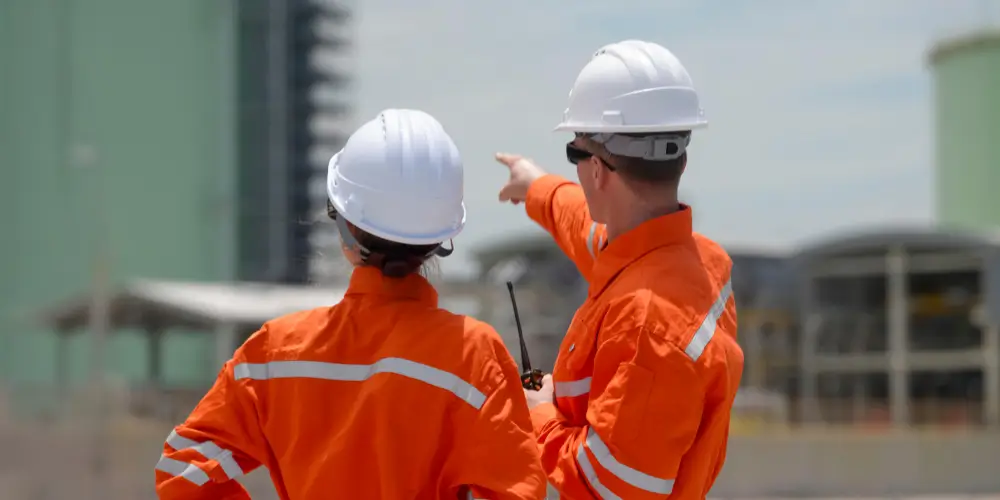
Legal Duty Explained: Who Is Ultimately Responsible for a Fire Risk Assessment
How can the legal duty surrounding fire risk assessments be clearly defined?
In the area of fire safety, the responsibility for conducting a fire risk assessment is anchored in legislation, primarily the Regulatory Reform (Fire Safety) Order 2005 in the UK. This law requires those in control of non-domestic premises to ensure that a thorough assessment is conducted to identify fire danger and mitigate risks.
While the duty lies with designated individuals or organisations, this responsibility cannot be delegated entirely, underscoring the need for energetic engagement in fire safety matters. Ultimately, this legal obligation protects not only the property but also the individuals who occupy the space. As a result, understanding the legal framework is essential for anyone seeking to uphold their rights to safety and security in their environment, and to minimise the risk of fire incidents through diligent assessment practices.
Responsible Person Defined: Who Must Ensure a Fire Risk Assessment Is Done
The concept of a “Responsible Person” is central to fire risk assessment obligations. This individual is typically defined as the person who controls the premises or has a duty of care for individuals within that space.
In most cases, this could be the owner, the landlord, or an appointed property manager. Their role is key: they must ensure that a fire risk assessment is conducted regularly and thoroughly, identifying possible risks and implementing appropriate safety measures.
This responsibility is not only a legal requirement but also a moral obligation to protect the well-being of occupants. Failure to fulfil this duty can result in dire consequences, including legal repercussions and increased risk to life. Therefore, a clear understanding of who qualifies as a Responsible Person is essential for maintaining a safe environment.
Fire Safety Law Breakdown: Who Carries the Final Responsibility
While multiple parties may share responsibilities under fire safety law, the ultimate accountability typically rests with the Responsible Person designated for the premises. This individual is responsible for ensuring compliance with fire safety regulations and safeguarding the well-being of all occupants.
To clarify the distribution of responsibility, the following table illustrates key roles involved:
| Role | Responsibility |
| Responsible Person | Overall fire safety compliance |
| Employees | Reporting danger and following protocols |
| Fire Safety Advisors | Providing expertise and guidance |
Understanding these roles is essential to promoting a safer environment that empowers everyone in a space. The Responsible Person’s leadership ensures that fire safety measures are effectively implemented, creating an environment where everyone can enjoy their freedom without compromising safety.
Is It the Landlord, Employer, or Owner Who Has Ultimate Responsibility
Determining who holds ultimate responsibility for fire safety can be complex, as it often hinges on the specific roles of landlords, employers, and property owners. Landlords typically bear the responsibility for ensuring that the premises meet safety standards, including fire risk assessments. However, employers also play a significant role, especially in workplaces, as they are responsible for protecting their employees from amplified danger.
Property owners may also be held accountable, particularly if they are directly involved in the management or operation of the premises. In many cases, the lines blur between these roles, creating a shared responsibility framework. This division of responsibility emphasises the importance of communication and cooperation among all parties involved.
Ultimately, the specific liability may vary based on local regulations and the unique circumstances of each property. Understanding these nuances allows all stakeholders to contribute effectively to fire safety and risk management.
What the Fire Safety Order Says About Responsibility for Fire Risk Assessments
Under the Fire Safety Order, responsibility for conducting fire risk assessments primarily falls to the designated responsible person, who is often the employer or the person in control of the premises. This individual must guarantee that a thorough assessment is performed to identify possible fire risk, evaluate risks, and implement necessary preventive measures. The law emphasises that the responsible person must take energetic steps to safeguard occupants and property.
| Role | Responsibility | Key Actions |
| Responsible Person | Conduct assessment | Identify danger and risks |
| Employer | Facilitate compliance | Provide necessary resources |
| Person in Control | Implement safety measures | Guarantee that fire safety protocols are followed |
| Fire Safety Officer | Guide and support | Offer expertise on fire safety laws |
Understanding these roles clarifies the shared commitment to guaranteeing safety within the premises, reflecting a collective pursuit of freedom from fire risks.
Who Is Accountable If a Fire Risk Assessment Is Missing or Incorrect
In cases where a fire risk assessment is missing or incorrect, accountability typically rests with the responsible person designated under the Fire Safety Order, often the employer or the person in control of the premises. This individual is responsible for ensuring that a comprehensive assessment is conducted to address possible fire danger and for implementing necessary safety measures.
Failure to comply can lead to serious consequences, including legal liability and penalties. Additionally, an incorrect assessment can jeopardise the safety of occupants, leading to possible injuries or fatalities. It is key for the responsible person to recognise their role in safeguarding lives and property. Those in control must prioritise conducting accurate and timely fire risk assessments to reduce safety and responsibility risks. Ultimately, accountability is essential to ensuring that fire safety remains a collective priority and promotes a safe environment for all.
Shared Duties vs Final Responsibility in Fire Risk Assessments
The dynamics of fire risk assessments involve both shared duties among team members and a clear delineation of final responsibility. While various individuals contribute their expertise and insights to assess magnify risk, Who Has Ultimate Responsibility for Producing a Fire Risk Assessment is clearly defined, with the final responsibility typically resting with a designated person or authority. This structure allows for collaborative input, promotes a more thorough understanding of risks, yet acknowledges that accountability cannot be diffuse.
In practice, shared duties encourage the pooling of knowledge, enhancing the quality of the assessment. However, this collaboration should not obscure the fact that one person ultimately must be accountable for the assessment’s validity and implementation. This individual is tasked with ensuring that all identified risks are adequately addressed and that the assessment complies with relevant regulations.
Consequently, the balance between shared responsibilities and ultimate accountability is essential for effective fire safety management, providing both collective input and individual ownership in safeguarding lives and property.
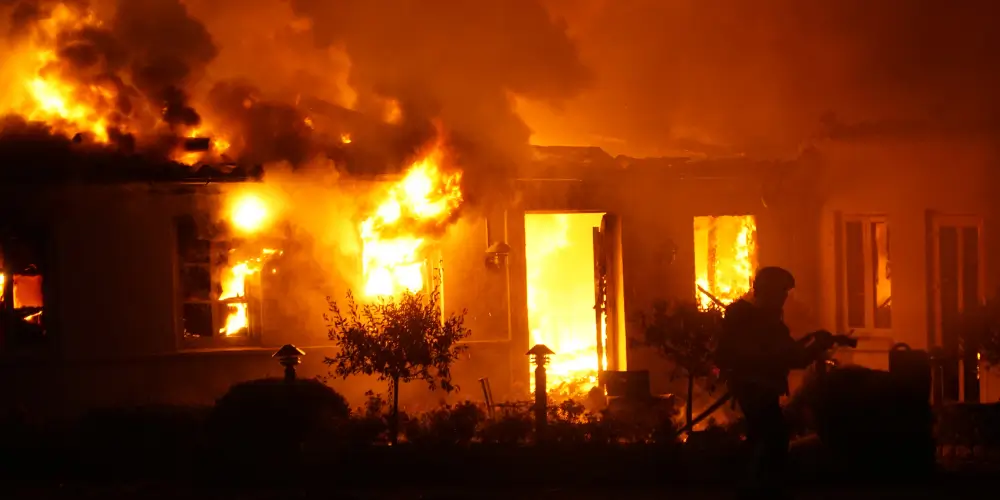
Who Has Ultimate Responsibility for Producing a Fire Risk Assessment in Commercial Buildings
Ultimate responsibility for producing a fire risk assessment in commercial buildings typically lies with the designated person, often the employer or a senior manager. This individual is tasked with ensuring compliance with fire safety regulations and safeguarding the well-being of employees and visitors.
The responsible person must have a thorough understanding of the magnitude of fire danger within the premises and the necessary measures to mitigate risks.
In many cases, this responsibility is supported by a team or external consultants who help identify risks and implement safety protocols. However, the ultimate accountability remains with the designated individual, emphasising the importance of their role in encouraging a reduction of safety.
Consequences of Getting It Wrong: Why Responsibility for Fire Risk Assessments Matters
Failing to properly execute fire risk assessments can lead to severe consequences for commercial building operators, including legal liabilities and significant financial repercussions. The responsibility for these assessments is essential, as errors can have far-reaching impacts.
The possible consequences include:
- Legal Action: Non-compliance can result in lawsuits from employees or third parties affected by fire incidents.
- Fines and Penalties: Regulatory bodies may impose hefty fines for failure to conduct adequate assessments or for negligence.
- Increased Insurance Premiums: Insurers may raise premiums or deny coverage if a building is found non-compliant with fire safety regulations.
- Reputation Damage: A fire incident linked to inadequate assessments can tarnish a company’s reputation, affecting customer trust and business viability.
Understanding the importance of fire risk assessments empowers operators to take energetic measures, ultimately safeguarding lives and property.
Frequently Asked Questions
Can Tenants Influence the Fire Risk Assessment Process?
Tenants can influence the fire risk assessment process by voicing concerns, providing local knowledge, and participating in discussions with landlords or property managers, ultimately advocating for safety measures that reflect their unique living conditions and experiences.
What Qualifications Should the Responsible Person Have?
The responsible person should possess relevant qualifications in fire safety, risk assessment, or a related field. Practical experience, knowledge of fire regulations, and an understanding of building structures further increase their ability to manage fire risks effectively.
How Often Should Fire Risk Assessments Be Updated?
Fire risk assessments should be updated regularly, typically annually or whenever significant changes occur in the premises or occupancy. This guarantees ongoing safety and compliance, allowing individuals to maintain a secure and liberated environment.
What Happens During a Fire Risk Assessment Inspection?
During a fire risk evaluation, trained professionals assess the premises, identify possible risks, evaluate existing safety measures, and recommend improvements to ensure compliance and increase overall fire safety, ultimately promoting a safe environment for all occupants.
Are There Penalties for Non-Compliance With Fire Risk Assessments?
Penalties for non-compliance with fire risk assessments can include fines, legal action, and increased liability in case of incidents. Ensuring compliance protects individuals and organisations from serious consequences while promoting safety and responsibility.
Conclusion
To sum up, Who Has Ultimate Responsibility for Producing a Fire Risk Assessment is clearly defined in law as the Responsible Person, typically the employer or premises owner. This individual is legally required to guarantee that thorough assessments are conducted, reinforcing their key role in maintaining safety for all occupants. While assistance from fire safety consultants is permissible, accountability cannot be delegated. Understanding and fulfilling this responsibility is essential to prevent danger and protect the well-being of employees and visitors alike.