The presence of asbestos in residential properties poses significant health risks. Homeowners often face confusion regarding when an asbestos report is necessary. Key factors include the home’s age, planned renovations, and local regulations. Understanding these elements is essential for ensuring safety and compliance. Many homeowners overlook key aspects that could lead to serious consequences. What are the specific situations that mandate an asbestos report?
Key Takeaways
- Asbestos reports are essential for homes built before 1980 because they may contain asbestos materials.
- Testing is required for planned renovations that may disturb walls, ceilings, or floors.
- If you observe damaged or crumbly materials, an asbestos inspection should be conducted immediately.
- Previous renovations or reports involving asbestos should be verified for compliance and safety.
- Local regulations may mandate asbestos surveys, especially for homes built before 2000 and during property sales.
Table of Contents
What Is an Asbestos Report and Why Is It Crucial for Residential Properties?
An asbestos report is a thorough assessment that identifies the presence and condition of asbestos-containing materials in residential properties. This evaluation is essential for homeowners seeking to guarantee the safety and well-being of their living environment.
Asbestos, a hazardous substance often found in older buildings, poses significant health risks when disturbed. The report not only detects the presence of asbestos but also assesses its condition, helping homeowners make informed decisions regarding remediation or management.
Understanding the implications of an asbestos report empowers homeowners to take control of their living spaces. With knowledge comes the freedom to act, whether that means undertaking necessary renovations or pursuing safe removal options. Ultimately, an asbestos report is key because it serves as a cornerstone of safety, offering peace of mind and assurance that your home is free from the dangers associated with this toxic material.
How to Identify When an Asbestos Report Is Required for Your Home
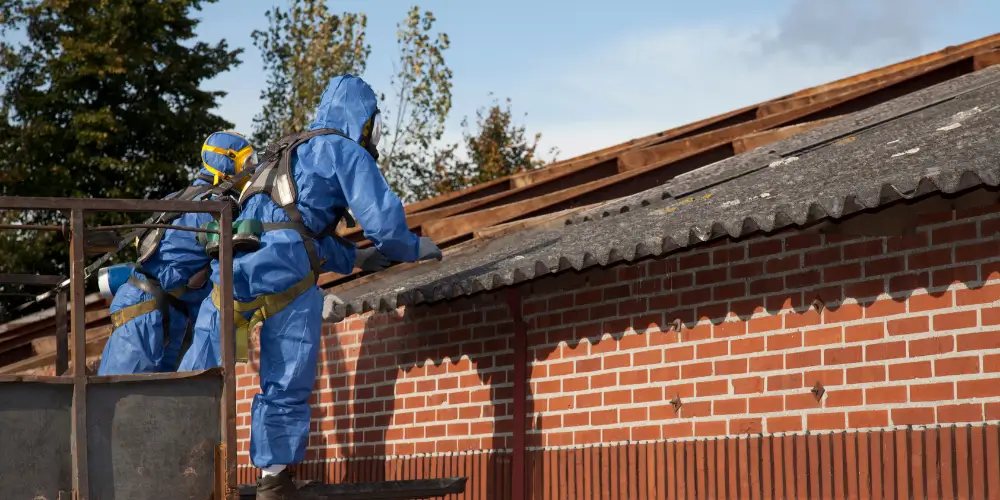
Homeowners should consider obtaining an asbestos report under several circumstances. This energetic measure can safeguard their property and health, especially in older homes. Key indicators may include the property’s age, the presence of specific materials, or planned renovations.
| Indicator | Description | Action Required |
| Age of Property | Homes built before 1980 are at risk | Obtain an asbestos report |
| Renovation Plans | Disturbing walls, ceilings, or floors | Test before commencing work |
| Suspicion of Asbestos | If materials appear damaged or crumbly | Conduct an inspection |
| Previous Asbestos Use | Known past use in construction materials | Verify current material status |
| Property History | Prior reports or renovations involving asbestos | Confirm with documentation |
Identifying these circumstances can empower homeowners to make informed decisions about asbestos management, helping ensure they are free of magnified risks.
The Dangers of Asbestos in Residential Buildings and Why You Need a Report
Asbestos poses significant health risks when present in residential buildings, particularly due to its fibers being easily released into the air during maintenance or renovations. Homeowners may unknowingly expose themselves and their families to these hazardous fibers, which can lead to serious respiratory diseases, including asbestosis and mesothelioma.
The danger lies in the material’s durability; it can remain intact for years, masking its presence until disturbed. Understanding the amplified risks of asbestos is essential for ensuring a safe living environment. A thorough asbestos report can identify the presence and condition of asbestos-containing materials within a home.
This energetic step allows homeowners to make informed decisions regarding renovations, repairs, or full removal. By obtaining a report, individuals empower themselves to protect their health and their family’s well-being, emphasizing the importance of awareness and safety in residential spaces.
Legal Requirements: When Are Asbestos Surveys Mandatory for Residential Properties?
When it comes to residential properties, understanding legal requirements for asbestos surveys is essential, especially during renovations or property transactions. In many jurisdictions, homeowners are required to conduct an asbestos survey before any significant remodeling, particularly in homes built before 2000. This is essential not only for compliance but also for ensuring safety.
In property sales, sellers may be required to disclose any known asbestos issues, which often requires a formal survey. Additionally, local regulations may dictate specific guidelines for asbestos management in residential properties, including notification procedures for contractors and homeowners.
Failing to comply with these legal obligations can result in hefty fines and amplify liability for health danger. As a result, homeowners should remain informed and energetic, ensuring they meet all legal standards concerning asbestos surveys before undertaking construction or selling their properties.
What Happens if You Skip an Asbestos Report for Your Residential Property?
Skipping an asbestos report for a residential property can lead to serious consequences, both legally and health-wise. Homeowners may unknowingly expose themselves and their families to harmful asbestos fibers, which can result in severe health issues over time, including lung cancer and mesothelioma.
Additionally, if renovations or repairs are undertaken without proper testing, disturbing asbestos-containing materials can release toxins into the air.
Legally, homeowners may face significant liabilities if asbestos is discovered later, especially if they sell the property. Failure to disclose known asbestos issues can lead to lawsuits, fines, and a tarnished reputation. Insurers might also refuse coverage for related claims, leaving homeowners financially vulnerable.
Ultimately, neglecting an asbestos report not only jeopardizes health and safety but can also infringe on the freedom to enjoy one’s home without the looming threat of legal repercussions and health danger. Making informed decisions is essential for safeguarding both property and well-being.
Is an Asbestos Report Necessary for Older Homes? Understanding the Risks
How key is an asbestos report for older homes? For homeowners seeking to maintain their properties safely, understanding the risks associated with asbestos is paramount. Homes built before the 1980s are particularly susceptible, making an asbestos report essential.
Key reasons to take into account an asbestos report include:
- Health Risks: Asbestos exposure can lead to severe respiratory issues and cancers, such as mesothelioma.
- Property Value: Possible buyers may hesitate to invest in homes without a clear asbestos history, which can affect resale value.
- Renovation Plans: Homeowners planning renovations or repairs must know whether asbestos is present to ensure safety and regulatory compliance.
When Do You Legally Need an Asbestos Report for Home Renovations or Demolitions?
Determining whether an asbestos report is necessary for home renovations or demolitions depends on factors such as the property’s age and the scope of the project. Typically, properties built before 1980 are more likely to contain asbestos, making an assessment key before any work begins. If a homeowner plans to disturb walls, ceilings, or flooring, an asbestos report becomes essential to guarantee safety and compliance with legal requirements.
Local regulations often require an asbestos survey before significant renovations or demolitions, especially in multi-family dwellings or commercial properties. Homeowners should be aware that failure to obtain an asbestos report can lead to legal repercussions, including fines and liability for health risks. Ultimately, prioritizing safety and adhering to the law empowers homeowners to undertake renovations or demolitions with confidence and peace of mind.
How to Get an Asbestos Report for Your Home: A Step-by-Step Guide
Obtaining an asbestos report for a home is an essential step for any homeowner planning renovations or repairs. This process guarantees safety and regulatory compliance.
To navigate this effectively, homeowners can follow a straightforward guide:
- Hire a Certified Asbestos Inspector: Seek professionals with the necessary credentials and experience in asbestos testing. This guarantees accurate assessments.
- Schedule a Site Assessment: The inspector will visit the property to collect samples from suspect materials, such as insulation or roofing.
- Receive the Report: After a qualified laboratory analyzes the material, the inspector will provide a detailed report outlining the presence and condition of asbestos and, if necessary, recommendations for remediation.
Comparing Asbestos Reports: Residential Homes vs. Commercial Properties
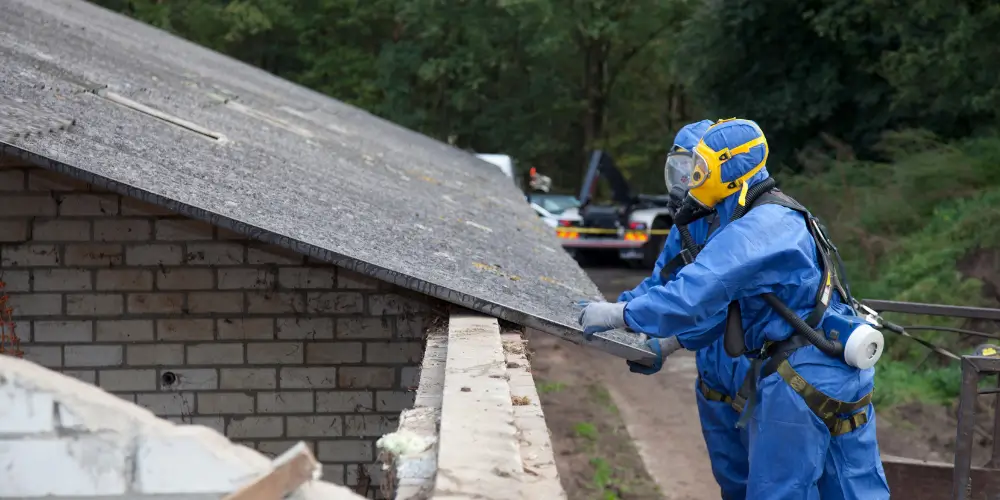
Asbestos reports serve a pivotal role in ensuring safety across various property types, but the requirements and implications can differ markedly between residential homes and commercial properties. Homeowners typically seek these reports during renovations or sales, often focusing on the presence of asbestos in insulation or flooring. Conversely, commercial properties may require more frequent inspections due to higher occupancy and the latent for greater exposure.
| Aspect | Residential Homes | Commercial Properties |
| Frequency of Reports | As needed, often during sales | Regular inspections mandated |
| Type of Asbestos | Common in insulation and flooring | Diverse materials; can include roofing |
| Regulatory Oversight | Local building codes | OSHA and EPA regulations apply |
| Cost Implications | Generally lower | Higher, due to extensive testing |
Understanding these differences empowers property owners to make informed decisions regarding safety measures for their environments.
What Are the Fixes After Receiving an Asbestos Report for Your Home?
Upon receiving an asbestos report for a home, homeowners must assess the findings to determine the appropriate course of action.
Depending on the level of asbestos present, a few options may be available to guarantee a safe living environment:
- Encapsulation: This involves sealing off the asbestos material to prevent any fibers from becoming airborne. It’s a less invasive option that allows homeowners to maintain their property while managing risks.
- Removal: For significant asbestos presence, professional removal may be necessary. This process is often costly and should be handled by certified experts to ensure safety and regulatory compliance.
- Monitoring: In cases where asbestos is not immediately harmful, homeowners might choose to monitor the situation regularly. This allows for energetic management without rushing into costly interventions.
Ultimately, the chosen fix should prioritize safety while allowing homeowners to enjoy their space.
Frequently Asked Questions
How Much Does an Asbestos Report Typically Cost for Residential Properties?
An asbestos report for residential properties typically costs between $300 and $800, depending on factors such as property size, location, and the complexity of the assessment. It provides homeowners with insight into possible danger and necessary remediation.
Can I Perform an Asbestos Inspection Myself?
Performing an asbestos inspection yourself is not advisable due to health risks and may increase legal liability. Professionals possess specialized training and equipment, ensuring accurate identification and proper handling of hazardous materials, ultimately prioritizing safety and compliance.
How Long Does It Take to Receive an Asbestos Report?
Typically, it takes between 24 and 72 hours to receive an asbestos report after samples are collected. Factors such as laboratory workload and testing methods can affect the final delivery timeline.
What Qualifications Should an Asbestos Inspector Have?
An asbestos inspector should possess relevant certifications, extensive training in hazardous materials, and experience in conducting inspections. It is essentialthat they understand local regulations and can effectively identify and assess asbestos-containing materials in residential properties.
Are There Any Government Assistance Programs for Asbestos Removal?
Yes, various government assistance programs exist for asbestos removal, including grants and low-interest loans. These programs aim to help homeowners safely eliminate hazardous materials, promote healthy living environments, and support community safety and well-being.
Conclusion
In summary, obtaining an asbestos report is essential for homeowners, particularly those in older properties or planning renovations. Understanding the risks of asbestos exposure and complying with legal requirements can safeguard both occupants and property values. By recognizing when an asbestos report is necessary and following the appropriate steps to secure one, homeowners can guarantee a safe living environment. Ultimately, prioritizing an asbestos assessment is an energetic measure in maintaining the health and safety of residential spaces.