What Is an 18th Edition Certificate? The 18th Edition represents a key qualification for professionals in the electrical field. It signifies a thorough understanding of the Institution of Engineering and Technology’s latest wiring regulations. This certification is not just a formality; it plays a significant role in ensuring safety and compliance within electrical installations. Understanding its implications can shed light on the broader impact on safety standards and operational reliability in various environments. What does this mean for current practices?
Key Takeaways
- The 18th Edition certifies knowledge of the latest wiring regulations, ensuring safe and efficient electrical installations.
- Electricians and engineers need to confirm compliance with national safety guidelines for public and commercial properties.
- The certificate promotes rigorous electrical safety protocols, including regular inspections and the use of protective devices like RCDs.
- Non-compliance with the 18th Edition can lead to legal issues and insurance claims being denied, impacting property value and safety.
- Maintaining accurate records of compliance enhances property marketability and protects investments against risks associated with outdated electrical systems.
Table of Contents
What an 18th Edition Certificate Is and Why It Matters
The 18th Edition, a key qualification in the electrical industry, signifies a professional’s proficiency in the latest wiring regulations.
Issued by the Institution of Engineering and Technology (IET), this certification guarantees that electricians and electrical engineers are equipped with the necessary knowledge to adhere to the current standards.
The importance of this qualification lies in its focus on promoting safety and efficiency in electrical installations.
Understanding Electrical Safety Compliance Under the 18th Edition
Electrical safety compliance is a critical aspect of the 18th Edition regulations, guaranteeing that installations meet stringent safety standards. These regulations address various components of electrical systems, focusing on risk management and effective hazard prevention. Compliance not only enhances safety but also minimises potential liability for contractors and property owners.
| Key Areas of Compliance | Importance |
| Wiring Systems | Guarantees correct installation and function |
| Circuit Protection | Prevents overload and short circuits |
| Earthing and Bonding | Reduces shock risk and enhances safety |
| Inspection and Testing | Validates installation safety and performance |
Understanding these elements is essential for achieving compliance. Adherence to the 18th Edition ensures electrical installations are safe, reliable, and efficient, safeguarding both users and property from electrical hazards.
Who Needs an 18th Edition Certificate and When It Is Required
An 18th Edition Certificate is vital for various professionals in the electrical industry, particularly those involved in the design, installation, and maintenance of electrical systems. This certification is required for electricians, electrical engineers, and technicians who work on new installations or modifications to existing electrical systems. It guarantees that these individuals are knowledgeable about the latest wiring regulations and safety standards.
In many cases, obtaining an 18th Edition is a prerequisite for employment or contract work, as it demonstrates compliance with the latest legal requirements. Moreover, it is often mandated for projects involving public buildings, commercial properties, and residential installations, where safety standards are paramount.
Regulatory bodies and employers may require this certification to confirm that electrical work complies with national safety and performance guidelines. Consequently, understanding when the certificate is required is vital for professionals to maintain compliance and uphold safety in their practices.
How the 18th Edition Regulations Improve Electrical Safety
While many factors contribute to electrical safety, the introduction of the 18th Edition Regulations has greatly enhanced industry standards.
These regulations focus on reducing risks associated with electrical installations, ensuring they meet modern safety requirements. They introduce rigorous guidelines for wiring systems to address potential hazards, such as overloads and short circuits.
Moreover, the 18th Edition emphasises the importance of regular inspections and maintenance, promoting proactive measures to identify and rectify issues before they escalate. Enhanced requirements for protective devices, such as residual current devices (RCDs), further safeguard against electric shock and fire risks.
Additionally, the regulations advocate the use of updated materials and technologies that are more resilient and efficient.
Differences Between Older Wiring Standards and the 18th Edition
When comparing older wiring standards to the 18th Edition Regulations, significant differences emerge, highlighting the evolution of electrical safety practices.
The 18th Edition introduces enhanced measures to reduce the risks associated with electrical installations. Key distinctions include:
- RCD Requirements: The 18th Edition mandates Residual Current Devices (RCDs) for specific circuits to improve protection against electrical shocks.
- Cable Management: Updated guidelines for cable installation emphasise reducing overheating risks and improving maintenance accessibility.
- Surge Protection: The incorporation of surge protection measures is now a standard requirement, safeguarding electrical systems from voltage spikes.
- Energy Efficiency: The 18th Edition promotes energy-efficient solutions, aligning with modern sustainability goals and reducing environmental impact.
These differences not only reflect technological advancements but also underscore a growing commitment to safety and energy conservation in electrical practices.
The Role of Electricians in Issuing an 18th Edition Certificate
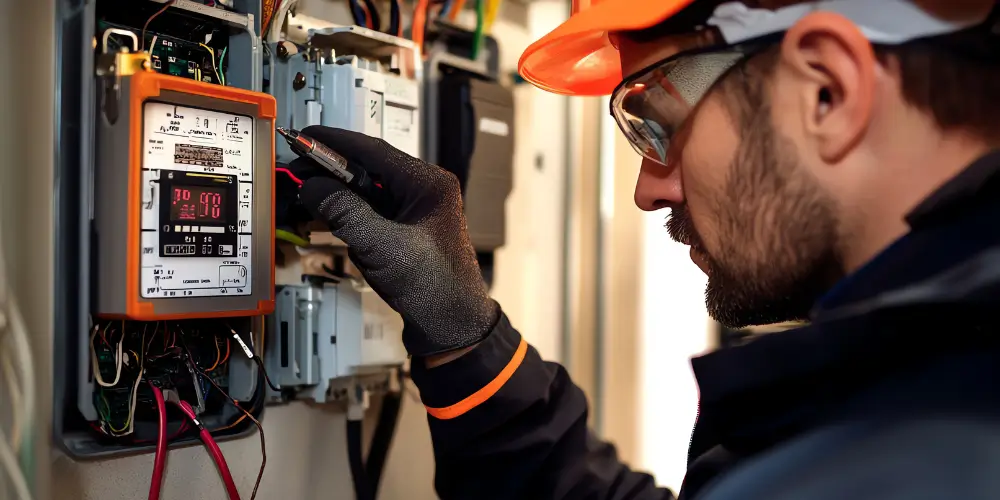
Electricians play an essential role in implementing the 18th Edition, ensuring that electrical installations comply with the latest safety standards. Their expertise is vital in evaluating the safety and functionality of electrical systems in residential, commercial, and industrial settings.
Before issuing the certificate, electricians conduct thorough inspections to identify any potential hazards or code violations that could jeopardise safety. They are responsible for verifying that all installations comply with the requirements of the 18th Edition of the IET Wiring Regulations.
This involves not only checking the quality of materials and workmanship but also understanding the latest technological advancements in electrical systems.
Everyday Situations Where Electrical Certification Is Essential
In what scenarios is obtaining an electrical certification essential for safety and compliance?
Electrical certification is critical in a variety of situations to guarantee that safety standards are met. These scenarios often include:
- New Installations: When installing new electrical systems, certification ensures compliance with current safety regulations.
- Renovations: During home or building renovations, certification verifies that updates comply with the latest electrical codes.
- Commercial Properties: Businesses must obtain certification to demonstrate safety and compliance for insurance and liability purposes.
- Real Estate Transactions: Homebuyers often require certification to guarantee properties meet electrical safety standards before purchase.
In each of these instances, obtaining an electrical certification not only enhances safety but also protects homeowners, tenants, and businesses from potential hazards.
Guaranteeing compliance with electrical standards is essential in maintaining a safe environment.
Legal and Insurance Implications of Electrical Compliance
Although electrical compliance may seem like a technical requirement, it carries significant legal and insurance implications that can impact homeowners and businesses alike. Non-compliance with electrical regulations can lead to hefty fines, legal action, and liability claims in the event of accidents or damages.
If an electrical fault causes a fire or injury, insurers may refuse to pay claims if proper certifications are not in place, leaving property owners financially exposed. Furthermore, local laws often mandate compliance with specific electrical standards, making it essential for property owners to stay informed and up to date.
Failure to obtain an 18th Edition can affect property resale and marketability, as potential buyers may view non-compliance as a red flag. Fundamentally, ensuring electrical compliance not only fulfils legal obligations but also protects investments and mitigates risks associated with unsafe electrical systems.

How Electrical Certificates Support Property Safety and Value
Electrical certificates serve as vital documentation that underscores the safety and reliability of a property’s electrical systems.
These certificates not only ensure compliance with safety standards but also enhance the property’s overall value. For potential buyers and insurance companies, having up-to-date electrical certifications can be a key factor in decision-making.
Benefits include:
- Increased Property Value: Properties with verified electrical safety tend to have higher market values.
- Attracting Buyers: Buyers feel more secure purchasing a home with proper electrical certifications.
- Insurance Benefits: Insurers may offer better rates for properties with thorough electrical documentation.
- Risk Reduction: Regularly updated certificates minimise the risk of electrical faults, contributing to overall safety.
In essence, electrical certificates play a significant role in maintaining property safety and enhancing its market appeal.
Staying Compliant With Modern Electrical Regulations Over Time
Maintaining compliance with modern electrical regulations is vital for property owners who wish to uphold safety standards and guarantee value retention over time. Regulations, such as the 18th Edition of the Wiring Regulations, are designed to confirm that electrical installations are safe and reliable.
Regular inspections and updates are necessary, as these standards can evolve with technological advancements and new safety findings. Property owners should engage qualified electricians to perform routine assessments of their electrical systems.
This proactive approach allows for the timely identification of potential hazards and ensures that any changes in legislation are addressed promptly. Additionally, maintaining accurate records of compliance and maintenance activities is imperative for demonstrating regulatory compliance, especially during property transactions.
Ultimately, staying compliant not only safeguards occupants but also enhances the property’s marketability and long-term investment potential.
Frequently Asked Questions
How Long Does It Take to Obtain an 18TH Edition Certificate?
Obtaining an 18th Edition Certificate typically requires about three to five days of intensive training, followed by an assessment. Candidates should be prepared for both theoretical and practical components to guarantee a thorough understanding and competency.
What Is the Cost Associated With Getting an 18TH Edition Certificate?
The cost of obtaining an 18th Edition Certificate typically ranges from £500 to £1,200, depending on the training provider, course length, and additional materials required, reflecting the investment needed for essential electrical safety knowledge.
Can I Perform My Own Electrical Work Without Certification?
Individuals can perform their own electrical work without certification, but it is strongly discouraged. Uncertified work may pose safety hazards, legal issues, and property damage, underscoring the importance of professional expertise in electrical work.
How Often Do I Need to Renew My 18TH Edition Certificate?
An 18th Edition certificate typically requires renewal every three years. This ensures individuals stay up to date with the latest electrical standards and safety regulations, maintaining competency and compliance within the electrical industry.
Are There Exemptions for Small-Scale Electrical Projects Under the 18TH Edition?
Exemptions for small-scale electrical projects under the 18th edition exist, typically for certain low-risk tasks. However, compliance with safety standards is still encouraged to guarantee proper practices and minimise potential hazards during any electrical work.
Conclusion
To sum up, the 18th Edition Certificate plays a pivotal role in ensuring electrical safety and compliance within the industry. By adhering to the latest wiring regulations, professionals not only safeguard environments but also enhance the reliability of electrical systems. As the landscape of electrical standards evolves, maintaining this certification is essential for electricians and engineers, ultimately fostering safer practices and supporting the integrity and value of properties. Compliance with these regulations is integral for both legal and insurance considerations.