A Type 4 Fire Risk Assessment is a key evaluation designed for businesses operating in high-risk environments. It focuses on identifying possible fire danger linked to flammable materials and complex machinery. This assessment goes beyond basic evaluations, requiring expert analysis and tailored safety measures. Understanding its importance can significantly impact a business’s safety protocols and compliance. However, many organisations overlook its necessity, possibly jeopardising their personnel and assets. What factors contribute to these assessments, and how can they be effectively implemented?
Key Takeaways
- A Type 4 Fire Risk Assessment involves extensive analysis and expert consultation tailored to very high-risk environments.
- It systematically identifies fire danger, empowering organisations to implement proactive safety measures.
- This assessment pinpoints vulnerabilities in fire safety protocols, ensuring personnel and asset protection.
- Regular Type 4 assessments support compliance with legal regulations, minimising the risk of penalties.
- Encouraging a culture of safety increases employee awareness and responsibility in emergency situations.
Table of Contents
How a Type 4 Fire Risk Assessment Enhances Workplace Fire Safety
A Type 4 Fire Risk Assessment significantly enhances workplace fire safety by systematically identifying and evaluating potential fire hazards. This thorough method goes beyond mere compliance; it empowers organisations to take proactive measures.
By analysing the unique characteristics of the workplace, the assessment identifies areas where fire risks may be heightened, enabling tailored solutions to increase safety.
Moreover, a Type 4 assessment engages employees in the safety process and encourages a culture of awareness and responsibility. Workers become knowledgeable about fire danger and better equipped to respond effectively in emergencies, ensuring individual freedom within a secure environment.
The assessment also facilitates a clear action plan, directing resources to mitigate identified risks, which ultimately contributes to the workplace’s overall resilience.
By embracing this proactive strategy, businesses not only safeguard their assets but also encourage a sense of liberation, knowing they have taken essential steps to protect their most valuable resource: their people.
Understanding the Different Types of Fire Risk Assessments: Which One Do You Need?
When determining the appropriate fire risk assessment for a specific environment, understanding the various types available is crucial.
Businesses can choose from several assessments, each tailored to different needs. A Type 1 assessment is suitable for low-risk environments, focusing on basic fire danger and general compliance.
Type 2 is more detailed, suitable for medium-risk areas, addressing specific danger and control measures.
Type 3 caters to higher-risk environments, incorporating thorough evaluations and recommendations for fire safety improvements.
Finally, the Type 4 assessment is designed for very high-risk situations, involving extensive analysis and expert consultation to ensure the implementation of reduced safety measures.
Selecting the right type of assessment empowers businesses to create a safer environment, enabling them to operate freely without the looming threat of fire danger.
The Critical Role of Fire Risk Assessments in High-Risk Environments
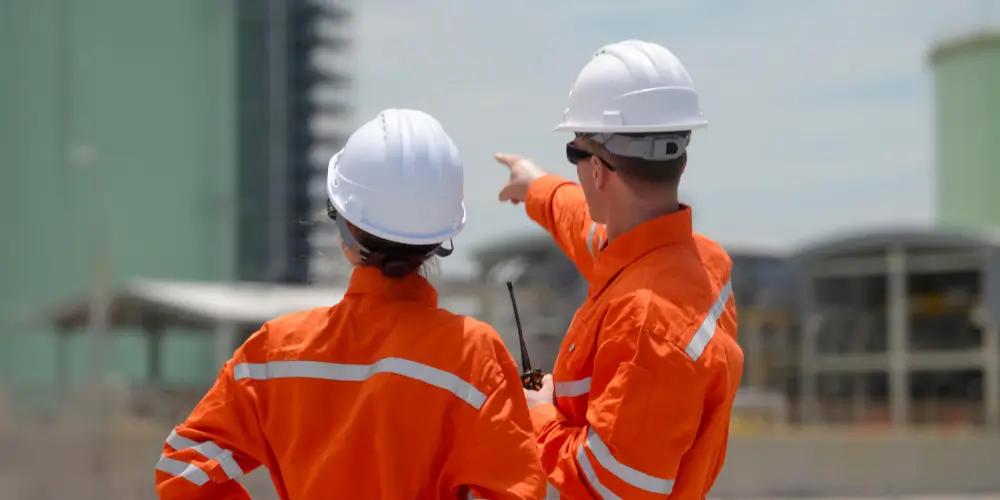
What Is A Type 4 Fire Risk Assessment plays a pivotal role in high-risk environments, where the possibility of catastrophic incidents necessitates rigorous evaluation and proactive measures. In industries such as manufacturing, warehousing, and chemical processing, the presence of flammable materials and complex machinery heightens the risk of fire.
Conducting extensive assessments allows businesses to identify vulnerabilities, evaluate existing fire safety protocols, and implement necessary improvements. These evaluations not only safeguard personnel and assets but also encourage a culture of safety and responsibility.
By understanding the unique fire danger associated with their operations, organisations can devise tailored strategies that mitigate risks. Additionally, engaging in thorough fire risk assessments empowers businesses to comply with regulatory standards and avoid costly penalties.
Ultimately, prioritising fire risk assessments in high-risk environments equips organisations with the knowledge and tools necessary to protect their people and resources, thereby promoting a responsive to fire safety.
Why Regular Fire Risk Assessments Are Vital for Business Continuity
Regular fire risk assessments are integral to maintaining business continuity, particularly in environments where operational disruptions can have severe consequences.
By proactively identifying and mitigating fire risk, businesses can guarantee a safer workplace and minimise possible losses. The importance of these assessments extends beyond mere compliance; they safeguard the freedom to operate, free from the looming threat of disaster.
- Increased Safety: Regular assessments help identify latent fire risks, ensuring employee safety and reducing liability.
- Financial Protection: By preventing fires, businesses protect their assets and minimise costly interruptions, preserving their financial independence.
- Regulatory Compliance: Staying compliant with fire safety regulations allows companies to operate without legal repercussions.
Incorporating regular fire risk assessments into a business strategy reinforces resilience, allowing organisations to maintain their operational flow and secure their future.
What to Expect During a Type 4 Fire Risk Assessment
During What Is A Type 4 Fire Risk Assessment, a thorough evaluation of the premises is conducted to identify and address fire danger specific to the environment. This assessment typically begins with a detailed walkthrough, where qualified professionals inspect all areas of the facility, including storage rooms, exits, and high-risk zones.
Interviews with employees may also be conducted to gather insights into daily operations and possible fire risks. The assessment focuses on identifying ignition sources, combustible materials, and the effectiveness of existing fire safety measures.
Documentation is essential; all findings are recorded meticulously to support future safety improvements. Following the evaluation, a detailed report outlining recommendations and risk mitigation priorities will be provided.
This process not only increases safety but also empowers businesses to take proactive steps towards fire prevention, ensuring a secure and compliant workplace for all employees.
Key Fire Safety Measures That Should Be Evaluated During a Fire Risk Assessment
Ensuring a thorough evaluation of fire safety measures is essential for effective risk management in any facility. Identifying and evaluating key components, as outlined in What Is A Type 4 Fire Risk Assessment, can significantly enhance safety and encourage a culture of preparedness.
Key fire safety measures that should be evaluated during a fire risk assessment include:
- Fire Detection Systems: These systems should be checked for functionality and coverage, ensuring that alarms are operational and strategically placed.
- Emergency Exits: Clear, accessible, and well-marked emergency exits are crucial to facilitate quick evacuation during a fire. Their condition and accessibility must be evaluated.
- Fire Suppression Equipment: Fire extinguishers, sprinkler systems, and hoses must be regularly inspected for compliance and readiness to combat possible fires.
How to Conduct a Comprehensive Fire Risk Assessment for Your Commercial Property
A thorough fire risk evaluation for commercial properties involves a systematic method to identifying possible fire risk and reviewing existing safety measures.
The process begins with a walkthrough of the premises to pinpoint fire risks, such as flammable materials, faulty electrical wiring, or obstructed exits.
Following the identification phase, evaluating the effectiveness of current fire safety measures is essential. This includes reviewing fire alarms, extinguishers, and escape routes.
Engaging staff in discussions about fire safety and emergency procedures encourages a culture of awareness and preparedness.
Moreover, documenting all findings and recommendations provides a clear action plan for improvement.
Regularly revisiting and updating the assessment ensures that evolving risks are addressed promptly, helping businesses maintain a safe environment.
Ultimately, conducting a thorough fire risk evaluation empowers commercial property owners to protect their assets and promote a secure atmosphere for employees and customers alike.
Legal Requirements for Fire Risk Assessments: What Every Business Needs to Know
While navigating the complexities of fire safety regulations, businesses must understand the legal obligations associated with fire risk assessments. Complying with these legal requirements not only protects employees and property but also safeguards the organisation from possible liabilities.
Key legal considerations include:
- Regulatory Framework: Familiarity with local laws and regulations governing fire safety, such as the Fire Safety Order, is essential.
- Regular Assessments: Many jurisdictions require fire risk assessments to be conducted regularly, ensuring that any changes in the business environment are accounted for.
- Documentation: Proper documentation of fire risk assessments is essential, serving as evidence of compliance and due diligence.
Ultimately, understanding and adhering to these legal requirements empowers businesses to operate confidently, maintain a safe environment, and focus on their core operations.

Common Fire Hazards Identified in Risk Assessments and How to Mitigate Them
Fire risk assessments identify danger that can threaten workplace safety. Common fire dangers include flammable materials, electrical faults, and inadequate emergency exits.
Flammable substances, often found in storage areas, pose a significant risk if not properly stored and handled. Electrical equipment can become dangerous due to frayed wires or overloaded circuits, leading to possible ignition sources. Additionally, blocked or poorly marked emergency exits can hinder evacuation during a fire emergency, which is why What Is A Type 4 Fire Risk Assessment is essential to identify and mitigate these risks effectively.
To mitigate these dangers, businesses should implement strict storage protocols for flammable materials, ensuring they are kept in designated areas away from ignition sources. Regular inspections of electrical systems can identify and rectify possible faults before they escalate.
Clear signage and unobstructed pathways to emergency exits are essential for ensuring safe evacuation. By proactively addressing these common fire dangers, businesses can encourage a safer environment, allowing employees to work without fear of fire-related incidents.
Steps to Ensure Compliance with Fire Safety Regulations in Your Facility
Guaranteeing compliance with fire safety regulations requires a systematic method that encompasses a thorough understanding and implementation of applicable laws and standards.
Businesses must prioritise safety while encouraging an environment of freedom and responsibility. To achieve compliance effectively, the following steps are essential:
- Conduct Regular Fire Risk Assessments: Identify possible danger and evaluate existing safety measures to verify they meet current regulations.
- Implement Training Programs: Equip employees with knowledge on fire safety practices and emergency procedures, empowering them to act confidently in key situations.
- Maintain Fire Safety Equipment: Regularly inspect and service fire alarms, extinguishers, and sprinkler systems to ensure they function efficiently when needed.
Frequently Asked Questions
What Qualifications Should a Fire Risk Assessor Possess?
A fire risk assessor should possess relevant certifications, such as NEBOSH or Fire Safety Management qualifications, extensive knowledge of fire regulations, practical experience in risk assessments, and strong analytical skills to effectively evaluate fire danger.
How Often Should a Type 4 Fire Risk Assessment Be Conducted?
A Type 4 fire risk assessment should be conducted annually or whenever significant changes occur within a business, such as alterations to occupancy, structure, or operations, to ensure ongoing compliance with and safety of fire prevention measures.
What Costs Are Associated With a Type 4 Fire Risk Assessment?
Costs associated with a Type 4 fire risk assessment typically include professional fees, equipment costs, and possible facility modifications. These investments ultimately increase safety, providing peace of mind and encouraging a secure environment for all.
Can Employees Participate in the Fire Risk Assessment Process?
Employees can indeed participate in the fire risk assessment process. Their involvement encourages a collaborative environment, increases awareness, and guarantees that diverse perspectives are considered, ultimately leading to a more effective and thorough safety strategy.
What Documentation Is Required After Completing an Assessment?
After completing an assessment, required documentation typically includes a fire risk assessment report, an action plan, employee training records, maintenance logs, and any correspondence regarding safety measures implemented, to ensure compliance and promote workplace safety.
Conclusion
In summary, a What is a Type 4 Fire Risk Assessment is a key component for businesses operating in high-risk environments. By identifying vulnerabilities and strengthening fire safety protocols, organisations can effectively protect their personnel and assets. Regular assessments not only ensure compliance with legal regulations but also encourage a culture of safety, which is fundamental to business continuity. Investing in thorough fire risk assessments ultimately contributes to a safer workplace and mitigates the possible impact of fire-related incidents.