EICR certificates serve an essential role in ensuring electrical safety in properties, and many owners ask how long do EICR certificates last in real-world use. For residential properties, they typically remain valid for five years, while commercial settings require renewal every three years. However, various factors can influence this timeline. Understanding the nuances of EICR validity is essential for property owners to avoid possible penalties and legal issues. What happens when these certificates expire, and how can one determine the right renewal period? The answers may surprise you.
Key Takeaways
- EICR certificates for residential properties are valid for five years before renewal is required.
- Commercial properties typically need EICR renewal every three years.
- Expired EICR certificates expose property owners to legal penalties and compliance issues.
- Factors such as property use and the condition of the electrical system can affect the renewal timeline.
- Regular inspections and timely renewals ensure ongoing safety and regulatory compliance.
Table of Contents
How Long Do EICR Certificates Last Before They Lose Legal Value
How often do property owners consider the validity of their EICR certificates? Many may overlook the importance of these essential documents, which assess the safety of electrical installations in their properties. Typically, EICR certificates are valid for five years, but this duration can vary based on the property’s nature and usage. For landlords, the legal implications of an expired certificate can jeopardise their freedom to manage their properties effectively.
When an EICR certificate lapses, it loses its legal value, leaving property owners exposed to possible liabilities. Regular assessments guarantee that the electrical systems remain safe and compliant with regulations. Understanding the renewal timeline is essential to safeguarding both the property and the owner’s rights. By staying informed, property owners can maintain their autonomy while guaranteeing the safety and legality of their electrical installations.

The Real Lifespan of an EICR Certificate Most People Get Wrong
While many believe that EICR certificates last only five years, several factors can affect their actual lifespan. The misconception surrounding the longevity of these certificates often stems from a lack of awareness of the variables at play.
- Property Usage: Frequent changes in occupancy or purpose may require more frequent inspections.
- Electrical System Age: Older systems may require more frequent assessments to guarantee safety.
- Condition of Wiring: Deteriorating or damaged wiring can shorten the effective lifespan of the certification.
- Regulatory Changes: New regulations might mandate inspections sooner than the standard five-year interval.
Understanding these factors can empower property owners to take proactive measures, guaranteeing that their electrical installations remain safe and compliant. Ultimately, the validity of the EICR certificate may not align with the assumed timeframe, underscoring the need for a more informed method of electrical safety.
Why EICR Certificate Validity Is Not the Same for Every Property
Although many property owners assume a uniform validity period for EICR certificates, the reality is that it can vary considerably depending on specific circumstances. Factors such as the type of property, its use, and the nature of the electrical installation are essential to determining the validity of the certificate. For instance, commercial properties often require more frequent inspections due to higher electrical demands and increased wear and tear.
Conversely, residential properties may benefit from longer intervals between assessments, particularly if they are well-maintained. Additionally, properties housing vulnerable individuals or specialised equipment may require more rigorous oversight, which could further affect renewal timelines. Consequently, the unique characteristics of each property dictate the necessary frequency of EICR evaluations, ensuring that safety standards align with individual needs. Understanding these variables empowers property owners to take informed action, thereby enhancing the safety and reliability of their electrical systems.
When an EICR Certificate Stops Protecting You Legally
An EICR certificate ceases to provide legal protection once it expires or is deemed invalid due to considerable changes in the property’s electrical system. Property owners must remain vigilant to guarantee their electrical systems comply with safety standards.
Failure to renew or reassess can lead to unforeseen legal repercussions.
- Expiry Date: An EICR is typically valid for five years, after which it must be renewed.
- Electrical Modifications: Any substantial alterations to the electrical system require a new EICR to maintain compliance.
- Change in Usage: If a property’s use changes considerably like converting a residential space into a commercial one new evaluations are necessary.
- Recommendations: If an EICR identifies urgent safety issues, immediate action is required; neglecting these findings can nullify legal protection.
Understanding these factors is essential for property owners seeking to maintain both safety and legal compliance.
EICR Expiry Rules Explained Without the Confusing Language
What do property owners need to know about EICR expiry rules? EICR certificates, or Electrical Installation Condition Reports, typically have a validity period of five years. However, this duration can vary based on the type of property and its usage.
For instance, rental properties may require more frequent inspections, often every three years, to ensure tenant safety. It’s essential for property owners to remain proactive about these timelines, as an expired EICR can lead to legal consequences and safety risks. Understanding these expiry rules empowers owners to maintain compliance and safeguard their share. Additionally, regular checks can prevent possible danger, guaranteeing a safe environment for occupants.
What Actually Shortens the Validity of an EICR Certificate
When a property undergoes significant alterations or experiences damage, the validity of its EICR certificate may be compromised. This can create safety danger and legal implications for property owners.
Several factors can shorten the validity of an EICR certificate, including:
- Major Renovations: Electrical systems may be altered, necessitating a new assessment to guarantee compliance and safety.
- Water Damage: Moisture intrusion can cause electrical faults that require immediate evaluation and, if necessary, re-certification.
- Changes in Usage: Modifications in how electrical installations are used can affect their safety and require a fresh inspection.
- Age of the Installation: Older installations may deteriorate, prompting an earlier review to guarantee ongoing safety and reliability.
Awareness of these factors helps property owners maintain compliance and safety in their electrical systems, ultimately promoting a sense of freedom in living and working environments.
EICR Renewal Timing That Prevents Compliance Problems
To guarantee compliance and safety, timely renewal of an EICR certificate is key for property owners. An EICR, or Electrical Installation Condition Report, is an essential document that verifies electrical safety in a property. Failure to adhere to renewal timelines risks non-compliance, which can lead to legal complications and compromise tenant safety.
Property owners should be acutely aware of the recommended renewal intervals, typically every five years or after significant changes to the installation. Proactive scheduling of inspections ensures that any necessary repairs or updates are addressed promptly. Ignoring these timelines can not only incur financial penalties but may also jeopardise the freedom to manage properties effectively. Ultimately, prioritising EICR renewal promotes a safe environment while protecting owners’ rights and responsibilities in property management.
How Long an EICR Certificate Is Accepted by Authorities
Authorities typically accept an EICR certificate for up to five years, provided there have been no significant alterations to the electrical installation during that period. This acceptance is essential for maintaining safety and compliance within residential and commercial properties. Understanding the timeframe helps property owners plan accordingly and ensure the integrity of their electrical systems.
Key points regarding EICR certificate acceptance include:
- Initial Validity: Valid for five years unless changes occur.
- Significant Changes: Any major alterations may necessitate an immediate re-assessment.
- Safety Compliance: An up-to-date EICR certificate demonstrates adherence to safety standards.
- Legal Implications: Expired certificates may lead to penalties or legal challenges.
Maintaining awareness of these aspects empowers property owners to make informed decisions that promote safety and freedom in managing their electrical installations.
Early Warning Signs Your EICR Certificate Is No Longer Reliable
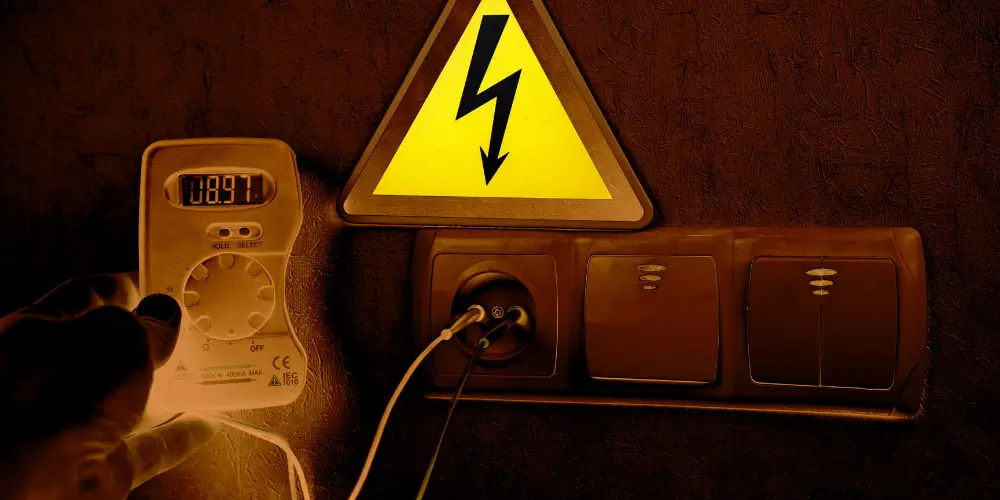
Several early warning signs may indicate that an EICR certificate is no longer dependable, which often leads property owners to ask how long do EICR certificates last in practical terms. Homeowners should remain vigilant and proactive, as safety and freedom from electrical danger are paramount. Signs such as flickering lights, frequent circuit trips, or unusual smells can suggest underlying issues that compromise electrical integrity.
| Warning Sign | Possible Risk | Action Needed |
| Flickering Lights | Electrical Faults | Immediate Inspection |
| Frequent Circuit Trips | Overloaded Systems | Professional Assessment |
| Unusual Smells | Fire Hazard | Urgent Electrical Review |
Ignoring these signals can lead to greater risks, threatening both safety and peace of mind. A reliable EICR certificate guarantees a safe environment, allowing individuals to enjoy their homes without fear of electrical failures.
EICR Validity Explained From Inspection Day to Expiry
An EICR (Electrical Installation Condition Report) certificate has a specific validity period that begins on the day of inspection. Understanding this timeline is essential for maintaining electrical safety and compliance. Typically, the validity period is influenced by several factors, resulting in different renewal intervals.
- Residential Properties: EICR certificates generally last for five years.
- Commercial Properties: These often require renewal every three years due to higher usage rates.
- Change of Occupancy: A new tenant or owner may necessitate an immediate inspection, regardless of the existing EICR’s status.
- Significant Alterations: Any major electrical work must prompt a reevaluation and, if necessary, a reissue of the EICR to ensure safety and regulatory compliance.
Frequently Asked Questions
Can I Sell My Property With an Expired EICR Certificate?
Selling a property with an expired EICR certificate is legally permissible, but it poses risks. Possible buyers may hesitate, which could complicate negotiations, so it is advisable to renew the certificate to ensure a smoother transaction.
How Much Does It Cost to Renew an EICR Certificate?
The cost to renew an EICR certificate typically ranges from £100 to £250, depending on the property’s size and location. Property owners should budget accordingly to ensure their electrical installations remain safe and compliant.
What Happens if I Ignore EICR Renewal Reminders?
Ignoring EICR renewal reminders can lead to safety risks, increased risk of electrical failures, and possible legal repercussions. Compliance guarantees safety and peace of mind, promoting a responsible method to property management and tenant welfare.
Are There Penalties for Not Having a Valid EICR Certificate?
Failing to maintain a valid EICR certificate can lead to significant penalties, including legal repercussions, financial fines, and possible safety dangers. Compliance guarantees both tenant safety and adherence to legal obligations, and promotes a sense of freedom and security.
Can a Landlord Be Fined for Expired EICR Certificates?
Yes, a landlord can be fined for holding expired EICR certificates. Compliance with electrical safety regulations is essential, as failure to maintain valid documentation may result in financial penalties and legal repercussions for the landlord.
Conclusion
In summary, understanding how long do EICR certificates last and their renewal requirements is significant for property owners to guarantee compliance and safety. With residential certificates typically lasting five years and commercial ones three, timely renewals are imperative to avoid penalties and legal issues. Regular inspections can help identify possible risks and ensure that properties remain safe and meet regulatory standards. Staying informed about EICR validity is important for protecting both occupants and the property itself.