Fire safety risk assessment steps are essential for ensuring safety in various environments. They involve a series of structured steps that organizations must follow to identify risk and evaluate risks. Legal obligations, such as those outlined in the Regulatory Reform (Fire Safety) Order 2005, mandate these assessments to prevent possible penalties. Understanding these processes is essential. What specific actions can organizations take to effectively manage fire risks and protect lives?
Key Takeaways
- Conducting fire risk assessments is a legal obligation under the Regulatory Reform (Fire Safety) Order 2005 to ensure safety compliance.
- Assess possible fire danger and identify who may be at risk, including employees and vulnerable individuals.
- Evaluate existing fire safety controls, such as alarms and escape routes, for effectiveness and compliance.
- Document findings and maintain comprehensive records to demonstrate due diligence and facilitate ongoing training efforts.
- Regular reviews of assessments adapt to environmental changes, enhancing safety measures and stakeholder confidence.
Table of Contents
Fire Safety Risk Assessment Steps Explained in Simple Terms
Although fire safety risk assessments may seem complex, they can be understood through a straightforward method. The first step involves identifying possible fire danger within a space, such as flammable materials or faulty electrical equipment.
Next, the assessor should evaluate who might be at risk, including employees, visitors, and vulnerable individuals.
Following this, the likelihood of a fire occurring must be assessed, alongside the possible consequences if a fire does happen. This evaluation helps in prioritizing risks based on their severity.
Once the risks are identified, appropriate control measures must be implemented to mitigate these danger. This could include installing fire alarms, guaranteeing proper exits are accessible, and conducting regular safety training.
Finally, it is key to document the findings and review the assessment regularly to maintain ongoing effectiveness. This systematic method aids in making fire safety comprehensible and manageable for all involved.
Why Fire Risk Assessments Are Critical for Identifying Life Safety Risks
Fire safety risk assessment steps serve as an essential tool for identifying life safety risks in various environments. These assessments systematically evaluate possible fire risk, helping organizations implement proactive measures to mitigate risks. By identifying vulnerabilities, stakeholders can prioritize safety improvements, ensuring the protection of individuals and property.
| Aspect | Importance | Outcome |
| Hazard Identification | Recognizes possible fire sources | Increased safety protocols |
| Risk Evaluation | Assesses likelihood and impact of fires | Informed decision-making |
| Action Planning | Develops strategic response plans | Reduced fire-related incidents |
Ultimately, fire risk assessments not only fulfill safety obligations but also cultivate a reduce of awareness and preparedness. By regularly conducting these evaluations, organizations can notably reduce the likelihood of catastrophic events, thereby safeguarding lives and property.
Understanding Legal Duties Linked to Fire Risk Assessments
Organizations must recognize that conducting fire risk assessments is not only a matter of safety but also a legal obligation. Various regulations, such as the Regulatory Reform (Fire Safety) Order 2005 in the UK, mandate that businesses assess fire risks and take necessary precautions to mitigate them.
Failure to comply with these legal requirements can result in severe penalties, including fines or even imprisonment for responsible individuals.
Legal duties require that assessments be thorough, regularly reviewed, and documented. This includes identifying possible fire danger, evaluating the risks, and implementing appropriate control measures.
Additionally, organizations must guarantee that employees are informed and trained regarding fire safety procedures.
Identifying Fire Hazards That Pose the Greatest Danger
To effectively protect against possible disasters, identifying fire danger that pose the greatest danger is essential. This process begins with a thorough examination of the environment, focusing on areas where combustible materials and ignition sources coexist. Common danger include flammable liquids, faulty electrical wiring, and improperly stored chemicals.
Moreover, attention must be paid to human behaviors that may inadvertently increase risks, such as smoking in designated areas or neglecting equipment maintenance. It is also important to evaluate structural factors, like inadequate fire escapes and blocked exits, which can exacerbate danger during an emergency. Regular inspections and consultations with fire safety experts can help reveal hidden danger that might otherwise be overlooked.
Assessing Who Is Most at Risk During a Fire Emergency
Who is most vulnerable in a fire emergency? Certain populations face increased risks during a fire, necessitating special attention during safety assessments. Understanding who is at greater risk helps guarantee appropriate measures are implemented.
- Elderly individuals: Often have mobility issues or health conditions that hinder swift escape.
- Children: May lack the awareness and physical capability to react effectively in emergencies.
- Persons with disabilities: Require additional support to evacuate safely, especially those with mobility or sensory impairments.
- Pregnant women: Can experience physical limitations and require assistance during emergencies.
Identifying these vulnerable groups is essential for developing a thorough fire safety strategy.
Evaluating Existing Fire Safety Controls and Escape Measures
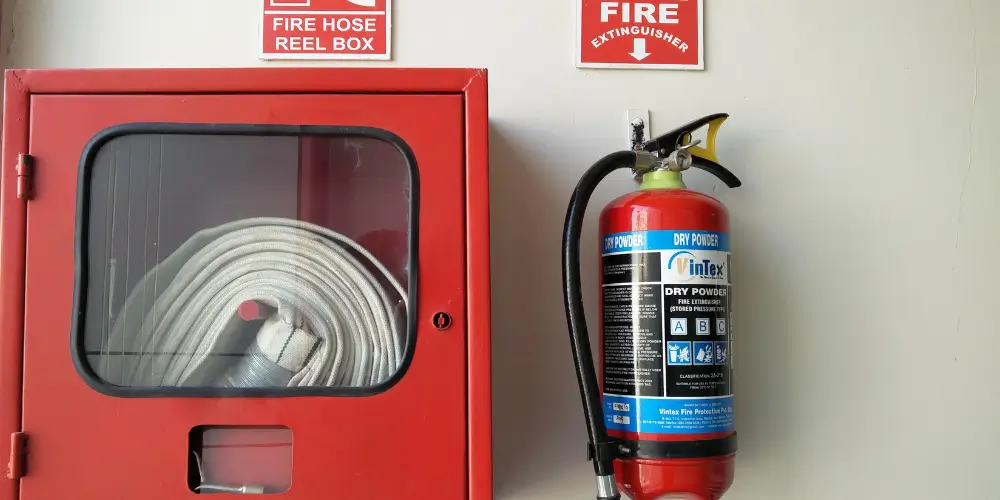
Evaluating existing fire safety controls and escape measures is essential for ensuring the effectiveness of emergency preparedness plans. This process involves a thorough examination of current systems, such as fire alarms, extinguishers, and sprinkler systems, to confirm they function correctly and comply with safety regulations.
Additionally, the layout and accessibility of escape routes must be assessed to guarantee they are clear, well-marked, and adequately illuminated.
Regular drills should be conducted to familiarize occupants with evacuation procedures, thereby enhancing their readiness during an actual emergency. It is also important to take into account the specific needs of vulnerable individuals, ensuring that everyone can evacuate safely.
Recording Findings and Creating a Practical Fire Safety Action Plan
Following the assessment of existing fire safety controls and escape measures, the next step involves systematically recording findings and formulating a practical fire safety action plan.
This plan should clearly outline the steps necessary to mitigate identified risks and increase overall safety. A well-structured action plan is essential for guaranteeing compliance and improving preparedness.
Key components of an effective fire safety action plan include:
- Identifying specific risks: Document all possible fire danger and vulnerabilities.
- Setting actionable goals: Define clear objectives for reducing identified risks.
- Assigning responsibilities: Designate individuals or teams accountable for implementing actions.
- Establishing timelines: Set deadlines for completing actions to guarantee prompt attention.
Fire Safety Risk Assessment Steps Compared Across Different Building Types
While the fundamental principles of fire safety risk assessments remain consistent, the specific steps can vary considerably across different building types due to their unique characteristics and usage.
For instance, residential buildings require assessments that focus on escape routes, alarm systems, and fire detection in living areas. Conversely, commercial properties may necessitate a more extensive evaluation of fire danger related to equipment and materials used in daily operations.
Industrial facilities often present additional challenges due to the presence of flammable substances and higher occupancy risks. Here, assessments must prioritize storage practices and emergency response plans.
Educational institutions, on the other hand, emphasize the need for clear evacuation procedures and training for staff and students.
Common Failures in Fire Risk Assessments and How to Fix Them
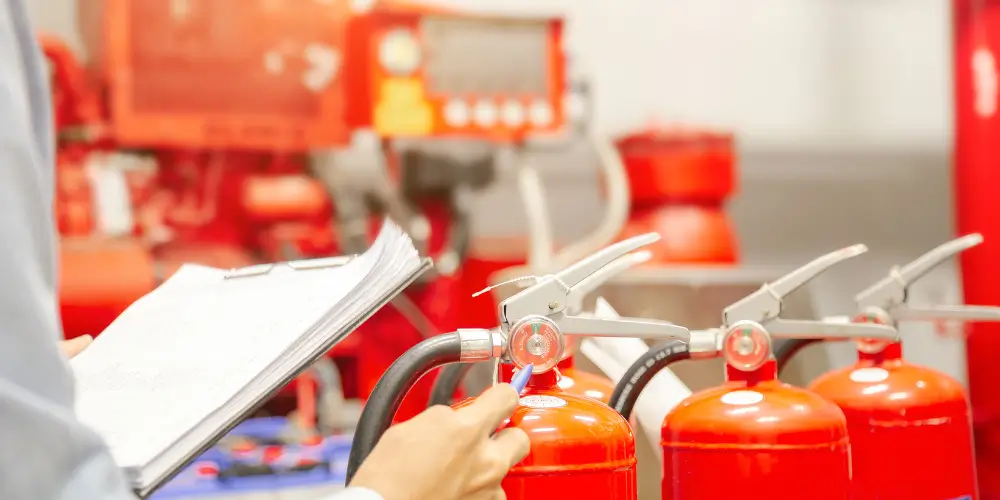
Despite the critical importance of thorough fire risk assessments, several common failures can undermine their effectiveness. Identifying these pitfalls is essential for enhancing fire safety in any environment.
- Inadequate hazard identification: Failing to recognize possible fire risk can lead to tragic outcomes.
- Neglecting employee training: Employees unprepared for fire emergencies may not react appropriately, putting lives at risk.
- Insufficient documentation: Poor record-keeping of assessments and actions taken can hinder accountability and compliance.
- Ignoring changes in the environment: Failing to update risk assessments after renovations or changes in occupancy can create new vulnerabilities.
Addressing these issues involves extensive training, regular updates to assessments, and maintaining accurate records.
How Regular Reviews Strengthen Fire Safety and Ongoing Compliance
Regular reviews play a pivotal role in reinforcing fire safety and ensuring ongoing compliance within organizations. These assessments serve to identify possible danger, evaluate existing safety measures, and adapt to any changes in regulations or operational environments. By conducting regular reviews, organizations can proactively address fire risks before they escalate into serious incidents.
Furthermore, these reviews facilitate continuous employee training, ensuring that all staff members remain aware of fire safety protocols and emergency procedures. Engaging employees in regular discussions about fire safety promote a reduce of vigilance and responsibility.
Additionally, documenting findings and actions from these reviews helps organizations maintain compliance with legal requirements and demonstrates due diligence to regulatory bodies.
Regular reviews not only increase fire safety measures but also instill confidence among stakeholders that the organization prioritizes safety and compliance. Essentially, consistent evaluation and improvement are essential for effective fire risk management.
Frequently Asked Questions
How Often Should Fire Risk Assessments Be Updated?
Fire risk assessments should be updated regularly, ideally annually, or whenever significant changes occur in the premises, such as renovations, changes in occupancy, or updates in fire safety regulations to guarantee ongoing safety and compliance.
Who Is Responsible for Conducting Fire Risk Assessments?
The responsibility for conducting fire risk assessments typically lies with the employer or building owner. They must guarantee assessments are thorough and compliant with regulations, promoting safety for all occupants and minimizing possible danger.
What Are the Penalties for Failing to Conduct a Fire Risk Assessment?
Penalties for failing to conduct a fire risk assessment can include substantial fines, legal action, and, in severe cases, imprisonment. Regulatory bodies may impose sanctions to guarantee compliance and increase public safety in fire risk management.
Are There Specific Qualifications Required for Fire Risk Assessors?
Specific qualifications for fire risk assessors typically include relevant certifications, training in fire safety, and practical experience. Many organizations recommend assessors hold qualifications recognized by industry standards to guarantee thorough and effective evaluations.
How Can Occupants Contribute to Fire Safety Assessments?
Occupants can contribute to fire safety assessments by providing insights about their environment, identifying possible risk, participating in drills, and reporting unsafe conditions, thereby enhancing overall safety and ensuring a thorough understanding of risks present.
Conclusion
In conclusion, fire safety risk assessment steps are essential for identifying risk and protecting lives within various environments. Organizations are legally obligated to conduct these assessments, ensuring compliance with regulations while implementing effective control measures. By regularly reviewing and updating their findings, they can adapt to changing conditions and vulnerabilities. Ultimately, a proactive method to fire safety risk assessments not only mitigates risks but also encourage a reduce of safety and responsibility in safeguarding people and property.