Fire safety is a key concern for any workplace. Implementing basic control measures can markedly reduce risks and increase employee safety. Organisations must understand how to Identify Seven Basic Fire Safety Control Measures that underpin an effective fire safety plan. Each measure serves a distinct purpose in preventing and managing fire danger. As businesses strive for compliance and safety, the question remains: what are the seven essential measures every workplace should adopt?
Key Takeaways
- Install smoke detectors throughout the workplace to detect fires early and alert occupants to danger.
- Maintain clear, accessible fire exits to ensure safe and efficient evacuation during emergencies.
- Equip facilities with suitable fire extinguishers and provide staff training for immediate response to small fires.
- Conduct regular fire drills to familiarise employees with emergency procedures and reinforce safe behaviours.
- Perform regular fire risk assessments to identify vulnerabilities and update safety measures accordingly.
Table of Contents
Seven Essential Fire Safety Measures Every Business Should Implement
Fire safety is a 7key concern for businesses of all sizes, and implementing effective measures can greatly reduce the risk of fire-related incidents.
First, installing smoke detectors throughout the premises guarantees early detection of smoke or fire.
Second, businesses should maintain clear and accessible fire exits to facilitate safe evacuation during emergencies.
Third, regular fire drills help employees tofamiliarisee themselves with emergency procedures.
Fourth, businesses must equip their facilities with appropriate fire extinguishers and confirm that staff are trained in their use.
Fifth, managing flammable materials safely, including proper storage and labelling, minimises possible risk.
Sixth, maintaining electrical systems reduces the risk of electrical fires and requires regular inspections and repairs.
Finally, developing a thorough fire safety plan and communicating it to all employees promotes a culture of safety.
How to Prioritise Fire Safety Controls for a Safer Workplace Environment
When evaluating fire safety controls, businesses must prioritise measures that effectively mitigate risks while guaranteeing employee safety. The first step is to identify high-risk areas within the workplace, such as storage rooms or areas with flammable materials.
Implementing appropriate fire detection systems is essential, as these devices can alert employees and reduce response time. Training staff on fire safety protocols and ensuring everyone knows how to react in an emergency.
Next, businesses should assess the availability and accessibility of fire extinguishers and emergency exits, confirming they are well-marked and unobstructed. Regular maintenance of fire safety equipment is essential to ensure it functions when needed, as part of the process to Identify Seven Basic Fire Safety Control Measures.
Additionally, developing an emergency response plan can provide clear guidance during a crisis. By focusing on these priorities, businesses can create a safer workplace environment that minimises the risk of fire-related incidents and increases overall safety awareness.
Fire Safety Risk Assessment: Identifying Critical Control Measures
Conducting a thorough fire safety risk assessment is essential for identifying key control measures to effectively reduce workplace risk. This assessment involves evaluating the possible fire risks, identifying vulnerable areas, and understanding the specific activities that may lead to fire incidents.
Key components include examining the workplace layout, the materials in use, and employee behaviours that may contribute to fire danger. Engaging employees in this process can provide valuable insights, as they often have firsthand knowledge of possible risks.
After identifying risks, organisations can prioritise control measures, such as installing firebreaks, properly storing flammable materials, and establishing clear evacuation routes.
Regular reviews and updates of the assessment are necessary to adapt to any changes within the workplace environment. By systematically addressing these factors, businesses can notably increase their fire safety protocols and protect both employees and property, ensuring they Identify Seven Basic Fire Safety Control Measures.
The Role of Fire Safety Equipment in Mitigating Workplace Hazards
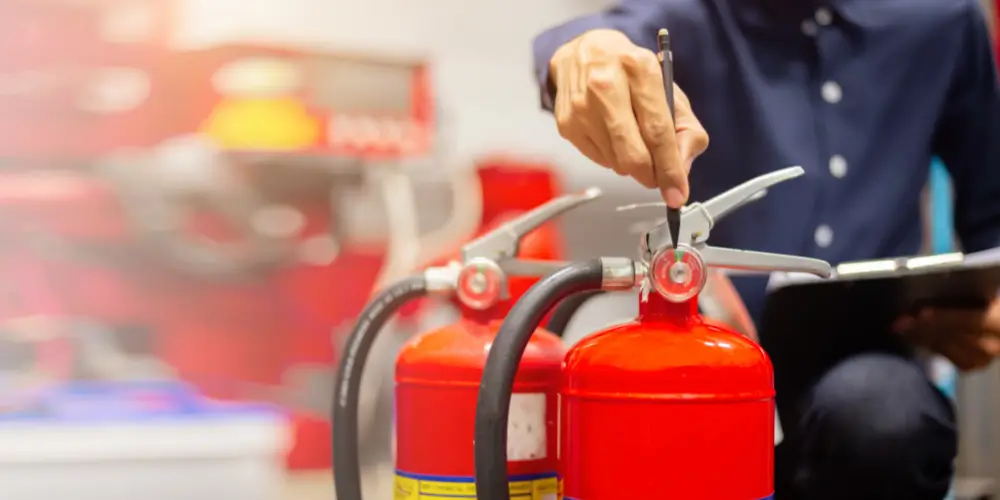
Effective fire safety equipment plays a key role in mitigating workplace danger and protecting lives. This equipment includes fire extinguishers, smoke detectors, fire alarms, and sprinkler systems, each designed to address specific fire risks.
Fire extinguishers, for example, provide immediate response options for small fires, while smoke detectors alert occupants to danger, facilitating a quick evacuation. Fire alarms notify emergency services, enhancing response times during an incident.
Sprinkler systems automatically suppress fires, minimising damage and injury. Additionally, fire blankets can be used to smother flames in emergencies involving flammable liquids or clothing.
Regular maintenance of this equipment is essential to guarantee functionality and compliance with safety regulations. By providing accessible and effective tools for fire prevention and response, organisations can greatly reduce the risk of fire-related incidents and encourage a safer work environment for employees.
Properly maintained fire safety equipment is a cornerstone of an effective fire safety strategy.
Steps for Training Employees on Basic Fire Safety Control Measures
Training employees in basic fire safety measures is essential to encourage a culture of workplace safety. Effective training ensures that all team members understand their roles in preventing fire incidents and in responding appropriately if one occurs.
To achieve this, organisations should implement the following steps:
- Conduct Regular Workshops: Schedule periodic training sessions covering fire safety protocols, equipment use, and emergency procedures. This keeps information fresh and relevant.
- Use Visual Aids: Incorporate posters, videos, and infographics that illustrate fire danger and safety measures. Visual learning aids can increase understanding and retention.
- Simulate Emergency Scenarios: Organise fire drills to provide practical experience. Realistic practice helps employees become familiar with evacuation routes and emergency response actions.
Fire Safety Compliance: Key Control Measures for Regulatory Adherence
Guaranteeing fire safety compliance is essential for organisations aiming to meet regulatory standards and protect their employees and assets. To achieve this, organisations must implement key control measures that align with local and federal regulations. These measures include conducting regular fire risk assessments, maintaining fire detection and suppression systems, and providing ongoing employee training to Identify Seven Basic Fire Safety Control Measures.
| Control Measure | Purpose |
| Fire Risk Assessments | Identify possible danger |
| Fire Detection Systems | Alert occupants of fire incidents |
| Employee Training | Guarantee preparedness and response |
How to Develop an Effective Emergency Evacuation Plan with Fire Safety Controls
How can organisations create an all-encompassing emergency evacuation plan that integrates fire safety controls? Developing an effective plan requires a structured method that prioritises safety and efficiency.
- Assessment of Risks: Organisations should begin by identifying possible fire danger specific to their workplace. This includes evaluating the layout, storage of flammable materials, and existing fire safety equipment.
- Clear Evacuation Routes: Establish well-marked, unobstructed evacuation routes. Signage should be visible, and pathways should remain clear to facilitate quick exits during an emergency.
- Regular Training and Drills: Conducting regular fire drills and training sessions guarantees that all employees are familiar with the evacuation plan. This practice reinforces safe behaviours and allows for real-time assessment of the plan’s effectiveness.
Seven Fire Safety Strategies That Can Reduce Insurance Costs for Your Business
Implementing an effective emergency evacuation plan not only increases safety but can also lead to significant financial benefits for organisations. By prioritising fire safety strategies, businesses can possibly lower their insurance premiums. Insurance companies often reward companies that demonstrate proactive risk management.
- First, maintaining up-to-date fire alarms and sprinkler systems guarantees compliance and reduces risk.
- Second, conducting regular fire drills can improve readiness and response times.
- Third, providing fire safety training for employees promotes a culture of awareness.
- Fourth, installing fire-resistant materials can minimise damage in the event of a fire.
- Fifth, keeping fire exits clear and accessible is essential for safety and compliance.
- Sixth, having a designated fire warden can streamline evacuation processes.
Finally, conducting regular fire risk assessments identifies vulnerabilities and augments safety measures.
Collectively, these strategies not only protect lives but also contribute to lower insurance costs, making them an integral part of an all-encompassing fire safety plan.

How to Assess and Improve Fire Safety Control Measures in Your Facility
What steps can a facility take to effectively assess and increase its fire safety control measures?
First, a thorough evaluation of existing fire safety protocols is essential. This involves reviewing current policies, equipment, and training programs.
Next, facilities should engage employees in the assessment process to gather insights and identify possible risks.
To improve fire safety control measures, consider the following actions:
- Conduct Regular Drills: Schedule fire drills to ascertain that all employees are familiar with evacuation routes and procedures.
- Upgrade Equipment: Regularly inspect and maintain fire alarms, extinguishers, and sprinkler systems to ascertain functionality.
- Provide Continuous Training: Offer ongoing fire safety training for employees, focusing on prevention, response techniques, and the proper use of fire safety equipment.
The Connection Between Fire Safety Control Measures and Workplace Productivity
Although often overlooked, reduced fire safety controls play an essential role in enhancing workplace productivity. Effective fire safety protocols not only protect employees but also promote a sense of security that can lead to improved focus and efficiency. When employees know that their safety is prioritised, they are more likely to engage fully in their tasks.
| Fire Safety Control Measure | Impact on Productivity | Example |
| Fire Drills | Reduces panic | Regular training sessions |
| Clear Exits | Quick evacuation | Marked exit routes |
| Fire Equipment Maintenance | Guarantees readiness | Monthly inspections |
| Staff Training | Increases awareness | Safety workshops |
| Emergency Plans | Mitigates confusion | Accessible guidelines |
Frequently Asked Questions
What Are the Common Causes of Workplace Fires?
Common causes of workplace fires include electrical malfunctions, improper storage of flammable materials, open flames, equipment overheating, human error, faulty wiring, and inadequate fire safety practices. Awareness and prevention are essential in mitigating these risks.
How Often Should Fire Safety Equipment Be Inspected?
Fire safety equipment should be inspected regularly, ideally every month, with a thorough evaluation conducted annually. Consistent checks ensure functionality, regulatory compliance, and preparedness, greatly reducing the risks associated with possible workplace fire hazards.
What Should I Include in a Fire Safety Kit?
A comprehensive fire safety kit should include a fire extinguisher, first-aid supplies, emergency blankets, smoke alarms, flashlights, batteries, and a fire escape plan. Regularly check and update the kit to guarantee readiness.
How Can I Involve Employees in Fire Safety Initiatives?
To involve employees in fire safety initiatives, organisations should implement training programs, conduct regular drills, encourage feedback, establish safety committees, promote awareness campaigns, recognise participation, and promote a culture of safety throughout the workplace.
What Are the Legal Consequences of Fire Safety Non-Compliance?
Failure to comply with fire safety regulations can result in significant legal consequences, including hefty fines, business closures, and possible criminal charges. Additionally, negligence may result in liability for injuries or damages arising from fire incidents.
In summary, implementing the seven essential fire safety control measures is essential for safeguarding workplaces against fire danger. By prioritising these strategies ranging from installing smoke detectors to conducting regular risk assessments businesses can create a safer environment for employees and reduce possible liabilities. Furthermore, encouraging a culture of fire safety not only increases compliance but also boosts overall workplace productivity. By remaining vigilant and proactive, organisations can effectively Identify Seven Basic Fire Safety Control Measures and guarantee a secure working atmosphere.