- Monday to Friday | 09:00 AM to 06:00 PM
Pricing Plan
A Fire Safety Certificate is an official document confirming that a building has been designed and constructed in line with fire safety regulations and standards. Although the term was more widely used under earlier legislation, such as the Fire Precautions Act 1971, the principle remains highly relevant today. Modern fire safety law now requires up-to-date documentation and risk assessments, which serve the same purpose of demonstrating compliance and safeguarding occupants.
Under the Regulatory Reform (Fire Safety) Order 2005, responsibility for fire safety moved from local fire authorities to the “responsible person” — typically the landlord, employer, or building manager. Although Fire Safety Certificates are no longer routinely issued as standalone documents, their role has effectively been replaced by the requirement to carry out a Fire Risk Assessment and implement appropriate fire safety measures.
Fire Safety Certificates are more than just a legal requirement — they are a crucial safeguard for both lives and property. Fires in residential or commercial buildings can cause devastating harm, from serious injury and loss of life to extensive structural damage.
A professional fire risk assessment helps identify hazards such as faulty wiring, obstructed escape routes, or inadequate alarm systems, enabling timely action before disaster strikes. For landlords, certification demonstrates due diligence and offers protection against liability claims should an incident occur. For businesses, compliance not only improves workplace safety but also reduces insurance risks.
Ultimately, fire certification is a proactive investment in prevention, ensuring occupants can evacuate safely and that emergency measures work effectively when needed.
Understanding the legal requirements for fire safety inspections ensures that landlords and business owners meet all mandatory standards. UK fire safety regulations require buildings to undergo regular audits to confirm continued compliance.
Inspection frequency depends on the type, use, and location of the property. In most cases, commercial premises must be inspected annually, while residential properties may follow more flexible schedules.
Adhering to these intervals is essential for maintaining both safety and legal compliance. Failure to carry out inspections on time can result in serious consequences, including substantial fines, enforcement notices, or even closure of the premises. Recognising and fulfilling these obligations is therefore crucial to avoiding penalties and protecting both people and property.
In the UK, the Regulatory Reform (Fire Safety) Order 2005 requires all non-domestic properties and multi-occupancy residences (such as HMOs) to undergo regular fire risk assessments. Landlords and business owners are legally responsible for:
Keeping escape routes clear and unobstructed
Installing and maintaining fire detection systems (smoke and heat alarms)
Providing suitable firefighting equipment (extinguishers, fire blankets)
Displaying clear safety signage (exit routes and fire action notices)
Failure to comply can result in unlimited fines, criminal prosecution, or imprisonment if negligence leads to injury or loss of life. Local fire authorities also carry out random inspections, and non-compliant properties may face enforcement notices or closure orders.
A Fire Safety Certificate (or equivalent evidence of compliance) confirms that:
The building has sufficient escape routes in the event of a fire.
Fire detection and warning systems (such as smoke or heat alarms) are installed and operational.
Firefighting equipment (e.g. extinguishers) is correctly fitted and maintained.
Emergency lighting and signage are properly installed and visible.
Fire-resistant materials and fire doors meet the required safety standards.
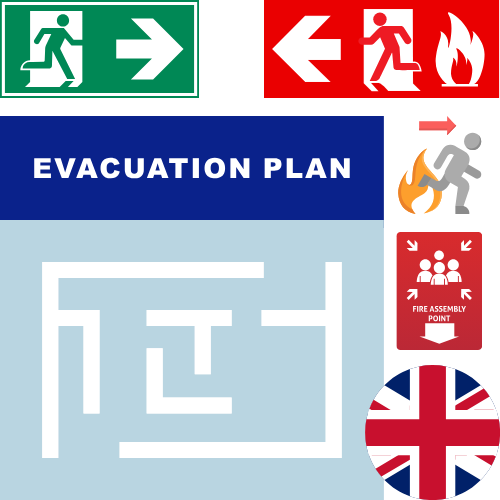
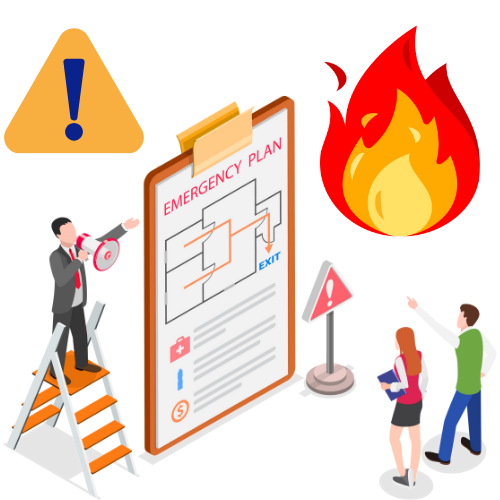
A fire evacuation plan is in place and clearly understood by all occupants.
The primary purpose of fire safety certification is risk reduction, and it fulfils three essential functions:
Prevention – Identifies and removes potential fire hazards before they develop.
Protection – Confirms that safety measures such as alarms, escape routes, and extinguishers are fully functional and accessible.
Legal Proof – Provides formal evidence of compliance during inspections, audits, or insurance claims.
For landlords, certification demonstrates duty of care to tenants. For businesses, it promotes a culture of safety while safeguarding against financial loss and reputational harm. Beyond meeting legal obligations, fire safety certification is about saving lives — making it as much a moral responsibility as a legal one.
Need a Fire Safety Certificate? Contact our accredited assessors today for a fast, straightforward inspection and certification service.
As landlords and business owners, it is our duty to carry out regular fire safety checks to remain compliant and protect both property and lives.
To ensure the highest level of safety and preparedness, it is vital to understand both what needs to be checked and how often these checks should take place.
Planned, routine fire safety checks are essential. Here are the key areas to focus on:
Run fire drills at least twice a year to ensure everyone understands the emergency procedures.
Review and update plans annually or whenever the building layout changes.
Provide training for new tenants and annual refresher sessions to keep protocols front of mind.
Carry out these checks at least yearly, increasing frequency where circumstances raise the level of risk.
Don’t wait for an inspection or a crisis — being proactive with fire safety protects both lives and property. Let us take care of the risks, so you can concentrate on what matters most.
Fire safety is a fundamental responsibility for landlords and business owners. At Landlord Certification, we deliver comprehensive fire protection solutions to keep your property compliant and your occupants safe. Our support goes beyond ticking boxes — we help you put in place practical, effective fire safety measures that offer genuine protection.
Obtaining a Fire Safety Certificate in the UK requires following a clear step-by-step process to confirm your property complies with all relevant safety standards.
We’ll explain who is authorised to issue certificates and the criteria they assess during the inspection.
Understanding these requirements is vital for maintaining compliance and ensuring the safety of your building and its occupants.
Obtaining a fire safety certificate in the UK is essential to protect both occupants and property in any building.
We’ll take you through the process step by step, so you are fully prepared to secure this important certification.
The first stage is a comprehensive fire risk assessment, which identifies potential hazards within the property and evaluates the risks they pose. This forms the foundation for all other fire safety measures.
Next, you must develop strong fire prevention strategies to minimise the likelihood of a fire starting. This includes installing and maintaining fire-resistant materials and systems.
It is equally important to implement clear emergency evacuation plans, ensuring safe and accessible escape routes for all occupants, with specific provisions for people with disabilities.
Finally, regular fire drills and smoke alarm maintenance checks must be carried out. Drills help everyone understand the correct procedures in an emergency, while checks confirm that alarms are functioning properly.
Conduct a detailed fire risk assessment
Develop and implement fire prevention strategies
Establish and practice emergency evacuation plans
Maintain smoke alarms and conduct regular fire drills
Following these steps is vital for ensuring both compliance and safety in your building.
Knowing who is authorised to issue a Fire Safety Certificate is essential to ensure compliance with UK regulations. Only competent authorities — such as local fire brigades or accredited fire safety inspectors — are permitted to carry out this responsibility.
These professionals must hold the necessary fire safety qualifications, enabling them to properly assess properties and verify eligibility for certification.
The process begins with the property owner or manager submitting an application to the relevant authority, along with supporting documentation such as building plans, existing fire safety measures, and risk assessment reports.
A certified inspector will then conduct a detailed inspection of the premises. If the property meets all required standards, a Fire Safety Certificate is issued. This document provides official proof of compliance and is essential for both legal and safety purposes.
It is important to keep the certificate up to date, particularly if the building layout or usage changes in a way that could affect fire safety.
This proactive approach ensures continuous protection, compliance, and peace of mind.
Fire safety in flats and HMOs must comply with specific requirements set by local authorities and insurance providers in England. These standards ensure that all shared housing offers adequate protection against fire risks. Adhering to these regulations is essential to safeguard both residents and property.
The safety of residents in shared accommodation, such as flats and houses in multiple occupation (HMOs), is a legal priority. Strict fire safety regulations apply to these properties, designed to minimise risk and ensure swift evacuation in an emergency.
Here’s what you need to know to remain compliant and keep everyone safe:
Carry out and update fire risk assessments regularly to identify potential hazards. These are a legal requirement and must cover the entire property, including communal areas and individual units.
Provide and maintain adequate safety equipment, such as smoke alarms, fire extinguishers, and fire blankets, ensuring they are available, accessible, and in full working order.
Educate tenants about their responsibilities, including keeping fire exits clear and not interfering with the operation of fire doors. Tenants must be aware of their role in maintaining fire safety.
Comply with the Regulatory Reform (Fire Safety) Order 2005, which places clear duties on the “responsible person” to safeguard residents from fire risks.
To comply with local authority and insurance requirements for fire safety in flats and HMOs, it is essential to ensure that all practices remain current and comprehensive. Fire regulations continue to evolve, and staying aligned with the latest standards requires a strategic approach, with robust risk assessment protocols at the core.
Our duty also includes delivering effective fire safety training programmes. These programmes are designed to equip both residents and management teams with the knowledge and confidence to respond quickly and safely in the event of a fire.
Now that we’ve looked at typical pricing for fire safety plans, it’s time to focus on finding the most cost-effective fire safety services in your area.
Affordability should never come at the expense of quality. When comparing providers, prioritise those with a strong knowledge of local fire regulations, as this ensures the measures they put in place are both compliant and cost-efficient.
Choose companies that offer comprehensive safety equipment inspections, covering everything from fire extinguishers to smoke alarms, and confirming each device is fully operational and meets safety standards.
It’s also worth considering providers that can design and implement tailored emergency response plans, adapted to the specific risks of your premises.
Finally, services that include community fire drills add real value, helping employees and residents practise emergency procedures and improving readiness across the board.
Frequently Asked Questions