
Electric Diagnostics
Starting from £89.99 Per Hour
- All Prices are updated on March 21, 2026
Electric Diagnostics
- Materials Included
- Qualified Electricians
- All Inclusive (No Hidden Fees)
- 10 Years Experience
Electric Diagnostics
Ensuring Electrical Safety with Advanced Fault Diagnosis
Electric Diagnostics
Electrical testing is carried out to ensure that all installations within a property operate in line with regulatory standards. This not only protects occupants but also helps property owners and businesses avoid penalties for non-compliance. Under the Occupiers’ Liability Act 1984, the duty of care owed by property owners extends beyond tenants to anyone who may come into contact with the premises, meaning that all reasonable safety checks and precautions must be implemented.
Electrical engineers perform a wide range of physical and visual assessments designed to minimise major safety risks such as electric shocks and fires. Over time, appliances and installations naturally deteriorate, often due to system overloading. Regular testing helps to identify and address these risks before they develop into serious problems, ensuring ongoing safety and compliance.
In addition, many organisations, including insurance providers, require frequent electrical testing as part of their conditions. Failure to complete inspections within the required timeframe can result in invalidated cover, leaving property owners exposed to financial risk.
A typical electrical test will usually include:
Identifying any defective electrical circuits.
Detecting any electrical circuits in the case of overloading.
Identifying any lack of bonding and earthing.
Bringing out information about potential fire hazards or electric shocks.
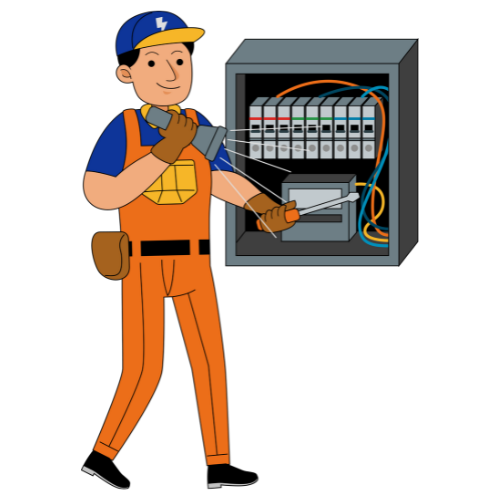
Consumer Unit Installation:

Earth Bonding:
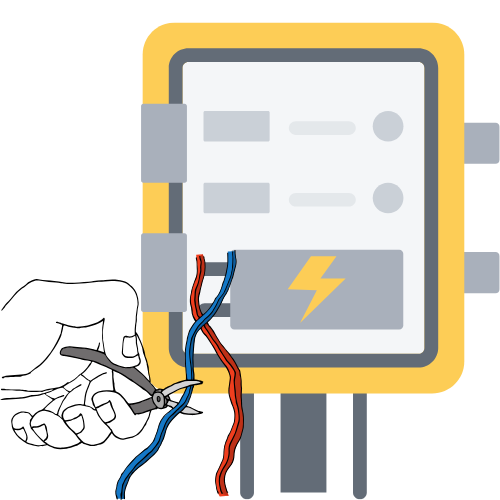
Electrical Rewires:
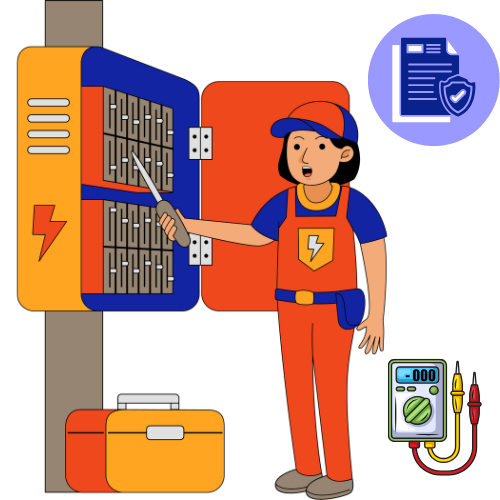
Socket Installation:

Shower Circuit:

Spotlight installation:
Spotlights, also known as downlights, are a stylish way to illuminate any room. They are particularly popular in kitchens, where they can be fitted under cabinets or above worktops, but are equally effective in other parts of the home or workplace.
There are several types of downlights to choose from, including:
Recessed downlights: The most common type, widely used in homes, offices, and many other buildings.
Surface downlights: Ideal for properties where recessed installation isn’t possible, such as those with concrete ceilings.
Pendant luminaires: Selected mainly for their aesthetic appeal, as they hang down from the ceiling.
Semi-recessed downlights: With the main body concealed within the ceiling, these are often chosen in homes or properties that want to feature a decorative ceiling.
Precision Electrical Diagnostics for Homes & Businesses
At Landlord Certifications, we deliver expert electrical diagnostics and fault-finding services to quickly identify and resolve wiring issues, circuit faults, and hidden electrical problems. Using advanced testing equipment, our certified electricians precisely diagnose faults in consumer units, wiring, sockets, and lighting circuits — preventing potential hazards before they cause damage or disruption.
SafetyAssurance
LegalCompliance
Peace ofMind
PreventativeMaintenance
Legal Requirements for EICR
Alongside the safety benefits already highlighted, it is important to note that obtaining an EICR is also a legal requirement for certain types of residential properties in London.
This is an area where compliance standards and safety regulations work together to ensure electrical systems are not only functional but fundamentally safe.
Landlords are a key focus of these legal frameworks. Under the Electrical Safety Standards in the Private Rented Sector (England) Regulations 2020, they must ensure that all electrical installations in their rental properties are inspected and tested by a qualified person at least once every five years. The regulations also require landlords to provide a copy of the EICR to both new and existing tenants on request.
This requirement is not a matter of simple bureaucracy it plays a vital role in preventing electrical hazards. Compliance is not just about following the law; it is about actively protecting tenant safety. Failure to comply risks significant penalties and, more importantly, endangers lives.
For homeowners, although not currently bound by the same legal obligations, aligning with these standards is strongly advised. Regular electrical checks, while not compulsory, are an effective way to prevent failures and to keep pace with evolving safety expectations.
How Much Does Electrical Fault-Finding Cost?
When considering the cost of electrical fault finding, it is important to assess the typical price range across England, which will depend on the complexity of the system and the extent of diagnostic work required.
We are committed to offering clarity and invite you to request a no-obligation quote to gain an accurate understanding of the financial implications specific to your property.
A reliable estimate can only be provided following a thorough assessment of the fault’s nature and the remedial actions needed.
Seemingly minor warning signs, if ignored, can worsen over time and result in more serious respiratory concerns.
Extended exposure to asbestos fibres significantly increases the likelihood of developing life-threatening conditions such as asbestosis, lung cancer, or mesothelioma, highlighting the vital importance of early detection and timely intervention.
Typical price range in England
The cost of identifying an electrical fault in England can differ significantly depending on a range of factors.
When assessing this, it is important to take into account both the complexity of the issue and the level of expertise required to resolve it effectively.
Key factors influencing costs include:
Service areas: Charges may vary between urban and rural locations. Urban areas often attract higher fees due to greater demand and operating expenses.
Pricing models: Some electricians charge a fixed rate, while others work on an hourly basis. Understanding these structures makes it easier to anticipate overall costs.
Electrician fees: The level of qualification and experience has a direct impact on cost, with highly skilled professionals typically charging more.
Regional variations: Rates in London and the South East are generally higher than in regions such as the North or South West.
Emergency services: Urgent call-outs, particularly outside standard working hours, usually involve an additional surcharge.
Factoring in customer reviews and considering maintenance plans can also provide valuable insight into longer-term cost management.
By examining these variables, you gain a clearer understanding of potential expenses, enabling well-informed financial decisions when arranging electrical fault finding.


Get our no-obligation quote
Understanding the cost of electrical fault finding before committing to a service is vital. We provide detailed quotations that offer a clear cost breakdown, ensuring transparency and supporting accurate budget planning.
Each quotation is prepared through a comprehensive process that takes into account the complexity of the fault, the equipment required, and the level of expertise necessary to resolve the issue.
Our comparison feature sets our services apart from competitors by showcasing advantages such as efficiency, thoroughness, and the use of advanced technology. This is further reinforced by customer testimonials that highlight our ability to accurately diagnose and successfully resolve electrical problems.
In terms of timelines, we offer expert guidance on realistic completion periods, whether the task is straightforward or more complex. This ensures you remain fully informed about the duration of the service, helping to avoid unnecessary disruption.
We invite you to request a no-obligation quote, giving you a clear understanding of the service, its costs, and its overall value—empowering you to make a confident and informed decision that suits your requirements.
Frequently Asked Questions
Electric Diagnostics FAQs