EICR codes, specifically C1, C2, and C3, are essential for evaluating electrical safety within properties. These classifications help identify the urgency of necessary repairs and improvements. Understanding the distinctions between these codes can greatly influence property management and tenant safety. Yet, many property owners remain unaware of their implications. Exploring the nuances of each code reveals essential insights into maintaining electrical integrity and compliance. What lies beneath these classifications could change how one method of electrical safety.
Key Takeaways
- EICR codes classify electrical safety into three categories: C1 (immediate danger), C2 (potentially dangerous), and C3 (improvement recommended).
- A C1 code requires urgent action, as it indicates an immediate safety threat that could result in legal liability.
- C2 codes suggest conditions that are not immediately life-threatening but require prompt attention to prevent escalation.
- C3 indicates that the electrical installation is safe, but improvements are advised for enhanced safety and efficiency.
- Regular inspections and the correction of EICR codes support compliance, protect tenants, and ensure the longevity of electrical systems.
Table of Contents
EICR Codes C1, C2, C3 Explained: What Each Classification Really Means
When evaluating electrical installations, understanding EICR codes, including EICR codes c1, c2, and c3, is essential for ensuring safety and compliance. The Electrical Installation Condition Report (EICR) employs standardised codes to classify the condition of electrical systems. These codes are significant for identifying possible risks and ensuring that installations meet safety regulations.
The classifications range from C1, indicating a danger requiring immediate action, to C2, indicating a latent risk that should be addressed soon. C3, on the other hand, denotes recommendations for improvement, suggesting that no immediate danger exists, but improvements could increase safety.
These codes guide electricians and property owners in prioritising necessary repairs and upgrades, ensuring that electrical systems operate safely and efficiently.
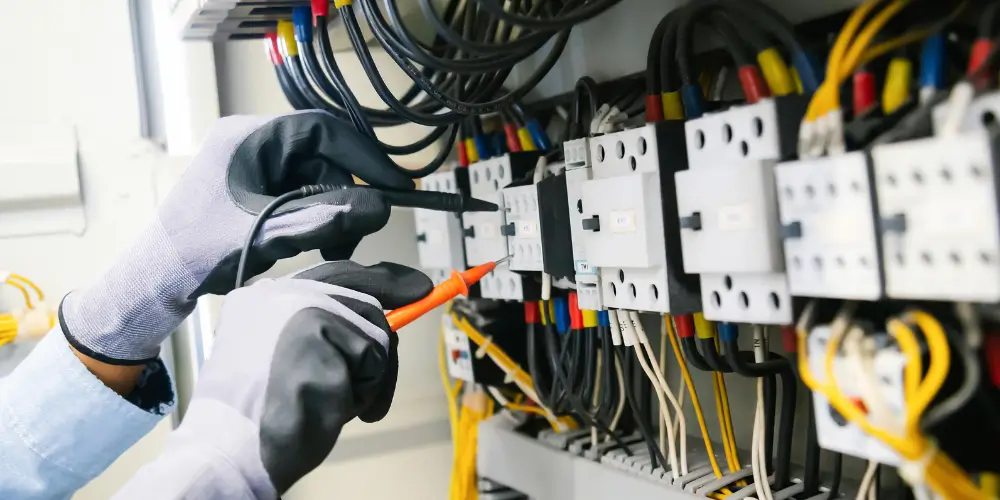
The Difference Between C1, C2, and C3 Codes in an EICR Report
Understanding the distinctions between C1, C2, and C3 codes in an EICR report is essential for evaluating electrical safety. Each code signifies a different level of concern regarding the electrical installation.
C1 indicates a situation that poses an immediate danger, necessitating urgent action to mitigate risks. Conversely, C2 denotes a latent dangerous condition that requires rectification but does not pose an immediate threat.
Finally, C3 identifies improvements that, while not dangerous, could increase the safety and efficiency of the electrical system.
These distinctions help property owners and electrical professionals prioritise repairs and maintenance. A thorough understanding of these codes enables informed decision-making on safety measures, ensuring compliance with regulatory standards and safeguarding individuals and property from electrical hazards.
Properly addressing each code type is essential for maintaining a safe electrical environment.
Why EICR Code C1 Requires Immediate Electrical Action
EICR Code C1 demands immediate electrical action due to its designation as a crucial safety hazard. This code indicates an imminent risk of electric shock or fire, requiring urgent remedial measures to protect individuals and property.
Failure to address C1 issues can result in severe consequences, including injury or damage.
Consider the following points regarding the urgency of C1:
- Immediate Threat: C1 signifies that a dangerous condition exists that could lead to an electric shock or fire.
- Legal Implications: Ignoring C1 could expose property owners or landlords to liability if an incident occurs.
- Insurance Consequences: Insurance policies may be voided if a C1 issue is not promptly rectified, leaving property owners financially vulnerable.
Addressing EICR Code C1 is not just a recommendation; it is a necessity for ensuring safety and compliance.
Understanding the Safety Risks Behind EICR Code C2 Observations
Following the urgency associated with EICR Code C1, EICR Code C2 presents another layer of safety concerns, albeit with a different level of risk.
Code C2 indicates a latent risk that, while not immediately dangerous, could lead to significant issues if left unaddressed. These observations often include deterioration of electrical installations, inadequate earthing and bonding, or signs of wear and tear that compromise safety.
The risks associated with C2 observations can escalate over time, making it essential for property owners to take energetic measures.
Failure to rectify these issues may result in electrical shocks, equipment failures, or even fire danger. Understanding these risks is essential for ensuring long-term electrical safety.
While C2 does not demand immediate action, it serves as an important reminder of the significance of regular maintenance and timely intervention to uphold the integrity of electrical systems.
Is EICR Code C3 a Legal Failure or an Improvement Recommendation?
While some may view C3 observations in an Electrical Installation Condition Report (EICR) as a legal failure, others argue they are essential improvement recommendations. A C3 code indicates that while the installation does not pose an immediate danger, improvements could increase safety and efficiency. This perspective highlights the response to electrical safety.
Key points regarding C3 observations include:
- Non-Mandatory Nature: C3 codes are not legally binding but serve as suggestions for improvement.
- Safety magnify: Implementing C3 recommendations can prevent future danger, promoting long-term safety.
- Professional Guidance: C3 observations encourage property owners to consult with qualified electricians for possible upgrades.
How EICR Codes C1 C2 C3 Affect Property Compliance
The classification of EICR codes C1, C2, and C3 plays a significant role in determining property compliance with electrical safety standards.
Properties assigned a C1 code pose an immediate danger and require urgent remedial action to ensure safety. This classification can affect insurance coverage and liability, as failure to address C1 issues may lead to legal repercussions.
A C2 code signifies a latent hazard that requires attention but does not pose an immediate threat. Properties with C2 classifications must be monitored and repaired within a reasonable timeframe to maintain compliance.
C3 codes are recommendations for improvement and indicate no immediate safety issues. While C3 does not require urgent action, addressing these recommendations can increase overall safety and compliance.
Understanding these classifications helps property owners prioritise repairs and guarantees adherence to electrical safety regulations, ultimately safeguarding tenants and property investments.

What Landlords Need to Know About EICR Codes C1, C2, and C3
Understanding EICR codes C1, C2, and C3 is essential for landlords who wish to maintain compliance with electrical safety regulations.
These codes reflect the condition of electrical installations and their safety risks, influencing both tenant safety and legal responsibilities.
Landlords should be aware of the following key points regarding EICR codes:
- C1 (Danger Present): Immediate action is required to resolve the issue, as it poses a serious safety risk.
- C2 (Latent Dangerous): While not an immediate threat, these issues should be addressed promptly to prevent future risk.
- C3 (Improvement Recommended): These codes indicate non-compliance with the latest regulations, suggesting upgrades for increased safety but not requiring urgent action.
Common Electrical Faults That Lead to C1, C2, and C3 Codes
Electrical faults often manifest in ways that lead to the assignment of EICR codes C1, C2, and C3, highlighting varying levels of risk.
A C1 code indicates an immediate danger, often due to exposed live wires or a failure of safety devices, necessitating urgent remedial action.
C2 codes signify latent dangerous conditions, such as inadequate earthing or signs of overheating, which require prompt attention but may not pose an imminent threat.
Conversely, C3 codes denote observations that do not pose a direct danger but highlight areas for improvement, such as outdated wiring or insufficient circuit labelling.
These classifications help prioritise necessary repairs, ensuring that electrical systems are safe and compliant.
Understanding these common faults enables property owners and managers to address issues effectively, maintain a secure environment for occupants, and reduce the risk of electrical incidents.
Can You Pass an EICR With C1, C2, or C3 Codes Present?
Can properties truly pass an EICR inspection when C1, C2, or C3 codes are present? The answer depends on the specific codes assigned during the inspection. Each code indicates varying levels of safety concern.
- C1 (Danger Present): Properties cannot pass with a C1 code, as immediate action is required to rectify the danger.
- C2 (Potentially Dangerous): While a property may receive a pass with a C2 code, it is advisable to address these issues promptly to increase safety.
- C3 (Improvement Recommended): A C3 code indicates that while the installation is safe, improvements are recommended. A property may still pass in this case.
How Electricians Use EICR Codes C1, C2 C3 to Assess Electrical Safety
Electricians meticulously evaluate EICR codes C1, C2, and C3 to determine the safety and compliance of electrical installations.
These codes provide a framework for analysing possible risk and the overall condition of electrical systems. A C1 code indicates immediate danger, requiring urgent action to rectify the issue, while a C2 code signifies a latent risk that needs to be addressed but is not immediately life-threatening.
C3 codes, on the other hand, identify improvements that could enhance safety but do not indicate a direct problem.
During inspections, electricians examine wiring, sockets, and appliances, documenting their findings with the relevant codes.
This systematic method helps prioritise repairs and guarantees that any electrical system meets the required safety standards.
Frequently Asked Questions
How Often Should an EICR Be Conducted for Residential Properties?
An EICR should be conducted every 5 years for residential properties, or sooner if there are significant changes to the electrical system, new tenants, or safety concerns. Regular assessments ensure ongoing electrical safety and compliance.
Can I Appeal an EICR Report’s Findings or Codes?
Yes, an individual can appeal the findings of an EICR report. They should gather supporting evidence and consult with a qualified professional or regulatory authority to discuss possible discrepancies or concerns regarding the reported codes.
What Is the Cost Range for an EICR Inspection?
The cost range for an EICR inspection typically varies between £100 and £300, depending on factors such as property size, location, and complexity of the electrical system being assessed.
How Long Does an EICR Report Remain Valid?
An EICR report typically remains valid for five years. However, the validity can be affected by changes in the electrical system, usage patterns, or if any significant alterations are made to the property.
Are EICR Codes Applicable to Commercial Properties as Well?
Yes, EICR codes apply to commercial properties. They ensure electrical safety standards are met, helping identify possible risks. Regular inspections and appropriate coding contribute to the overall safety and compliance of commercial electrical installations.
Conclusion
In summary, understanding EICR codes C1, C2, and C3 is essential for ensuring electrical safety in properties. Each code serves a distinct purpose, guiding property owners and landlords in prioritising necessary actions to mitigate risks. While C1 mandates immediate attention, C2 highlights areas needing improvement, and C3 suggests enhancements for safety and efficiency. By recognising these classifications, stakeholders can maintain compliance, protect tenants, and uphold the integrity of electrical systems, ultimately encouraging a safer environment.