EICR classification is an essential tool for evaluating electrical safety across various installations. These codes, such as C1, C2, and C3, indicate different levels of risk and urgency, guiding property owners in prioritising necessary repairs. Understanding these classifications can greatly impact maintenance decisions and compliance with safety regulations. However, many property owners remain unaware of the implications these codes hold for their properties and the safety of their occupants.
Key Takeaways
- EICR codes categorise electrical safety risks into levels: C1 (immediate danger), C2 (significant risk), C3 (recommended improvements), and FI (further investigation needed).
- C1 codes require urgent action to address serious electrical risk, while C2 codes indicate significant risks that need timely attention.
- C3 codes suggest non-urgent improvements that promote long-term safety and efficiency without immediate danger.
- EICR helps landlords fulfil legal compliance obligations, ensuring safe electrical installations and reducing risks associated with electrical failures.
- Clear communication about EICR findings encourages collaboration between landlords and tenants, enhancing transparency and trust in property maintenance efforts.
Table of Contents
A Detailed Guide to Understanding EICR Classification Codes in Electrical Inspections
Understanding EICR (Electrical Installation Condition Report) classification codes is essential for ensuring electrical safety and compliance during inspections.
These codes categorisethe condition of electrical installations, providing a clear framework for identifying latent risk. The classification system includes codes such as C1, C2, and C3, with each signifying different levels of urgency and risk associated with electrical systems.
C1 indicates a possibly dangerous situation requiring immediate attention, while C2 denotes a significant risk that should be addressed as soon as practicable.
C3, on the other hand, refers to recommended improvements that are not urgent.
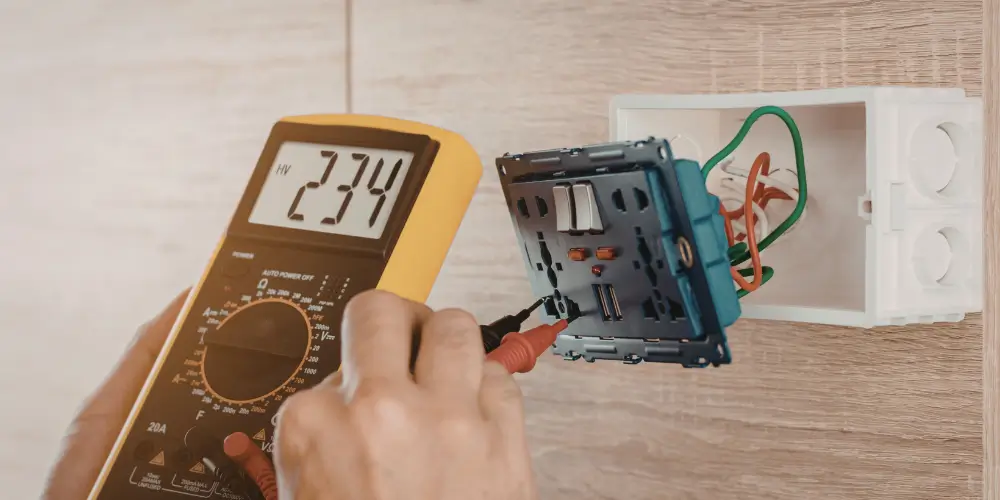
How EICR Classification Codes Are Used to Assess Electrical Safety Risks
As electrical safety risks are evaluated during inspections, EICR classification serves as an essential tool for identifying and prioritising issues.
These codes categorise electrical installations according to the severity of any observed defects. They range from Code 1, indicating immediate danger requiring urgent action, to Code 4, which signifies no immediate action is necessary.
The Significance of EICR Classification Codes in Electrical Maintenance
While EICR classification primarily serves to identify electrical safety risks, its significance in electrical maintenance cannot be overstated. These codes provide essential guidance for maintenance teams, helping them prioritise tasks based on the severity of the identified issues. By categorising faults as C1, C2, or FI, the codes inform technicians about the urgency of required repairs, ensuring that immediate dangers are addressed promptly.
Moreover, understanding these classifications helps plan preventive maintenance schedules. Regular inspections guided by EICR codes can identify possible problems before they escalate, consequently prolonging the lifespan of electrical systems.
Additionally, accurate documentation of EICR classifications improves communication among maintenance personnel and stakeholders, encourages a response to electrical safety, and ultimately safeguards personnel and property while promoting a civilisation of safety and compliance within organisations.
What Property Owners Should Know About EICR Classification Codes
Property owners play an essential role in ensuring the safety and compliance of their electrical systems, and familiarity with EICR classification is fundamental to this responsibility.
These codes categorise the condition of electrical installations, highlighting areas that may require attention. Owners should understand that codes such as C1, C2, and FI indicate varying levels of risk, from immediate danger to further investigation.
How EICR Classification Codes Help Identify Potential Electrical Hazards
Understanding EICR classification is essential for identifying possible electrical danger , as they provide a clear framework for evaluating the safety of electrical installations. Each classification code indicates the condition of the electrical system, allowing professionals to pinpoint areas that require immediate attention or further investigation.
Codes such as C1 signify an immediate danger, while C2 indicates a latent risk that must be addressed soon. By categorising issues in this manner, EICR reports help electricians and property owners prioritise repairs and maintenance to increase safety.
Moreover, these codes facilitate consistent communication among stakeholders, ensuring that everyone involved understands the severity of the identified danger. By using EICR classification, property owners are better equipped to maintain safe electrical environments, ultimately reducing the risk of accidents, fires, or electrical failures.
Hence, EICR classification plays a key role in promoting electrical safety and hazard awareness.
Breaking Down EICR Classification Codes: What They Reveal About Electrical Systems
EICR classification serves as an essential tool for evaluating the integrity of electrical systems, revealing essential information about their safety and functionality. These codes categorise the condition of electrical installations and identify any issues that may pose risks to users or property.
Each code indicates the severity of findings, ranging from satisfactory conditions to urgent faults requiring immediate attention. For instance, codes such as C1 signify a dangerous situation that poses an immediate risk, while C3 indicates improvements that are recommended but not essential.
By breaking down these classifications, stakeholders can make informed decisions regarding repairs, upgrades, or maintenance. Understanding the nuances of EICR codes allows property owners, landlords, and electrical professionals to prioritise safety and compliance in their electrical systems, ultimately encouraging a safer environment for all users.
Consequently, these codes serve not only as diagnostic tools but also as guides for ensuring long-term electrical reliability.
EICR Classification Codes and Their Role in Meeting Electrical Compliance Standards
While ensuring compliance with electrical safety standards is essential for safeguarding lives and property, EICR classifications are pivotal to this process.
These codes provide a structured framework for evaluating the condition of electrical installations. By categorising findings into specific codes, they help identify any issues that may pose risks to safety or functionality.
EICR classification, such as C1, C2, and C3, offers clear indicators of urgency and severity. A C1 code denotes an immediate danger that requires urgent rectification, while a C2 code indicates latent risks that should be addressed promptly.
C3 codes, however, represent recommendations for improvement that do not pose immediate threats.
Using these codes effectively helps property owners, electricians, and regulatory bodies navigate compliance requirements, ensuring electrical systems meet necessary safety standards and ultimately contributing to a safer environment for all.
EICR Classification Codes: How They Influence Repair and Maintenance Decisions
The implications of EICR classification extend beyond compliance; they greatly influence repair and maintenance decisions for electrical systems. These codes categorise the condition of electrical installations, guiding property owners and maintenance professionals in prioritising necessary actions. A code such as C1 indicates a serious risk that demands immediate attention, while a C3 classification suggests opportunities for improvement without posing direct danger.
Understanding these classifications helps allocate resources effectively and plan maintenance schedules. For instance, properties identified with multiple C1 codes may require urgent repairs to guarantee safety, whereas those with C3 codes might benefit from strategic upgrades over time.
Ultimately, EICR classification serves as an essential tool, enabling informed decision-making that increases electrical safety and reliability. By systematically addressing issues by severity, stakeholders can maintain compliant, safe electrical environments while optimising repair and maintenance efforts.

Why EICR Classification Codes Matter for Landlords and Tenants in Electrical Safety
Understanding the importance of EICR classification is essential for both landlords and tenants to ensure electrical safety in rental properties. These codes categorise the condition of electrical installations, helping to identify possible danger.
For landlords, adhering to EICR standards not only fulfils legal obligations but also protects their outlay by minimising the risks associated with electrical failures. It encourages a safer living environment, ultimately enhancing tenant satisfaction and retention.
For tenants, awareness of EICR classification is an essential tool for understanding the safety of their living space. It empowers them to request necessary repairs and ensures their right to a safe home is upheld.
Furthermore, clear communication regarding these codes can encourage trust between landlords and tenants, promoting a collaborative method to property maintenance. Ultimately, EICR classification plays a significant role in safeguarding both parties from electrical-related incidents.
A Practical Look at EICR Classification Codes for Ensuring Safe Electrical Installations
EICR classification provides a structured framework for evaluating the safety and condition of electrical installations in residential properties.
These codes categorise findings from electrical inspections into distinct classifications: Code 1 (C1), Code 2 (C2), and Code 3 (C3). A C1 classification signifies an immediate danger, requiring urgent remedial action to prevent possible risk. In contrast, a C2 classification indicates that the issue poses a latent risk but is not immediately dangerous; remedial action should be taken as soon as possible.
Meanwhile, a C3 classification denotes observations that do not pose a risk but recommend improvements to meet current standards. Understanding these classifications allows homeowners and landlords to prioritise necessary repairs and guarantee compliance with safety regulations.
Frequently Asked Questions
What Are the Consequences of Ignoring EICR Classification Codes?
Ignoring EICR classification can lead to severe safety risks, increased risk of electrical failures, latent legal repercussions, and significant financial liabilities. Ultimately, neglecting these codes compromises the integrity of electrical systems and public safety.
How Often Should EICR Inspections Be Conducted?
EICR inspections should be conducted every 3 to 5 years for residential properties, with more frequent checks recommended for rental properties or commercial spaces to ensure ongoing electrical safety and compliance with regulations.
Who Is Qualified to Perform EICR Assessments?
Qualified individuals to perform EICR assessments typically include certified electricians or electrical engineers with relevant qualifications and experience. They must understand electrical safety standards and regulations to guarantee accurate evaluations of electrical installations.
Can EICR Codes Vary Between Different Countries?
EICR codes can indeed vary between different countries due to regional regulations and standards. Each nation may implement specific guidelines, resulting in differences in classification and interpretation of electrical safety requirements for installations and inspections.
What Should I Do if My EICR Report Is Unsatisfactory?
If an EICR report is unsatisfactory, promptly address the identified issues, consult a qualified electrician for necessary repairs, and schedule a follow-up inspection to ensure compliance with safety standards and regulations.
Conclusion
In conclusion, EICR classification serves as an essential tool for evaluating and communicating electrical safety risks. By categorising issues into codes such as C1, C2, and C3, property owners can prioritise necessary repairs and guarantee compliance with safety standards. This understanding not only promotes proactive maintenance but also protects both tenants and landlords from latent danger. Ultimately, embracing these codes enhances overall electrical safety and encourages a sense of responsibility in property management.